



Więcej o książce
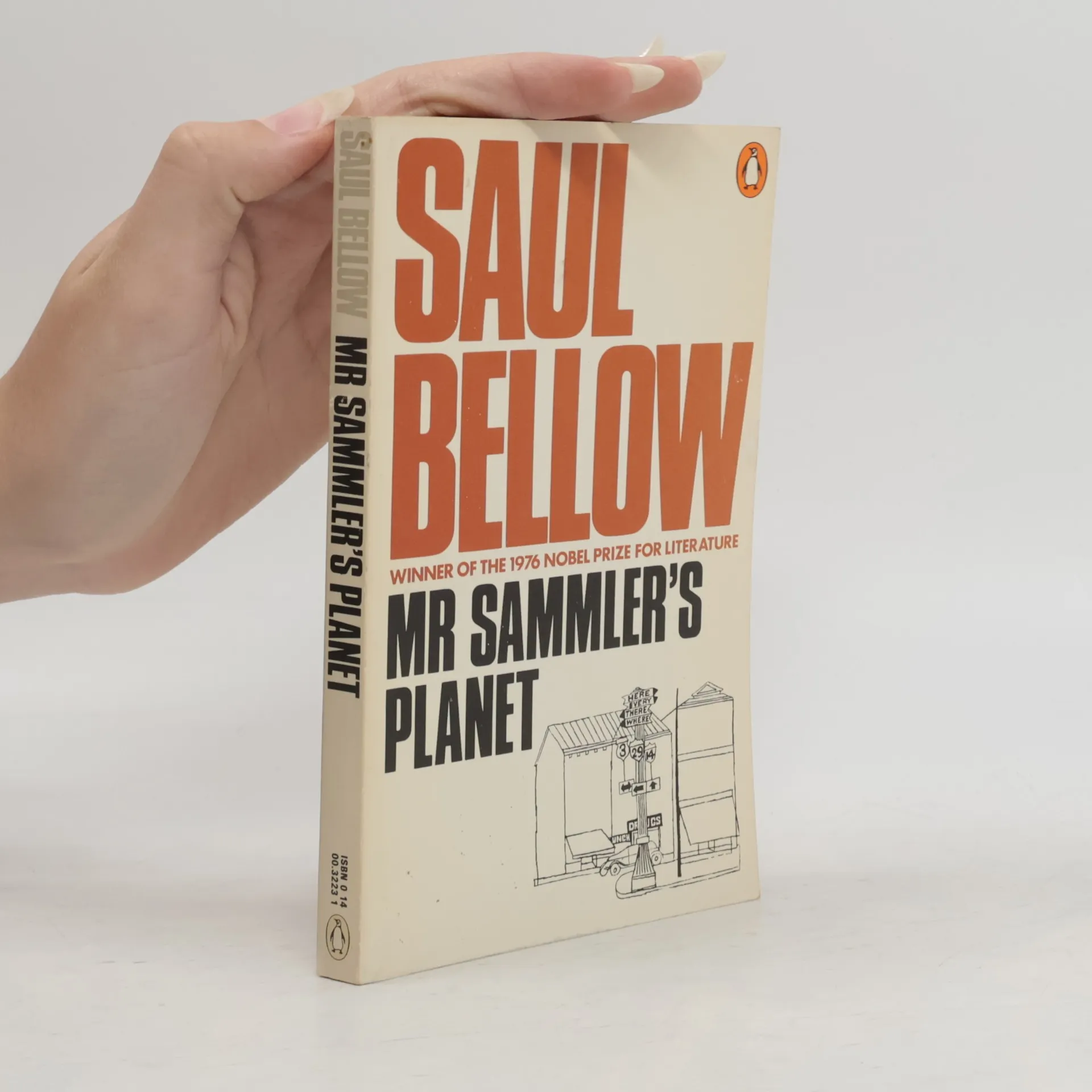
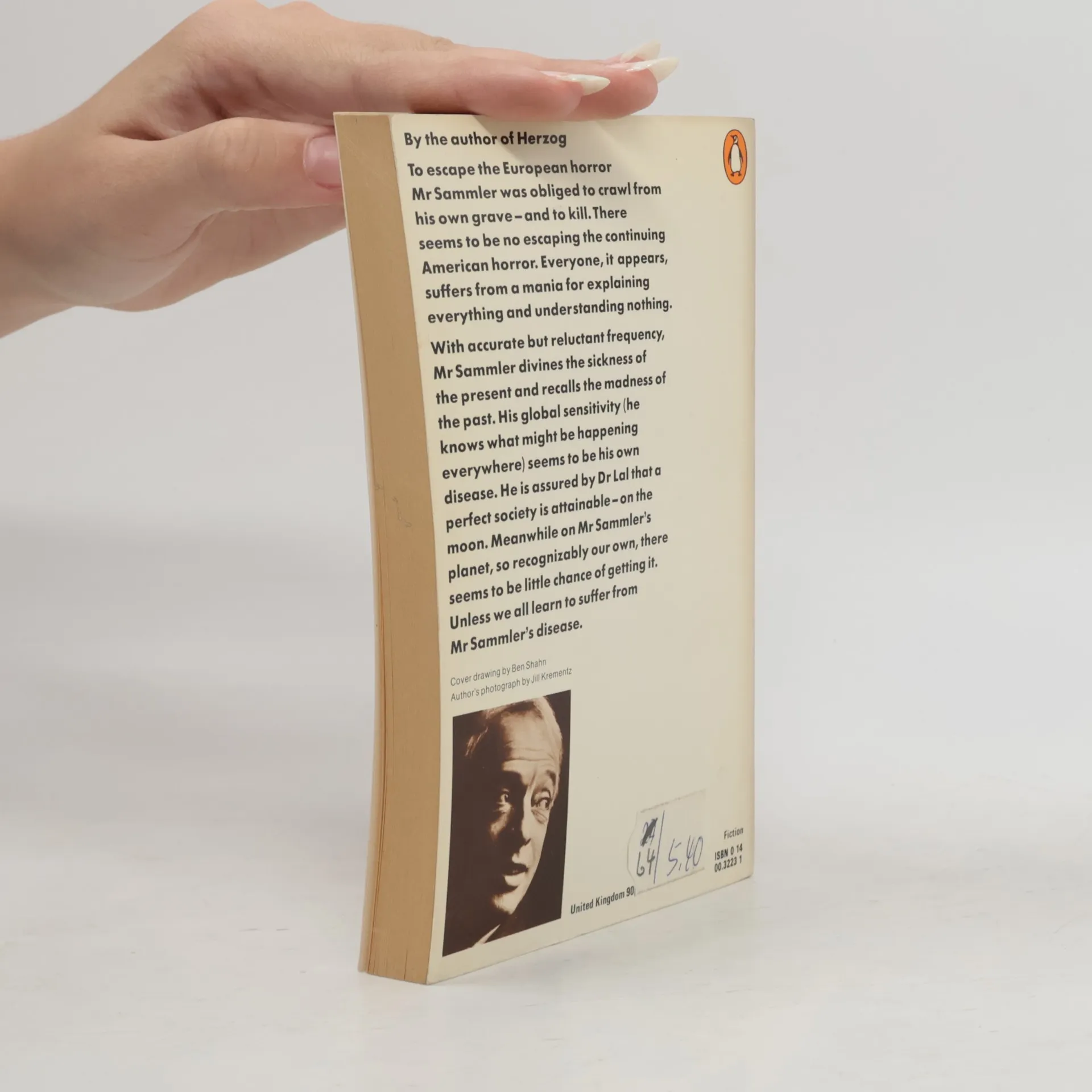
Mr. Artur Sammler, Holocaust survivor, intellectual and occasional lecturer at Columbia University in 1960s New York, is a 'registrar of madness', a refined and civilized being caught among people crazy with the promises of the future (moon landings, endless possibilities). His Cyclopean gaze reflects on the degradations of city life while looking deep into the sufferings of the human soul. 'Sorry for all and sore at heart', he observes how greater luxury & leisure have only led to more suffering. To Sammler--who by the end of this ferociously unsentimental novel has found the compassionate consciousness necessary to bridge the gap between himself and his fellow beings--a good life is one in which a person does what is 'required of him'. To know and to meet the 'terms of the contract" was as true a life as one could live. At its heart, this novel is quintessential Bellow: moral, urbane, sublimely humane.







Zakup książki
Mr. Sammler's Planet, Saul Bellow
- Język

- Rok wydania
- 1970
- Oprawa
- (miękka),
- Stan książki
- Dobry
- Cena
- 28,29 zł
Metody płatności
Brakuje nam tutaj Twojej recenzji.
- Tytuł
- Mr. Sammler's Planet
- Język
- angielski
- Autorzy
- Saul Bellow
- Wydawca
- Penguin
- Rok wydania
- 1970
- Oprawa
- miękka
- Seria
- Tagi
- USA, Literatura amerykańska, Społeczeństwo, Żydzi, Holokaust, Literatura Żydowska, Refleksje & Przemyślenia, Polska, Nagroda Nobla, Obozy koncentracyjne, Lata 60. XX wieku, Nagroda Nobla w dziedzinie literatury
- Pierwsze wydanie
- 1970
- Oryginalna nazwa
- Mr. Sammler's Planet
- Ocena
- 3,75 z 5
- Opis
- Mr. Artur Sammler, Holocaust survivor, intellectual and occasional lecturer at Columbia University in 1960s New York, is a 'registrar of madness', a refined and civilized being caught among people crazy with the promises of the future (moon landings, endless possibilities). His Cyclopean gaze reflects on the degradations of city life while looking deep into the sufferings of the human soul. 'Sorry for all and sore at heart', he observes how greater luxury & leisure have only led to more suffering. To Sammler--who by the end of this ferociously unsentimental novel has found the compassionate consciousness necessary to bridge the gap between himself and his fellow beings--a good life is one in which a person does what is 'required of him'. To know and to meet the 'terms of the contract" was as true a life as one could live. At its heart, this novel is quintessential Bellow: moral, urbane, sublimely humane.