

Więcej o książce
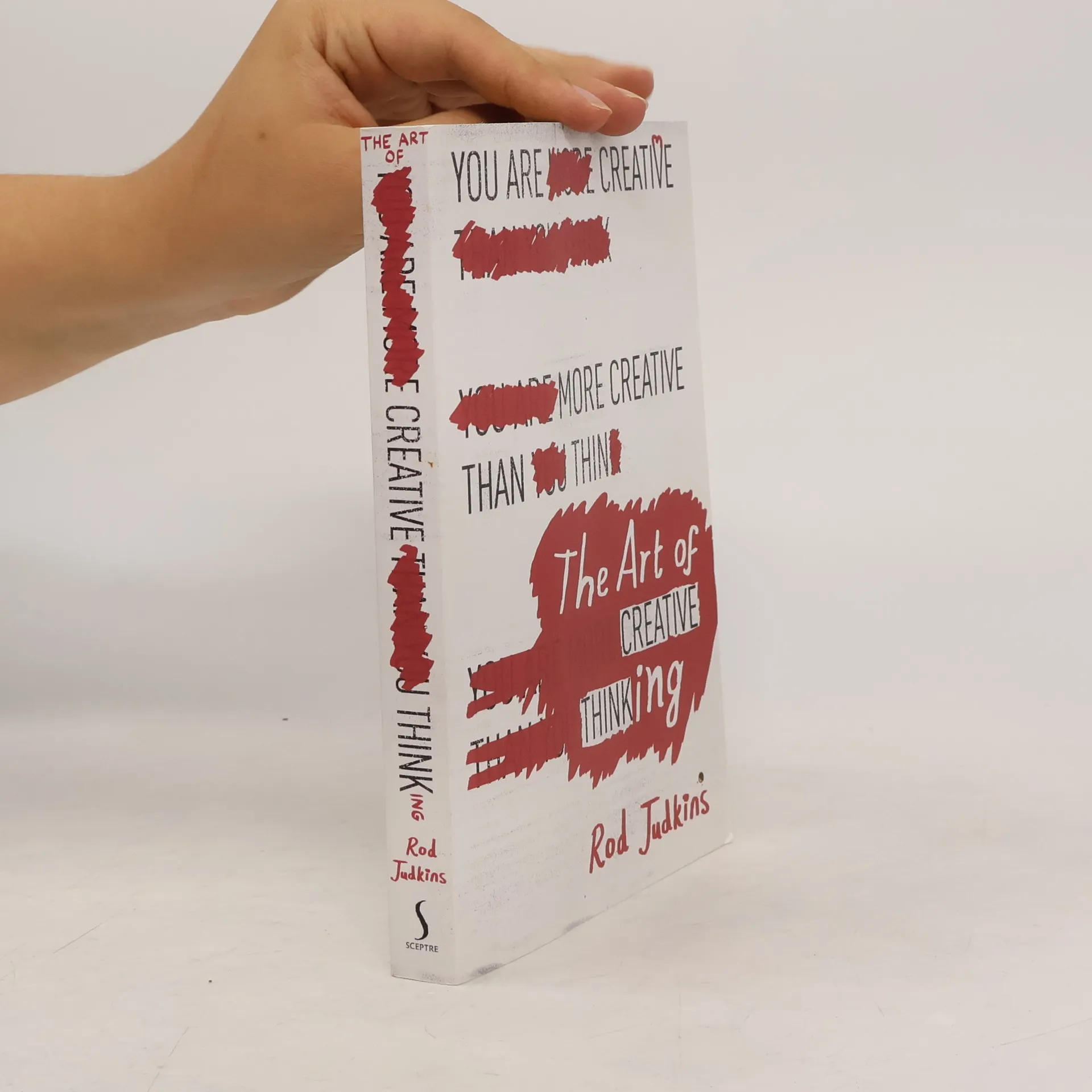
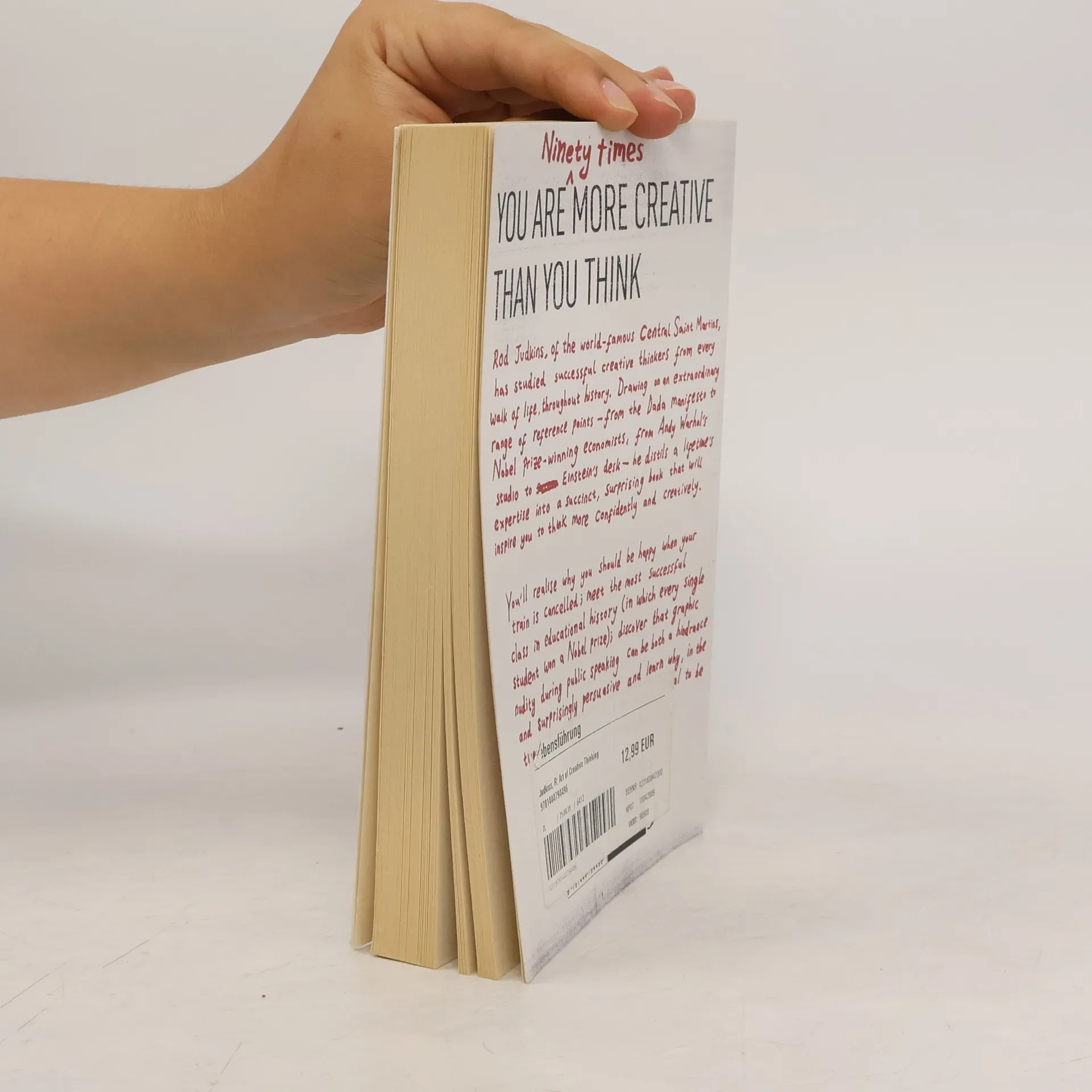
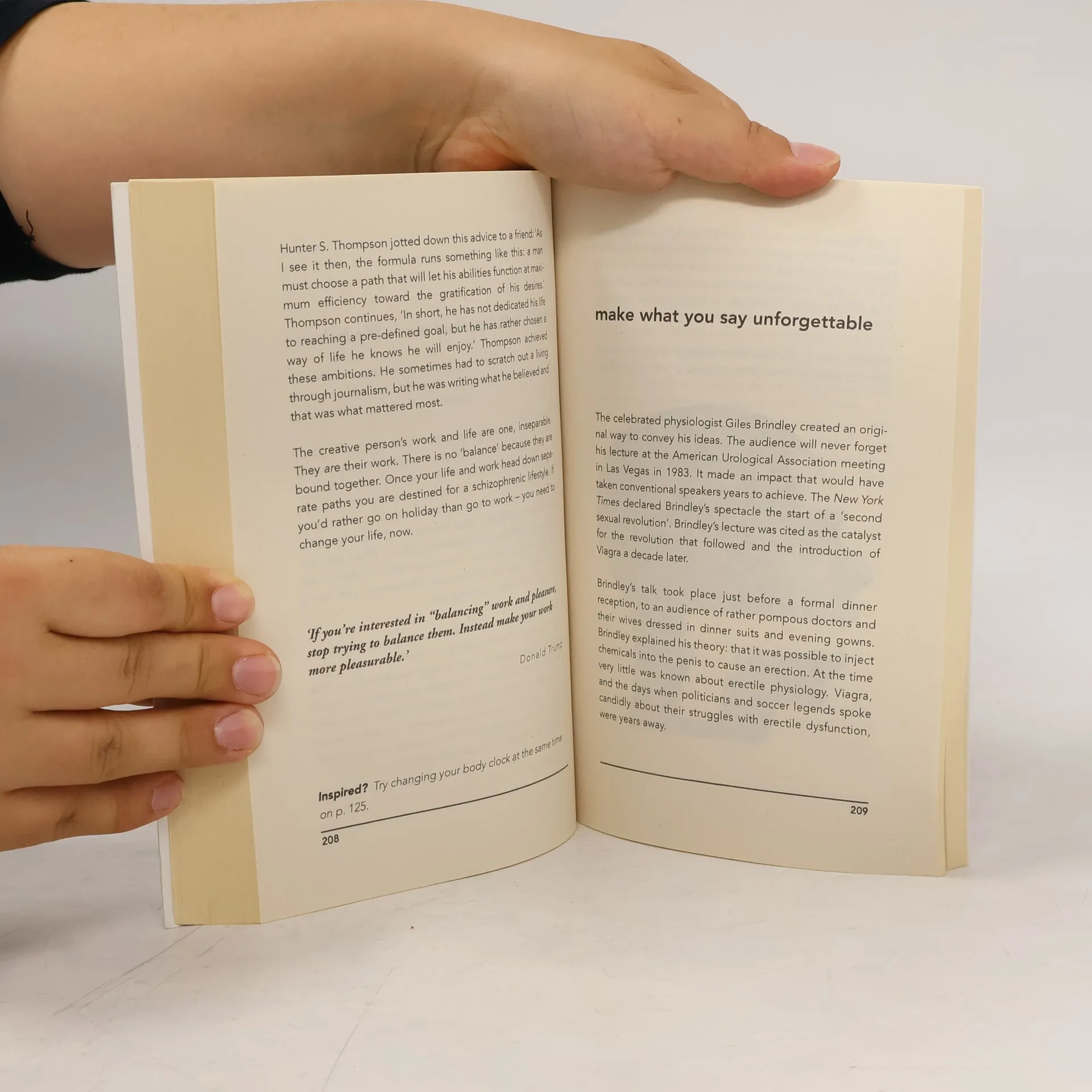
THE ART OF CREATIVE THINKING reveals how we can transform our businesses, our society and ourselves through a deeper understanding of human creativity. Rod Judkins, a lecturer in creativity at the world-famous St Martin's College of Art, will examine the behaviour of successful creative thinkers and explain how all of us can learn from them to improve our lives. Judkins will draw on an extraordinary range of reference points, from the Dada Manifesto to Andy Warhol's studio, via Steve Jobs, Nobel Prize winning economists and many others, and distil a lifetime's expertise into 90 succinct chapters. Along the way he shares the story of most successful class in educational history (in which every single student won a Nobel prize); shows why graphic nudity during public speaking can be both a curse and surprisingly persuasive; and reveals why, in the twenty-first century, it's technically illegal to be as good as good as Michelangelo.


Zakup książki
The art of creative thinking, Rod Judkins
- Język

- Rok wydania
- 2016
- Oprawa
- (miękka)
Metody płatności
Brakuje nam tutaj Twojej recenzji.
- Tytuł
- The art of creative thinking
- Język
- angielski
- Autorzy
- Rod Judkins
- Wydawca
- Sceptre
- Rok wydania
- 2016
- Oprawa
- miękka
- Liczba stron
- 288
- ISBN10
- 1444794493
- ISBN13
- 9781444794496
- Seria
- Ocena
- 4 z 5
- Opis
- THE ART OF CREATIVE THINKING reveals how we can transform our businesses, our society and ourselves through a deeper understanding of human creativity. Rod Judkins, a lecturer in creativity at the world-famous St Martin's College of Art, will examine the behaviour of successful creative thinkers and explain how all of us can learn from them to improve our lives. Judkins will draw on an extraordinary range of reference points, from the Dada Manifesto to Andy Warhol's studio, via Steve Jobs, Nobel Prize winning economists and many others, and distil a lifetime's expertise into 90 succinct chapters. Along the way he shares the story of most successful class in educational history (in which every single student won a Nobel prize); shows why graphic nudity during public speaking can be both a curse and surprisingly persuasive; and reveals why, in the twenty-first century, it's technically illegal to be as good as good as Michelangelo.