


Więcej o książce
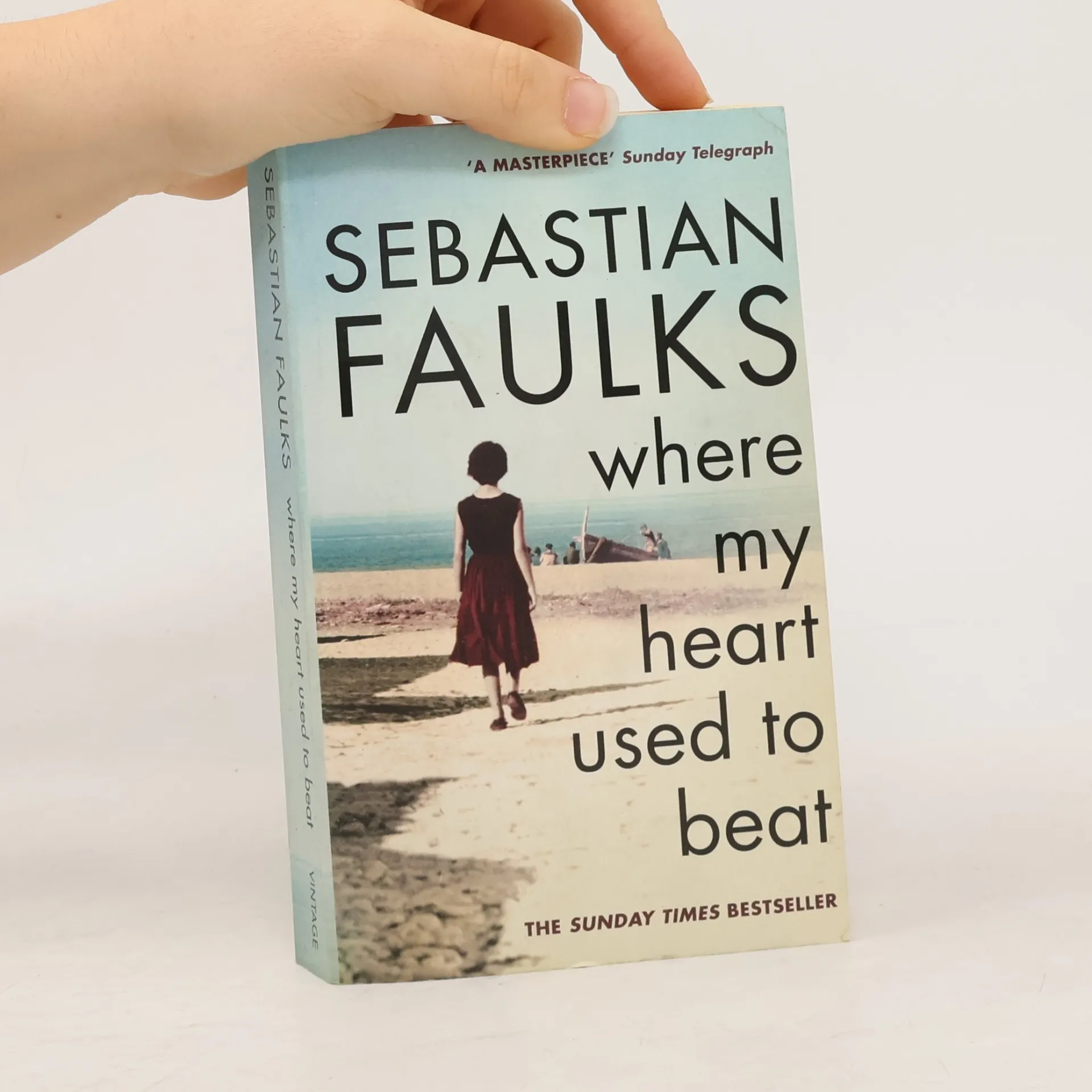
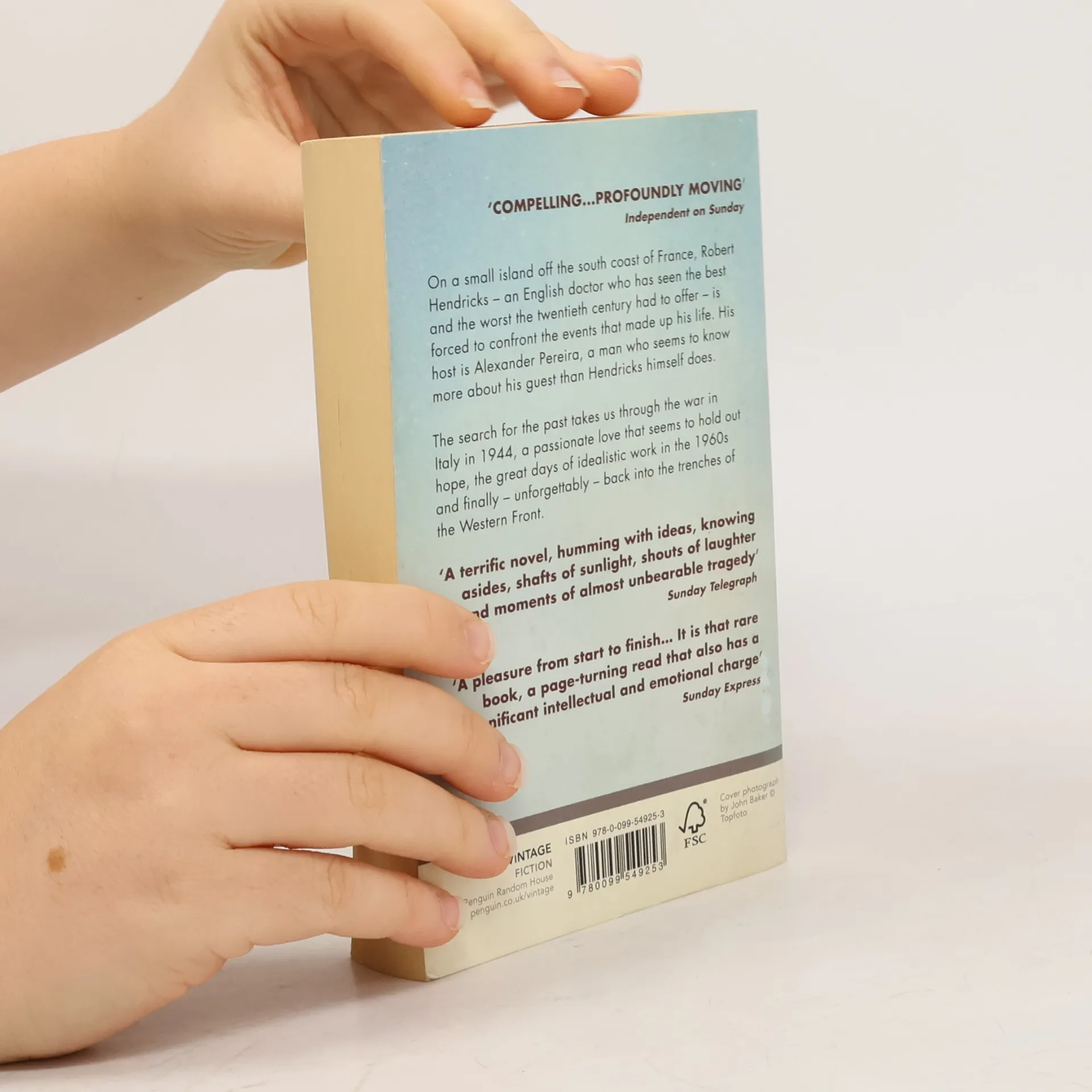
On a small island off the south coast of France, Robert Hendricks, an English doctor who has seen the best and the worst the twentieth century had to offer, is forced to confront the events that made up his life. His host, and antagonist, is Alexander Pereira, a man whose time is running out, but who seems to know more about his guest than Hendricks himself does. The search for sanity takes us through the war in Italy in 1944, a passionate love that seems to hold out hope, the great days of idealistic work in the 1960s and finally - unforgettably - back into the trenches of the Western Front. The recurring themes of Sebastian Faulks's fiction are brought together with a new stylistic brilliance as the novel casts a long, baleful light over the century we have left behind but may never fully understand. Daring, ambitious and in the end profoundly moving, this is Faulks's most remarkable book yet.





Zakup książki
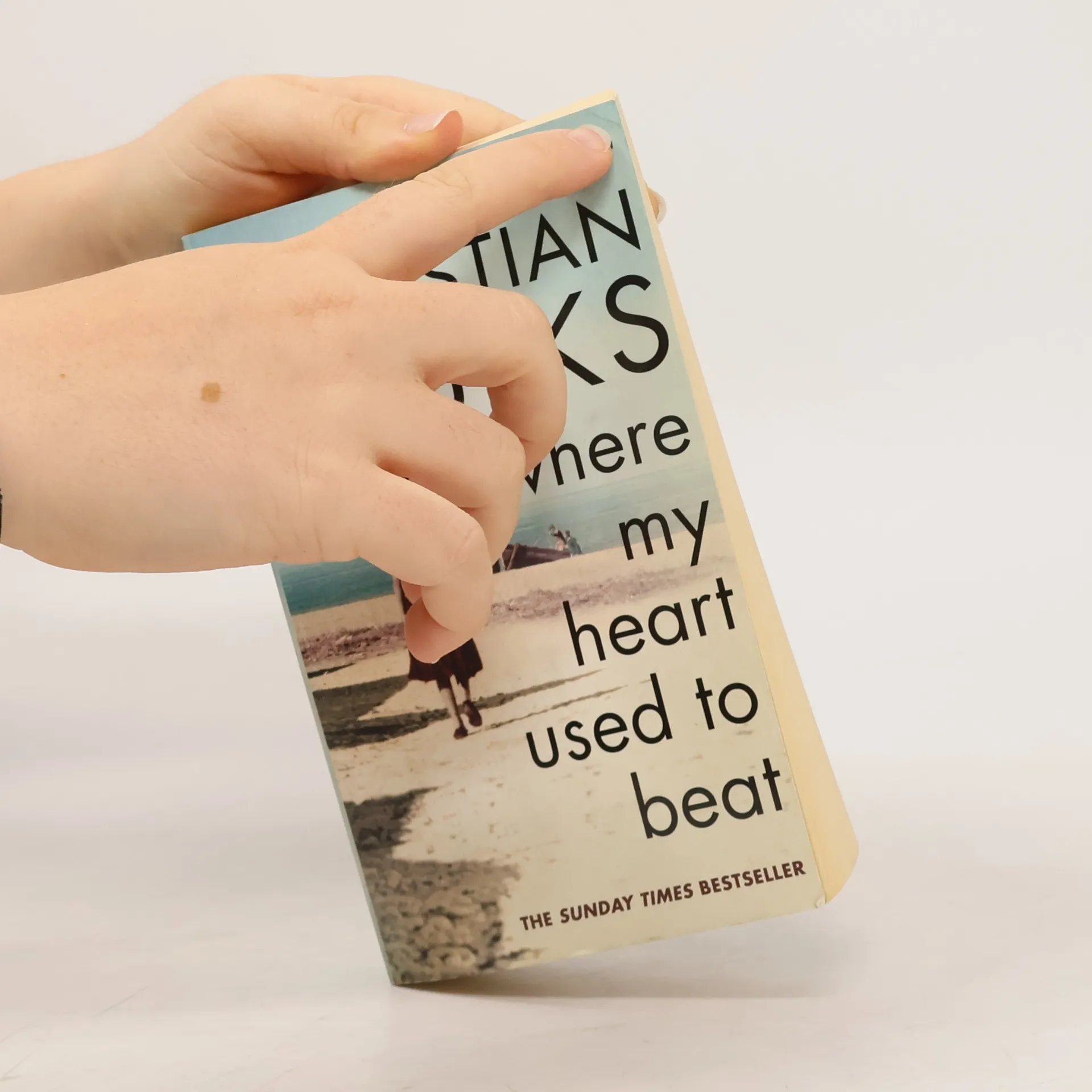
Where My Heart Used to Beat, Sebastian Faulks
- Język

- Rok wydania
- 2016
- Oprawa
- (miękka),
- Stan książki
- Uszkodzony
- Cena
- 12,30 zł
Metody płatności
Brakuje nam tutaj Twojej recenzji.
- Tytuł
- Where My Heart Used to Beat
- Język
- angielski
- Autorzy
- Sebastian Faulks
- Wydawca
- Random House UK
- Rok wydania
- 2016
- Oprawa
- miękka
- Liczba stron
- 336
- ISBN10
- 0099549255
- ISBN13
- 9780099549253
- Seria
- Kategorie
- Tagi
- Tematy historyczne, Miłość, Fikcja wojenna, Wojny, II Wojna Światowa, Południowa Europa, Włochy, Seksualność & Intymność, I Wojna Światowa, Rzym, Wyspy, Psychiatria, Romowie, Neurologia, Ludzki umysł
- Ocena
- 3,55 z 5
- Opis
- On a small island off the south coast of France, Robert Hendricks, an English doctor who has seen the best and the worst the twentieth century had to offer, is forced to confront the events that made up his life. His host, and antagonist, is Alexander Pereira, a man whose time is running out, but who seems to know more about his guest than Hendricks himself does. The search for sanity takes us through the war in Italy in 1944, a passionate love that seems to hold out hope, the great days of idealistic work in the 1960s and finally - unforgettably - back into the trenches of the Western Front. The recurring themes of Sebastian Faulks's fiction are brought together with a new stylistic brilliance as the novel casts a long, baleful light over the century we have left behind but may never fully understand. Daring, ambitious and in the end profoundly moving, this is Faulks's most remarkable book yet.