

Więcej o książce
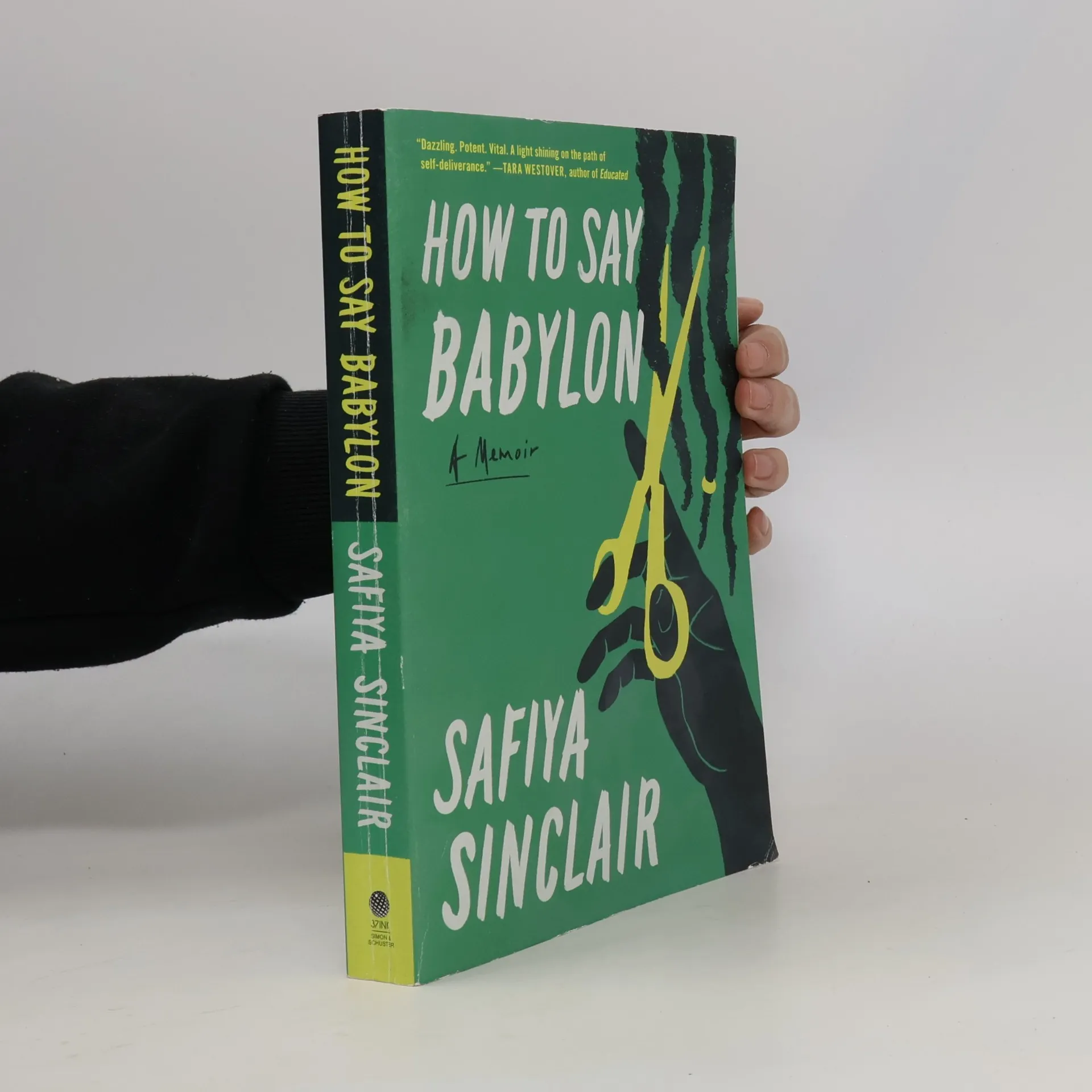
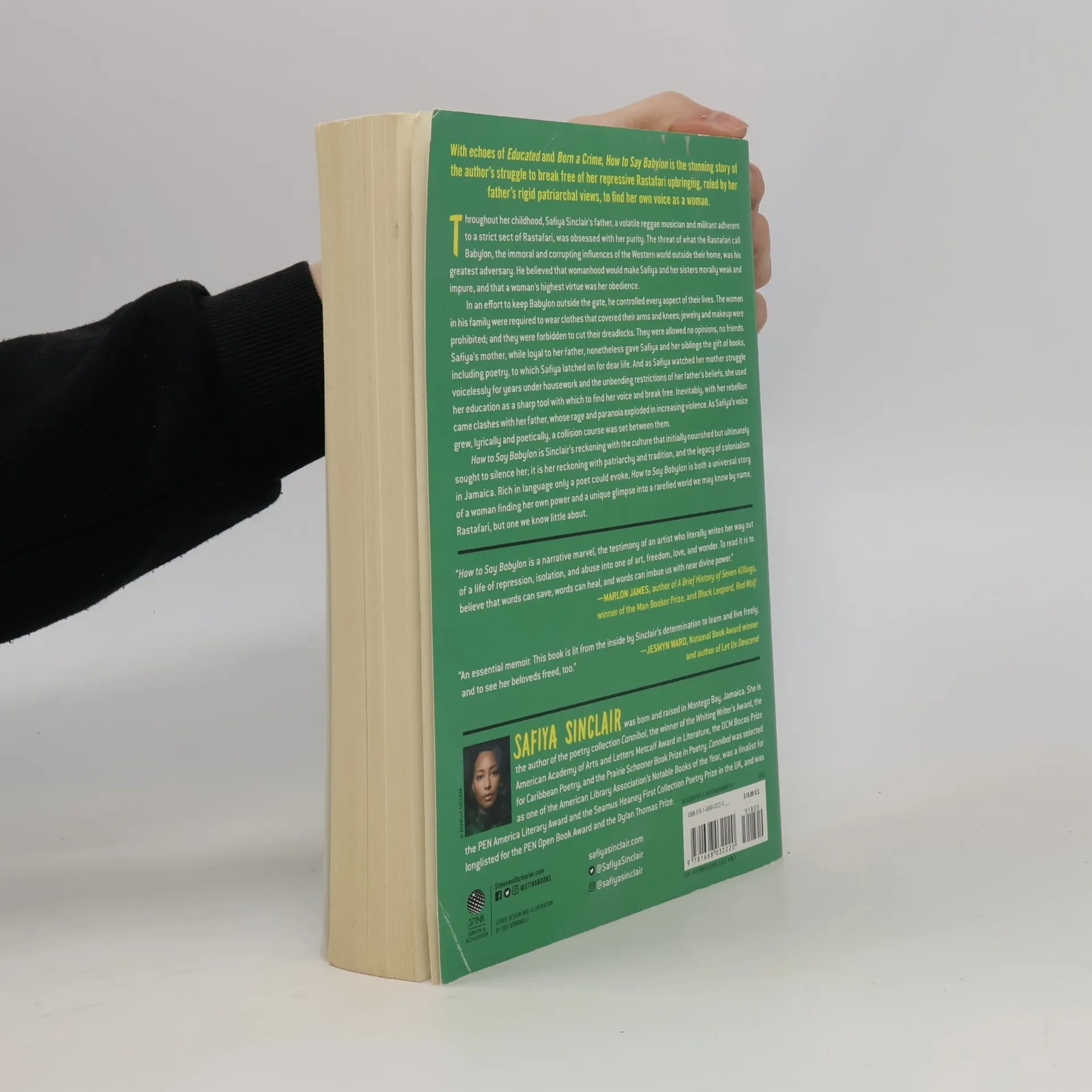
With echoes of Educated and Born a Crime, this stunning story chronicles the author's struggle to escape her rigid Rastafarian upbringing, dominated by her father's strict patriarchal views and oppressive control. Safiya Sinclair's father, a volatile reggae musician and militant Rastafarian, became fixated on her purity, fearing the corrupting influences of the outside world, referred to as Babylon. He believed that womanhood would weaken Safiya and her sisters, enforcing that a woman's highest virtue was obedience. To keep Babylon at bay, he imposed strict rules: the women wore long skirts and dresses, head wraps, and were prohibited from wearing makeup, jewelry, expressing opinions, or having friends. Despite her father's control, Safiya's mother, while loyal, gifted her children books, including poetry, which became a lifeline for Safiya. Witnessing her mother's silent struggle under her father's oppressive beliefs fueled Safiya's desire for education as a means to find her voice. As her rebellion intensifies, so do clashes with her father, whose rage escalates into violence. This narrative serves as Sinclair’s reckoning with the culture that both nurtured and sought to silence her, exploring themes of patriarchy, tradition, and the legacy of colonialism in Jamaica. Rich in poetic language, it offers a unique glimpse into the Rastafari world while telling a universal story of a woman reclaiming her power.


Zakup książki
How to Say Babylon, Safiya Sinclair
- Język

- Rok wydania
- 2023
- Oprawa
- (miękka),
- Stan książki
- Dobry
- Cena
- 57,99 zł
Metody płatności
Brakuje nam tutaj Twojej recenzji.
- Tytuł
- How to Say Babylon
- Język
- angielski
- Autorzy
- Safiya Sinclair
- Wydawca
- Simon & Schuster
- Rok wydania
- 2023
- Oprawa
- miękka
- ISBN10
- 1668032228
- ISBN13
- 9781668032220
- Seria
- Kategorie
- Tagi
- Tematy religijne, Feminizm
- Ocena
- 4,45 z 5
- Opis
- With echoes of Educated and Born a Crime, this stunning story chronicles the author's struggle to escape her rigid Rastafarian upbringing, dominated by her father's strict patriarchal views and oppressive control. Safiya Sinclair's father, a volatile reggae musician and militant Rastafarian, became fixated on her purity, fearing the corrupting influences of the outside world, referred to as Babylon. He believed that womanhood would weaken Safiya and her sisters, enforcing that a woman's highest virtue was obedience. To keep Babylon at bay, he imposed strict rules: the women wore long skirts and dresses, head wraps, and were prohibited from wearing makeup, jewelry, expressing opinions, or having friends. Despite her father's control, Safiya's mother, while loyal, gifted her children books, including poetry, which became a lifeline for Safiya. Witnessing her mother's silent struggle under her father's oppressive beliefs fueled Safiya's desire for education as a means to find her voice. As her rebellion intensifies, so do clashes with her father, whose rage escalates into violence. This narrative serves as Sinclair’s reckoning with the culture that both nurtured and sought to silence her, exploring themes of patriarchy, tradition, and the legacy of colonialism in Jamaica. Rich in poetic language, it offers a unique glimpse into the Rastafari world while telling a universal story of a woman reclaiming her power.