

Więcej o książce
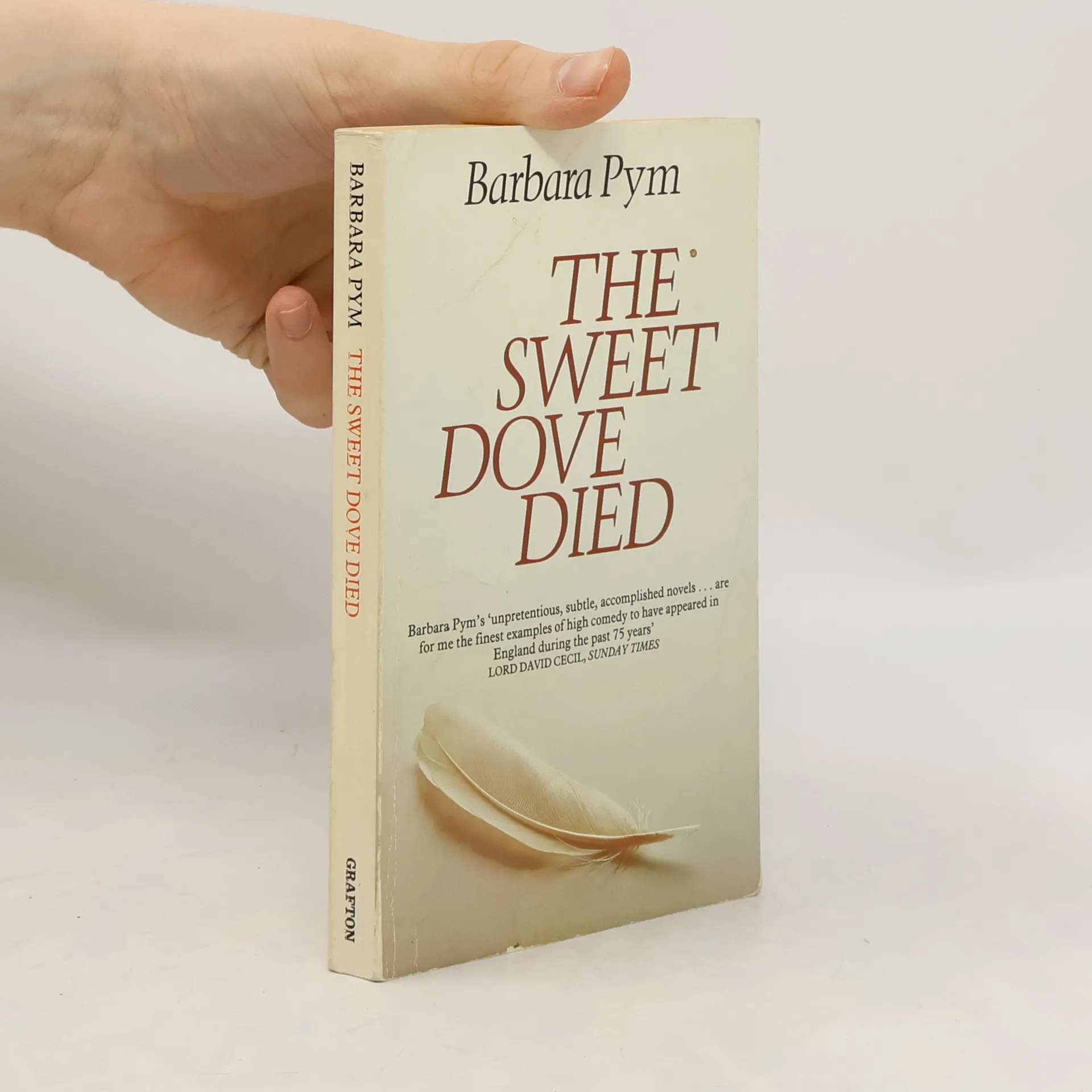
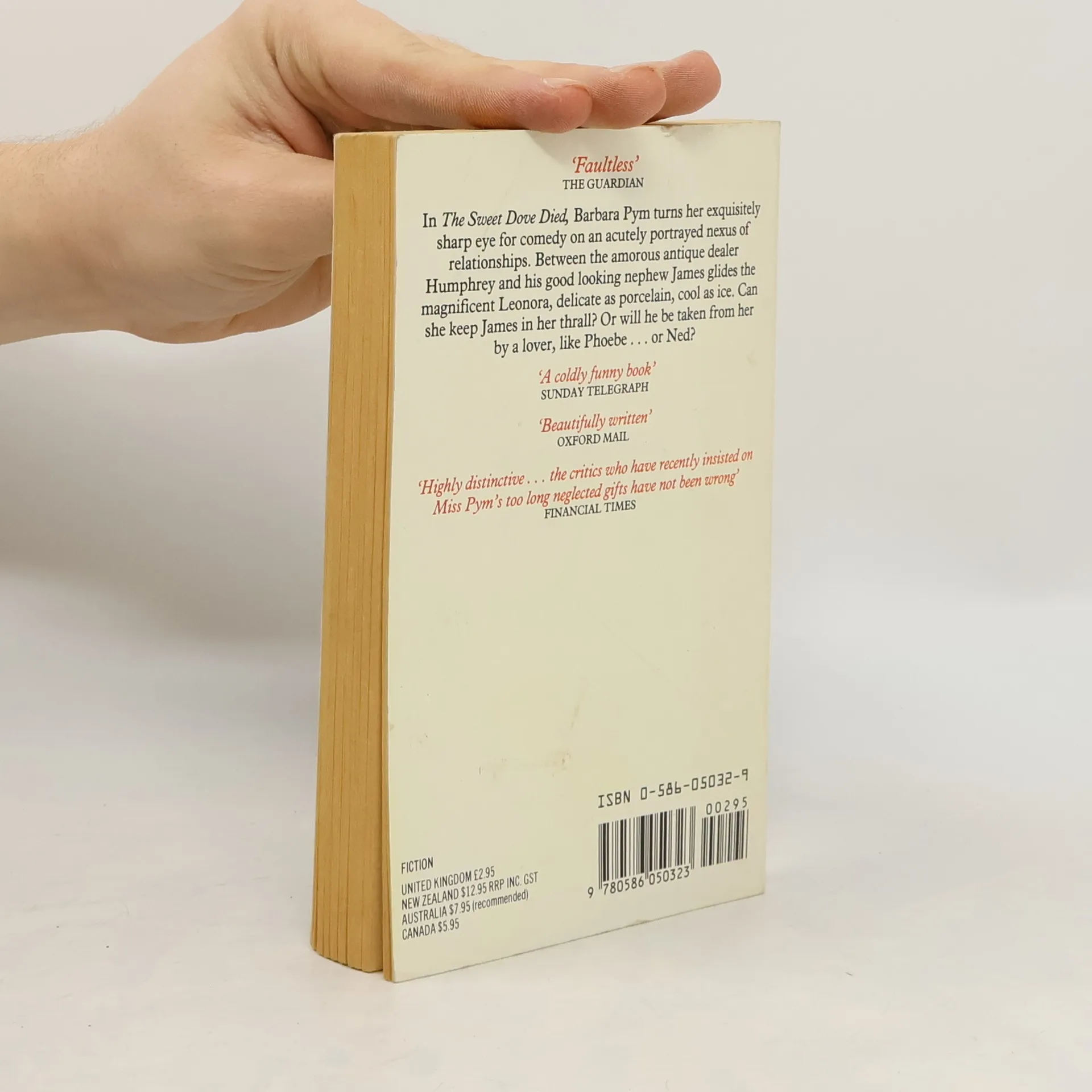
Over Barbara Pym's 30-year writing career her primary subject was the intricate rituals of English life, which she observed with a sharp but understanding eye. Her novels now enjoy a devoted following and belated recognition as classics of the British comic novel. In The Sweet Dove Died , first published in 1978, she sardonically uncovers the sometimes troubling truths behind relationships. A chance encounter over a Victorian flower book brings together Humphrey, an antique dealer, James, his nephew, and Leonora. Although she is considerably older, Leonora develops a fondness for James. She's determined to keep him under her spell, until she realizes that she has to contend with the bookish Phoebe. When Ned, a wicked young American, appears on the scene, the book begins to live up to its droll title, taken from John Keats.




Zakup książki
The Sweet Dove Died, Barbara Pym
- Język

- Rok wydania
- 1980
- Oprawa
- (miękka)
Metody płatności
Brakuje nam tutaj Twojej recenzji.
- Tytuł
- The Sweet Dove Died
- Język
- angielski
- Autorzy
- Barbara Pym
- Wydawca
- Grafton
- Rok wydania
- 1980
- Oprawa
- miękka
- Liczba stron
- 188
- ISBN10
- 0586050329
- ISBN13
- 9780586050323
- Seria
- Ocena
- 3,75 z 5
- Opis
- Over Barbara Pym's 30-year writing career her primary subject was the intricate rituals of English life, which she observed with a sharp but understanding eye. Her novels now enjoy a devoted following and belated recognition as classics of the British comic novel. In The Sweet Dove Died , first published in 1978, she sardonically uncovers the sometimes troubling truths behind relationships. A chance encounter over a Victorian flower book brings together Humphrey, an antique dealer, James, his nephew, and Leonora. Although she is considerably older, Leonora develops a fondness for James. She's determined to keep him under her spell, until she realizes that she has to contend with the bookish Phoebe. When Ned, a wicked young American, appears on the scene, the book begins to live up to its droll title, taken from John Keats.