

Więcej o książce
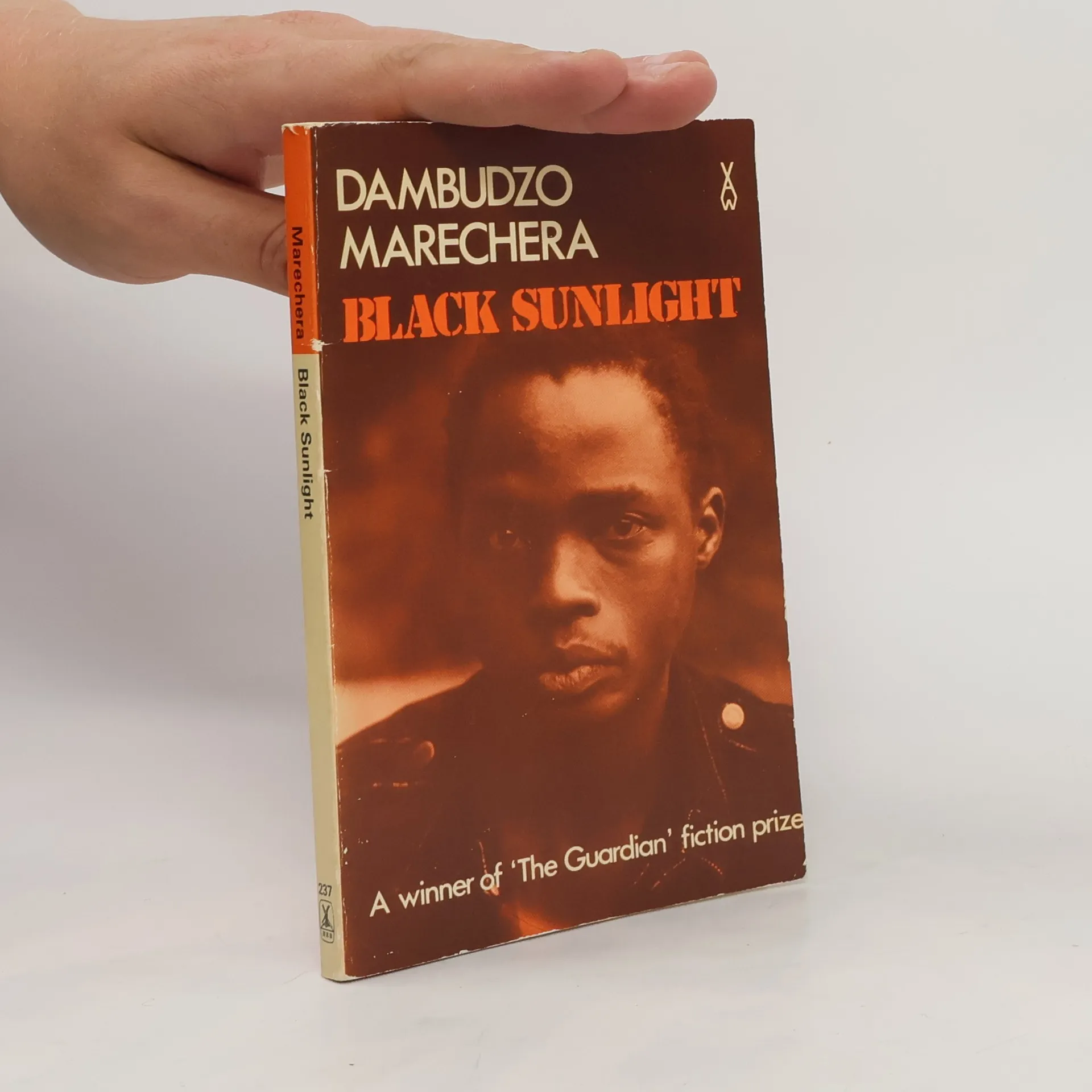
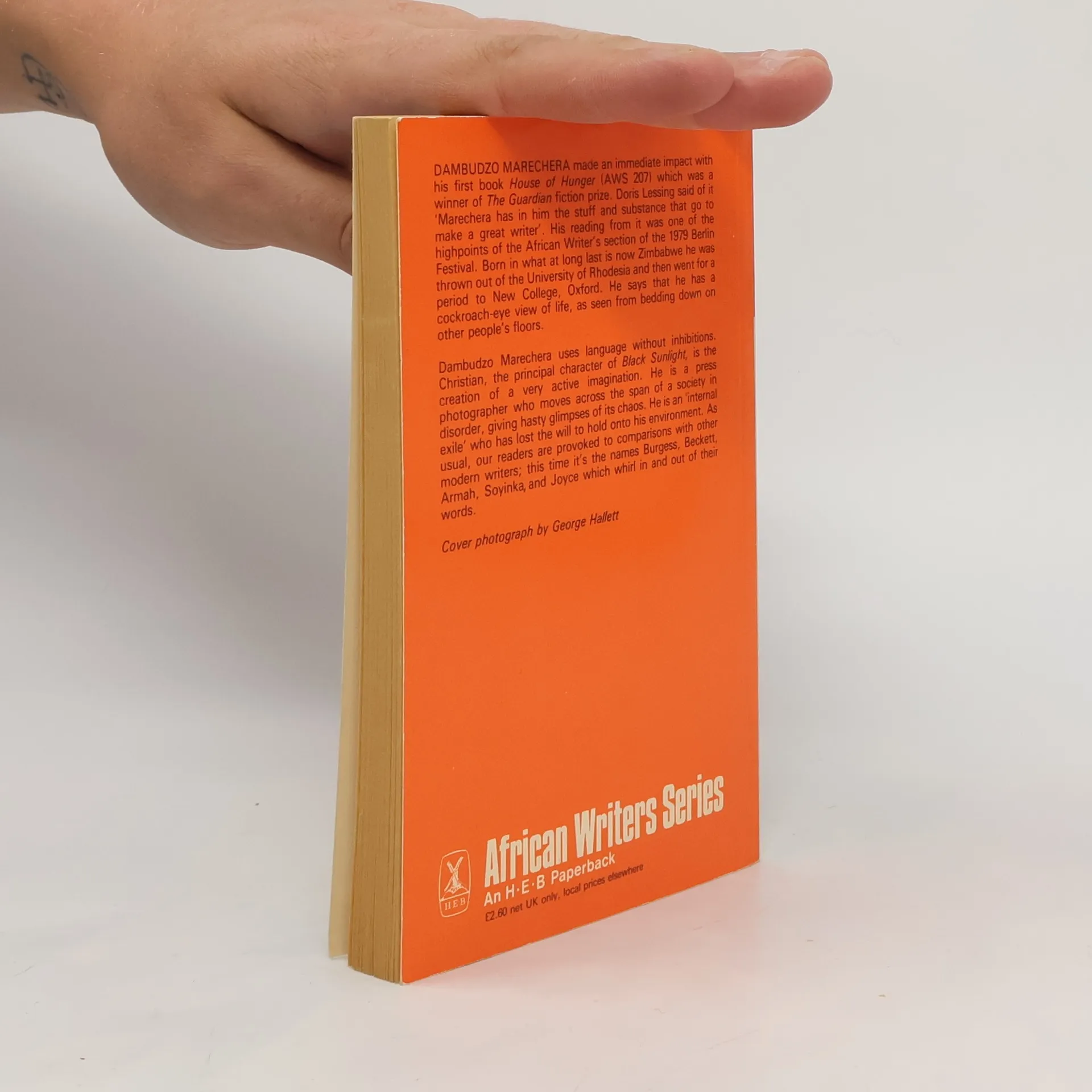
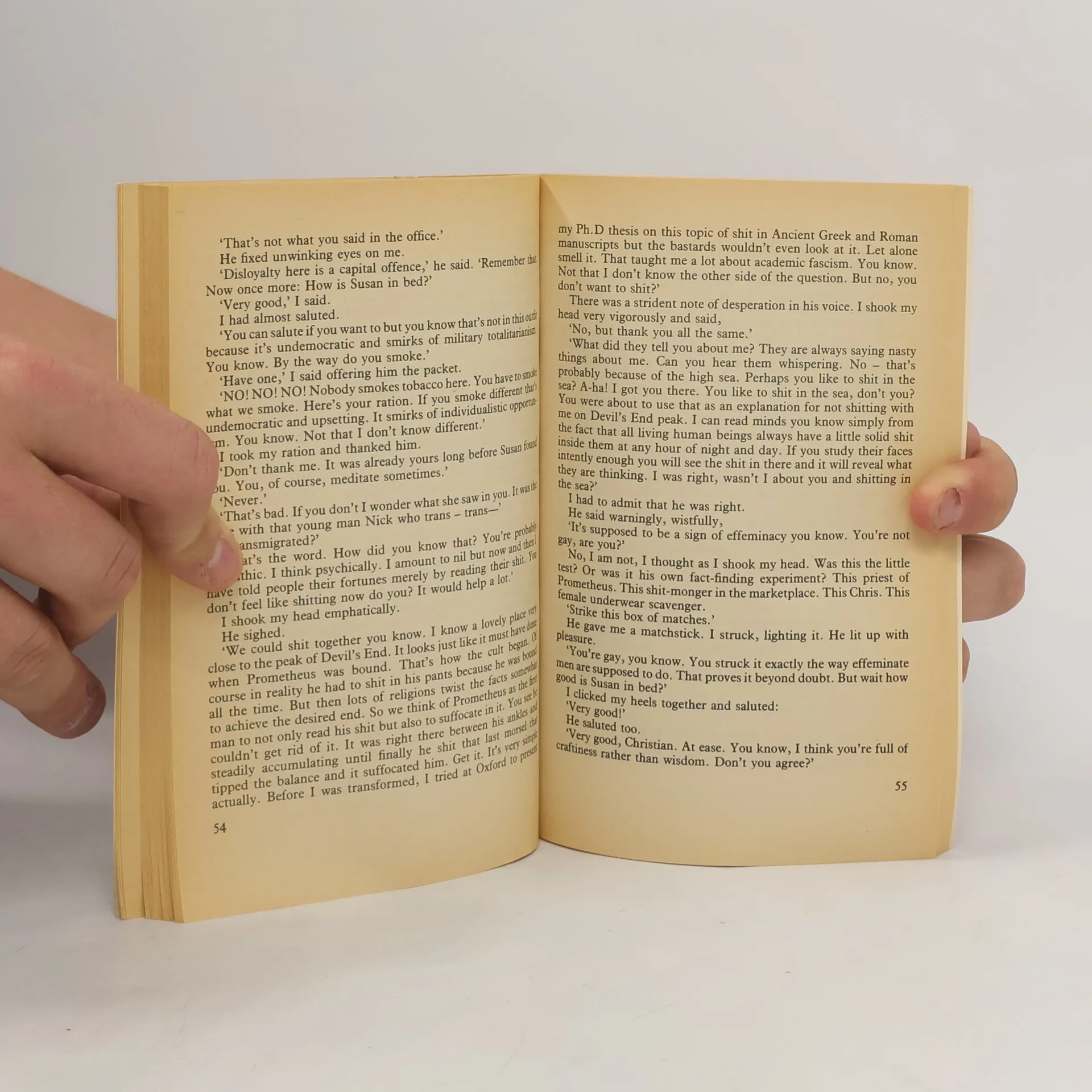
"House of Hunger" not only won The Guardian fiction prize but stunned the imagination of readers with its view of the slums of colonial Salisbury. "Black Sunlight" gives a similar cockroach-eye view of London.“I really tried to put terrorism into a historical perspective, neither applauding their acts nor condemning them. The photographer does not take sides; he just takes the press photographs.” In an unspecified setting the stream-of-consciousness narrative of this cult novel traces the fortunes of a group of anarchists in revolt against a military-fascist-capitalist opposition. The protagonist is photojournalist Chris, whose camera lens becomes the device through which the plot is cleverly unraveled. In Dambudzo Marechera’s second experimental novel, he parodies African nationalist and racial identifications as part of an argument that notions of an ‘essential African identity’ were often invoked to authorize a number of totalitarian regimes across Africa. Such irreverent, avant-garde literature was criticized upon publication in Zimbabwe in 1980, and Black Sunlight was banned on charges of ‘Euromodernism’ and as a challenge to the concept of nation-building in the newly independent country.


Zakup książki
Black Sunlight, Dambudzo Marechera
- Język

- Rok wydania
- 1980
- Oprawa
- (miękka)
Metody płatności
Brakuje nam tutaj Twojej recenzji.
- Tytuł
- Black Sunlight
- Język
- angielski
- Autorzy
- Dambudzo Marechera
- Wydawca
- Heinemann
- Rok wydania
- 1980
- Oprawa
- miękka
- Liczba stron
- 128
- ISBN10
- 0435902377
- ISBN13
- 9780435902377
- Seria
- Kategorie
- Ocena
- 4,1 z 5
- Opis
- "House of Hunger" not only won The Guardian fiction prize but stunned the imagination of readers with its view of the slums of colonial Salisbury. "Black Sunlight" gives a similar cockroach-eye view of London.“I really tried to put terrorism into a historical perspective, neither applauding their acts nor condemning them. The photographer does not take sides; he just takes the press photographs.” In an unspecified setting the stream-of-consciousness narrative of this cult novel traces the fortunes of a group of anarchists in revolt against a military-fascist-capitalist opposition. The protagonist is photojournalist Chris, whose camera lens becomes the device through which the plot is cleverly unraveled. In Dambudzo Marechera’s second experimental novel, he parodies African nationalist and racial identifications as part of an argument that notions of an ‘essential African identity’ were often invoked to authorize a number of totalitarian regimes across Africa. Such irreverent, avant-garde literature was criticized upon publication in Zimbabwe in 1980, and Black Sunlight was banned on charges of ‘Euromodernism’ and as a challenge to the concept of nation-building in the newly independent country.