

Więcej o książce
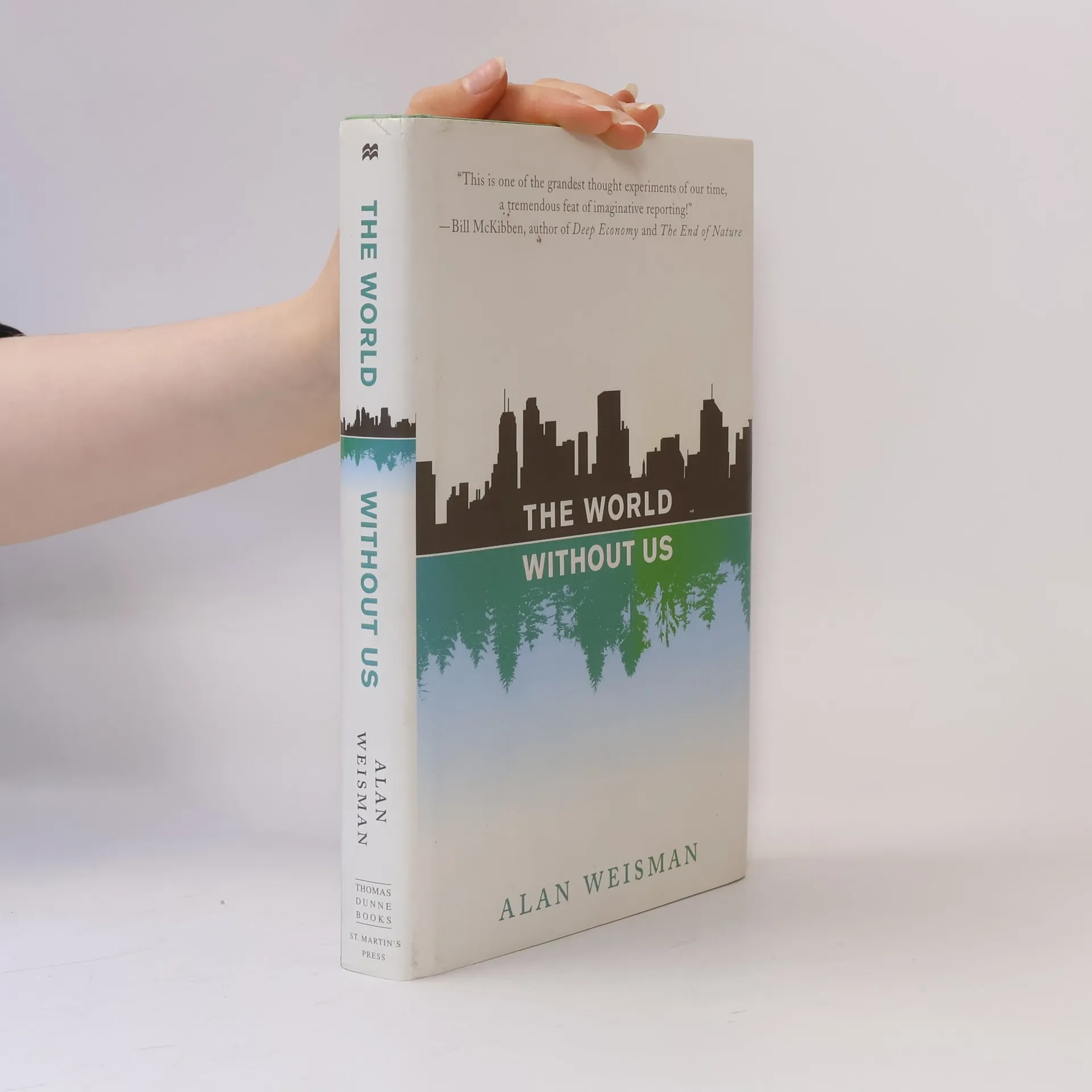
Journalist Weisman offers an original approach to questions of humanity's impact on the planet. Drawing on the expertise of engineers, atmospheric scientists, art conservators, zoologists, oil refiners, marine biologists, astrophysicists, religious leaders, and paleontologists, he illustrates what the planet might be like today if humans disappeared. He explains how our massive infrastructure would collapse and finally vanish without human presence; which everyday items may become immortalized as fossils; how copper pipes and wiring would be crushed into mere seams of reddish rock; why some of our earliest buildings might be the last architecture left; and how plastic, bronze sculpture, radio waves, and some man-made molecules may be our most lasting gifts to the universe. As he shows which human devastations are indelible, and which examples of our highest art and culture would endure longest, Weisman's narrative ultimately drives toward a radical but persuasive solution that needn't depend on our demise.--From publisher description.




Zakup książki
The World Without Us, Alan Weisman, Bill McKibben
- Język

- Rok wydania
- 2007
- Oprawa
- (twarda)
Metody płatności
Brakuje nam tutaj Twojej recenzji.
- Tytuł
- The World Without Us
- Język
- angielski
- Autorzy
- Alan Weisman, Bill McKibben
- Rok wydania
- 2007
- Oprawa
- twarda
- Liczba stron
- 324
- ISBN10
- 0312347294
- ISBN13
- 9780312347291
- Seria
- Pierwsze wydanie
- 2007
- Oryginalna nazwa
- The World Without Us
- Ocena
- 3,85 z 5
- Opis
- Journalist Weisman offers an original approach to questions of humanity's impact on the planet. Drawing on the expertise of engineers, atmospheric scientists, art conservators, zoologists, oil refiners, marine biologists, astrophysicists, religious leaders, and paleontologists, he illustrates what the planet might be like today if humans disappeared. He explains how our massive infrastructure would collapse and finally vanish without human presence; which everyday items may become immortalized as fossils; how copper pipes and wiring would be crushed into mere seams of reddish rock; why some of our earliest buildings might be the last architecture left; and how plastic, bronze sculpture, radio waves, and some man-made molecules may be our most lasting gifts to the universe. As he shows which human devastations are indelible, and which examples of our highest art and culture would endure longest, Weisman's narrative ultimately drives toward a radical but persuasive solution that needn't depend on our demise.--From publisher description.