

Ocena książki
Więcej o książce
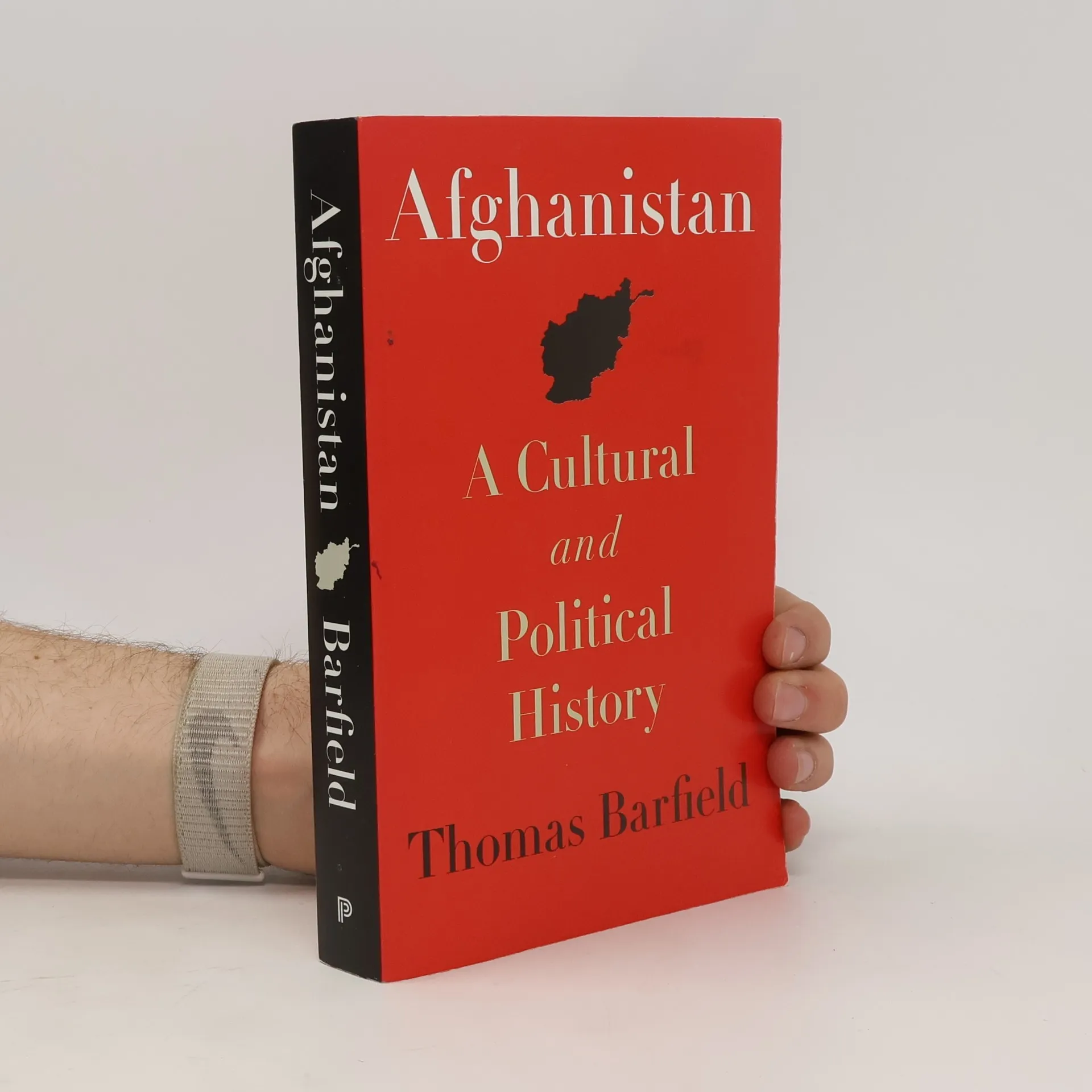
This major history explores Afghanistan's tumultuous political landscape from the sixteenth century Mughal Empire to the current Taliban resurgence. The author delves into the country's complex tapestry of tribal and ethnic groups, highlighting their shared identity as Afghans despite significant regional and cultural differences. The text illustrates how governance was manageable under a concentrated dynastic elite, but this stability eroded in the nineteenth and twentieth centuries as rulers mobilized rural militias against British and Soviet forces. While armed insurgency effectively expelled foreign occupiers, it simultaneously weakened the Afghan government's authority, complicating governance over time. The narrative vividly recounts the descent into civil war, leading to Taliban rule and Afghanistan's global isolation. It also analyzes the swift American invasion post-September 11, which toppled the Taliban and misled the U.S. into believing that establishing a stable state would be straightforward. This examination is crucial for understanding how Afghanistan, long dominated by foreign powers, became a graveyard for empires and offers insights into what the United States must consider to avoid a similar outcome.



Zakup książki
Princeton Studies in Muslim Politics: Afghanistan, Thomas Barfield
- Język

- Rok wydania
- 2010
- Oprawa
- (miękka)
Metody płatności
Brakuje nam tutaj Twojej recenzji.
- Tytuł
- Princeton Studies in Muslim Politics: Afghanistan
- Podtytuł
- A Cultural and Political History
- Język
- angielski
- Autorzy
- Thomas Barfield
- Wydawca
- Princeton University Press
- Rok wydania
- 2010
- Oprawa
- miękka
- Liczba stron
- 408
- ISBN10
- 0691154414
- ISBN13
- 9780691154411
- Seria
- Kategorie
- Tagi
- Tematy historyczne, Polityka, Azja
- Ocena
- 4,05 z 5
- Opis
- This major history explores Afghanistan's tumultuous political landscape from the sixteenth century Mughal Empire to the current Taliban resurgence. The author delves into the country's complex tapestry of tribal and ethnic groups, highlighting their shared identity as Afghans despite significant regional and cultural differences. The text illustrates how governance was manageable under a concentrated dynastic elite, but this stability eroded in the nineteenth and twentieth centuries as rulers mobilized rural militias against British and Soviet forces. While armed insurgency effectively expelled foreign occupiers, it simultaneously weakened the Afghan government's authority, complicating governance over time. The narrative vividly recounts the descent into civil war, leading to Taliban rule and Afghanistan's global isolation. It also analyzes the swift American invasion post-September 11, which toppled the Taliban and misled the U.S. into believing that establishing a stable state would be straightforward. This examination is crucial for understanding how Afghanistan, long dominated by foreign powers, became a graveyard for empires and offers insights into what the United States must consider to avoid a similar outcome.