

Parametry
- 224 strony
- 8 godzin czytania
Więcej o książce
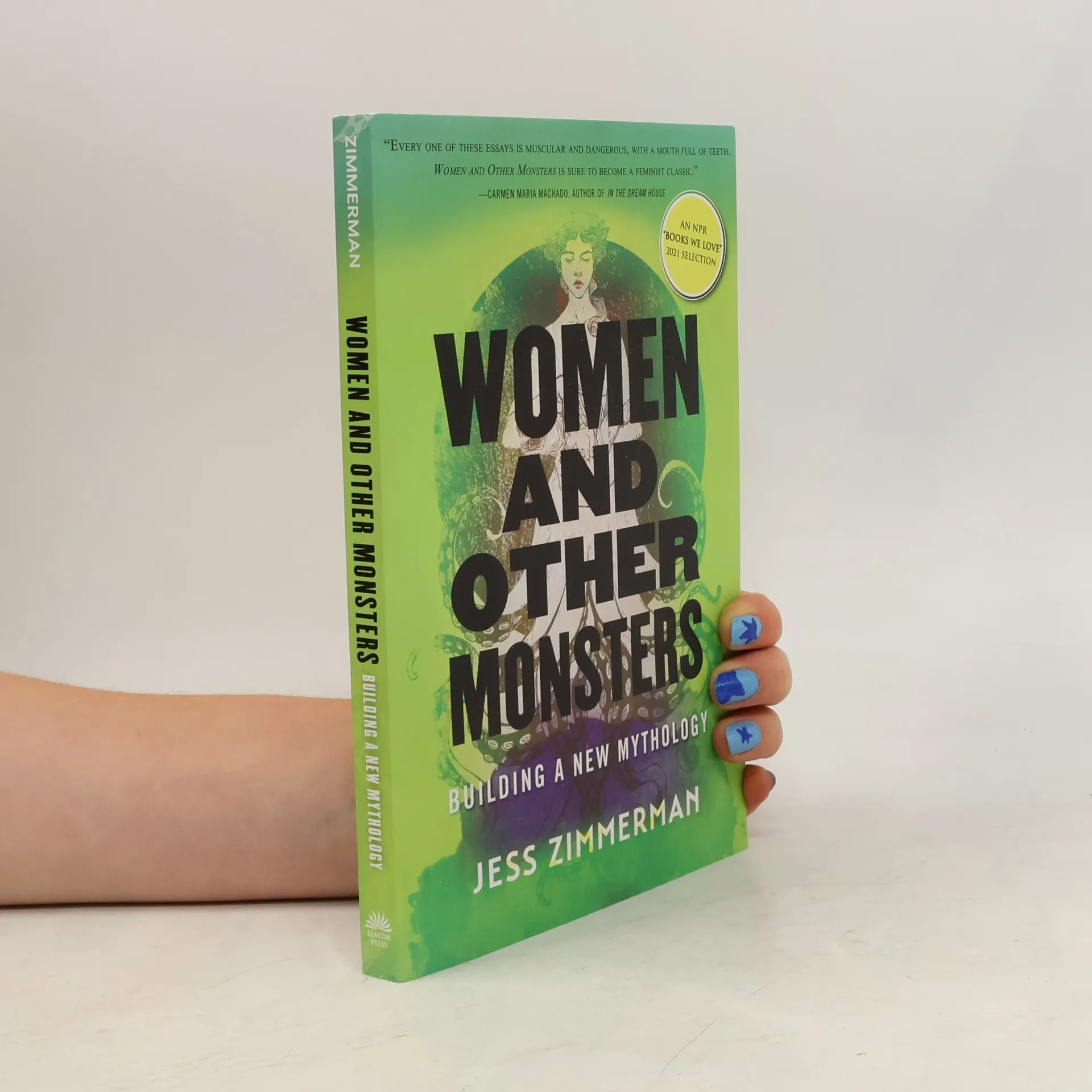
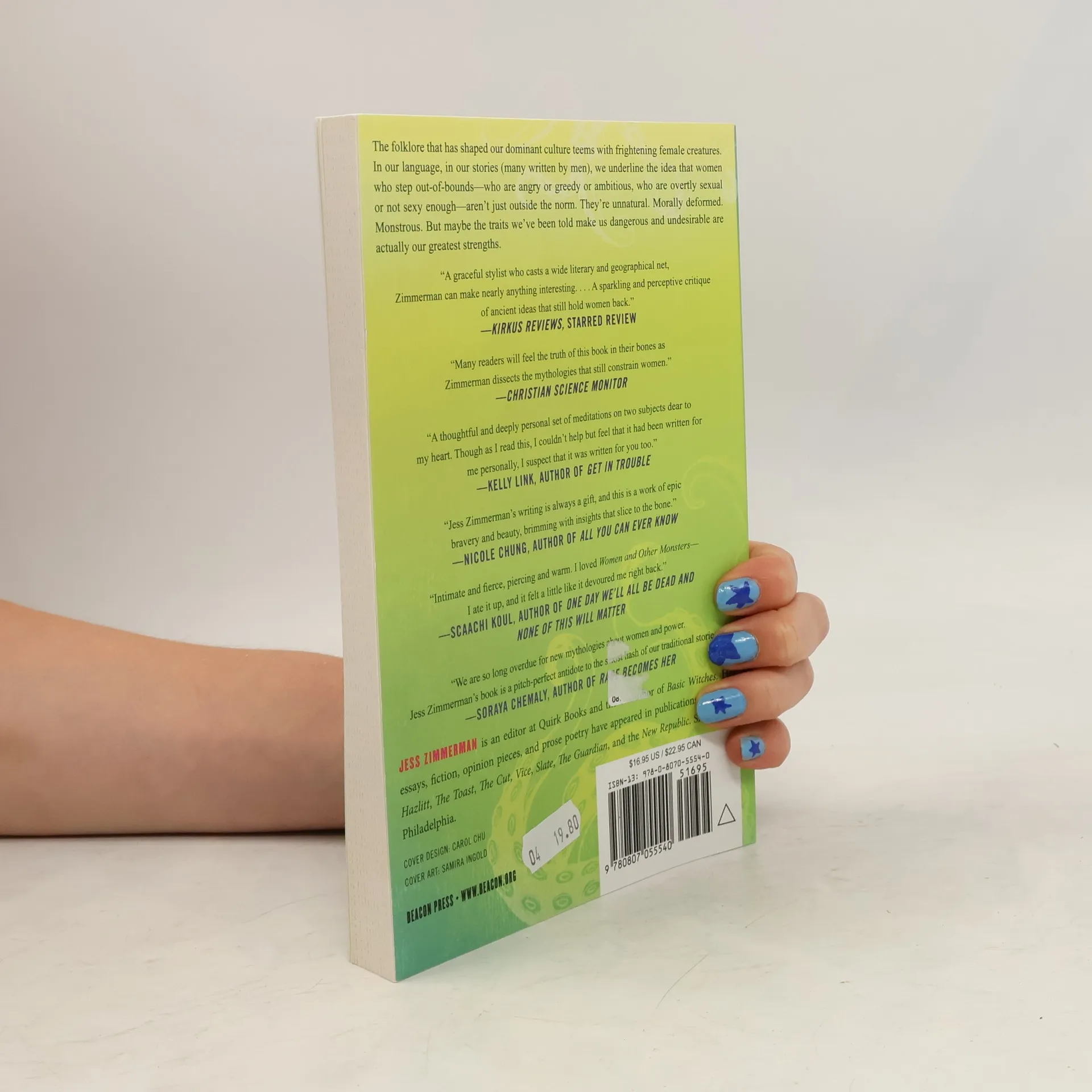
This cultural analysis explores female monsters from Greek mythology, encouraging women to reclaim these narratives as a source of inspiration for a more wild and "monstrous" feminism. The folklore that shapes our culture is filled with frightening female figures, often portrayed in ways that suggest women who defy norms—whether through anger, ambition, or sexuality—are unnatural and monstrous. However, the traits deemed dangerous may actually be women's greatest strengths. Through an examination of eleven female monsters, including Medusa and the Harpies, the author offers a feminist perspective on mythology, urging women to reassess their relationships with qualities like hunger, anger, and ambition. This journey reveals a new image of the female hero, one that embodies monstrous traits with agency and power. Often, women suppress their "monstrous" qualities to conform to societal expectations of femininity. Yet, monsters possess the freedom that other female archetypes lack; they can be complete, unrestrained, and larger than life. As awareness grows regarding the limitations imposed by social norms, women are increasingly ready to embrace their fearsome and ravenous sides, rejecting compliance in favor of empowerment.


Zakup książki
Women and Other Monsters, Jaya Saxena, Jess Zimmerman
- Język

- Rok wydania
- 2022
- Oprawa
- (miękka)
Metody płatności
Brakuje nam tutaj Twojej recenzji.
- Tytuł
- Women and Other Monsters
- Język
- angielski
- Autorzy
- Jaya Saxena, Jess Zimmerman
- Wydawca
- Beacon Press
- Rok wydania
- 2022
- Oprawa
- miękka
- Liczba stron
- 224
- ISBN10
- 0807055549
- ISBN13
- 9780807055540
- Seria
- Kategorie
- Ocena
- 3,75 z 5
- Opis
- This cultural analysis explores female monsters from Greek mythology, encouraging women to reclaim these narratives as a source of inspiration for a more wild and "monstrous" feminism. The folklore that shapes our culture is filled with frightening female figures, often portrayed in ways that suggest women who defy norms—whether through anger, ambition, or sexuality—are unnatural and monstrous. However, the traits deemed dangerous may actually be women's greatest strengths. Through an examination of eleven female monsters, including Medusa and the Harpies, the author offers a feminist perspective on mythology, urging women to reassess their relationships with qualities like hunger, anger, and ambition. This journey reveals a new image of the female hero, one that embodies monstrous traits with agency and power. Often, women suppress their "monstrous" qualities to conform to societal expectations of femininity. Yet, monsters possess the freedom that other female archetypes lack; they can be complete, unrestrained, and larger than life. As awareness grows regarding the limitations imposed by social norms, women are increasingly ready to embrace their fearsome and ravenous sides, rejecting compliance in favor of empowerment.