

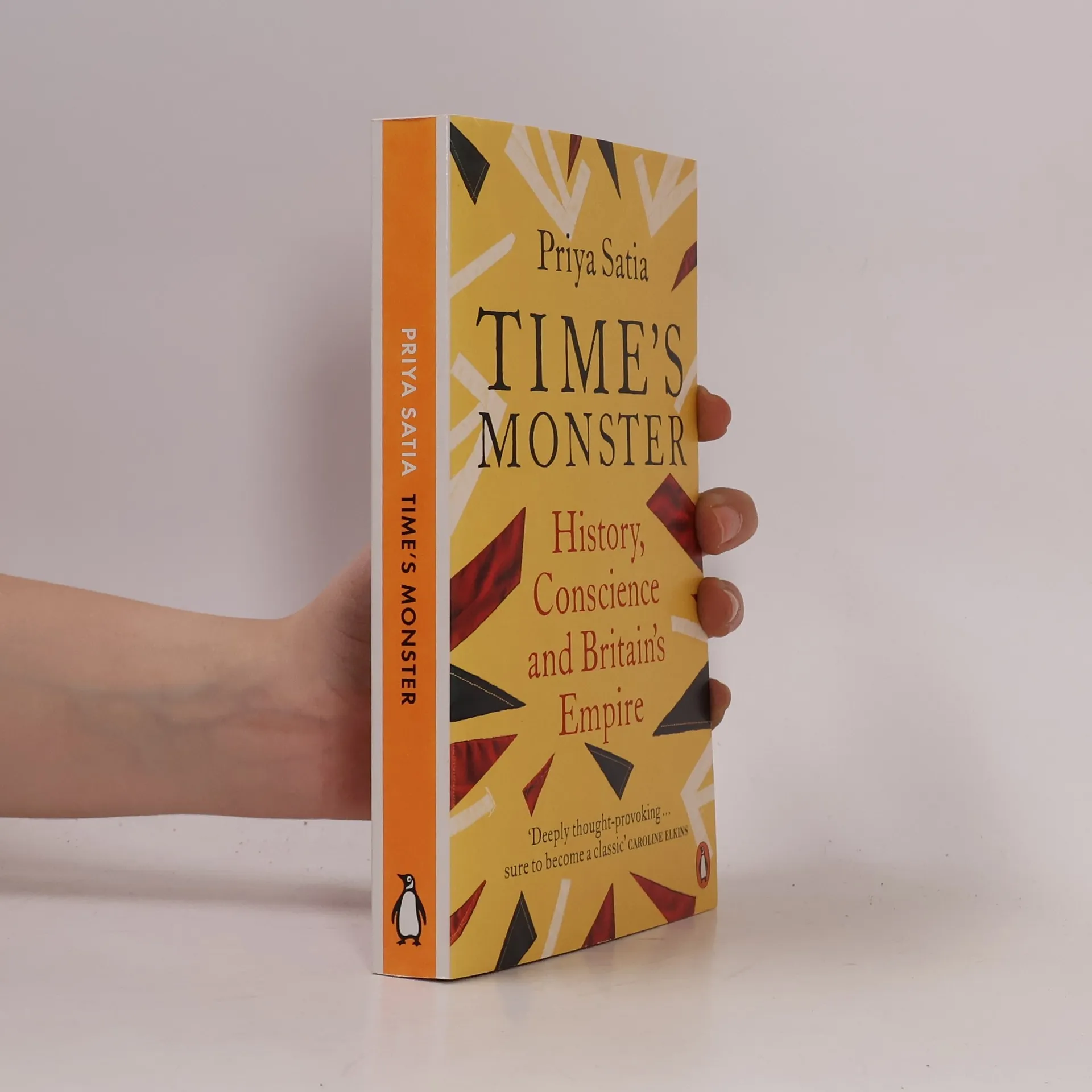
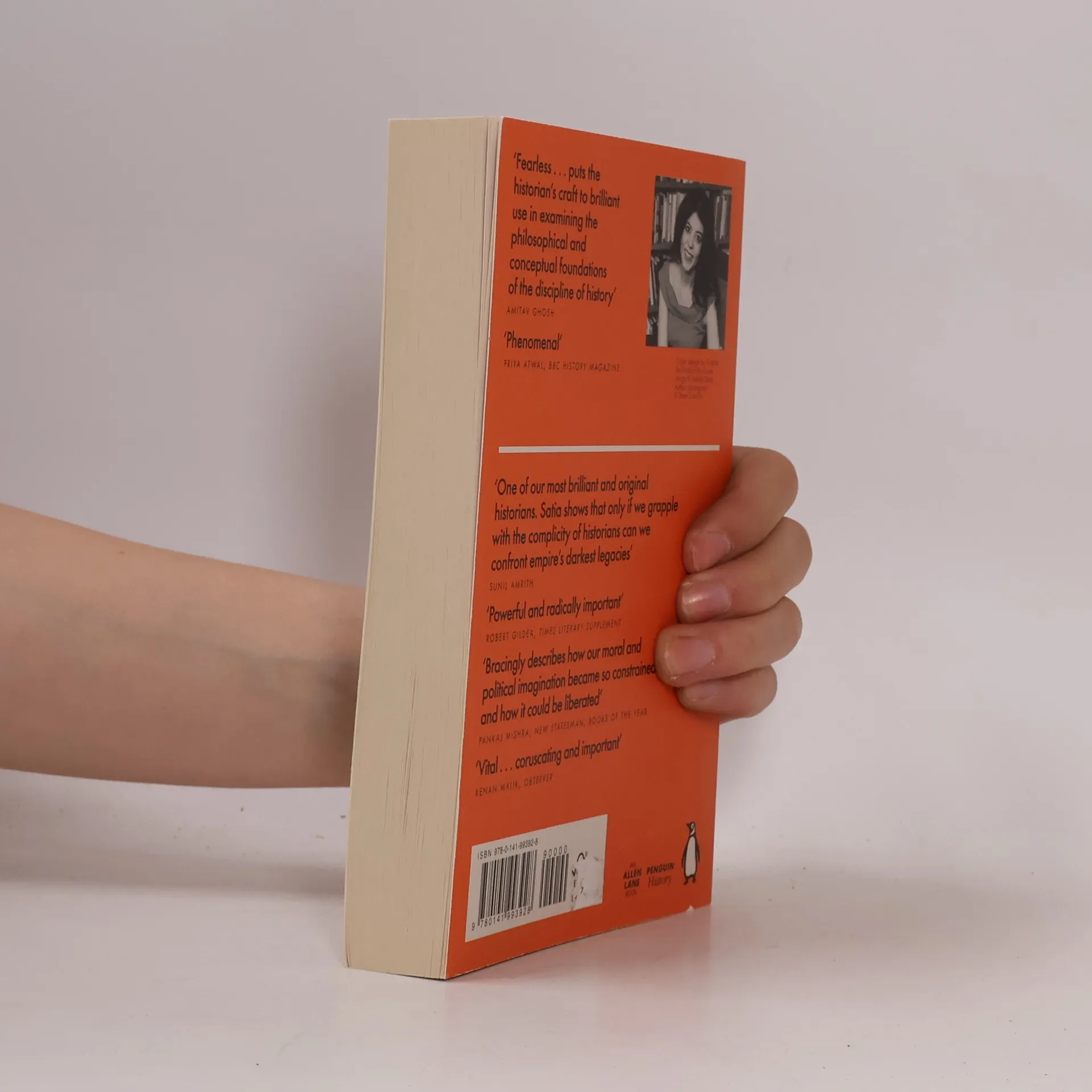
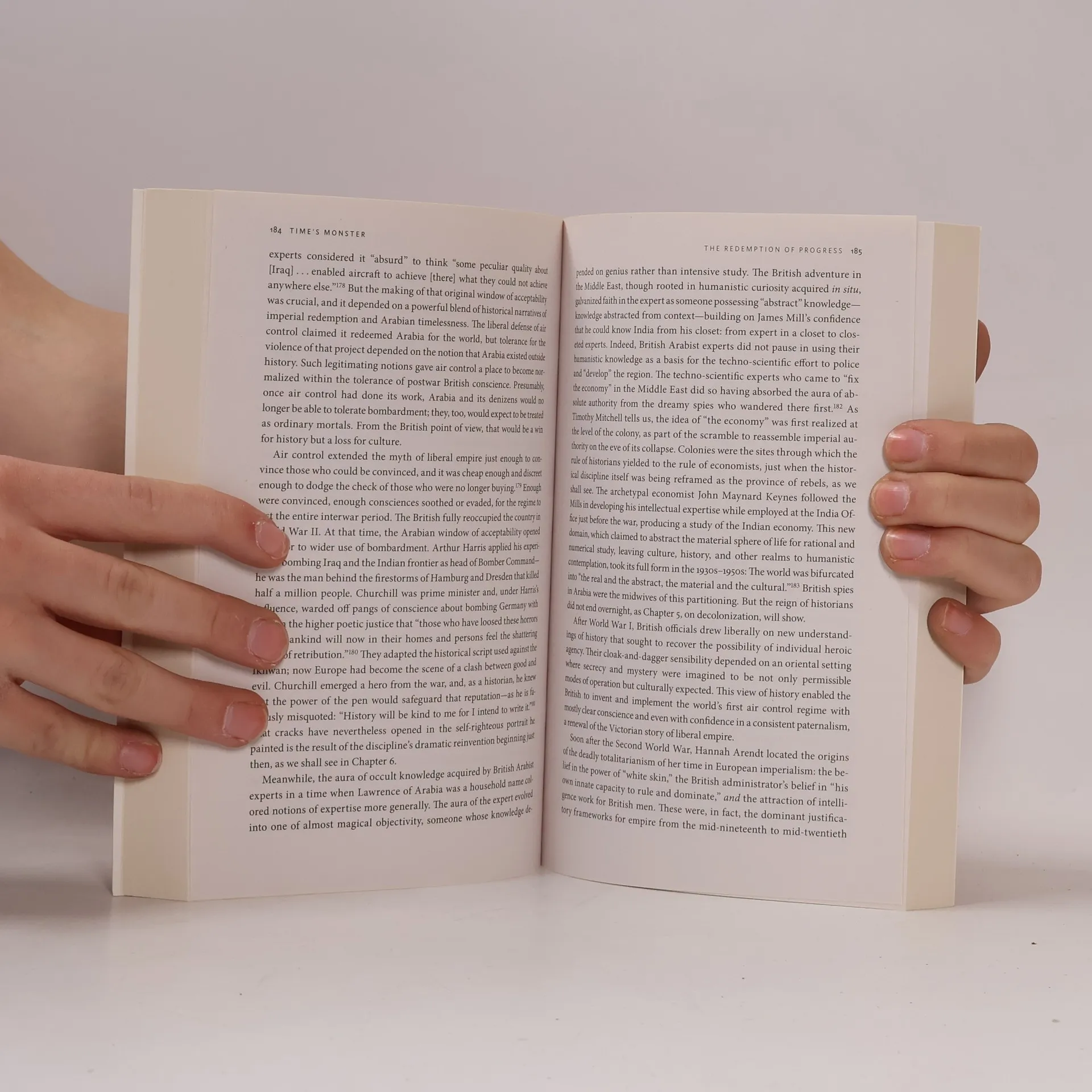
Więcej o książce
For generations, British thinkers told the history of an empire whose story was still very much in the making. While they wrote of conquest, imperial rule in India, the Middle East, Africa, and the Caribbean was consolidated. While they described the development of imperial governance, rebellions were brutally crushed. As they reimagined empire during the two world wars, decolonization was compromised. Priya Satia shows how these historians not only interpreted the major political events of their time but also shaped the future that followed. Satia makes clear that historical imagination played a significant role in the unfolding of empire. History emerged as a mode of ethics in the modern period, endowing historians from John Stuart Mill to Winston Churchill with outsized policymaking power. Braided with this story is an account of alternative visions articulated by anticolonial thinkers such as William Blake, Mahatma Gandhi, and E. P. Thompson. By the mid-twentieth century, their approaches had reshaped the discipline of history and the ethics that came with it. Time's Monster reveals the dramatic consequences of writing history today as much as in the past. Against the backdrop of enduring global inequalities, debates about reparations, and the crisis in the humanities, Satia's is an urgent moral voice.


Zakup książki
Time's Monster, Priya Satia
- Język

- Rok wydania
- 2022
- Oprawa
- (miękka)
Metody płatności
Brakuje nam tutaj Twojej recenzji.
- Tytuł
- Time's Monster
- Język
- angielski
- Autorzy
- Priya Satia
- Wydawca
- Penguin Books Ltd (UK)
- Rok wydania
- 2022
- Oprawa
- miękka
- Liczba stron
- 384
- ISBN10
- 0141993928
- ISBN13
- 9780141993928
- Seria
- Ocena
- 3,85 z 5
- Opis
- For generations, British thinkers told the history of an empire whose story was still very much in the making. While they wrote of conquest, imperial rule in India, the Middle East, Africa, and the Caribbean was consolidated. While they described the development of imperial governance, rebellions were brutally crushed. As they reimagined empire during the two world wars, decolonization was compromised. Priya Satia shows how these historians not only interpreted the major political events of their time but also shaped the future that followed. Satia makes clear that historical imagination played a significant role in the unfolding of empire. History emerged as a mode of ethics in the modern period, endowing historians from John Stuart Mill to Winston Churchill with outsized policymaking power. Braided with this story is an account of alternative visions articulated by anticolonial thinkers such as William Blake, Mahatma Gandhi, and E. P. Thompson. By the mid-twentieth century, their approaches had reshaped the discipline of history and the ethics that came with it. Time's Monster reveals the dramatic consequences of writing history today as much as in the past. Against the backdrop of enduring global inequalities, debates about reparations, and the crisis in the humanities, Satia's is an urgent moral voice.