

Więcej o książce
Ancient Rome was a sprawling metropolis of over a million inhabitants, characterized by a mix of luxury and filth, liberty and exploitation, and civic pride amid civil war. This book narrates the rise of a civilization that continues to influence our views on power, citizenship, political violence, and beauty. It traces Rome's transformation from an insignificant village to the seat of a vast empire, exploring key events from the myth of Romulus and Remus to 212 CE, when Caracalla extended citizenship to all free inhabitants. The narrative challenges long-held historical perspectives by examining how Romans viewed themselves, their responses to imperial rule, terrorism, and revolution, and their innovative concepts of citizenship and nationhood. Beginning in 63 BCE with the clash between Catiline and Cicero, the book reveals how this "terrorist conspiracy" foreshadowed the ongoing struggle between democracy and autocracy in Rome's history. It illustrates the evolution from a classical democracy to a self-critical empire, reintroducing well-known figures like Hannibal, Julius Caesar, and Cleopatra, while also highlighting the contributions and experiences of those often overlooked in traditional histories, including women, slaves, and the defeated.




Zakup książki
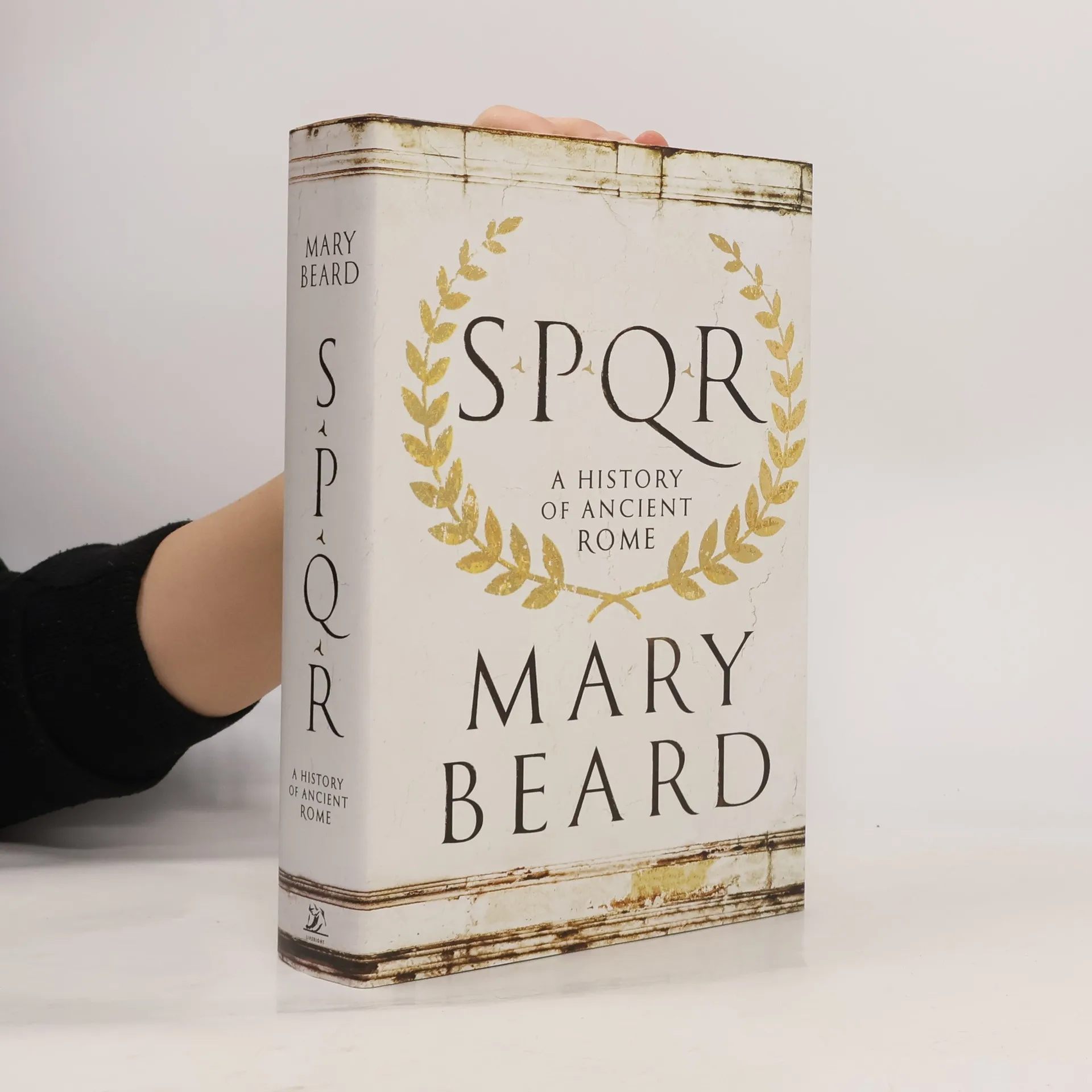
S.P.Q.R: A History of Ancient Rome, Mary Beard
- Język

- Rok wydania
- 2015
- Oprawa
- (twarda)
Metody płatności
Brakuje nam tutaj Twojej recenzji.
- Tytuł
- S.P.Q.R: A History of Ancient Rome
- Język
- angielski
- Autorzy
- Mary Beard
- Wydawca
- LIVERIGHT PUB CORP
- Rok wydania
- 2015
- Oprawa
- twarda
- Liczba stron
- 606
- ISBN10
- 0871404230
- ISBN13
- 9780871404237
- Seria
- Kategorie
- Tagi
- Południowa Europa, Włochy, Starożytność, Rzym, Romowie
- Ocena
- 4,1 z 5
- Opis
- Ancient Rome was a sprawling metropolis of over a million inhabitants, characterized by a mix of luxury and filth, liberty and exploitation, and civic pride amid civil war. This book narrates the rise of a civilization that continues to influence our views on power, citizenship, political violence, and beauty. It traces Rome's transformation from an insignificant village to the seat of a vast empire, exploring key events from the myth of Romulus and Remus to 212 CE, when Caracalla extended citizenship to all free inhabitants. The narrative challenges long-held historical perspectives by examining how Romans viewed themselves, their responses to imperial rule, terrorism, and revolution, and their innovative concepts of citizenship and nationhood. Beginning in 63 BCE with the clash between Catiline and Cicero, the book reveals how this "terrorist conspiracy" foreshadowed the ongoing struggle between democracy and autocracy in Rome's history. It illustrates the evolution from a classical democracy to a self-critical empire, reintroducing well-known figures like Hannibal, Julius Caesar, and Cleopatra, while also highlighting the contributions and experiences of those often overlooked in traditional histories, including women, slaves, and the defeated.