

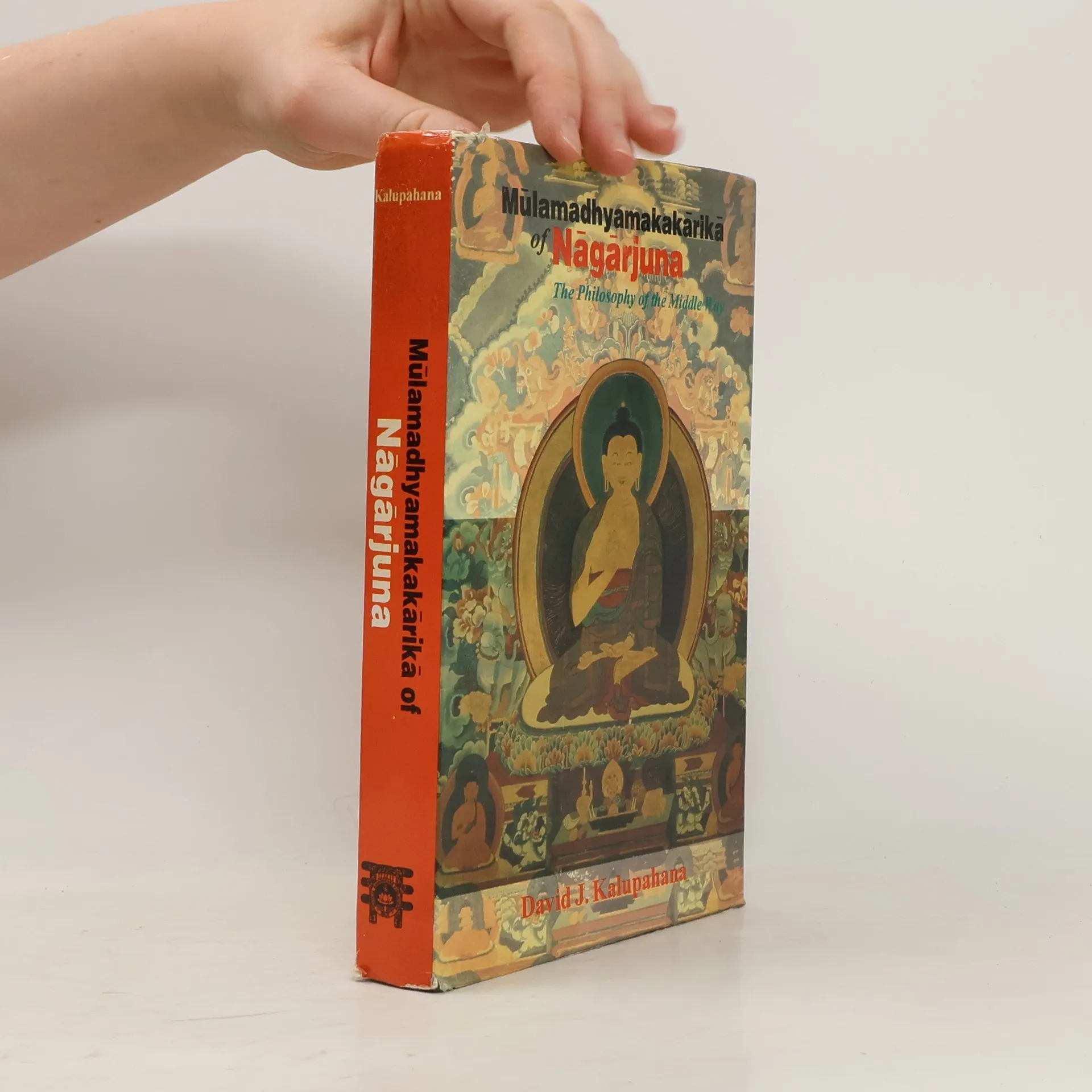


Mulamadhyamakakarika of Nagarjuna
The Philosophy of the Middle Way
Autorzy
Ocena książki
Więcej o książce
This is a completely new translation of Nagarjuna`s major work the Mulamadhyamakakarika, accompanied by a detailed annotation of each of the verses. The annotation identifies the metaphysical theories of the scholastics criticized by Nagarjuna, and traces the source material and the arguments utilized in his refutation back to the early discourses of the Buddha. The Introduction presents a completely new hypothesis about the nature of treatise. The work is a grand commentary on the Buddha's "Discourse to Katyayana" (Kaccayanaqotta-sutta). The concluding part of the Introduction compares the teaching of the Buddha and Nagarjuna in regard to epistemology, ontology, ethics and philosophy of language indicating how the latter was making a determined attempt to reconstruct the Buddha's teachings in a very faithful manner, avoiding the substantialist metaphysics of the scholastics. The book shows that Nagarjuna`s ideas are neither original nor are they an advancement from the early Buddhist period. Nagarjuna is not a Mahayanist.



Zakup książki
Mulamadhyamakakarika of Nagarjuna, David J Kalupahana
- Język

- Rok wydania
- 1999
- Oprawa
- (twarda)
Metody płatności
Brakuje nam tutaj Twojej recenzji.
- Tytuł
- Mulamadhyamakakarika of Nagarjuna
- Podtytuł
- The Philosophy of the Middle Way
- Język
- angielski
- Autorzy
- David J Kalupahana
- Wydawca
- Motilal Banarsidass
- Rok wydania
- 1999
- Oprawa
- twarda
- Liczba stron
- 412
- ISBN10
- 812080774X
- ISBN13
- 9788120807747
- Seria
- Ocena
- 4,35 z 5
- Opis
- This is a completely new translation of Nagarjuna`s major work the Mulamadhyamakakarika, accompanied by a detailed annotation of each of the verses. The annotation identifies the metaphysical theories of the scholastics criticized by Nagarjuna, and traces the source material and the arguments utilized in his refutation back to the early discourses of the Buddha. The Introduction presents a completely new hypothesis about the nature of treatise. The work is a grand commentary on the Buddha's "Discourse to Katyayana" (Kaccayanaqotta-sutta). The concluding part of the Introduction compares the teaching of the Buddha and Nagarjuna in regard to epistemology, ontology, ethics and philosophy of language indicating how the latter was making a determined attempt to reconstruct the Buddha's teachings in a very faithful manner, avoiding the substantialist metaphysics of the scholastics. The book shows that Nagarjuna`s ideas are neither original nor are they an advancement from the early Buddhist period. Nagarjuna is not a Mahayanist.