


Więcej o książce
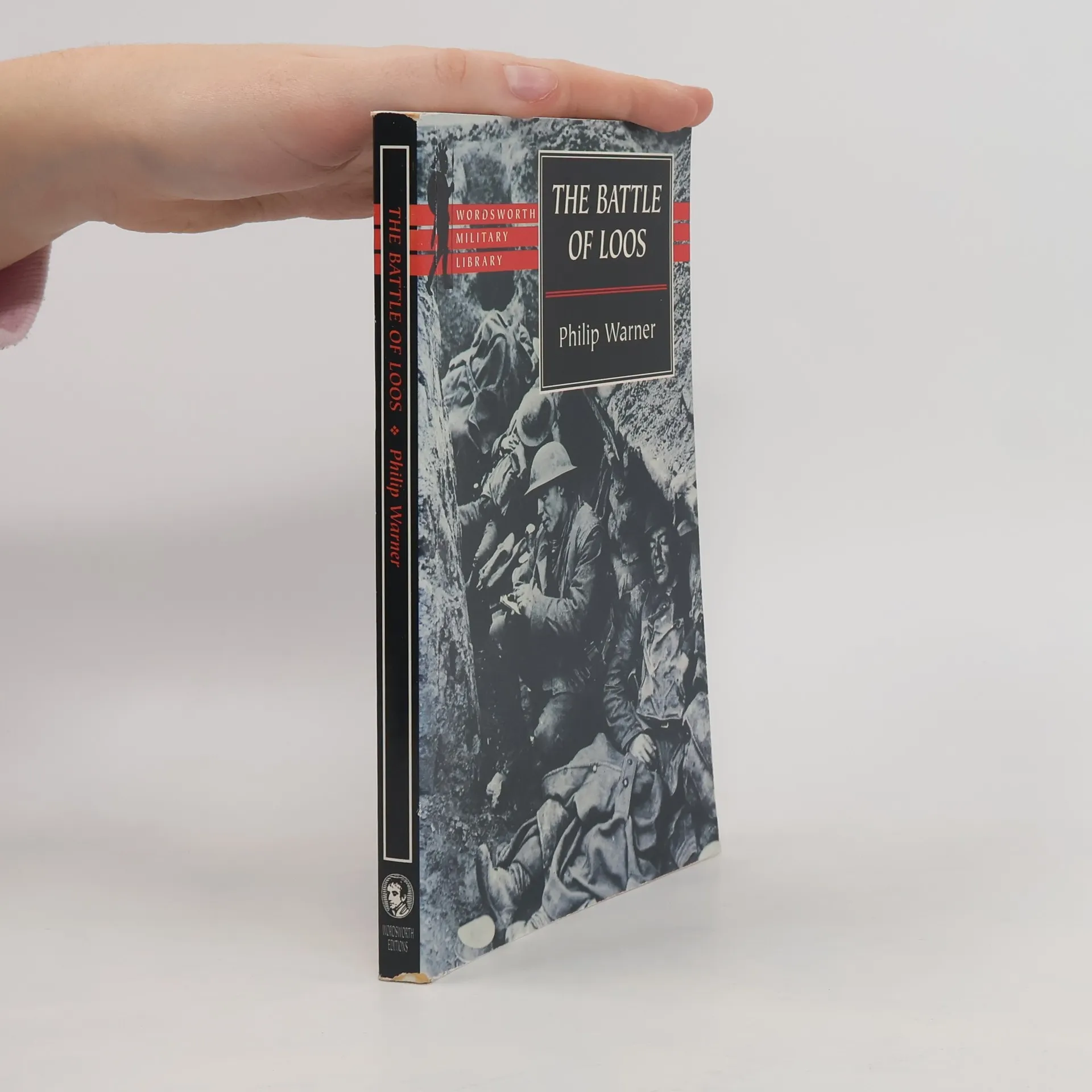
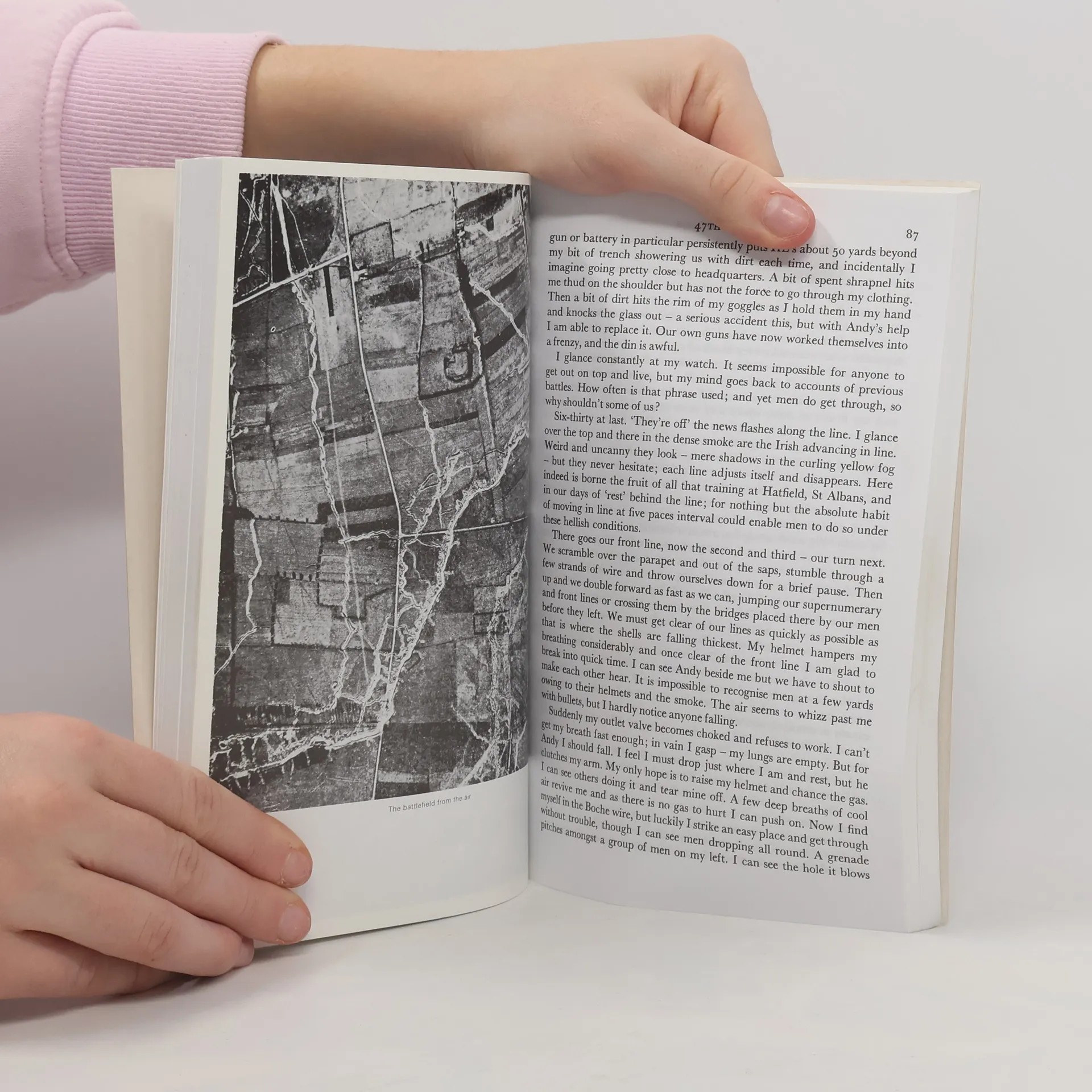
Loos is a small mining town between Lens and La Bassee in northern France. But on 25th September 1915, and for a few days after, it was the center of one of the most intense and bloody battles of the First World War. The casualties were appalling - about 60,000 of which the majority died on the first day. The main objective - a large-scale breakthrough - was not achieved although some 8,000 yards of enemy trench were captured and in some places their defenses were penetrated up to two miles. Yet if the initial gains had been exploited the course of the war might have been different. If courage and determination could have won the day by themselves. Loos would have been a success. It is these qualities which Philip Warner's narrative reveals above all. For a large part of this story of Loos consists of survivors' own accounts and diaries of the time, including that of Sir John French. The author has traced survivors from all parts of the line, infantry, gunners and officers, and through their words has revealed one of the most horrific tales of war yet to be published as well as the determination and heroism that in the end turned the scales to victory.


Zakup książki
Wordsworth Military Library: The Battle of Loos, Philip Warner
- Język

- Rok wydania
- 2000
- Oprawa
- (miękka)
Metody płatności
Brakuje nam tutaj Twojej recenzji.
- Tytuł
- Wordsworth Military Library: The Battle of Loos
- Język
- angielski
- Autorzy
- Philip Warner
- Wydawca
- Wordsworth Editions
- Rok wydania
- 2000
- Oprawa
- miękka
- Liczba stron
- 245
- ISBN10
- 1840222298
- ISBN13
- 9781840222296
- Seria
- Kategorie
- Ocena
- 3,6 z 5
- Opis
- Loos is a small mining town between Lens and La Bassee in northern France. But on 25th September 1915, and for a few days after, it was the center of one of the most intense and bloody battles of the First World War. The casualties were appalling - about 60,000 of which the majority died on the first day. The main objective - a large-scale breakthrough - was not achieved although some 8,000 yards of enemy trench were captured and in some places their defenses were penetrated up to two miles. Yet if the initial gains had been exploited the course of the war might have been different. If courage and determination could have won the day by themselves. Loos would have been a success. It is these qualities which Philip Warner's narrative reveals above all. For a large part of this story of Loos consists of survivors' own accounts and diaries of the time, including that of Sir John French. The author has traced survivors from all parts of the line, infantry, gunners and officers, and through their words has revealed one of the most horrific tales of war yet to be published as well as the determination and heroism that in the end turned the scales to victory.