

Parametry
- 256 stron
- 9 godzin czytania
Więcej o książce
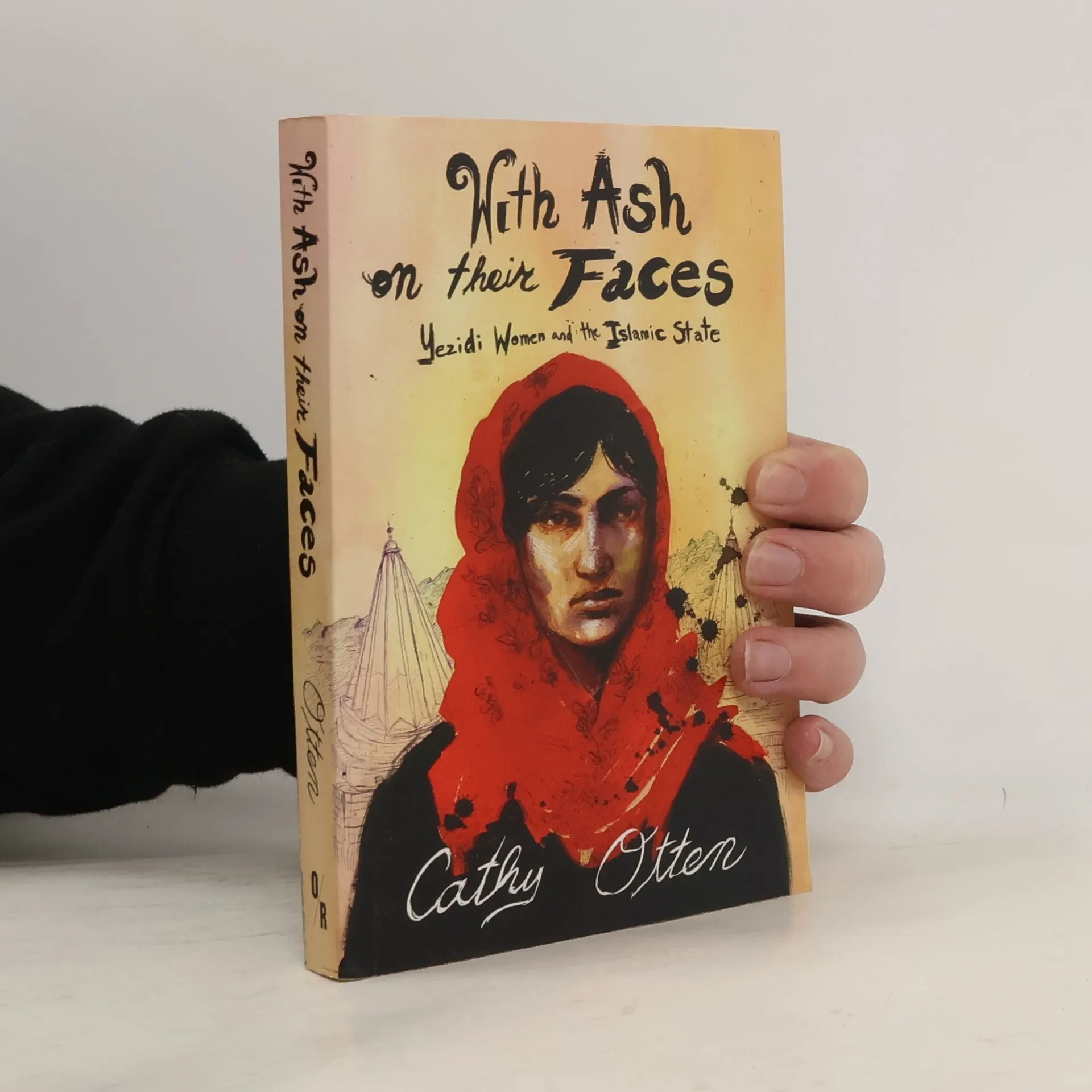
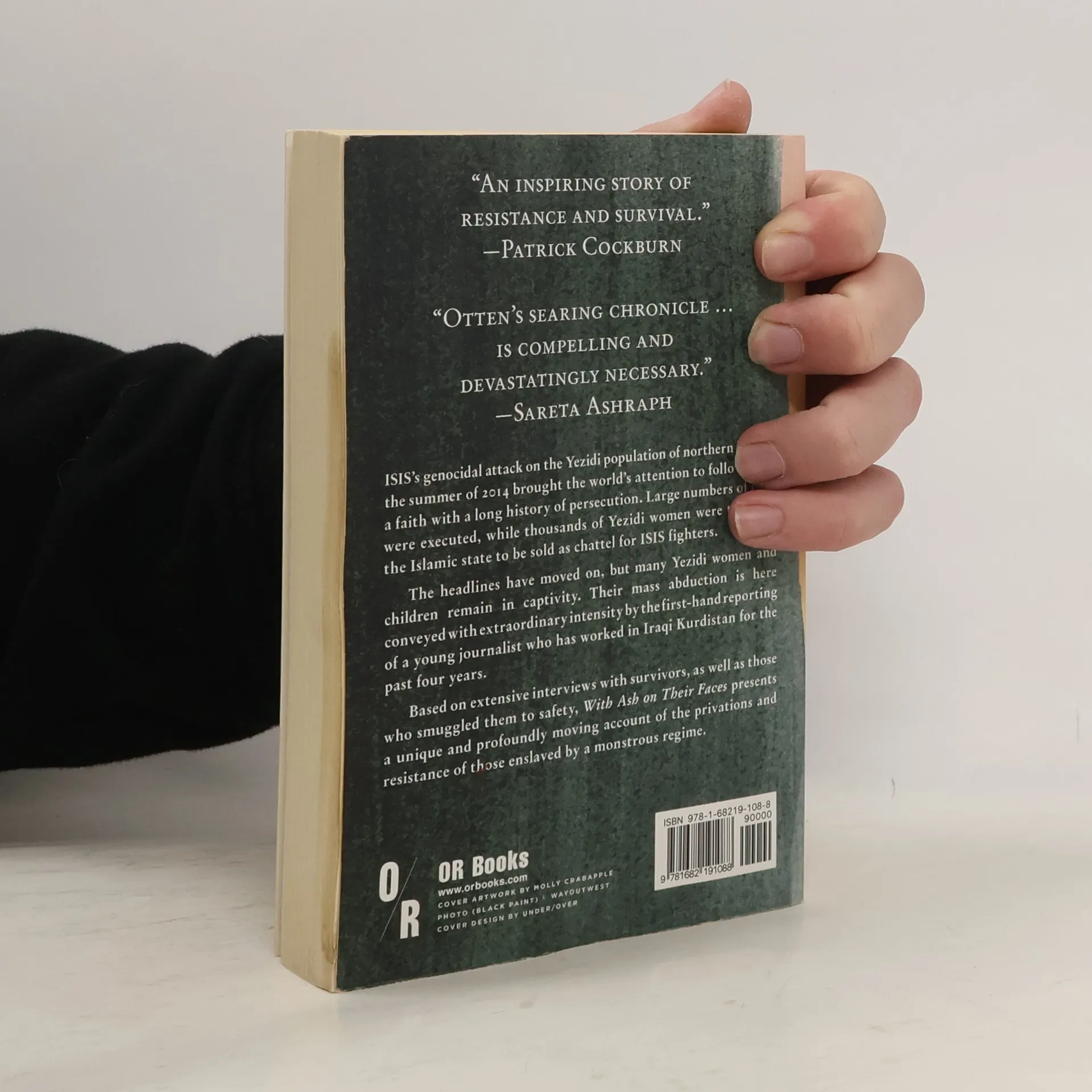
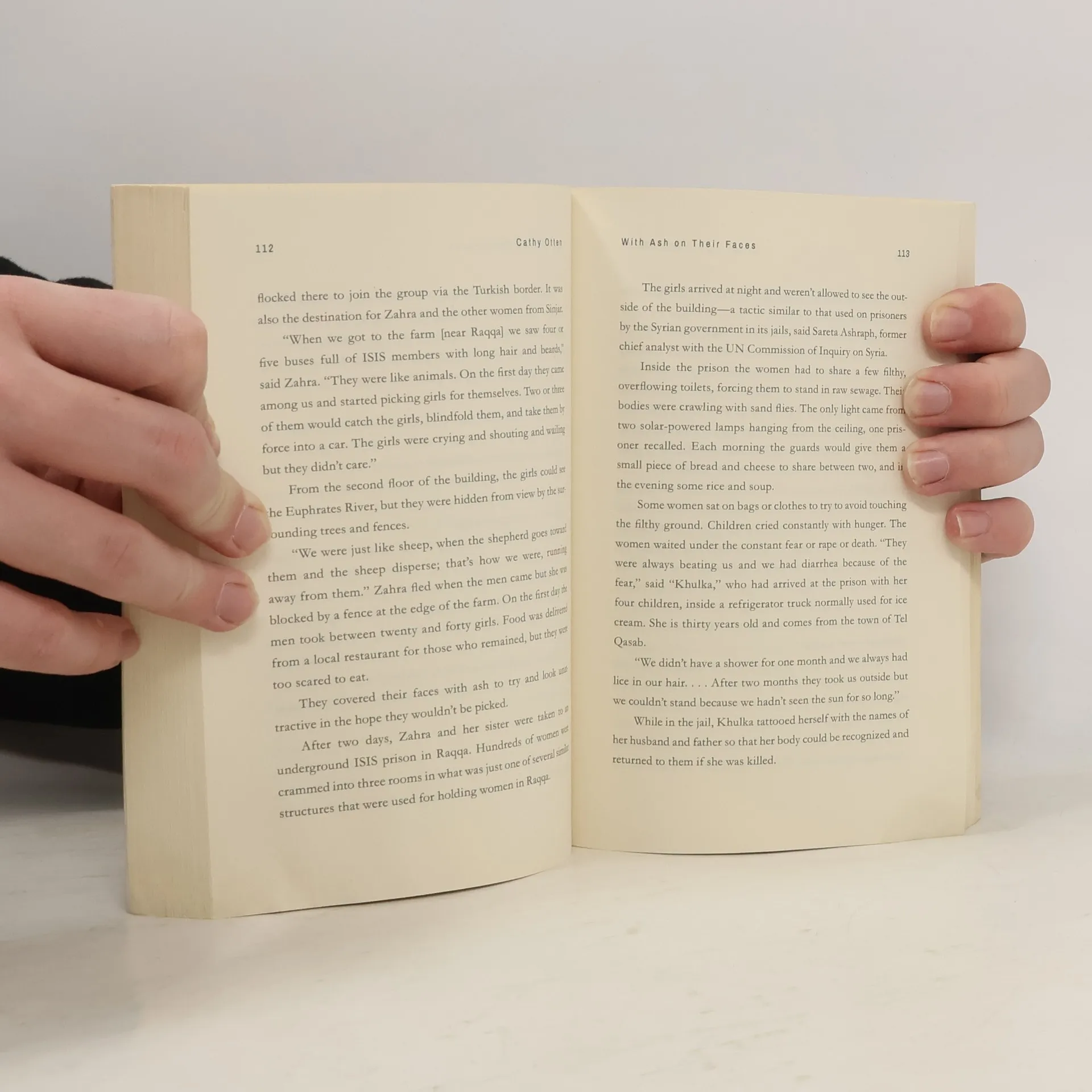
ISIS’s genocidal attack on the Yezidi population in northern Iraq in 2014 highlighted a faith with fewer than one million adherents worldwide. That summer, ISIS massacred Yezidi men and enslaved women and children, leaving over one hundred thousand besieged on Sinjar Mountain. While headlines have shifted, thousands of Yezidi women and children remain in captivity. Although Sinjar is now liberated from ISIS, the Yezidi homeland is fraught with tensions, complicating the return for those who fled. The mass abduction of Yezidi women and children is powerfully depicted through the first-hand reporting of a young journalist who has spent four years in Iraqi Kurdistan covering the conflict. Many Yezidi women, echoing ancestral traditions from a century ago during the Ottoman Empire's fall, attempted to avoid rape by putting ash on their faces. Today, over 3,000 Yezidi women and girls are still trapped in the Caliphate, treated as property. However, many have escaped or been released. The author’s work is grounded in interviews with survivors and those who helped them reach safety, meticulously assembling their harrowing stories of enslavement. These deeply moving narratives illuminate a profound human tragedy.


Zakup książki
With Ash on Their Faces, Cathy Otten
- Język

- Rok wydania
- 2017
- Oprawa
- (miękka)
Metody płatności
Brakuje nam tutaj Twojej recenzji.
- Tytuł
- With Ash on Their Faces
- Podtytuł
- Yezidi Women and the Islamic State
- Język
- angielski
- Autorzy
- Cathy Otten
- Wydawca
- OR Books
- Rok wydania
- 2017
- Oprawa
- miękka
- Liczba stron
- 256
- ISBN10
- 1682191087
- ISBN13
- 9781682191088
- Seria
- Kategorie
- Tagi
- Tematy historyczne, Tematy religijne, Duchowość, Wojny, Dziennikarstwo & Publicystyka, Terroryzm
- Ocena
- 5 z 5
- Opis
- ISIS’s genocidal attack on the Yezidi population in northern Iraq in 2014 highlighted a faith with fewer than one million adherents worldwide. That summer, ISIS massacred Yezidi men and enslaved women and children, leaving over one hundred thousand besieged on Sinjar Mountain. While headlines have shifted, thousands of Yezidi women and children remain in captivity. Although Sinjar is now liberated from ISIS, the Yezidi homeland is fraught with tensions, complicating the return for those who fled. The mass abduction of Yezidi women and children is powerfully depicted through the first-hand reporting of a young journalist who has spent four years in Iraqi Kurdistan covering the conflict. Many Yezidi women, echoing ancestral traditions from a century ago during the Ottoman Empire's fall, attempted to avoid rape by putting ash on their faces. Today, over 3,000 Yezidi women and girls are still trapped in the Caliphate, treated as property. However, many have escaped or been released. The author’s work is grounded in interviews with survivors and those who helped them reach safety, meticulously assembling their harrowing stories of enslavement. These deeply moving narratives illuminate a profound human tragedy.