

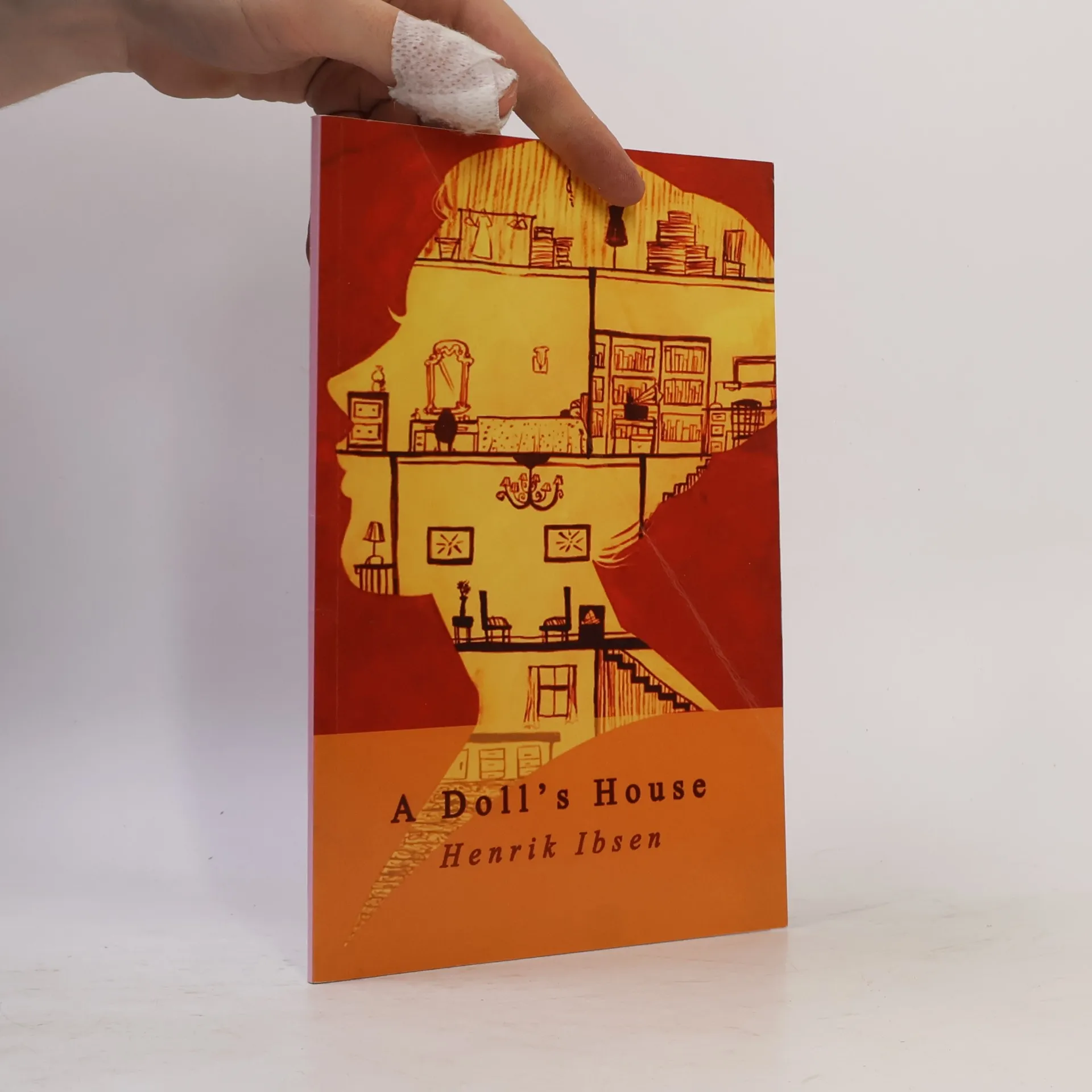
Więcej o książce
A Doll's House (Norwegian: Et dukkehjem; also translated as A Doll House) is a three-act play in prose by Henrik Ibsen. It premiered at the Royal Theatre in Copenhagen, Denmark, on 21 December 1879, having been published earlier that month. The play is significant for its critical attitude toward 19th century marriage norms. It aroused great controversy at the time, as it concludes with the protagonist, Nora, leaving her husband and children because she wants to discover herself. Ibsen was inspired by the belief that "a woman cannot be herself in modern society," since it is "an exclusively male society, with laws made by men and with prosecutors and judges who assess feminine conduct from a masculine standpoint." Its ideas can also be seen as having a wider application: Michael Meyer argued that the play's theme is not women's rights, but rather "the need of every individual to find out the kind of person he or she really is and to strive to become that person." In a speech given to the Norwegian Association for Women's Rights in 1898, Ibsen insisted that he "must disclaim the honor of having consciously worked for the women's rights movement," since he wrote "without any conscious thought of making propaganda," his task having been "the description of humanity."




Zakup książki
A Doll's House, Henrik Ibsen
- Język

- Rok wydania
- 2014
- Oprawa
- (miękka)
Metody płatności
Brakuje nam tutaj Twojej recenzji.
- Tytuł
- A Doll's House
- Język
- angielski
- Autorzy
- Henrik Ibsen
- Rok wydania
- 2014
- Oprawa
- miękka
- Liczba stron
- 68
- ISBN10
- 1503213803
- ISBN13
- 9781503213807
- Seria
- Tagi
- Tematy historyczne, Rodzina, Teatr, XIX wiek, Małżeństwo, Norwegia, Szantaż, Skandynawia, Emancypacja, Naturalizm
- Pierwsze wydanie
- 1879
- Oryginalna nazwa
- Et dukkehjem
- Ocena
- 3,65 z 5
- Opis
- A Doll's House (Norwegian: Et dukkehjem; also translated as A Doll House) is a three-act play in prose by Henrik Ibsen. It premiered at the Royal Theatre in Copenhagen, Denmark, on 21 December 1879, having been published earlier that month. The play is significant for its critical attitude toward 19th century marriage norms. It aroused great controversy at the time, as it concludes with the protagonist, Nora, leaving her husband and children because she wants to discover herself. Ibsen was inspired by the belief that "a woman cannot be herself in modern society," since it is "an exclusively male society, with laws made by men and with prosecutors and judges who assess feminine conduct from a masculine standpoint." Its ideas can also be seen as having a wider application: Michael Meyer argued that the play's theme is not women's rights, but rather "the need of every individual to find out the kind of person he or she really is and to strive to become that person." In a speech given to the Norwegian Association for Women's Rights in 1898, Ibsen insisted that he "must disclaim the honor of having consciously worked for the women's rights movement," since he wrote "without any conscious thought of making propaganda," his task having been "the description of humanity."