



Parametry
- 272 strony
- 10 godzin czytania
Więcej o książce
Acclaimed linguist and writer John McWhorter argues that a harmful form of neoracism, masked as antiracism, is damaging Black communities and the American social fabric. Many Americans, regardless of their political views, are puzzled by the current state of race discussions. We're encouraged to engage with diverse cultures, yet certain expressions are labeled as 'appropriation.' The narrative suggests that whiteness equates to privilege while Blackness equates to victimhood, leaving many hesitant to voice their opinions for fear of being deemed unwoke or racist. McWhorter contends that this misguided antiracism has morphed into a religion—illogical and unreachable—that inadvertently perpetuates neoracist ideas. He critiques this new belief system, which includes concepts like 'white privilege' and the cancel culture that punishes dissenters. Rather than dismantling racist structures, it infantilizes Black individuals and undermines their success, enacting policies that harm Black communities. While this ideology may claim to be antiracist, it often mirrors the racial essentialism of past racism. However, McWhorter believes it's not too late to resist woke racism, providing guidance for those looking to challenge these views among friends and family, and offering a constructive roadmap for genuine justice that benefits Black America.



Zakup książki
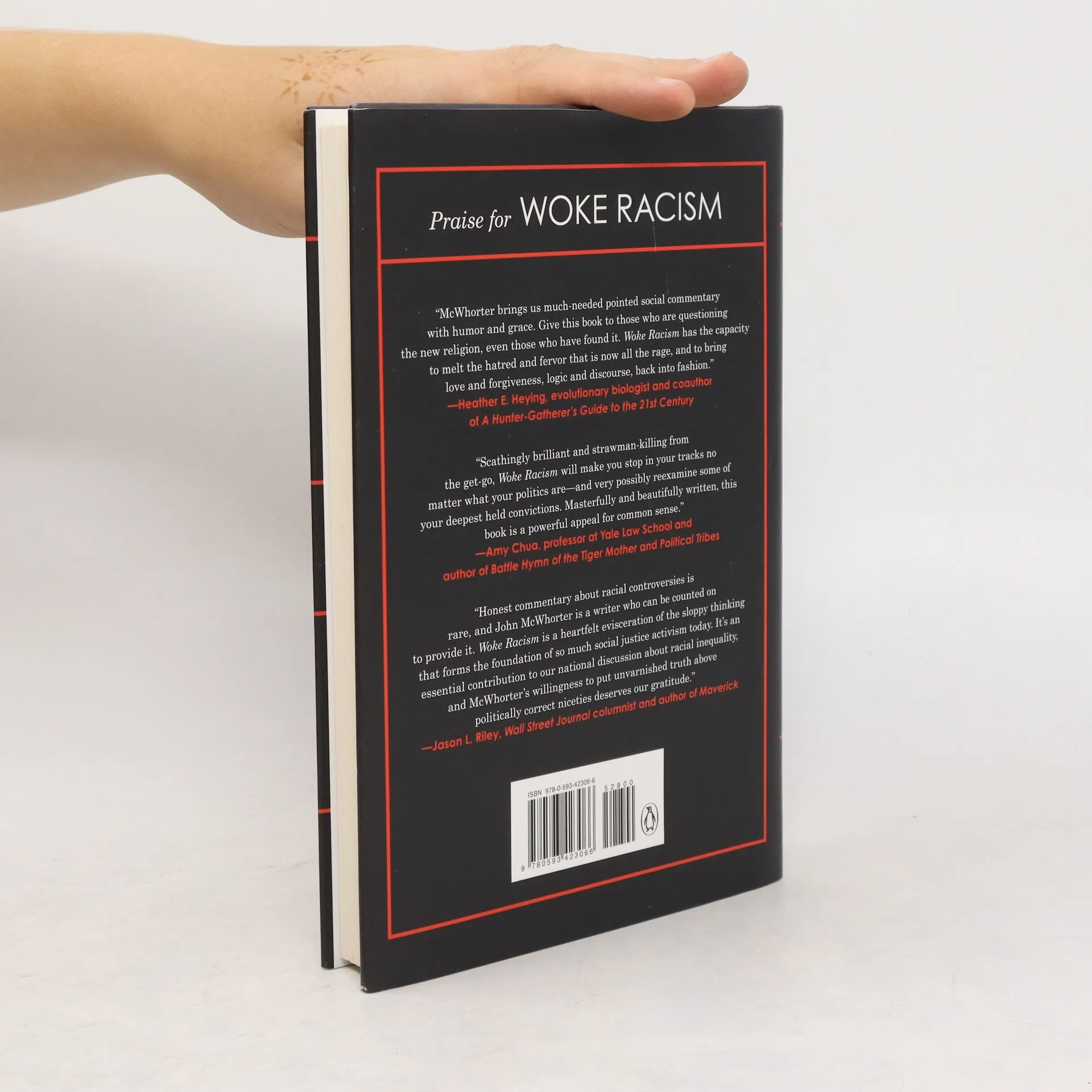
Woke Racism, John H. McWhorter
- Język

- Rok wydania
- 2021
- Oprawa
- (twarda)
Metody płatności
Brakuje nam tutaj Twojej recenzji.
- Tytuł
- Woke Racism
- Język
- angielski
- Autorzy
- John H. McWhorter
- Wydawca
- Penguin Publishing Group
- Rok wydania
- 2021
- Oprawa
- twarda
- Liczba stron
- 272
- ISBN10
- 0593423062
- ISBN13
- 9780593423066
- Seria
- Kategorie
- Ocena
- 3,9 z 5
- Opis
- Acclaimed linguist and writer John McWhorter argues that a harmful form of neoracism, masked as antiracism, is damaging Black communities and the American social fabric. Many Americans, regardless of their political views, are puzzled by the current state of race discussions. We're encouraged to engage with diverse cultures, yet certain expressions are labeled as 'appropriation.' The narrative suggests that whiteness equates to privilege while Blackness equates to victimhood, leaving many hesitant to voice their opinions for fear of being deemed unwoke or racist. McWhorter contends that this misguided antiracism has morphed into a religion—illogical and unreachable—that inadvertently perpetuates neoracist ideas. He critiques this new belief system, which includes concepts like 'white privilege' and the cancel culture that punishes dissenters. Rather than dismantling racist structures, it infantilizes Black individuals and undermines their success, enacting policies that harm Black communities. While this ideology may claim to be antiracist, it often mirrors the racial essentialism of past racism. However, McWhorter believes it's not too late to resist woke racism, providing guidance for those looking to challenge these views among friends and family, and offering a constructive roadmap for genuine justice that benefits Black America.