

Parametry
- 985 stron
- 35 godzin czytania
Więcej o książce
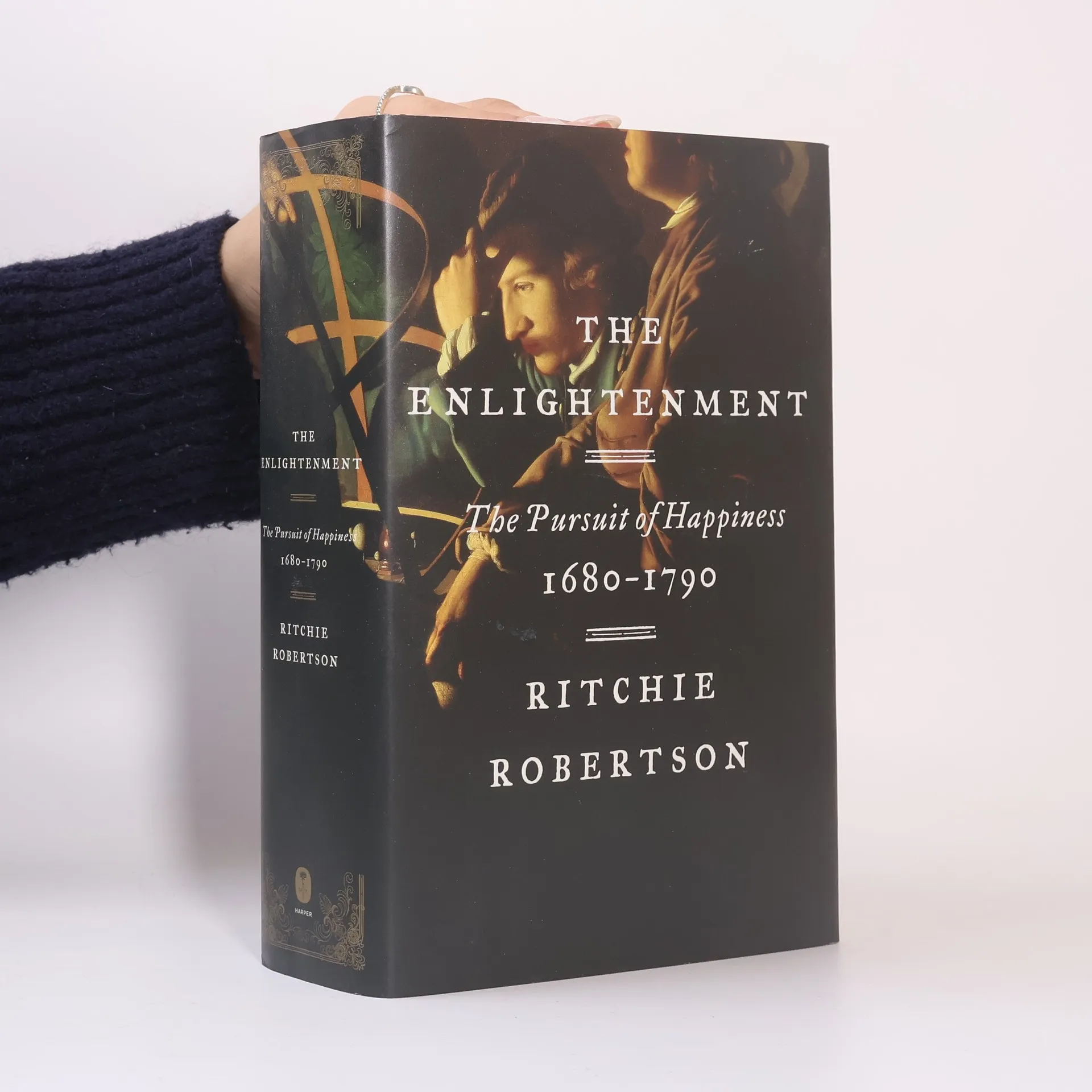
This magisterial history recasts the Enlightenment as a pursuit of practical means to achieve greater human happiness, rather than merely a period of rationale and reason. As a formative era in European and world history, the Enlightenment is foundational to modern secular Western values, including religious tolerance and freedom of thought. Yet, over three hundred years later, it remains profoundly misunderstood, often viewed as the expression of soulless calculation. This misinterpretation largely stems from accepting the narrative presented by its conservative critics. Ritchie Robertson revisits the “long eighteenth century” (approximately 1680 to 1790) to uncover the true essence of this much-debated period. He argues that the Enlightenment was not just a philosophical movement; it also produced the Encyclopédie, an illustrated guide aimed at improving lives through knowledge of contemporary machinery and trades. Robertson chronicles campaigns against evils like capital punishment and judicial torture, highlighting the experiences of figures like Voltaire and Diderot alongside ordinary people. He pays attention to philosophical debates while also exploring literature, music, and visual arts as means of conveying Enlightenment ideas. Ultimately, Robertson seeks to correct one-sided views and posits that the Enlightenment aimed to enhance human happiness, asserting that such happiness is attainable in this world without reli


Zakup książki
The Enlightenment, Ritchie Robertson
- Język

- Rok wydania
- 2021
- Oprawa
- (twarda)
Metody płatności
Brakuje nam tutaj Twojej recenzji.
- Tytuł
- The Enlightenment
- Podtytuł
- The Pursuit of Happiness 1680-1790
- Język
- angielski
- Autorzy
- Ritchie Robertson
- Wydawca
- Harper
- Rok wydania
- 2021
- Oprawa
- twarda
- Liczba stron
- 985
- ISBN10
- 0062410652
- ISBN13
- 9780062410658
- Seria
- Kategorie
- Tagi
- Tematy historyczne, Tematyka filozoficzna, Polityka, Nauka, Prezenty dla dziadka, Historia Europy
- Ocena
- 4,25 z 5
- Opis
- This magisterial history recasts the Enlightenment as a pursuit of practical means to achieve greater human happiness, rather than merely a period of rationale and reason. As a formative era in European and world history, the Enlightenment is foundational to modern secular Western values, including religious tolerance and freedom of thought. Yet, over three hundred years later, it remains profoundly misunderstood, often viewed as the expression of soulless calculation. This misinterpretation largely stems from accepting the narrative presented by its conservative critics. Ritchie Robertson revisits the “long eighteenth century” (approximately 1680 to 1790) to uncover the true essence of this much-debated period. He argues that the Enlightenment was not just a philosophical movement; it also produced the Encyclopédie, an illustrated guide aimed at improving lives through knowledge of contemporary machinery and trades. Robertson chronicles campaigns against evils like capital punishment and judicial torture, highlighting the experiences of figures like Voltaire and Diderot alongside ordinary people. He pays attention to philosophical debates while also exploring literature, music, and visual arts as means of conveying Enlightenment ideas. Ultimately, Robertson seeks to correct one-sided views and posits that the Enlightenment aimed to enhance human happiness, asserting that such happiness is attainable in this world without reli