

Więcej o książce
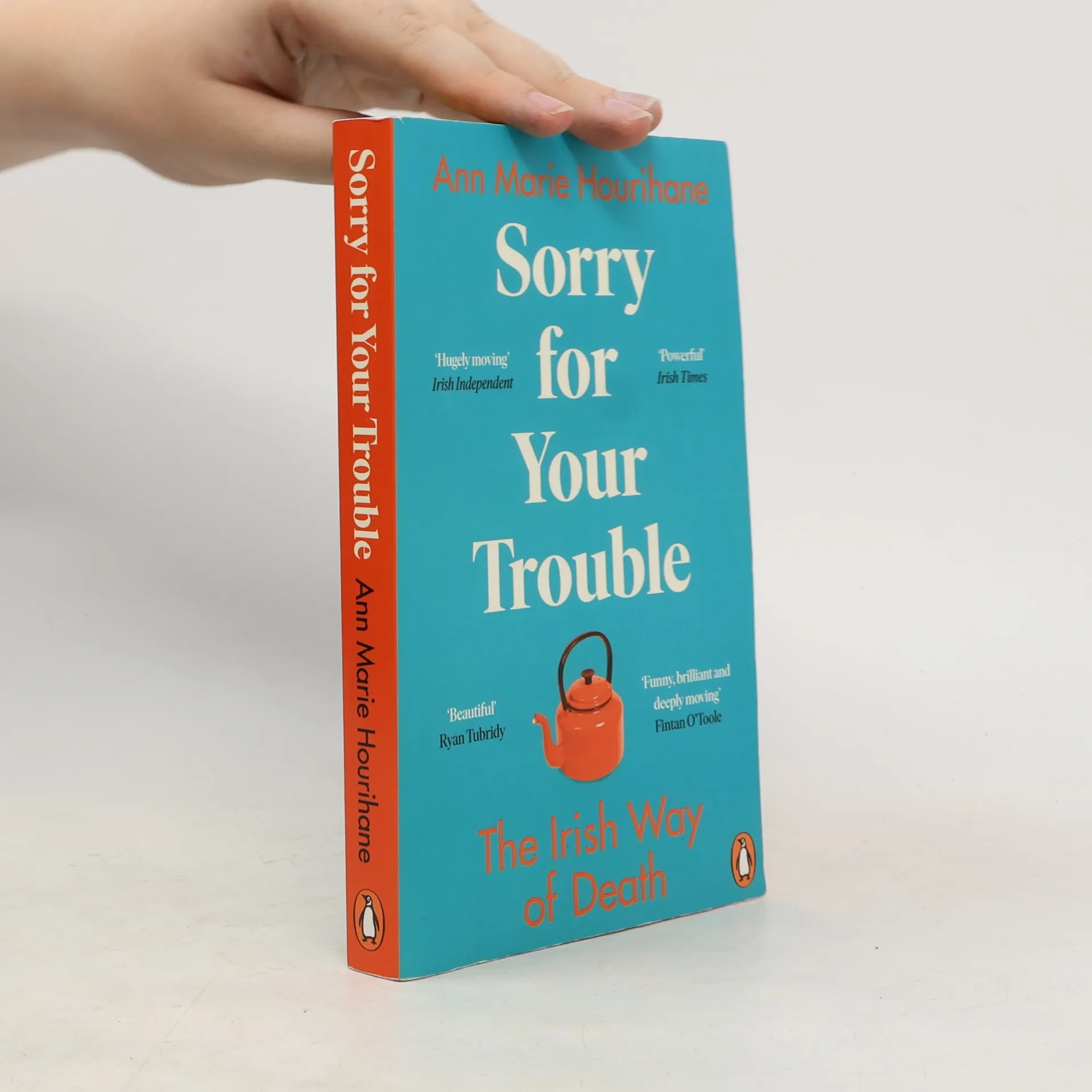
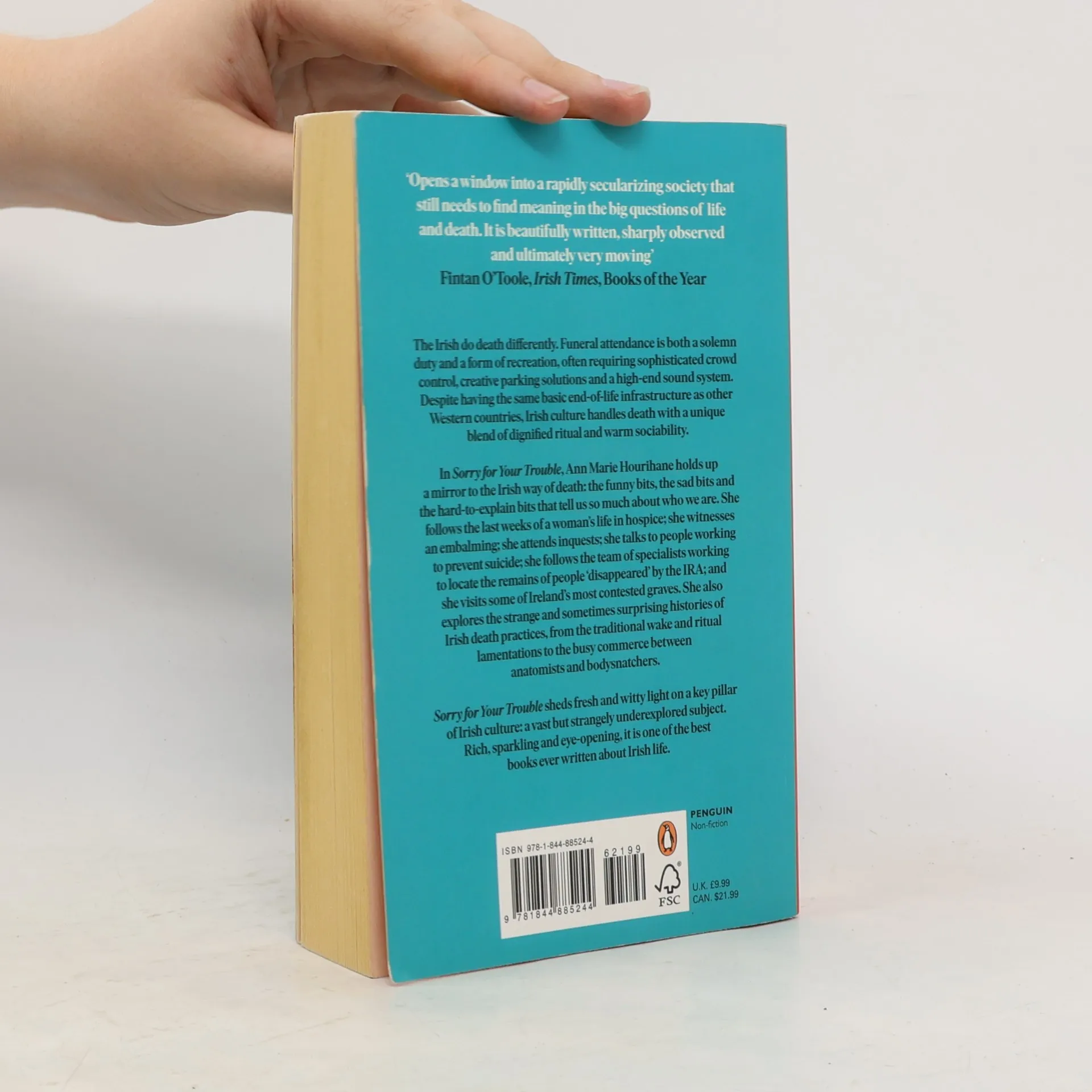
The Irish approach to death is distinct, blending solemnity with sociability. Funeral attendance is both a duty and a social event, often requiring creative logistics. Ann Marie Hourihane reflects on this unique cultural perspective in her exploration of various aspects of death in Ireland. She chronicles the final weeks of a woman in hospice, witnesses an embalming, attends inquests, and engages with those working to prevent suicide. Hourihane also follows specialists searching for the remains of individuals 'disappeared' by the IRA and visits contested graves across the country. Delving into the history of Irish death practices, she examines traditional wakes, ritual lamentations, and the interactions between anatomists and bodysnatchers. Her journey includes attending funerals of both ordinary and extraordinary individuals, culminating in the planning of her father's funeral during the pandemic. Through these experiences, she captures the complexities of loss, stating, "I had joined a club," signifying the shared grief of losing loved ones. This insightful narrative sheds light on a crucial yet often overlooked aspect of Irish culture, offering a rich and eye-opening perspective on life and death in Ireland.


Zakup książki
Sorry for Your Trouble, Ann Marie Hourihane
- Język

- Rok wydania
- 2022
- Oprawa
- (miękka)
Metody płatności
Brakuje nam tutaj Twojej recenzji.
- Tytuł
- Sorry for Your Trouble
- Język
- angielski
- Autorzy
- Ann Marie Hourihane
- Wydawca
- Penguin Books Ltd
- Rok wydania
- 2022
- Oprawa
- miękka
- Liczba stron
- 288
- ISBN10
- 1844885240
- ISBN13
- 9781844885244
- Seria
- Kategorie
- Ocena
- 4,05 z 5
- Opis
- The Irish approach to death is distinct, blending solemnity with sociability. Funeral attendance is both a duty and a social event, often requiring creative logistics. Ann Marie Hourihane reflects on this unique cultural perspective in her exploration of various aspects of death in Ireland. She chronicles the final weeks of a woman in hospice, witnesses an embalming, attends inquests, and engages with those working to prevent suicide. Hourihane also follows specialists searching for the remains of individuals 'disappeared' by the IRA and visits contested graves across the country. Delving into the history of Irish death practices, she examines traditional wakes, ritual lamentations, and the interactions between anatomists and bodysnatchers. Her journey includes attending funerals of both ordinary and extraordinary individuals, culminating in the planning of her father's funeral during the pandemic. Through these experiences, she captures the complexities of loss, stating, "I had joined a club," signifying the shared grief of losing loved ones. This insightful narrative sheds light on a crucial yet often overlooked aspect of Irish culture, offering a rich and eye-opening perspective on life and death in Ireland.