


Więcej o książce
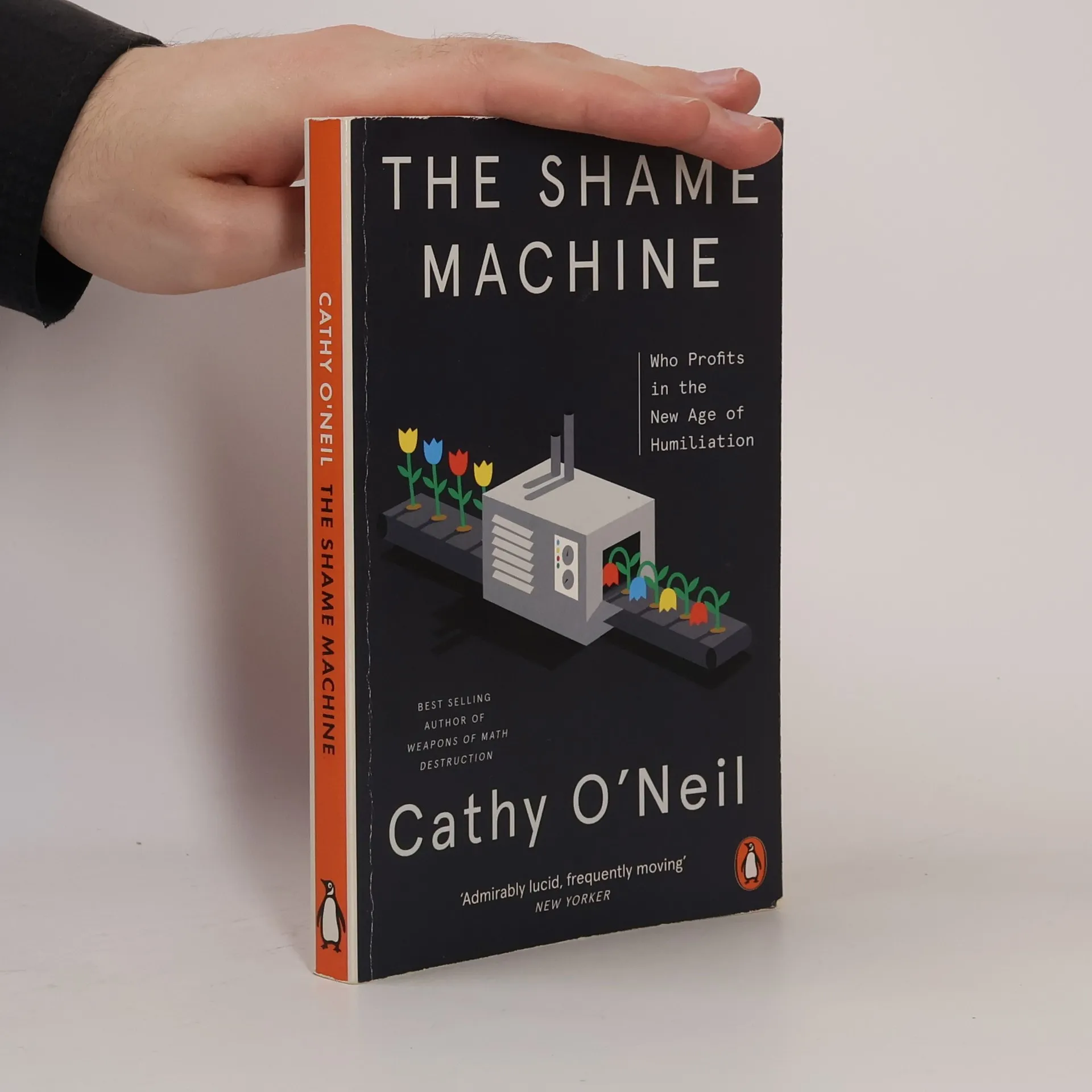
A TIMES BOOK OF THE YEAR Shame is being weaponized by governments and corporations to attack the most vulnerable. It's time to fight back. Shame can be a powerful tool for promoting justice, as seen when we call out corrupt politicians or abusive celebrities. However, Cathy O'Neil argues that shaming has evolved into a dangerous tactic, shifting the burden of social issues from institutions to individuals. Publicly shaming children for not affording school lunches or adults for unemployment allows society to evade responsibility. This mindset fosters a belief that higher taxes for support programs are unwarranted. O'Neil examines how various entities exploit shame, revealing troubling stories from rehab clinics, reentry programs, and social media platforms that profit by targeting the vulnerable. Interwoven in her analysis is O'Neil's personal journey with body image and weight-loss surgery, which highlighted the systemic shaming of fat individuals seeking medical care. Through her exploration, O'Neil clarifies the intricate ties between shame and power, questioning whom the system truly serves, how current incentives sustain the cycle of shaming, and, crucially, how we can collectively resist this harmful trend.


Zakup książki
The Shame Machine, Cathy O. Neil
- Język

- Rok wydania
- 2023
- Oprawa
- (miękka)
Metody płatności
Brakuje nam tutaj Twojej recenzji.
- Tytuł
- The Shame Machine
- Język
- angielski
- Autorzy
- Cathy O. Neil
- Wydawca
- Penguin Books Ltd (UK)
- Rok wydania
- 2023
- Oprawa
- miękka
- ISBN10
- 1802060316
- ISBN13
- 9781802060317
- Seria
- Kategorie
- Ocena
- 3,4 z 5
- Opis
- A TIMES BOOK OF THE YEAR Shame is being weaponized by governments and corporations to attack the most vulnerable. It's time to fight back. Shame can be a powerful tool for promoting justice, as seen when we call out corrupt politicians or abusive celebrities. However, Cathy O'Neil argues that shaming has evolved into a dangerous tactic, shifting the burden of social issues from institutions to individuals. Publicly shaming children for not affording school lunches or adults for unemployment allows society to evade responsibility. This mindset fosters a belief that higher taxes for support programs are unwarranted. O'Neil examines how various entities exploit shame, revealing troubling stories from rehab clinics, reentry programs, and social media platforms that profit by targeting the vulnerable. Interwoven in her analysis is O'Neil's personal journey with body image and weight-loss surgery, which highlighted the systemic shaming of fat individuals seeking medical care. Through her exploration, O'Neil clarifies the intricate ties between shame and power, questioning whom the system truly serves, how current incentives sustain the cycle of shaming, and, crucially, how we can collectively resist this harmful trend.