

Parametry
Więcej o książce
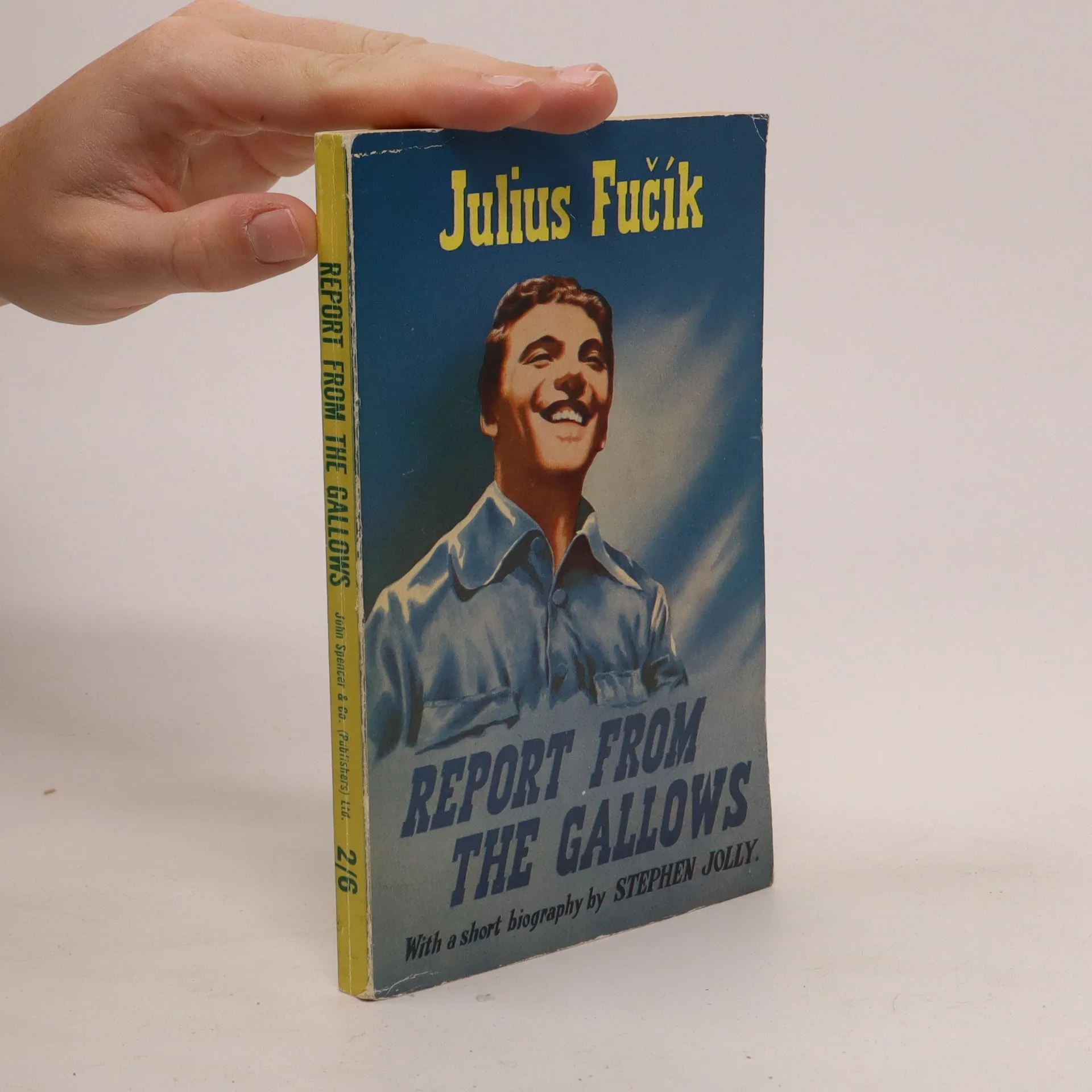
Notes from a communist journalist who was captured by the Gestapo during illegal activities, tortured in the notorious Pečkárna, and executed in Berlin on September 8, 1943. Written on scraps of paper, the notes were hidden in various places by different people and later compiled by Fučík's wife. The work reveals the fate of its author, characterized by a masculine and laconic style, and most importantly, a victorious and unbreakable truth. It expresses a profound faith in humanity and love for people, inseparable from one another. Julius Fučík, even while awaiting execution in a Gestapo torture chamber, conveys what no one else could articulate, thinking of his readers. This work showcases not only the journalist but primarily a fighter for the victory of humanity over brutality, who, facing death, could justifiably tell those he was leaving behind: "People, I loved you. Stay vigilant!"




Zakup książki
Report from the Gallows, Julius Fučík, Stephen Jolly
- Język

- Rok wydania
- 1957
Metody płatności
Brakuje nam tutaj Twojej recenzji.
- Tytuł
- Report from the Gallows
- Język
- angielski
- Autorzy
- Julius Fučík, Stephen Jolly
- Wydawca
- John Spencer & Co.
- Rok wydania
- 1957
- Seria
- Kategorie
- Tagi
- Tematy historyczne, Literatura czeska, Historia Czech & Słowacji, Dziennikarstwo & Publicystyka, Filmowa adaptacja, Historia Czech, Więzienie, Ideologia, Myślenie krytyczne
- Ocena
- 3,6 z 5
- Opis
- Notes from a communist journalist who was captured by the Gestapo during illegal activities, tortured in the notorious Pečkárna, and executed in Berlin on September 8, 1943. Written on scraps of paper, the notes were hidden in various places by different people and later compiled by Fučík's wife. The work reveals the fate of its author, characterized by a masculine and laconic style, and most importantly, a victorious and unbreakable truth. It expresses a profound faith in humanity and love for people, inseparable from one another. Julius Fučík, even while awaiting execution in a Gestapo torture chamber, conveys what no one else could articulate, thinking of his readers. This work showcases not only the journalist but primarily a fighter for the victory of humanity over brutality, who, facing death, could justifiably tell those he was leaving behind: "People, I loved you. Stay vigilant!"