



Więcej o książce
This compelling history examines the unpredictable nature of catastrophes and their consequences. Disasters like pandemics, earthquakes, and wars defy historical patterns, making it challenging to anticipate future crises. Despite advancements in science, responses to a recent pandemic were poorly managed in several developed nations. While it's easy to attribute this to inadequate leadership, the pandemic revealed deeper issues within the administrative state and economic elites, who have become increasingly shortsighted over time. Questions arise about why warnings from experts were ignored and why only some nations learned from past health crises like SARS and MERS. The frequent reliance on "the science" often devolved into misguided thinking. Drawing from history, economics, and network science, this analysis serves as a global reflection on a pandemic year. The author explores the pathologies that have led to significant damage, including imperial hubris, bureaucratic inefficiency, and societal division. The pandemic serves as a critical lesson for nations that must confront these historical failures to avoid a future marked by irreversible decline.






Zakup książki
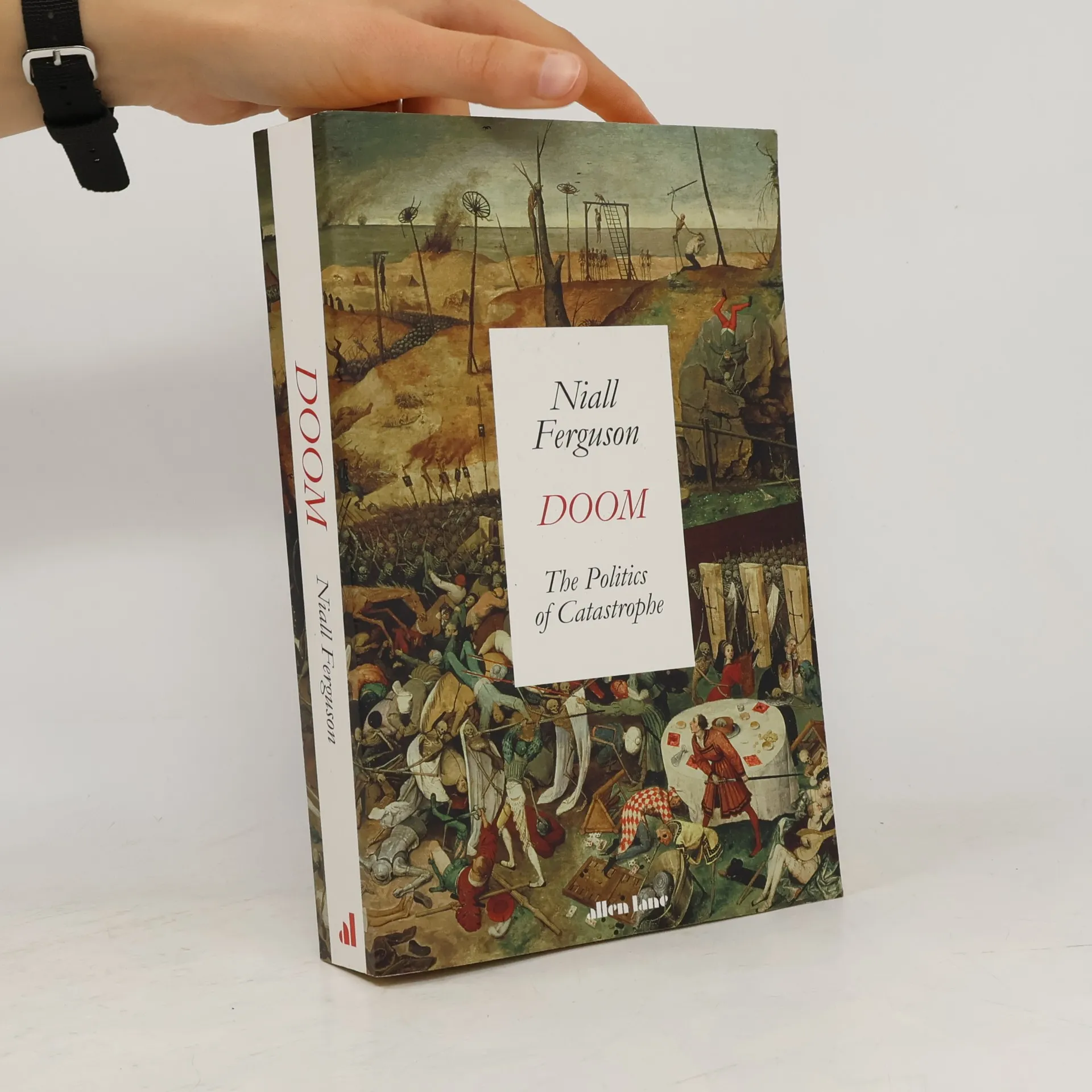
Doom : the politics of catastrophe, Niall Ferguson
- Język

- Rok wydania
- 2021
- Oprawa
- (miękka),
- Stan książki
- Dobry
- Cena
- 57,21 zł
Metody płatności
Brakuje nam tutaj Twojej recenzji.
- Tytuł
- Doom : the politics of catastrophe
- Język
- angielski
- Autorzy
- Niall Ferguson
- Wydawca
- Allen Lane
- Rok wydania
- 2021
- Oprawa
- miękka
- ISBN10
- 0241501768
- ISBN13
- 9780241501764
- Seria
- Kategorie
- Ocena
- 3,6 z 5
- Opis
- This compelling history examines the unpredictable nature of catastrophes and their consequences. Disasters like pandemics, earthquakes, and wars defy historical patterns, making it challenging to anticipate future crises. Despite advancements in science, responses to a recent pandemic were poorly managed in several developed nations. While it's easy to attribute this to inadequate leadership, the pandemic revealed deeper issues within the administrative state and economic elites, who have become increasingly shortsighted over time. Questions arise about why warnings from experts were ignored and why only some nations learned from past health crises like SARS and MERS. The frequent reliance on "the science" often devolved into misguided thinking. Drawing from history, economics, and network science, this analysis serves as a global reflection on a pandemic year. The author explores the pathologies that have led to significant damage, including imperial hubris, bureaucratic inefficiency, and societal division. The pandemic serves as a critical lesson for nations that must confront these historical failures to avoid a future marked by irreversible decline.