

Parametry
- 320 stron
- 12 godzin czytania
Więcej o książce
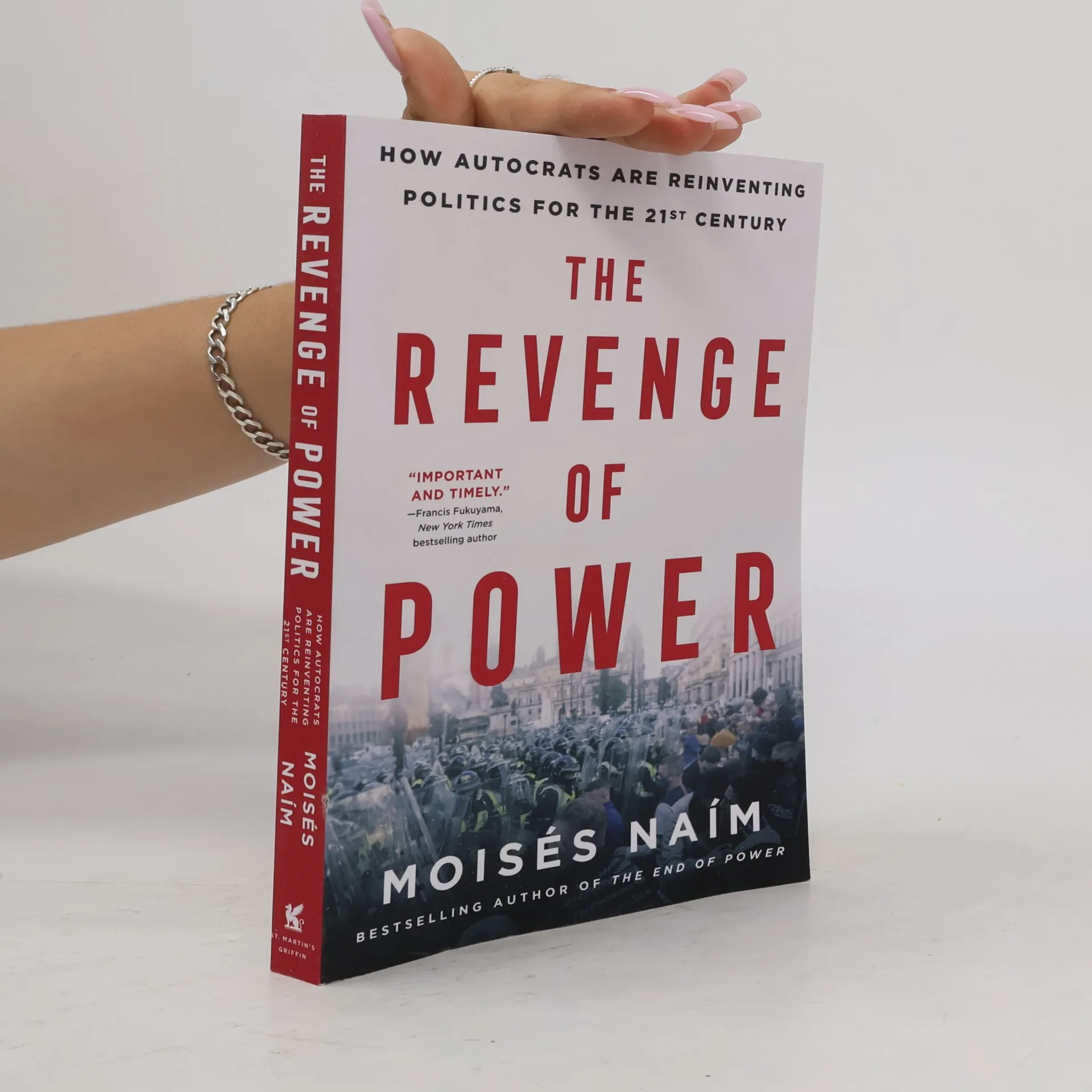
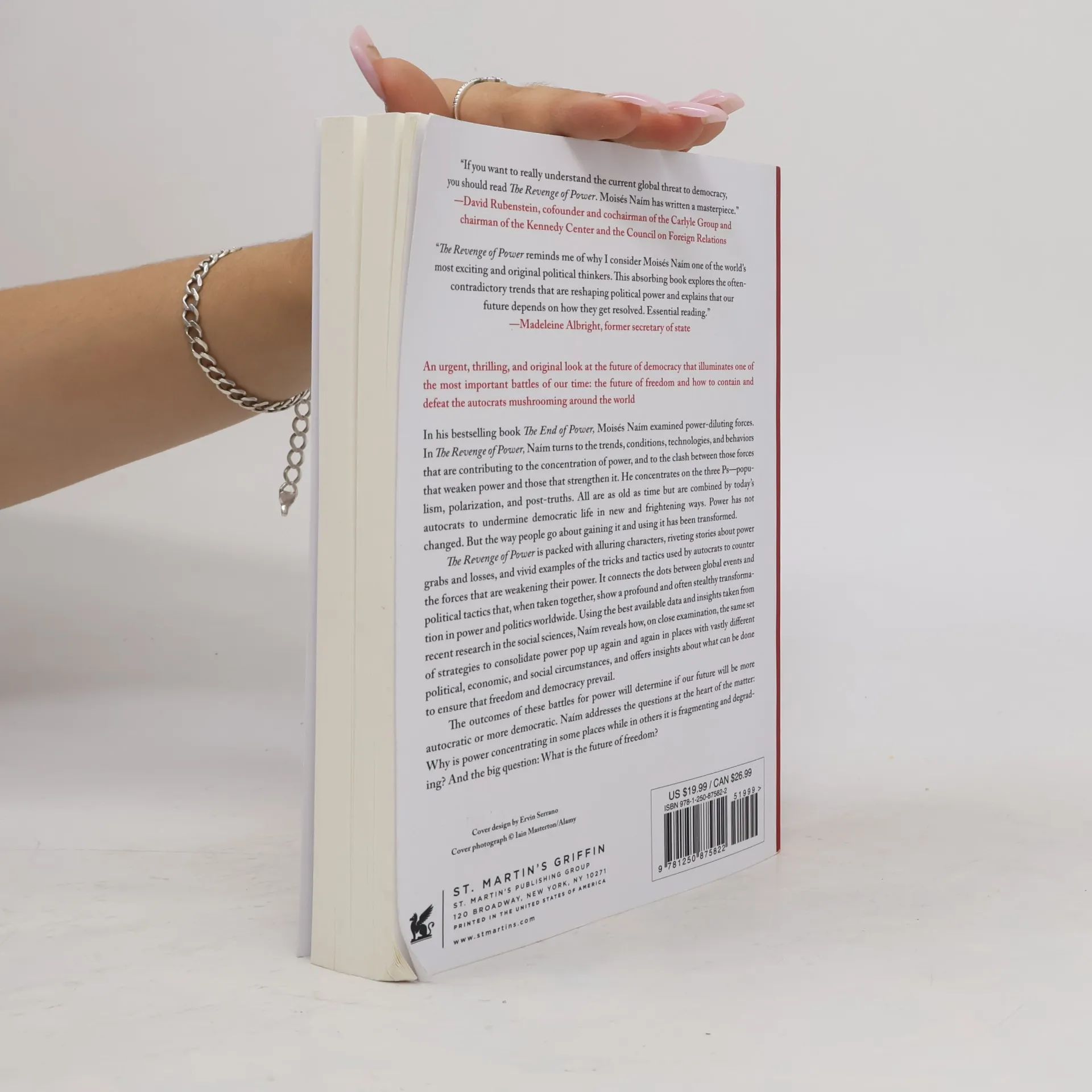
Moisés Naím's The Revenge of Power offers an urgent and original perspective on the future of democracy, focusing on the critical battle for freedom against the rise of autocrats globally. Following his exploration of power-diluting forces in The End of Power, Naím shifts his attention to the trends and behaviors that foster the concentration of power, emphasizing the interplay between weakening and strengthening forces. He highlights the three "P"s: populism, polarization, and post-truths, which, while historically rooted, are now wielded by autocrats to undermine democracy in alarming ways. Although the nature of power remains unchanged, the methods of acquiring and exercising it have evolved. Naím connects global events and political strategies, revealing a subtle yet significant transformation in power dynamics. Drawing on recent social science research, he demonstrates that similar tactics for consolidating power recur across diverse political and social landscapes. The book raises critical questions about the nature of autocratic attacks and the varying trajectories of power concentration. Ultimately, it examines whether the future will lean towards autocracy or democracy, contingent on the resilience of democratic institutions against the manipulative strategies of autocratic leaders.



Zakup książki
The Revenge of Power, Moisés Naím
- Język

- Rok wydania
- 2023
- Oprawa
- (miękka),
- Stan książki
- Dobry
- Cena
- 21,22 zł
Metody płatności
Brakuje nam tutaj Twojej recenzji.
- Tytuł
- The Revenge of Power
- Język
- angielski
- Autorzy
- Moisés Naím
- Wydawca
- St. Martin's Press
- Rok wydania
- 2023
- Oprawa
- miękka
- Liczba stron
- 320
- ISBN10
- 125087582X
- ISBN13
- 9781250875822
- Seria
- Kategorie
- Ocena
- 4,2 z 5
- Opis
- Moisés Naím's The Revenge of Power offers an urgent and original perspective on the future of democracy, focusing on the critical battle for freedom against the rise of autocrats globally. Following his exploration of power-diluting forces in The End of Power, Naím shifts his attention to the trends and behaviors that foster the concentration of power, emphasizing the interplay between weakening and strengthening forces. He highlights the three "P"s: populism, polarization, and post-truths, which, while historically rooted, are now wielded by autocrats to undermine democracy in alarming ways. Although the nature of power remains unchanged, the methods of acquiring and exercising it have evolved. Naím connects global events and political strategies, revealing a subtle yet significant transformation in power dynamics. Drawing on recent social science research, he demonstrates that similar tactics for consolidating power recur across diverse political and social landscapes. The book raises critical questions about the nature of autocratic attacks and the varying trajectories of power concentration. Ultimately, it examines whether the future will lean towards autocracy or democracy, contingent on the resilience of democratic institutions against the manipulative strategies of autocratic leaders.