



Więcej o książce
No idea is as absurd as the notion of progress, which, along with the belief in modern civilization's superiority, has distorted history and ingrained harmful myths. To grasp the essence of Tradition versus modern civilization, one must understand the doctrine of two natures: the physical and metaphysical realms, the mortal and immortal natures, and the superior realm of “being” contrasted with the inferior realm of “becoming.” This current civilization has brought restlessness, dissatisfaction, and an insatiable desire for more, leaving individuals feeling inadequate and powerless. While modern civilization may fade, it is not unique in its extinction; cycles of rise and fall are part of existence. Julius Evola critically examines the spiritual and cultural malaise within Western civilization, challenging the notion of progress and exposing the hollowness of consumerism and individualism. His analysis delves into the deeper causes undermining higher values and traditions foundational to Western culture. He aligns with Hindu philosophy, viewing history as cyclical, and advocates for revolt against the materialism of the modern age. Through a comprehensive study of Western civilization's structures, myths, and traditions, Evola confronts readers with unsettling truths about contemporary life. A controversial thinker, Evola's works explore ancient civilizations and esoteric traditions, revealing profound insights into the human


Zakup książki
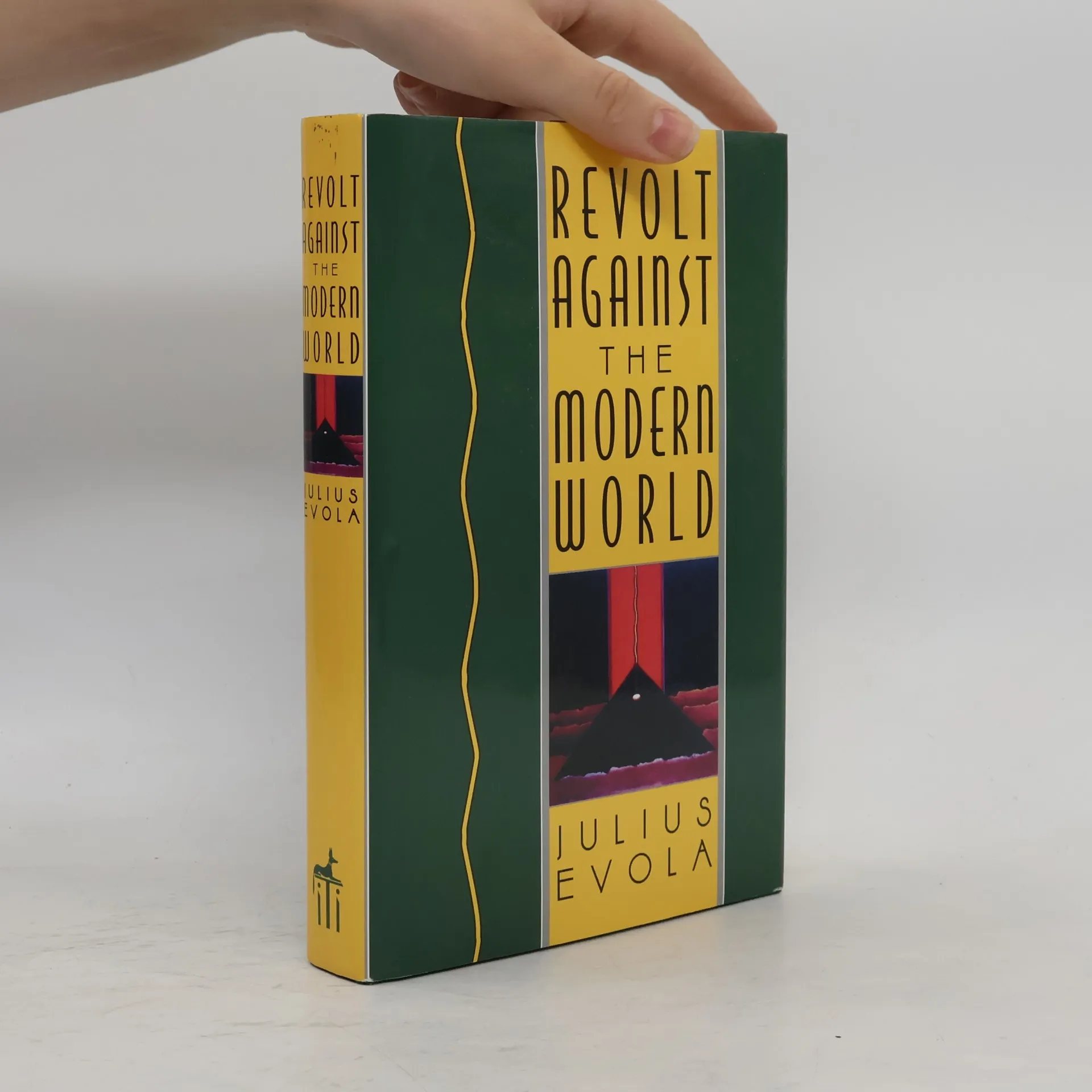
Revolt Against the Modern World, Julius Evola
- Język

- Rok wydania
- 1995
- Oprawa
- (twarda)
Metody płatności
Brakuje nam tutaj Twojej recenzji.
- Tytuł
- Revolt Against the Modern World
- Język
- angielski
- Autorzy
- Julius Evola
- Rok wydania
- 1995
- Oprawa
- twarda
- ISBN10
- 089281506x
- ISBN13
- 9780892815067
- Seria
- Kategorie
- Tagi
- Tematy historyczne, Tematy religijne, Tematyka filozoficzna, Polityka, Prezenty dla dziadka, Literatura włoska, Okultyzm, Bunt & Powstanie
- Pierwsze wydanie
- 1934
- Oryginalna nazwa
- Rivolta Contro il Mondo Moderno
- Ocena
- 4 z 5
- Opis
- No idea is as absurd as the notion of progress, which, along with the belief in modern civilization's superiority, has distorted history and ingrained harmful myths. To grasp the essence of Tradition versus modern civilization, one must understand the doctrine of two natures: the physical and metaphysical realms, the mortal and immortal natures, and the superior realm of “being” contrasted with the inferior realm of “becoming.” This current civilization has brought restlessness, dissatisfaction, and an insatiable desire for more, leaving individuals feeling inadequate and powerless. While modern civilization may fade, it is not unique in its extinction; cycles of rise and fall are part of existence. Julius Evola critically examines the spiritual and cultural malaise within Western civilization, challenging the notion of progress and exposing the hollowness of consumerism and individualism. His analysis delves into the deeper causes undermining higher values and traditions foundational to Western culture. He aligns with Hindu philosophy, viewing history as cyclical, and advocates for revolt against the materialism of the modern age. Through a comprehensive study of Western civilization's structures, myths, and traditions, Evola confronts readers with unsettling truths about contemporary life. A controversial thinker, Evola's works explore ancient civilizations and esoteric traditions, revealing profound insights into the human