

Parametry
- 256 stron
- 9 godzin czytania
Więcej o książce
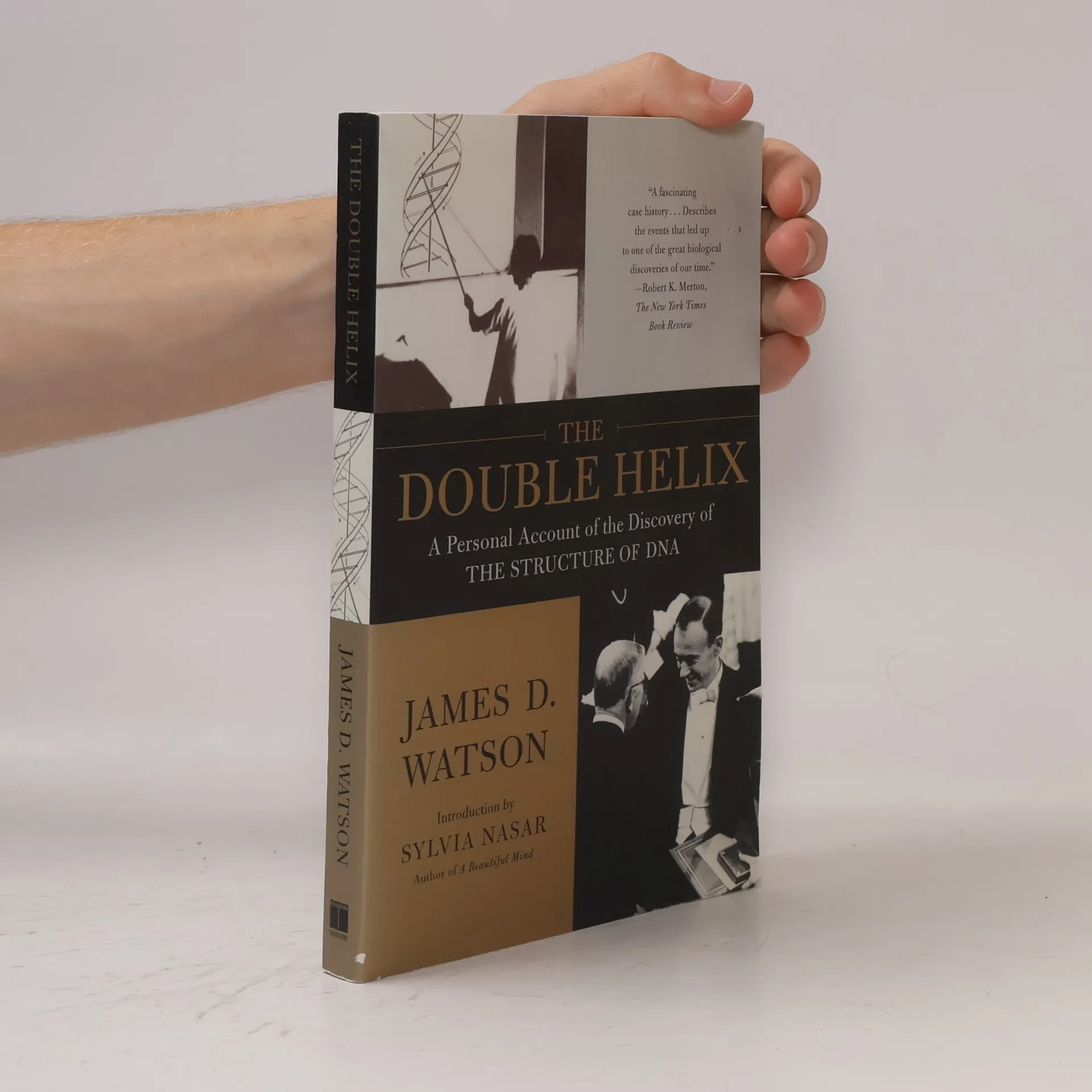
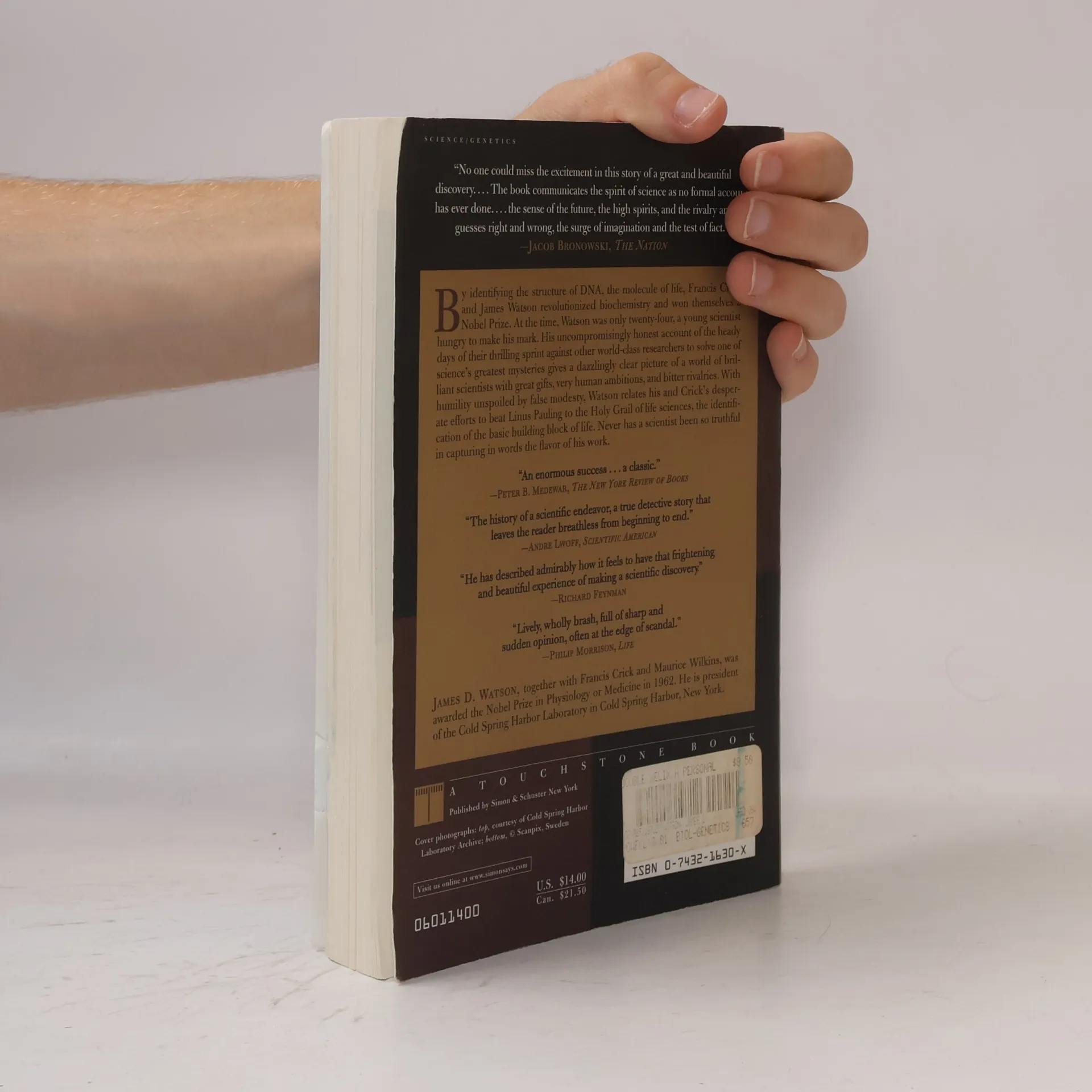
The classic personal account of Watson and Crick’s groundbreaking discovery of the structure of DNA, now with an introduction by Sylvia Nasar, author of A Beautiful Mind . By identifying the structure of DNA, the molecule of life, Francis Crick and James Watson revolutionized biochemistry and won themselves a Nobel Prize. At the time, Watson was only twenty-four, a young scientist hungry to make his mark. His uncompromisingly honest account of the heady days of their thrilling sprint against other world-class researchers to solve one of science’s greatest mysteries gives a dazzlingly clear picture of a world of brilliant scientists with great gifts, very human ambitions, and bitter rivalries. With humility unspoiled by false modesty, Watson relates his and Crick’s desperate efforts to beat Linus Pauling to the Holy Grail of life sciences, the identification of the basic building block of life. Never has a scientist been so truthful in capturing in words the flavor of his work.




Zakup książki
The Double Helix, James D. Watson, Sylvia Nasar
- Język

- Rok wydania
- 2001
- Oprawa
- (miękka)
Metody płatności
Brakuje nam tutaj Twojej recenzji.
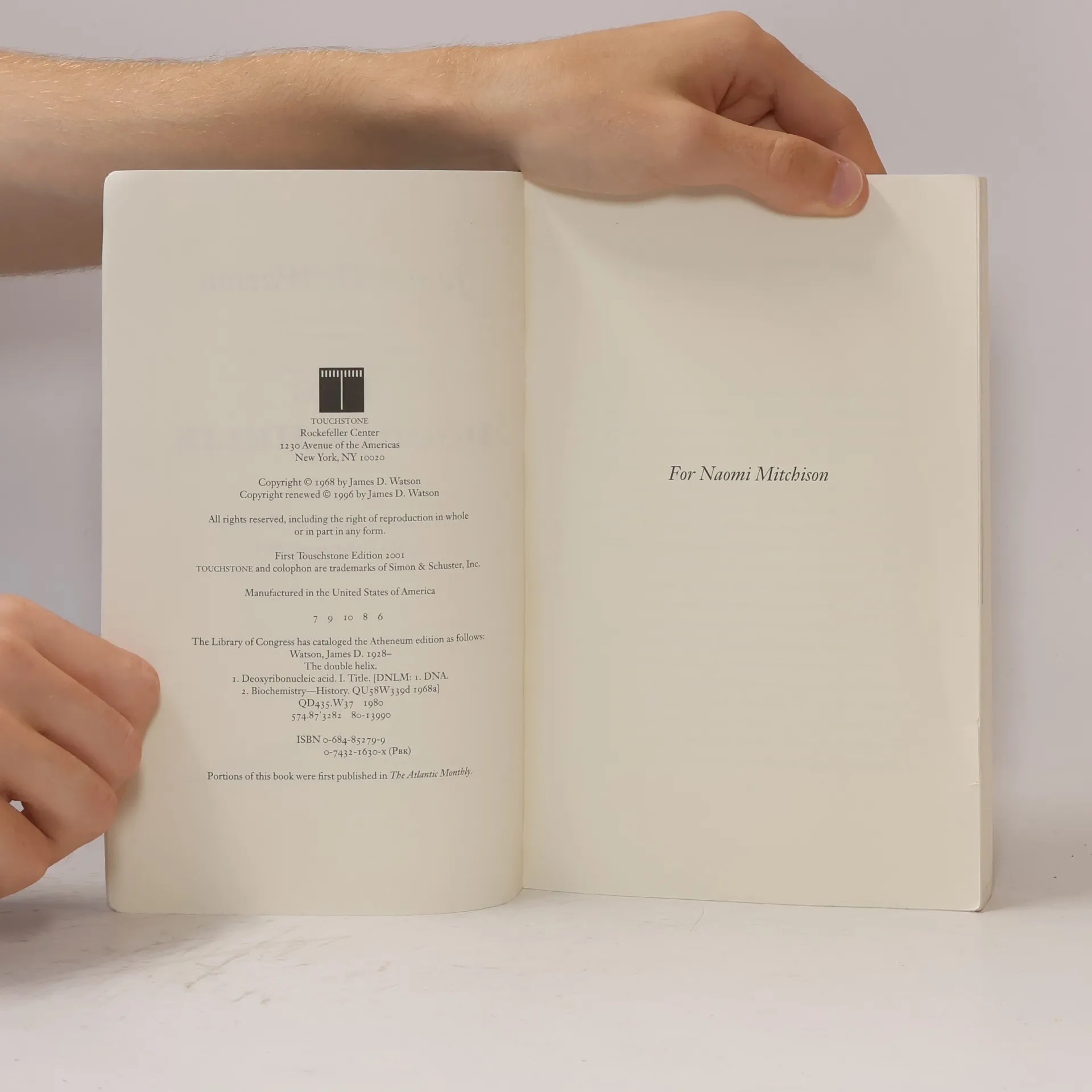
- Tytuł
- The Double Helix
- Podtytuł
- A Personal Account of the Discovery of the Structure of DNA
- Język
- angielski
- Autorzy
- James D. Watson, Sylvia Nasar
- Wydawca
- Touchstone Books
- Rok wydania
- 2001
- Oprawa
- miękka
- Liczba stron
- 256
- ISBN10
- 074321630X
- ISBN13
- 9780743216302
- Seria
- Kategorie
- Tagi
- Tematy historyczne, Nauki przyrodnicze, Nauka, Badania naukowe, Genetyka, Naukowcy, Biologia molekularna, DNA (genetyka)
- Oryginalna nazwa
- The double helix
- Ocena
- 3,65 z 5
- Opis
- The classic personal account of Watson and Crick’s groundbreaking discovery of the structure of DNA, now with an introduction by Sylvia Nasar, author of A Beautiful Mind . By identifying the structure of DNA, the molecule of life, Francis Crick and James Watson revolutionized biochemistry and won themselves a Nobel Prize. At the time, Watson was only twenty-four, a young scientist hungry to make his mark. His uncompromisingly honest account of the heady days of their thrilling sprint against other world-class researchers to solve one of science’s greatest mysteries gives a dazzlingly clear picture of a world of brilliant scientists with great gifts, very human ambitions, and bitter rivalries. With humility unspoiled by false modesty, Watson relates his and Crick’s desperate efforts to beat Linus Pauling to the Holy Grail of life sciences, the identification of the basic building block of life. Never has a scientist been so truthful in capturing in words the flavor of his work.