


Więcej o książce
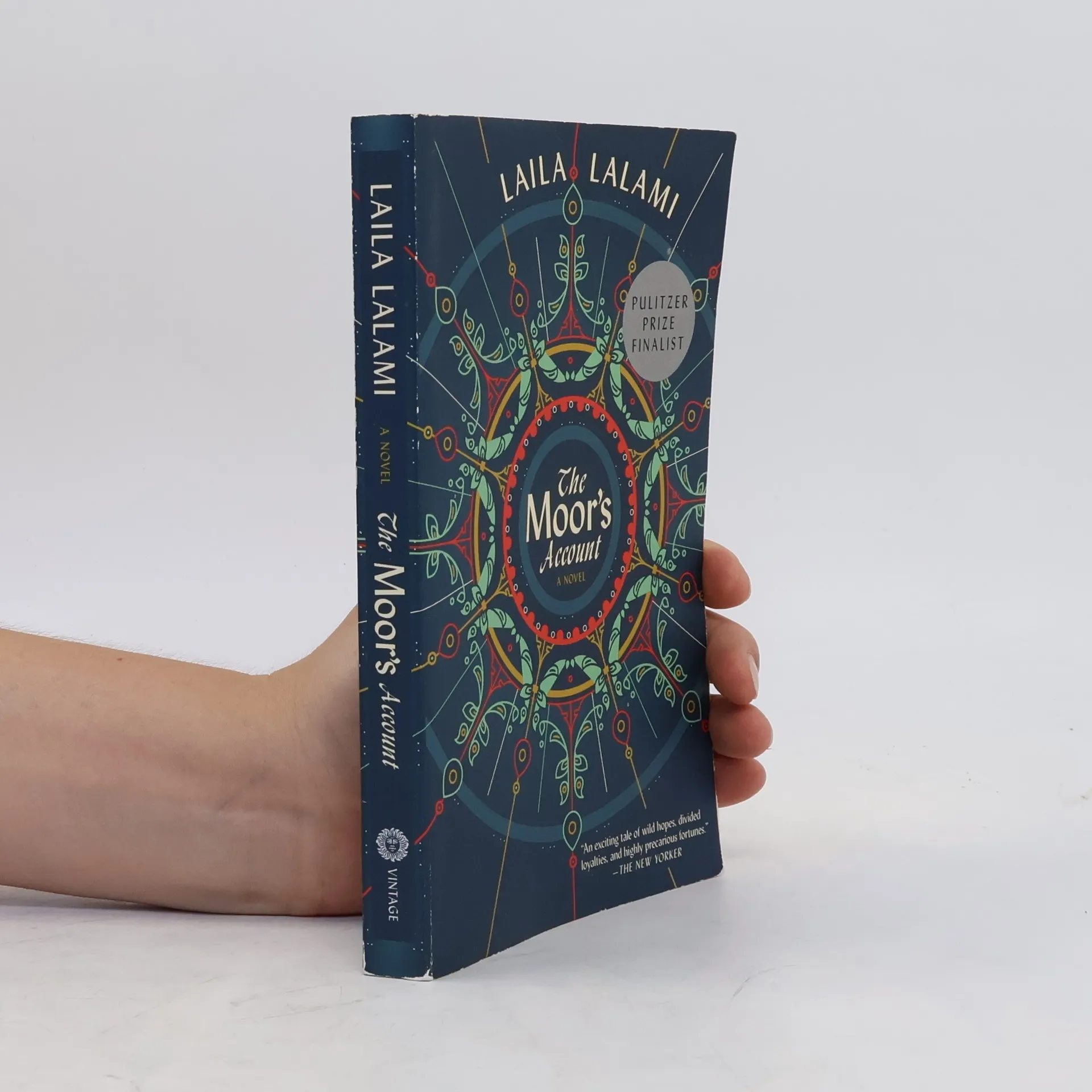
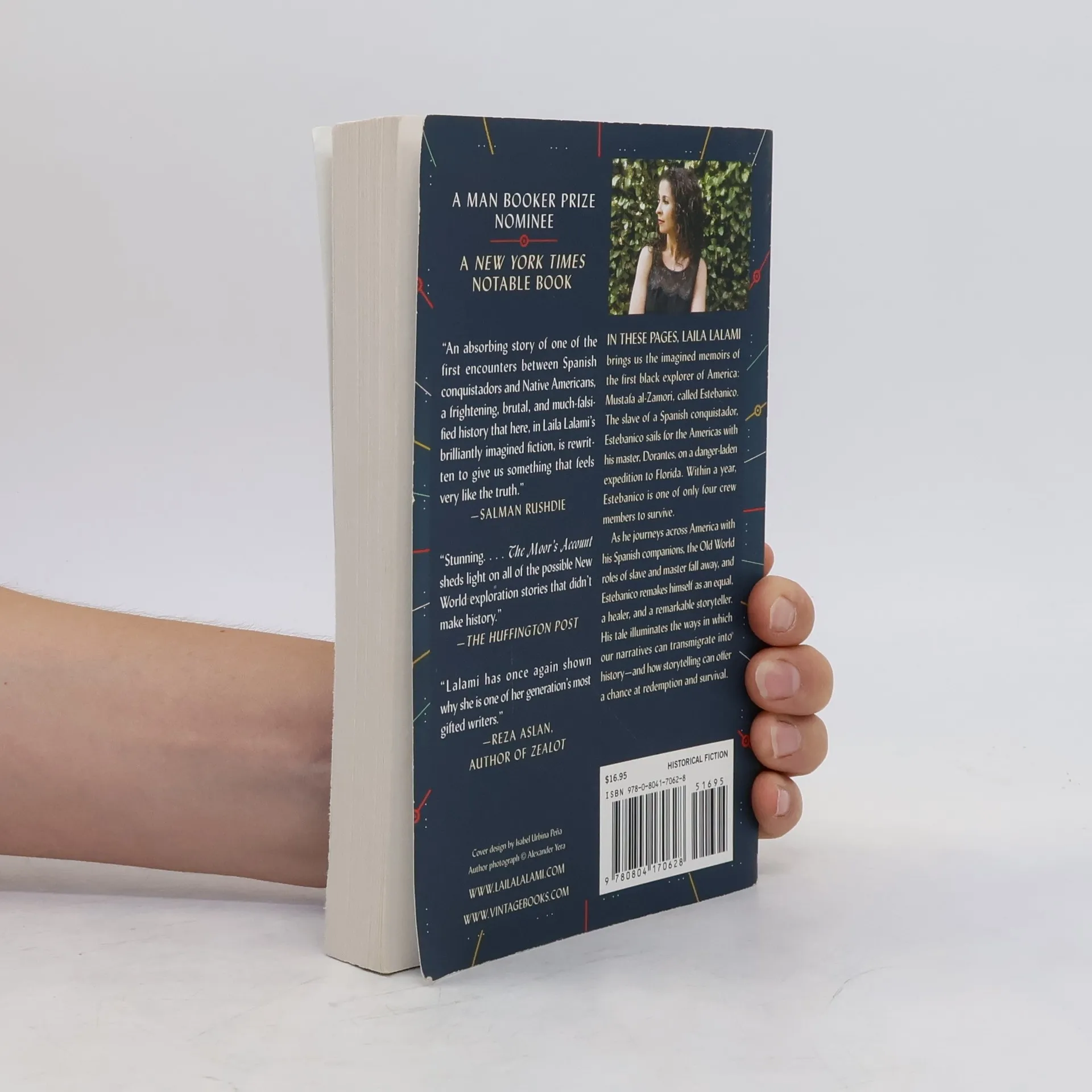
PULITZER PRIZE FINALIST • A NEW YORK TIMES NOTABLE BOOK • The imagined memoirs of the first black explorer of America—this "stunning [book] sheds light on all of the possible the New World exploration stories that didn’t make history” (Huffington Post). In these pages, Laila Lalami brings us the invented memoirs Mustafa al-Zamori, called Estebanico. The slave of a Spanish conquistador, Estebanico sails for the Americas with his master, Dorantes, as part of a danger-laden expedition to Florida. Within a year, Estebanico is one of only four crew members to survive. As he journeys across America with his Spanish companions, the Old World roles of slave and master fall away, and Estebanico remakes himself as an equal, a healer, and a remarkable storyteller. His tale illuminates the ways in which our narratives can transmigrate into history—and how storytelling can offer a chance at redemption and survival.



Zakup książki
The Moor's Account, Laila Lalami
- Język

- Rok wydania
- 2015
- Oprawa
- (miękka)
Metody płatności
Brakuje nam tutaj Twojej recenzji.
- Tytuł
- The Moor's Account
- Język
- angielski
- Autorzy
- Laila Lalami
- Wydawca
- Bantam Books
- Rok wydania
- 2015
- Oprawa
- miękka
- Liczba stron
- 336
- ISBN10
- 0804170622
- ISBN13
- 9780804170628
- Seria
- Kategorie
- Ocena
- 4 z 5
- Opis
- PULITZER PRIZE FINALIST • A NEW YORK TIMES NOTABLE BOOK • The imagined memoirs of the first black explorer of America—this "stunning [book] sheds light on all of the possible the New World exploration stories that didn’t make history” (Huffington Post). In these pages, Laila Lalami brings us the invented memoirs Mustafa al-Zamori, called Estebanico. The slave of a Spanish conquistador, Estebanico sails for the Americas with his master, Dorantes, as part of a danger-laden expedition to Florida. Within a year, Estebanico is one of only four crew members to survive. As he journeys across America with his Spanish companions, the Old World roles of slave and master fall away, and Estebanico remakes himself as an equal, a healer, and a remarkable storyteller. His tale illuminates the ways in which our narratives can transmigrate into history—and how storytelling can offer a chance at redemption and survival.