



Parametry
Więcej o książce
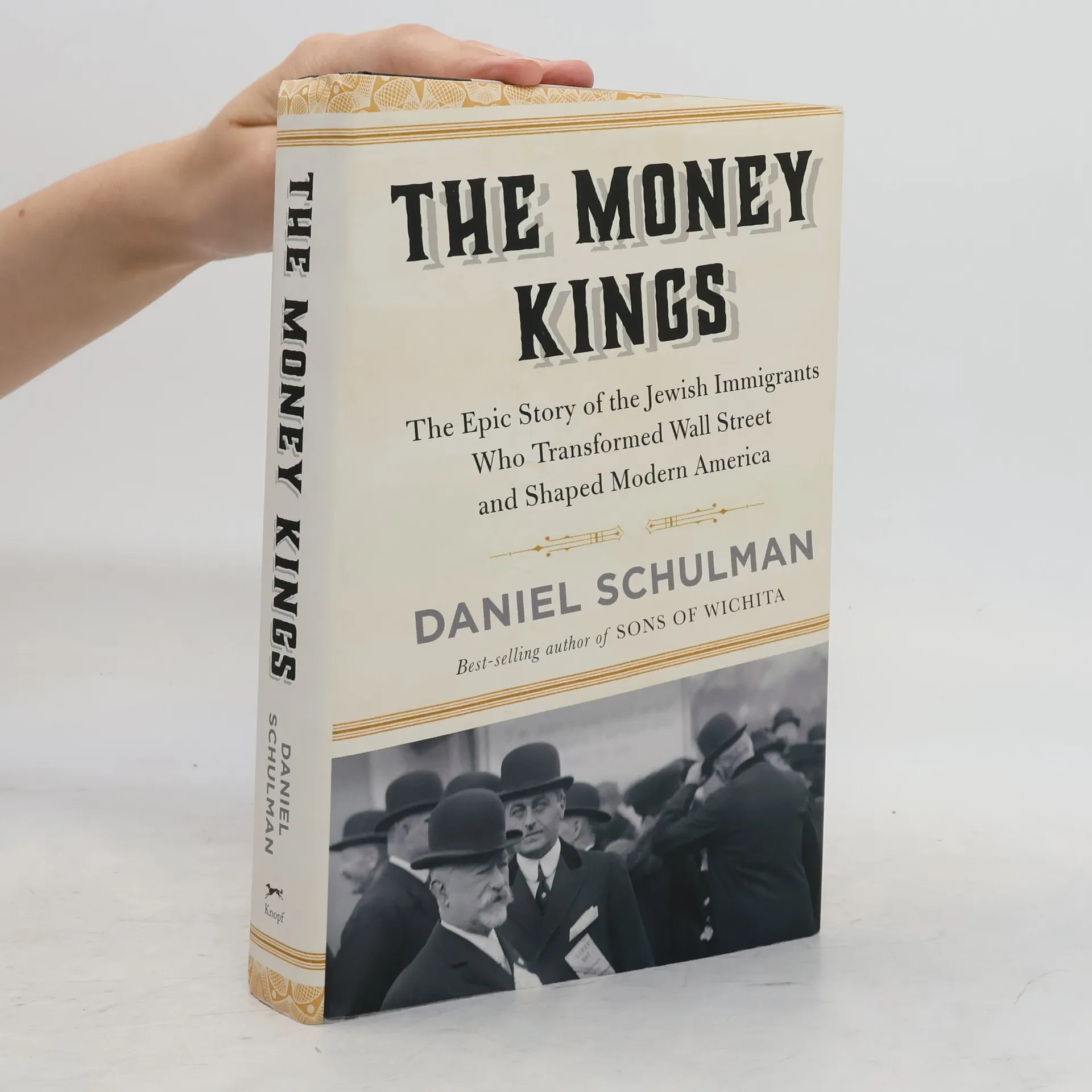
The saga of German-Jewish immigrants, including notable names like Goldman, Sachs, and Lehman, reveals how they built the modern American finance system and influenced the global economy. Joseph Seligman arrived in the U.S. in 1837 with just $100 sewn into his pants, followed by Henry and Emanuel Lehman, who opened a general store in Alabama. Marcus Goldman, among the "Forty-Eighters" escaping a repressive Germany, joined this wave of industrious immigrants. They transitioned from selling trinkets to establishing some of the largest investment banks, underwriting major businesses such as Sears and General Motors, which became integral to America's identity. The narrative explores these families' early ventures, their rise within the antisemitic upper class of the Gilded Age, and the challenges posed by the Civil War, World War I, and the Zionist movement that complicated their identities. It also highlights their lasting impact on subsequent waves of non-German Jewish immigrants arriving in New York Harbor in the early 1900s, including the author’s grandparents. With Jacob Schiff as a key figure, this story intertwines themes of materialism, moralism, family legacies, and the immigrants who helped shape the American dream.


Zakup książki
The Money Kings, Daniel Schulman
- Język

- Rok wydania
- 2023
- Oprawa
- (twarda)
Metody płatności
Brakuje nam tutaj Twojej recenzji.
- Tytuł
- The Money Kings
- Język
- angielski
- Autorzy
- Daniel Schulman
- Wydawca
- Alfred A. Knopf
- Rok wydania
- 2023
- Oprawa
- twarda
- ISBN10
- 0451493540
- ISBN13
- 9780451493545
- Seria
- Ocena
- 3,95 z 5
- Opis
- The saga of German-Jewish immigrants, including notable names like Goldman, Sachs, and Lehman, reveals how they built the modern American finance system and influenced the global economy. Joseph Seligman arrived in the U.S. in 1837 with just $100 sewn into his pants, followed by Henry and Emanuel Lehman, who opened a general store in Alabama. Marcus Goldman, among the "Forty-Eighters" escaping a repressive Germany, joined this wave of industrious immigrants. They transitioned from selling trinkets to establishing some of the largest investment banks, underwriting major businesses such as Sears and General Motors, which became integral to America's identity. The narrative explores these families' early ventures, their rise within the antisemitic upper class of the Gilded Age, and the challenges posed by the Civil War, World War I, and the Zionist movement that complicated their identities. It also highlights their lasting impact on subsequent waves of non-German Jewish immigrants arriving in New York Harbor in the early 1900s, including the author’s grandparents. With Jacob Schiff as a key figure, this story intertwines themes of materialism, moralism, family legacies, and the immigrants who helped shape the American dream.