


Więcej o książce
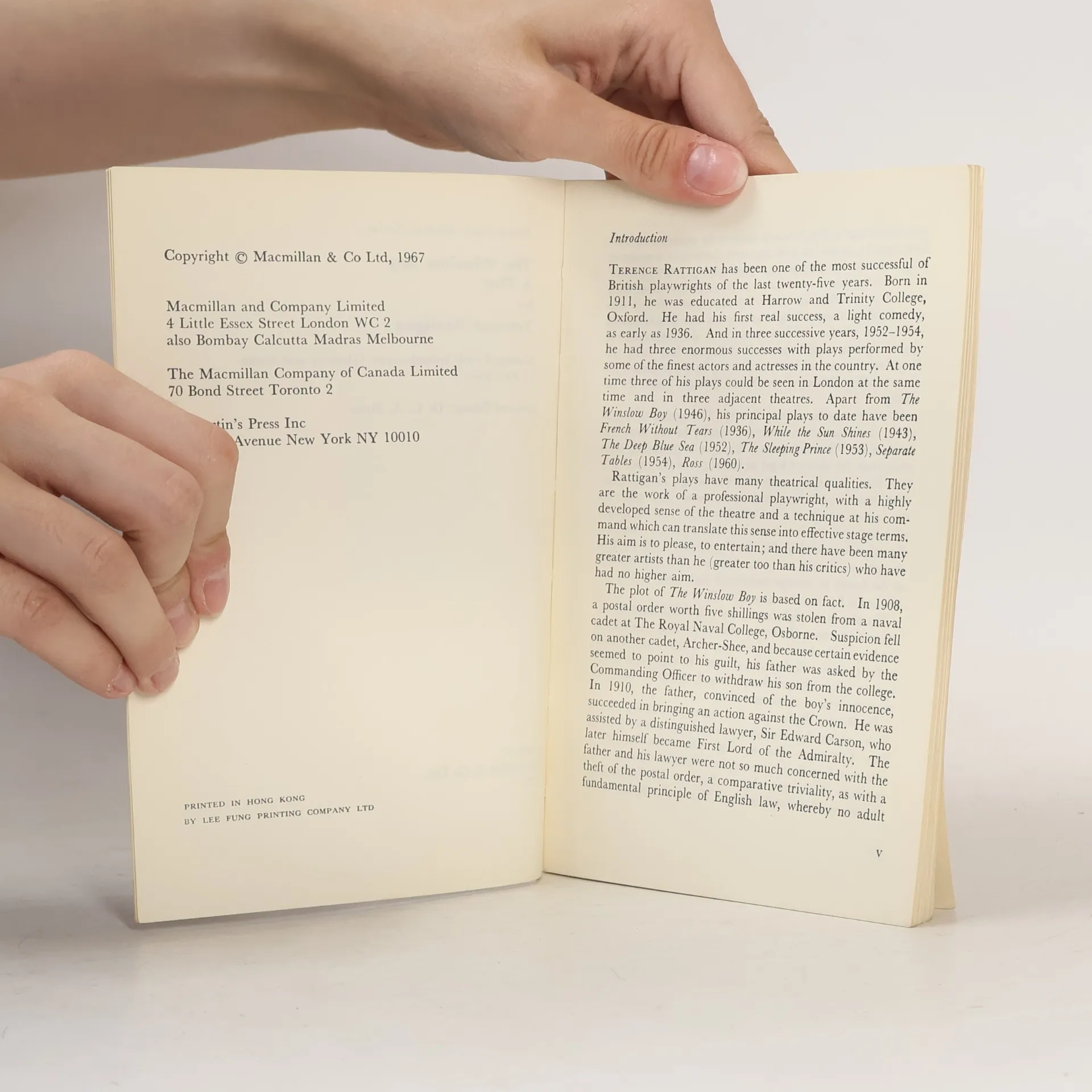
This extraordinary play is loosely based on the famous Archer-Shee case, in which a young cadet, expelled from the Royal Naval College at Osborne on a charge of petty theft, was finally vindicated after the matter had become a public and Parliamentary scandal. This trial, stemming from an incident which in itself seemed relatively unimportant, soon developed into a spectacular and significant struggle on the outcome of which certain fundamental principles of democracy were at issue. A pleasant young English boy, on seemingly conclusive evidence, was discharged from an English government school. The boy's father, believing implicitly in the youth's denial of guilt, starts to investigate the procedure by which the lad was allegedly deprived of his rights as an individual. The father puts the case into the hands of an eminent lawyer who considers the issues involved just as important as does the plaintiff. During the years that the legal fight continues, the entire country is aroused over the principles involved, and the boy's family become impoverished and suffer acutely from a sort of social ostracism to which they all fall victims. The father's stand, in particular, assumes an almost fanatical character. At the end, however - because of his ultimate belief in justice and democratic ideals - his stand is triumphantly justified.


Zakup książki
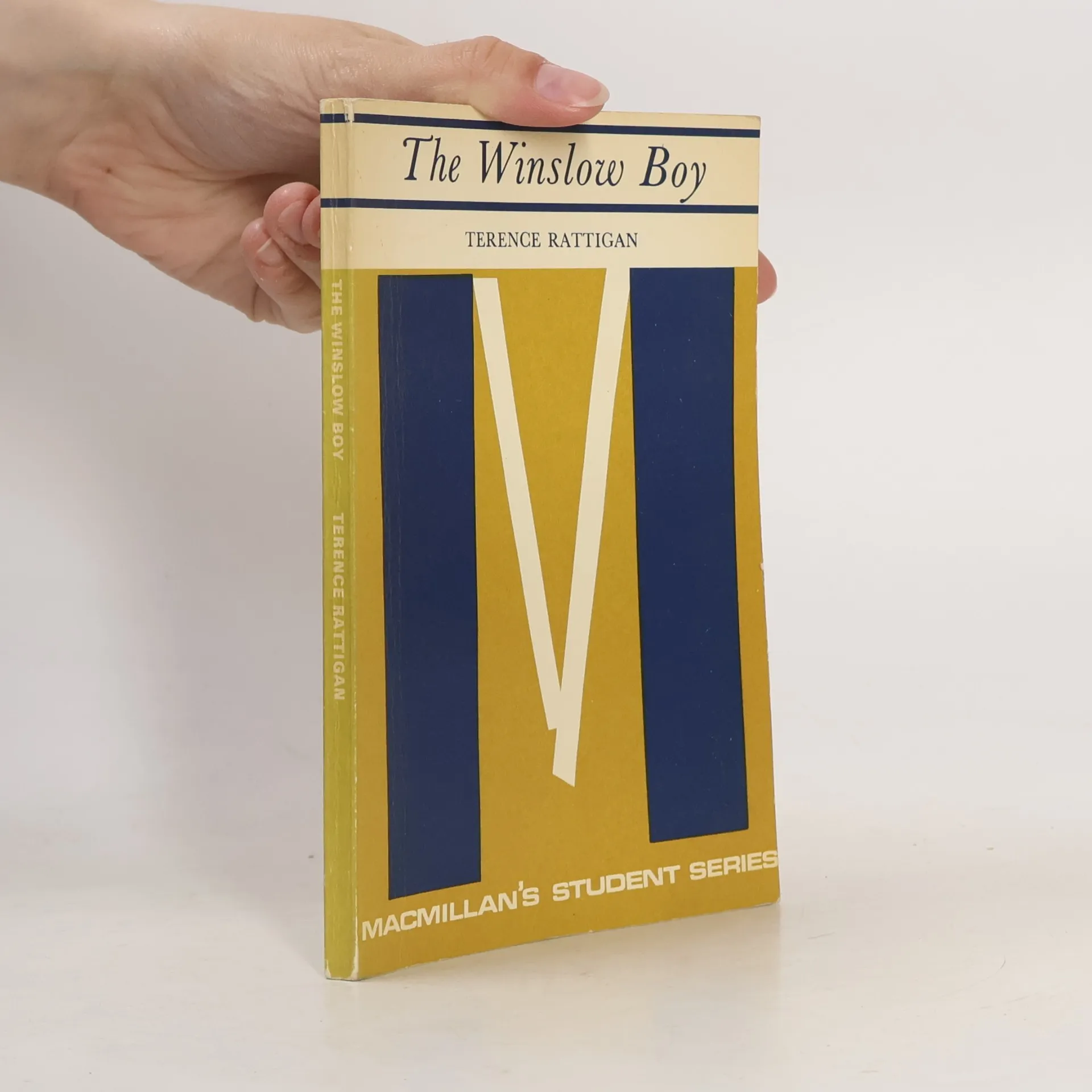
The Winslow Boy, Terence Rattigan
- Język

- Rok wydania
- 1967
- Oprawa
- (miękka),
- Stan książki
- Dobry
- Cena
- 24,78 zł
Metody płatności
Brakuje nam tutaj Twojej recenzji.
- Tytuł
- The Winslow Boy
- Język
- angielski
- Autorzy
- Terence Rattigan
- Wydawca
- Macmillan
- Rok wydania
- 1967
- Oprawa
- miękka
- Seria
- Ocena
- 3,45 z 5
- Opis
- This extraordinary play is loosely based on the famous Archer-Shee case, in which a young cadet, expelled from the Royal Naval College at Osborne on a charge of petty theft, was finally vindicated after the matter had become a public and Parliamentary scandal. This trial, stemming from an incident which in itself seemed relatively unimportant, soon developed into a spectacular and significant struggle on the outcome of which certain fundamental principles of democracy were at issue. A pleasant young English boy, on seemingly conclusive evidence, was discharged from an English government school. The boy's father, believing implicitly in the youth's denial of guilt, starts to investigate the procedure by which the lad was allegedly deprived of his rights as an individual. The father puts the case into the hands of an eminent lawyer who considers the issues involved just as important as does the plaintiff. During the years that the legal fight continues, the entire country is aroused over the principles involved, and the boy's family become impoverished and suffer acutely from a sort of social ostracism to which they all fall victims. The father's stand, in particular, assumes an almost fanatical character. At the end, however - because of his ultimate belief in justice and democratic ideals - his stand is triumphantly justified.