


Parametry
- 320 stron
- 12 godzin czytania
Więcej o książce
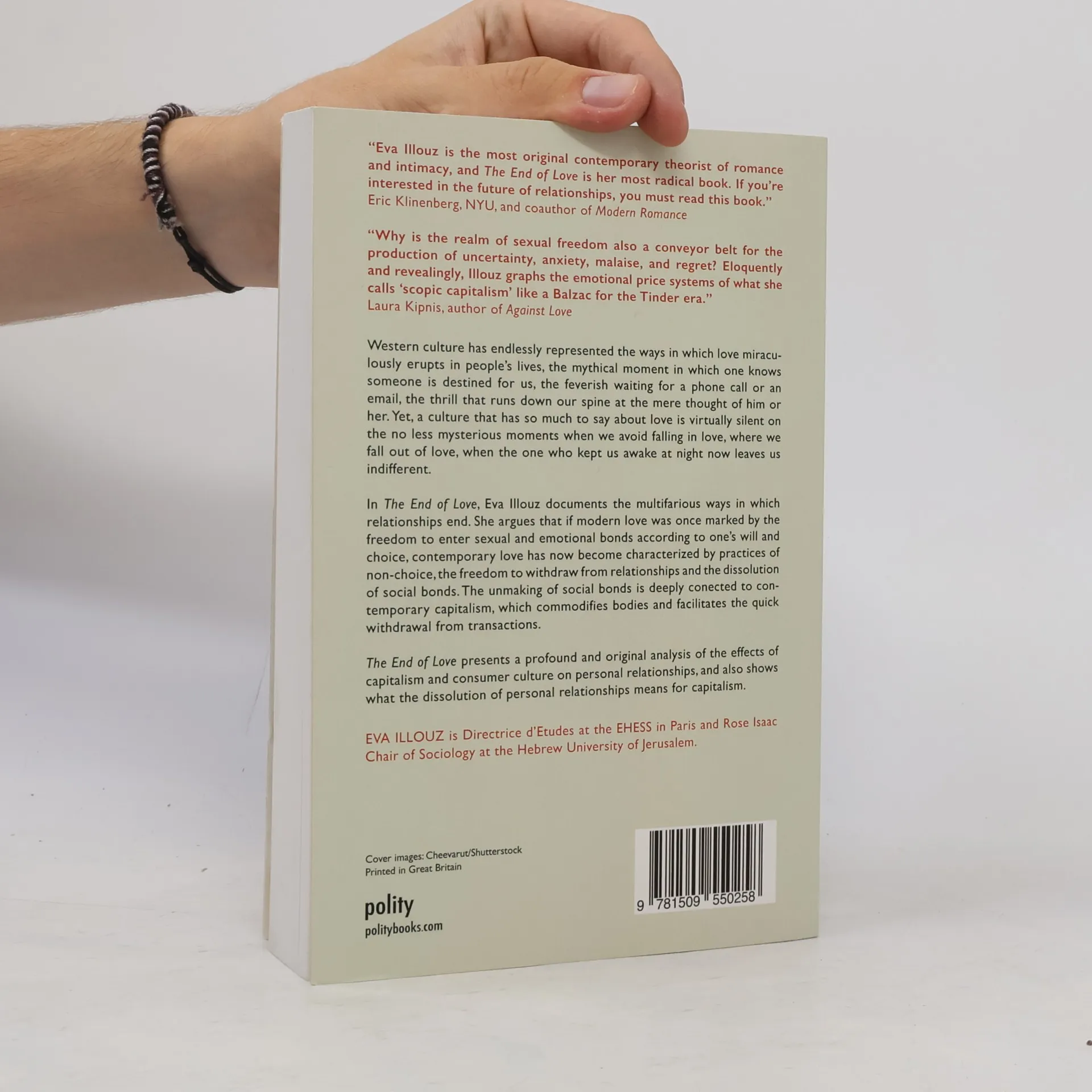
Western culture often celebrates the miraculous moments of love—the instant connection, the anticipation of communication, and the thrill of attraction. However, it remains largely silent on the equally mysterious experiences of avoiding love, falling out of it, or feeling indifference towards someone who once captivated us. In this exploration, the author documents the various ways relationships end, arguing that while modern love was once defined by the freedom to form emotional bonds, it has shifted to a focus on the freedom to withdraw from them. This phenomenon, termed "unloving," encompasses the fading and dissolution of relationships. Traditionally, sociology has examined how social bonds are formed, yet this work emphasizes the importance of understanding their collapse. A particularly notable aspect is the influence of capitalism on non-choice and unloving, which fosters a culture of non-commitment and facilitates quick exits from relationships. This shift has significant implications for society and economics, contributing to trends such as declining birth rates, increasing solitude, and reduced sexual activity. The analysis offers a profound look at how consumer culture and capitalism shape personal relationships and the broader consequences of their dissolution.




Zakup książki
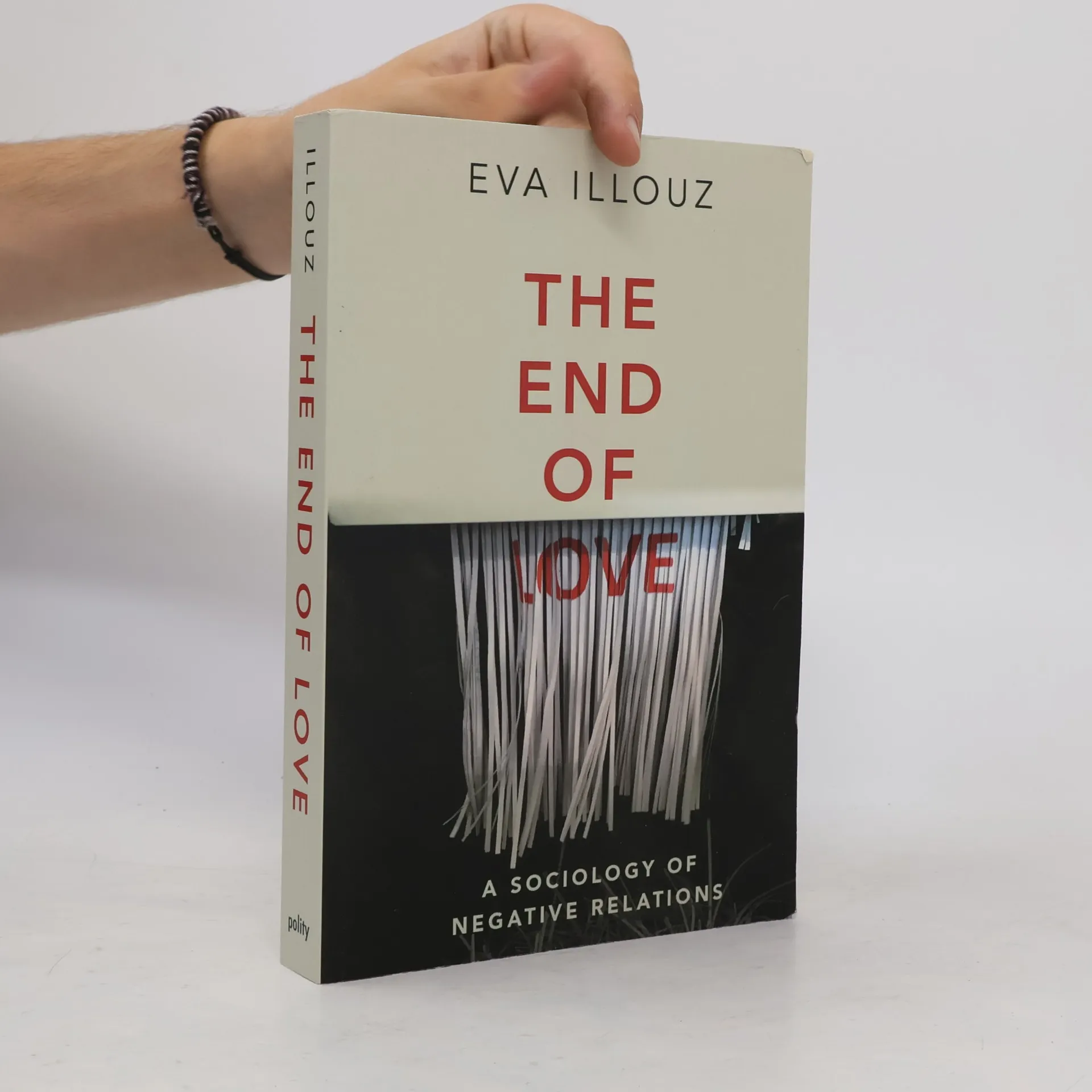
The End of Love, Eva Illouz
- Język

- Rok wydania
- 2021
- Oprawa
- (miękka)
Metody płatności
Brakuje nam tutaj Twojej recenzji.
- Tytuł
- The End of Love
- Język
- angielski
- Autorzy
- Eva Illouz
- Wydawca
- Polity Press
- Rok wydania
- 2021
- Oprawa
- miękka
- Liczba stron
- 320
- ISBN10
- 1509550259
- ISBN13
- 9781509550258
- Seria
- Kategorie
- Tagi
- Tematyka psychologiczna, Tematyka filozoficzna, Miłość, Relacje, Seksualność & Intymność, Feminizm
- Ocena
- 4,25 z 5
- Opis
- Western culture often celebrates the miraculous moments of love—the instant connection, the anticipation of communication, and the thrill of attraction. However, it remains largely silent on the equally mysterious experiences of avoiding love, falling out of it, or feeling indifference towards someone who once captivated us. In this exploration, the author documents the various ways relationships end, arguing that while modern love was once defined by the freedom to form emotional bonds, it has shifted to a focus on the freedom to withdraw from them. This phenomenon, termed "unloving," encompasses the fading and dissolution of relationships. Traditionally, sociology has examined how social bonds are formed, yet this work emphasizes the importance of understanding their collapse. A particularly notable aspect is the influence of capitalism on non-choice and unloving, which fosters a culture of non-commitment and facilitates quick exits from relationships. This shift has significant implications for society and economics, contributing to trends such as declining birth rates, increasing solitude, and reduced sexual activity. The analysis offers a profound look at how consumer culture and capitalism shape personal relationships and the broader consequences of their dissolution.