

Parametry
- 672 strony
- 24 godziny czytania
Więcej o książce
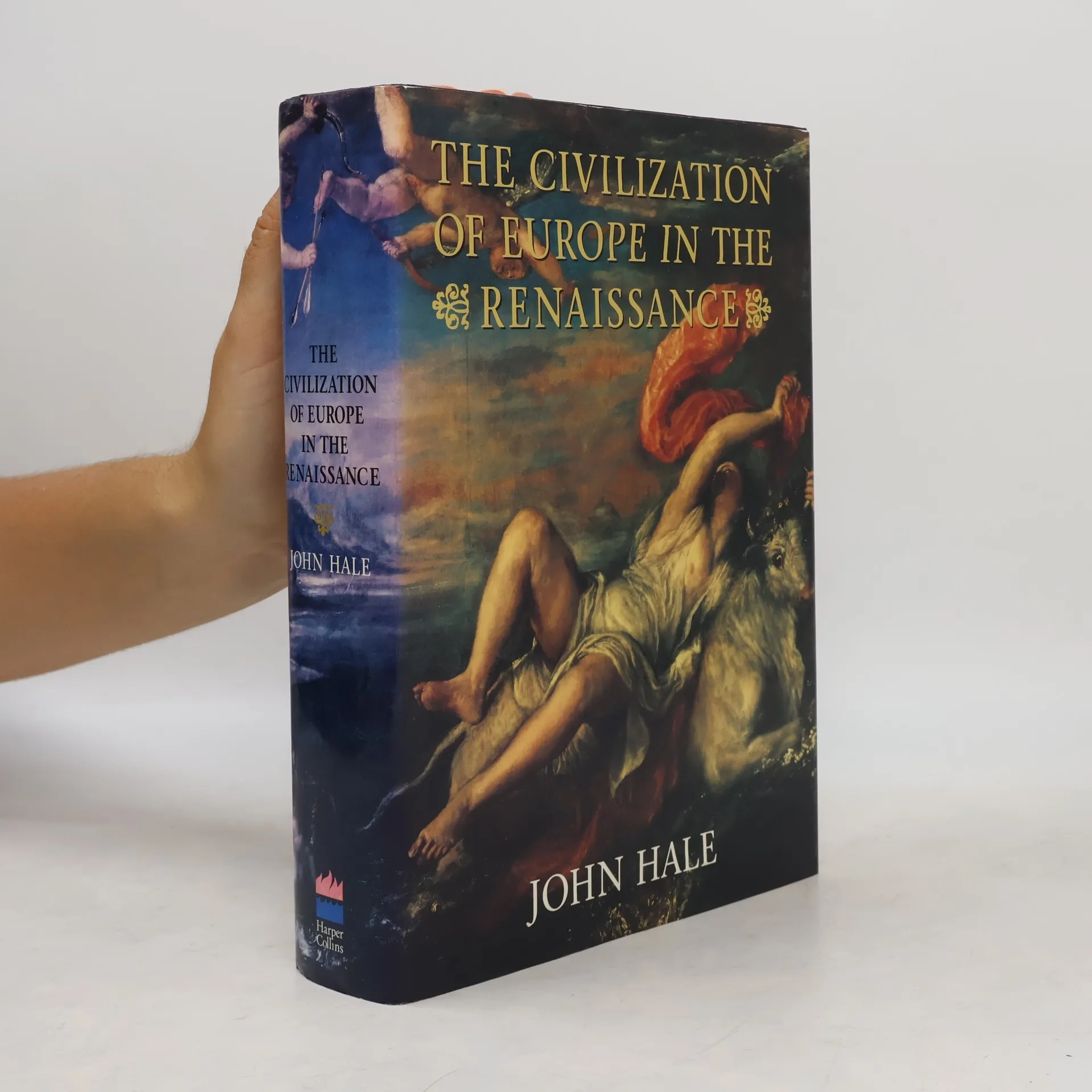
In this extraordinarily rich and engaging work, John Hale presents "an investigative impression" of a pivotal era in European civilization: the Renaissance, spanning from 1450 to 1620. This period, described by Marsilio Ficino in 1492 as a "golden age," saw a revival of the liberal arts—grammar, poetry, painting, sculpture, architecture, and music. However, Hale's exploration extends beyond the arts to encompass a broader cultural landscape. It marks the first time the terms "Europe" and "European" gained widespread significance, reflecting a new attitude toward civilization's most valued aspects. The era was characterized by intense intellectual and cultural energy, alongside dramatic changes—religious, political, economic, and global—prompting many to view their time as unique, with varying perspectives on its blessings and challenges. Hale delves into how Europeans perceived themselves and others, exploring geographical and communal divides, language use, commerce, attire, and communication. He refrains from oversimplifying these complexities, allowing individuals from the period to voice their experiences, thus bringing the age to life with diversity and immediacy. The work is marked by detailed, pointillist insights rather than broad generalizations, revealing unexpected facets in every corner. This ambitious achievement not only enriches our understanding of the Renaissance but also sheds light on the roots of contempor


Zakup książki
Civilization of Europe, J.R. Hale
- Język

- Rok wydania
- 1993
- Oprawa
- (miękka)
Metody płatności
Brakuje nam tutaj Twojej recenzji.
- Tytuł
- Civilization of Europe
- Język
- angielski
- Autorzy
- J.R. Hale
- Wydawca
- HarperCollins Publishers Ltd
- Rok wydania
- 1993
- Oprawa
- miękka
- Liczba stron
- 672
- ISBN10
- 0002153394
- ISBN13
- 9780002153393
- Seria
- Kategorie
- Ocena
- 3,9 z 5
- Opis
- In this extraordinarily rich and engaging work, John Hale presents "an investigative impression" of a pivotal era in European civilization: the Renaissance, spanning from 1450 to 1620. This period, described by Marsilio Ficino in 1492 as a "golden age," saw a revival of the liberal arts—grammar, poetry, painting, sculpture, architecture, and music. However, Hale's exploration extends beyond the arts to encompass a broader cultural landscape. It marks the first time the terms "Europe" and "European" gained widespread significance, reflecting a new attitude toward civilization's most valued aspects. The era was characterized by intense intellectual and cultural energy, alongside dramatic changes—religious, political, economic, and global—prompting many to view their time as unique, with varying perspectives on its blessings and challenges. Hale delves into how Europeans perceived themselves and others, exploring geographical and communal divides, language use, commerce, attire, and communication. He refrains from oversimplifying these complexities, allowing individuals from the period to voice their experiences, thus bringing the age to life with diversity and immediacy. The work is marked by detailed, pointillist insights rather than broad generalizations, revealing unexpected facets in every corner. This ambitious achievement not only enriches our understanding of the Renaissance but also sheds light on the roots of contempor