


Więcej o książce
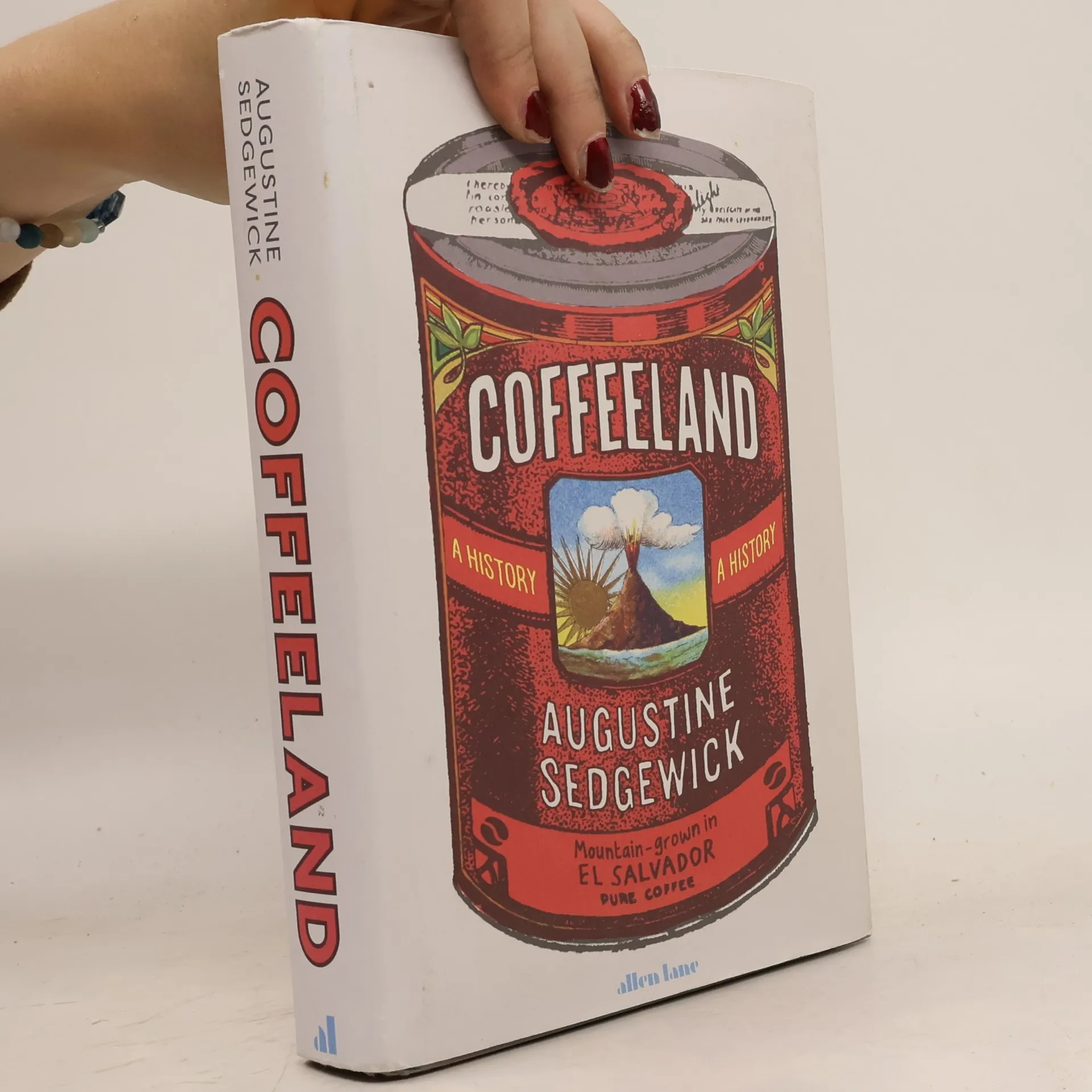
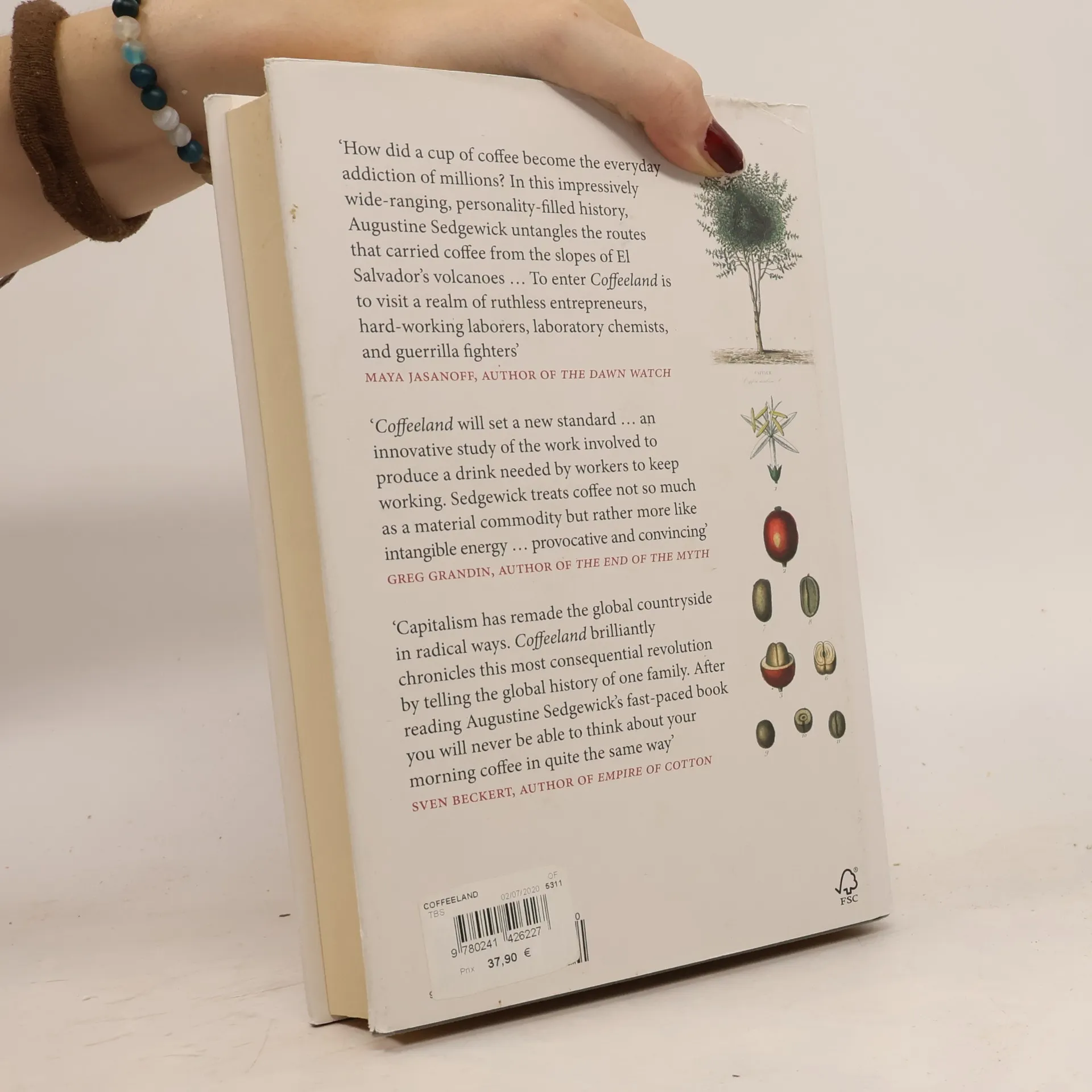
Coffee is an essential part of daily life for billions and a significant commodity in the global economy, serving as the leading source of the world's most popular drug. Augustine Sedgewick's narrative uncovers the hidden history of coffee's evolution from a mysterious Ottoman custom to a daily necessity. Central to this story is the volcanic highlands of El Salvador, where James Hill, born in the slums of Manchester, established a major coffee dynasty in the late nineteenth century. By integrating industrial revolution innovations into plantation agriculture, Hill transformed El Salvador into an intensive monoculture characterized by remarkable productivity, inequality, and violence. The book traces coffee's journey from Hill's plantations through international markets and into the United States, highlighting the processes in San Francisco's roasting plants and the packaging of major coffee brands. Sedgewick illustrates how global capitalism both connected and divided people—those who worked with coffee versus those who consumed it—creating a divide between the rich and poor. He also explores how the growth of coffee production and trade paralleled the rise of the scientific concept of energy as a universal force, reshaping perceptions of human labor and its interconnectedness, ultimately influencing both tropical landscapes and the widespread consumption of coffee today.


Zakup książki
Coffeeland, Augustine Sedgewick
- Język

- Rok wydania
- 2020
- Oprawa
- (twarda)
Metody płatności
Brakuje nam tutaj Twojej recenzji.
- Tytuł
- Coffeeland
- Język
- angielski
- Autorzy
- Augustine Sedgewick
- Wydawca
- Penguin Books Ltd (UK)
- Rok wydania
- 2020
- Oprawa
- twarda
- Liczba stron
- 448
- ISBN10
- 0241426227
- ISBN13
- 9780241426227
- Seria
- Kategorie
- Tagi
- Tematy historyczne, Biznes, Polityka, Jedzenie
- Ocena
- 3,55 z 5
- Opis
- Coffee is an essential part of daily life for billions and a significant commodity in the global economy, serving as the leading source of the world's most popular drug. Augustine Sedgewick's narrative uncovers the hidden history of coffee's evolution from a mysterious Ottoman custom to a daily necessity. Central to this story is the volcanic highlands of El Salvador, where James Hill, born in the slums of Manchester, established a major coffee dynasty in the late nineteenth century. By integrating industrial revolution innovations into plantation agriculture, Hill transformed El Salvador into an intensive monoculture characterized by remarkable productivity, inequality, and violence. The book traces coffee's journey from Hill's plantations through international markets and into the United States, highlighting the processes in San Francisco's roasting plants and the packaging of major coffee brands. Sedgewick illustrates how global capitalism both connected and divided people—those who worked with coffee versus those who consumed it—creating a divide between the rich and poor. He also explores how the growth of coffee production and trade paralleled the rise of the scientific concept of energy as a universal force, reshaping perceptions of human labor and its interconnectedness, ultimately influencing both tropical landscapes and the widespread consumption of coffee today.