



Więcej o książce
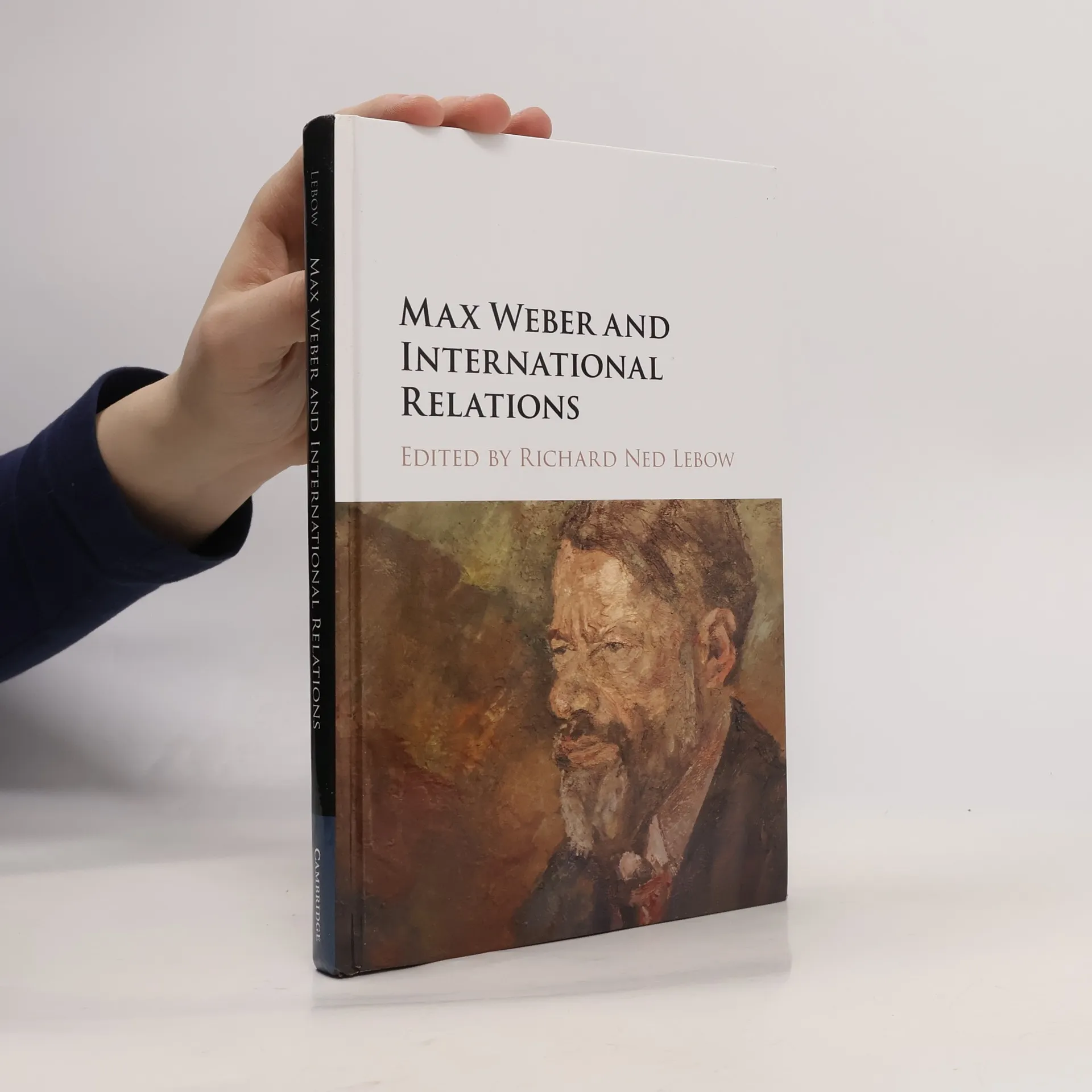
Max Weber explored the political, epistemological and ethical problems of modernity, and understood how closely connected they were. His efforts are imaginative, sophisticated, even inspiring, but also flawed. Weber's epistemological successes and failures highlight unresolvable tensions that are just as pronounced today and from which we have much to learn. This edited collection of essays offers novel readings of Weber's politics, approach to knowledge, rationality, counterfactuals, ideal types, power, bureaucracy, the state, history, and the non-Western world. The conclusions look at how some of his prominent successors have addressed or finessed the tensions of the epistemological between subjective values and subjective knowledge; the sociological between social rationalization and irrational myths; the personal among conflicting values; the political between the kinds of leaders democracies select and the national tasks that should be performed; and the tragic between human conscience and worldly affairs.


Zakup książki
Max Weber and International Relations, Richard N. Lebow
- Język

- Rok wydania
- 2017
- Oprawa
- (twarda)
Metody płatności
Nikt jeszcze nie ocenił.
- Tytuł
- Max Weber and International Relations
- Język
- angielski
- Autorzy
- Richard N. Lebow
- Wydawca
- Cambridge University Press
- Rok wydania
- 2017
- Oprawa
- twarda
- Liczba stron
- 208
- ISBN10
- 1108416381
- ISBN13
- 9781108416382
- Seria
- Opis
- Max Weber explored the political, epistemological and ethical problems of modernity, and understood how closely connected they were. His efforts are imaginative, sophisticated, even inspiring, but also flawed. Weber's epistemological successes and failures highlight unresolvable tensions that are just as pronounced today and from which we have much to learn. This edited collection of essays offers novel readings of Weber's politics, approach to knowledge, rationality, counterfactuals, ideal types, power, bureaucracy, the state, history, and the non-Western world. The conclusions look at how some of his prominent successors have addressed or finessed the tensions of the epistemological between subjective values and subjective knowledge; the sociological between social rationalization and irrational myths; the personal among conflicting values; the political between the kinds of leaders democracies select and the national tasks that should be performed; and the tragic between human conscience and worldly affairs.