


Więcej o książce
In this work, Christof Koch provides a clear definition of consciousness as any subjective experience, encompassing the feeling of being alive. Psychologists investigate the cognitive operations linked to conscious perception, while neuroscientists explore the brain's neural correlates. Koch questions why consciousness arises in the brain, a mere three-pound organ, rather than in other organs like the liver. He posits that a quantitative theory, beginning with experience and leading to the brain, is essential for understanding these phenomena. Koch presents a theory based on integrated information, which explains various aspects of consciousness neurology and has led to the development of a practical consciousness meter. This theory suggests that consciousness is more prevalent across the animal kingdom than traditionally believed. However, Koch challenges the notion that programmable computers can possess consciousness, asserting that even a perfect software model of the brain lacks true consciousness, as its simulation is merely an imitation. He emphasizes that consciousness is not a unique form of computation but is fundamentally about the experience of being.



Zakup książki
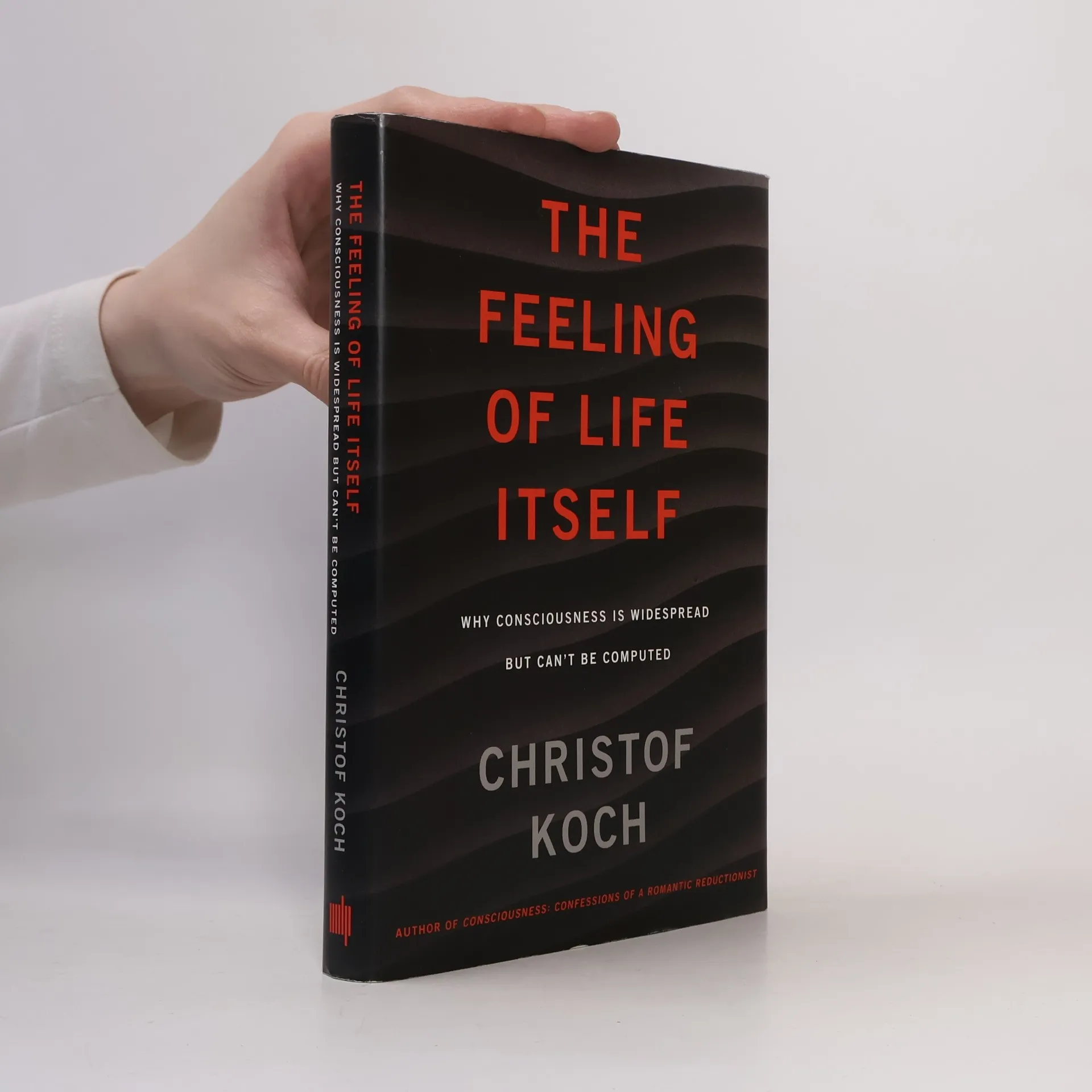
The Feeling of Life Itself, Christof Koch
- Język

- Rok wydania
- 2019
- Oprawa
- (twarda)
Metody płatności
Brakuje nam tutaj Twojej recenzji.
- Tytuł
- The Feeling of Life Itself
- Język
- angielski
- Autorzy
- Christof Koch
- Wydawca
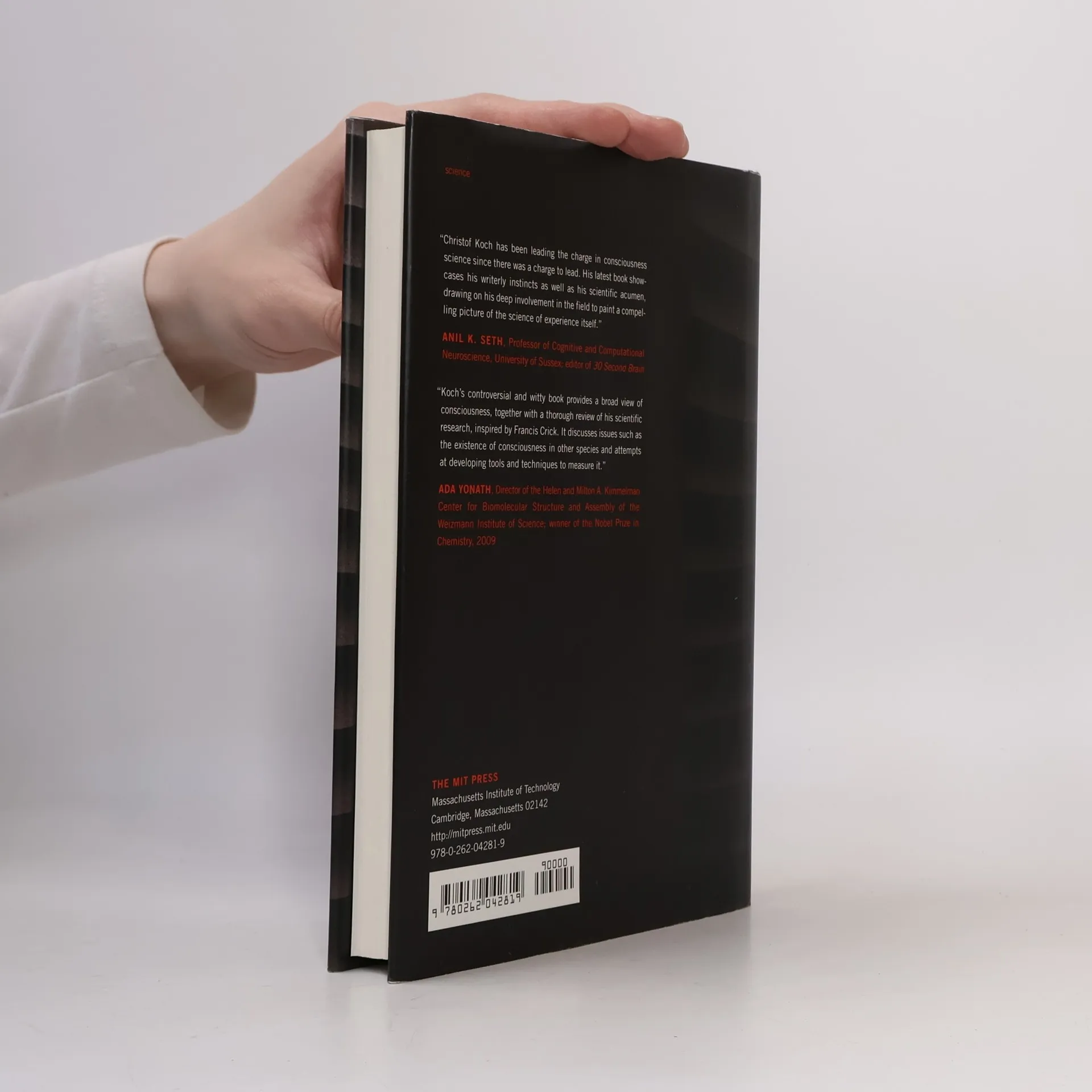
- MIT Press
- Rok wydania
- 2019
- Oprawa
- twarda
- Liczba stron
- 280
- ISBN10
- 0262042819
- ISBN13
- 9780262042819
- Seria
- Kategorie
- Tagi
- Nauki przyrodnicze, Tematyka psychologiczna, Tematyka filozoficzna, Nauka, Sztuczna inteligencja, Neurobiologia
- Ocena
- 3,85 z 5
- Opis
- In this work, Christof Koch provides a clear definition of consciousness as any subjective experience, encompassing the feeling of being alive. Psychologists investigate the cognitive operations linked to conscious perception, while neuroscientists explore the brain's neural correlates. Koch questions why consciousness arises in the brain, a mere three-pound organ, rather than in other organs like the liver. He posits that a quantitative theory, beginning with experience and leading to the brain, is essential for understanding these phenomena. Koch presents a theory based on integrated information, which explains various aspects of consciousness neurology and has led to the development of a practical consciousness meter. This theory suggests that consciousness is more prevalent across the animal kingdom than traditionally believed. However, Koch challenges the notion that programmable computers can possess consciousness, asserting that even a perfect software model of the brain lacks true consciousness, as its simulation is merely an imitation. He emphasizes that consciousness is not a unique form of computation but is fundamentally about the experience of being.