


Parametry
- 140 stron
- 5 godzin czytania
Więcej o książce
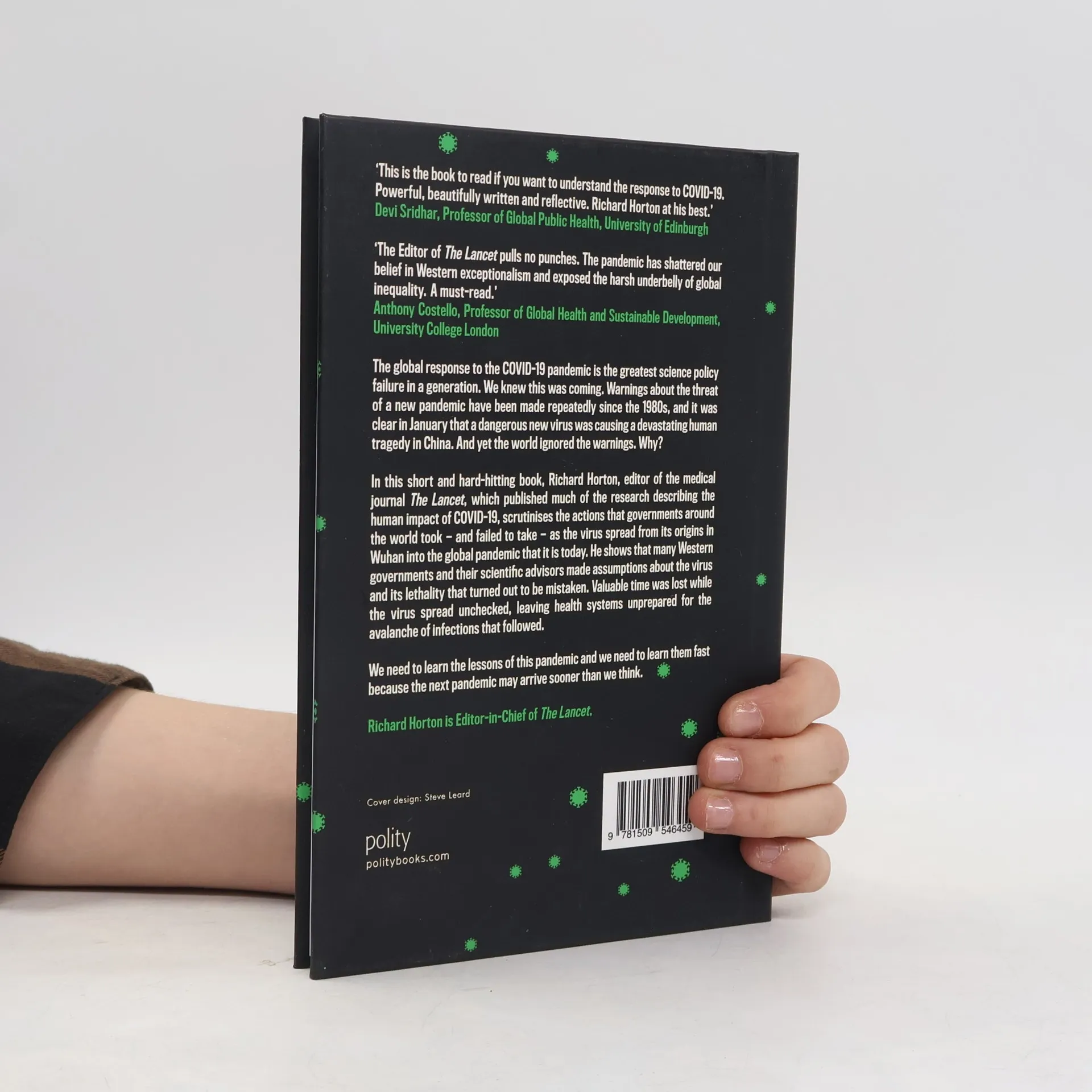
The global response to the COVID-19 pandemic represents a significant failure in science policy. Despite repeated warnings about the threat of a new pandemic since the 1980s, and clear indications in January of a dangerous virus in China, the world largely ignored these alerts. In this incisive examination, Richard Horton, editor of The Lancet, analyzes the actions—or lack thereof—taken by governments as the virus spread from Wuhan to a global crisis. He highlights how many Western governments and their scientific advisors made incorrect assumptions about the virus's lethality, resulting in lost time and unprepared health systems facing an overwhelming surge of infections. Drawing on his scientific and medical expertise, Horton proposes essential measures to be implemented at both national and international levels to avert future catastrophes. The pandemic has exposed the fragility of societies and the rapid collapse of systems we believed to be robust. It is crucial to learn from these lessons swiftly, as the next pandemic could arrive sooner than anticipated.



Zakup książki
COVID-19 Catastrophe, Richard Horton
- Język

- Rok wydania
- 2020
- Oprawa
- (twarda),
- Stan książki
- Bardzo dobry
- Cena
- 12,34 zł
Metody płatności
Nikt jeszcze nie ocenił.
- Tytuł
- COVID-19 Catastrophe
- Podtytuł
- What's Gone Wrong and How to Stop It Happening Again
- Język
- angielski
- Autorzy
- Richard Horton
- Wydawca
- Polity Press
- Rok wydania
- 2020
- Oprawa
- twarda
- Liczba stron
- 140
- ISBN10
- 1509546456
- ISBN13
- 9781509546459
- Seria
- Opis
- The global response to the COVID-19 pandemic represents a significant failure in science policy. Despite repeated warnings about the threat of a new pandemic since the 1980s, and clear indications in January of a dangerous virus in China, the world largely ignored these alerts. In this incisive examination, Richard Horton, editor of The Lancet, analyzes the actions—or lack thereof—taken by governments as the virus spread from Wuhan to a global crisis. He highlights how many Western governments and their scientific advisors made incorrect assumptions about the virus's lethality, resulting in lost time and unprepared health systems facing an overwhelming surge of infections. Drawing on his scientific and medical expertise, Horton proposes essential measures to be implemented at both national and international levels to avert future catastrophes. The pandemic has exposed the fragility of societies and the rapid collapse of systems we believed to be robust. It is crucial to learn from these lessons swiftly, as the next pandemic could arrive sooner than anticipated.