



Parametry
- 320 stron
- 12 godzin czytania
Więcej o książce
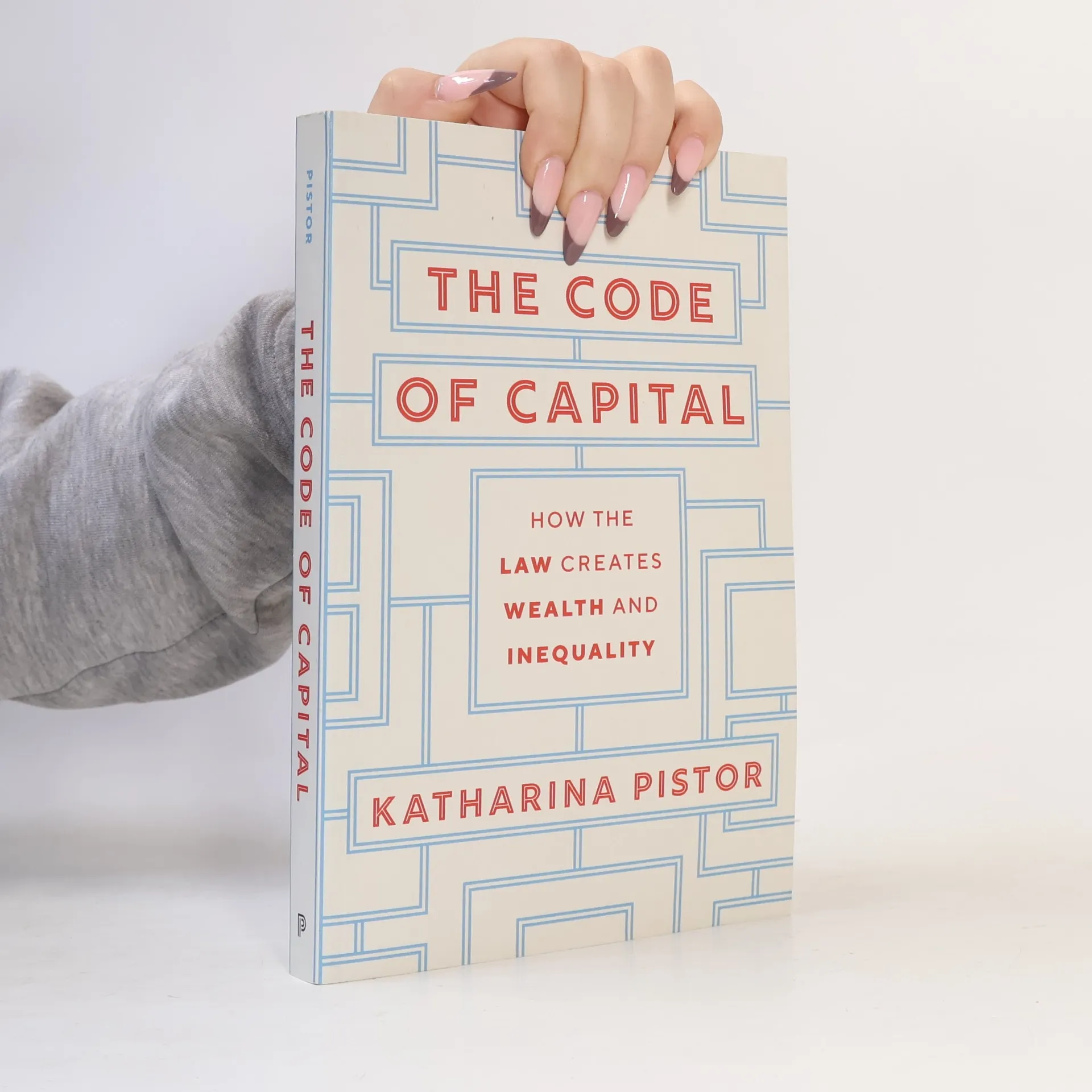
What is it that transforms a simple object, an idea, or a promise to pay into an asset that creates wealth? Katharina Pistor explains how, behind closed doors in the offices of private attorneys, capital is created--and why this little-known activity is one of the biggest reasons for the widening wealth gap between the holders of capital and everybody else. A powerful new way of thinking about one of the most pernicious problems of our time, The Code of Capital explores the various ways that debt, complex financial products, and other assets are selectively coded to protect and reproduce private wealth. This provocative book paints a troubling portrait of the pervasive global nature of the code, the people who shape it, and the governments that enforce it



Zakup książki
The Code of Capital, Katharina Pistor
- Język

- Rok wydania
- 2020
- Oprawa
- (miękka),
- Stan książki
- Dobry
- Cena
- 83,79 zł
Metody płatności
Brakuje nam tutaj Twojej recenzji.
- Tytuł
- The Code of Capital
- Język
- angielski
- Autorzy
- Katharina Pistor
- Wydawca
- Princeton University Press
- Rok wydania
- 2020
- Oprawa
- miękka
- Liczba stron
- 320
- ISBN10
- 0691208603
- ISBN13
- 9780691208602
- Seria
- Kategorie
- Tagi
- Tematy historyczne, Biznes, Tematy prawne, Polityka, Prezenty dla dziadka, Finanse, Historia gospodarcza, Sprawiedliwość, Teoria prawa, Nierówność
- Ocena
- 4,05 z 5
- Opis
- What is it that transforms a simple object, an idea, or a promise to pay into an asset that creates wealth? Katharina Pistor explains how, behind closed doors in the offices of private attorneys, capital is created--and why this little-known activity is one of the biggest reasons for the widening wealth gap between the holders of capital and everybody else. A powerful new way of thinking about one of the most pernicious problems of our time, The Code of Capital explores the various ways that debt, complex financial products, and other assets are selectively coded to protect and reproduce private wealth. This provocative book paints a troubling portrait of the pervasive global nature of the code, the people who shape it, and the governments that enforce it