



Więcej o książce
Jason Stanley explores how the liberties of the people diminish when voters support politicians who foster divisive "us versus them" politics, undermining cooperation and respect. This work builds on his previous insights to explain how individuals are misled into reversing the rights that have historically defined America. The book addresses the troubling resurgence of fascism, raising questions about its current manifestation in national populism, from figures like Trump and Bannon to movements in Europe. Stanley provides compelling evidence that fascism is not only alive but gaining traction, urging readers to recognize and confront this reality. He argues that fascism is less about governance and more about seizing control, making this a crucial read. The narrative highlights how moments of crisis can revive harmful myths, yet emphasizes the importance of dismantling these narratives to recognize our shared humanity. Stanley's analysis offers a critical framework to understand the mechanisms threatening democracies worldwide, making this book essential for anyone committed to civic responsibility. It serves as a timely guide to the ongoing struggle between democracy and authoritarianism, illuminating the connections between past and present fascist ideologies.



Zakup książki
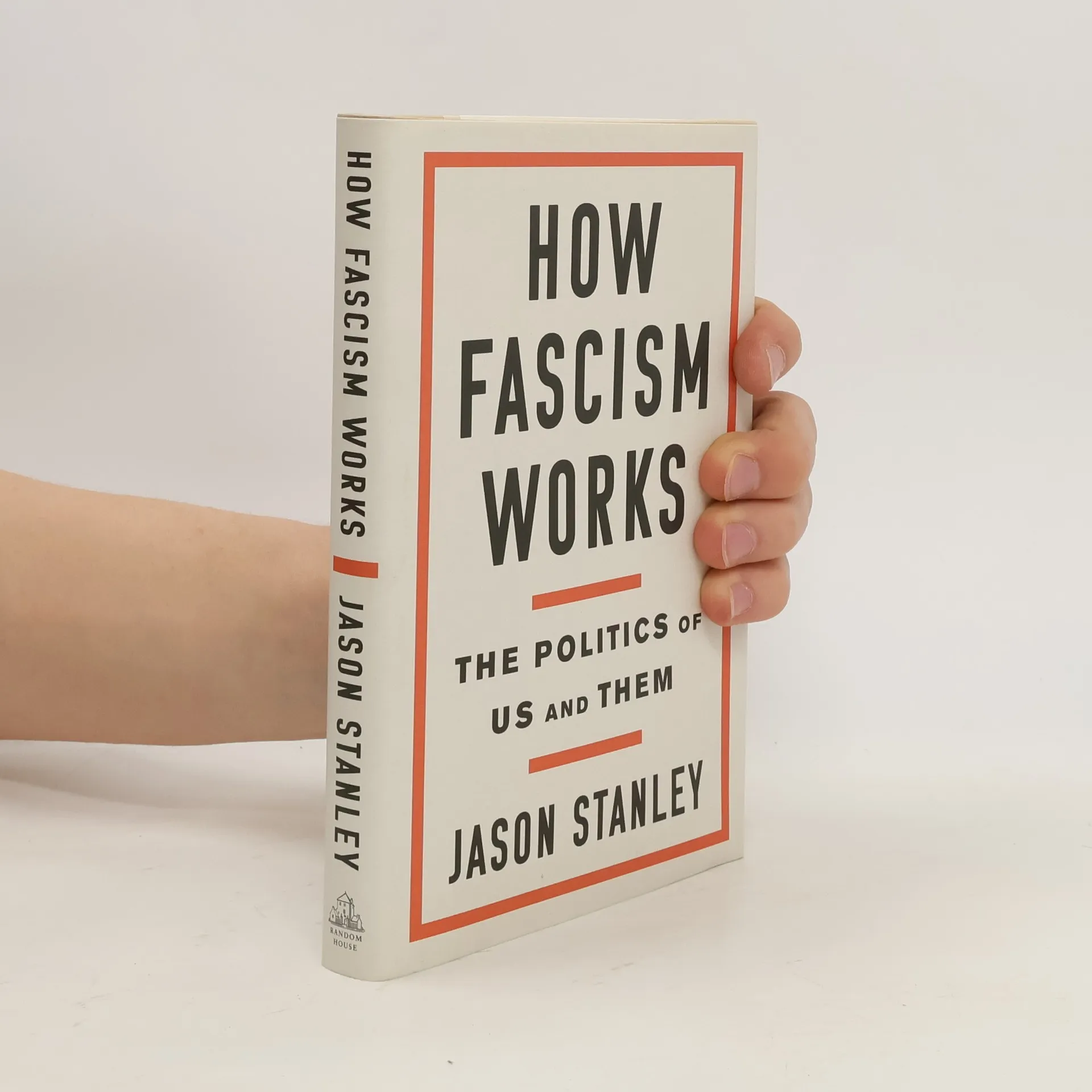
How Fascism Works, Jason Stanley
- Język

- Rok wydania
- 2018
- Oprawa
- (twarda)
Metody płatności
Brakuje nam tutaj Twojej recenzji.
- Tytuł
- How Fascism Works
- Język
- angielski
- Autorzy
- Jason Stanley
- Wydawca
- Random House US
- Rok wydania
- 2018
- Oprawa
- twarda
- Liczba stron
- 218
- ISBN10
- 0525511830
- ISBN13
- 9780525511830
- Seria
- Kategorie
- Ocena
- 4,2 z 5
- Opis
- Jason Stanley explores how the liberties of the people diminish when voters support politicians who foster divisive "us versus them" politics, undermining cooperation and respect. This work builds on his previous insights to explain how individuals are misled into reversing the rights that have historically defined America. The book addresses the troubling resurgence of fascism, raising questions about its current manifestation in national populism, from figures like Trump and Bannon to movements in Europe. Stanley provides compelling evidence that fascism is not only alive but gaining traction, urging readers to recognize and confront this reality. He argues that fascism is less about governance and more about seizing control, making this a crucial read. The narrative highlights how moments of crisis can revive harmful myths, yet emphasizes the importance of dismantling these narratives to recognize our shared humanity. Stanley's analysis offers a critical framework to understand the mechanisms threatening democracies worldwide, making this book essential for anyone committed to civic responsibility. It serves as a timely guide to the ongoing struggle between democracy and authoritarianism, illuminating the connections between past and present fascist ideologies.