


Więcej o książce
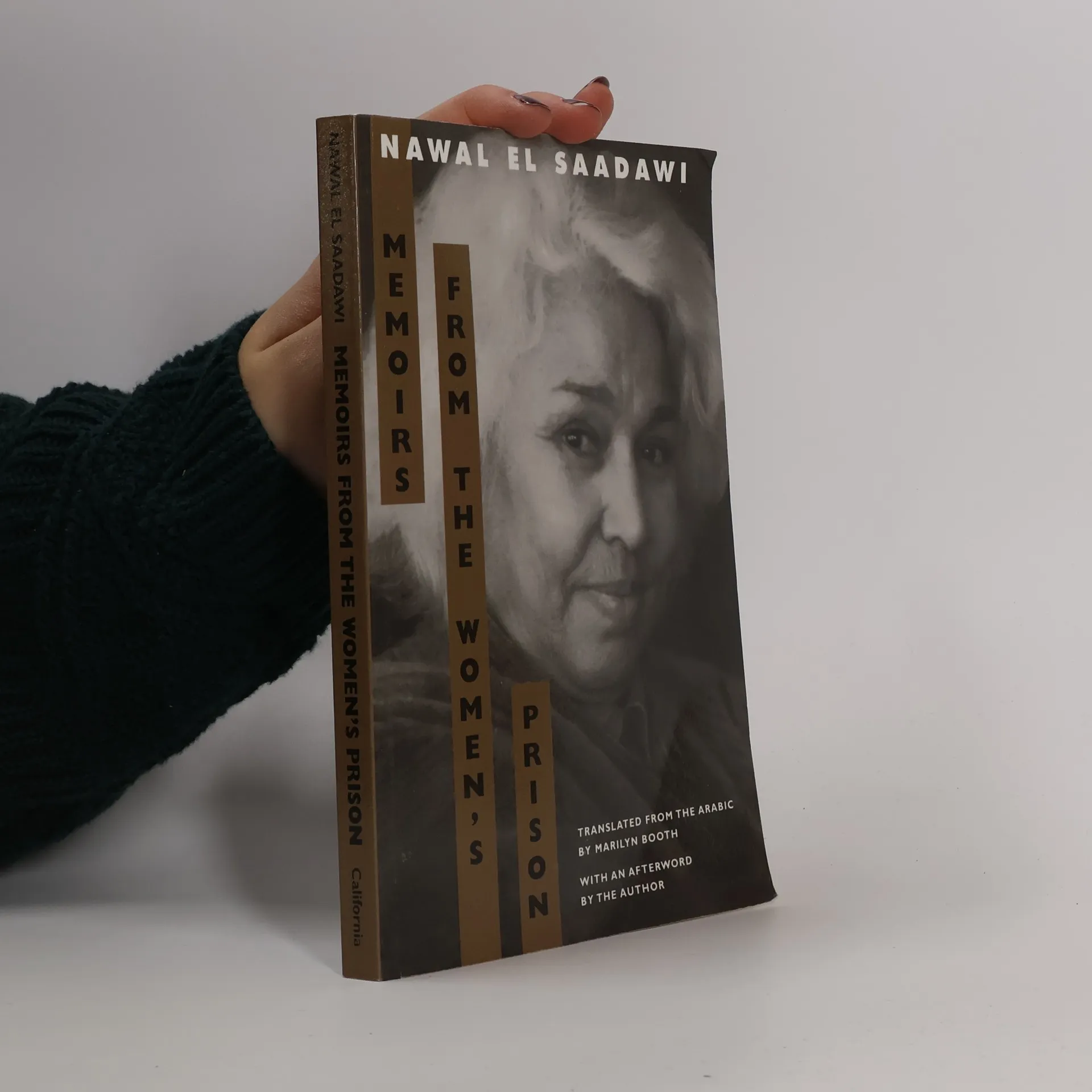
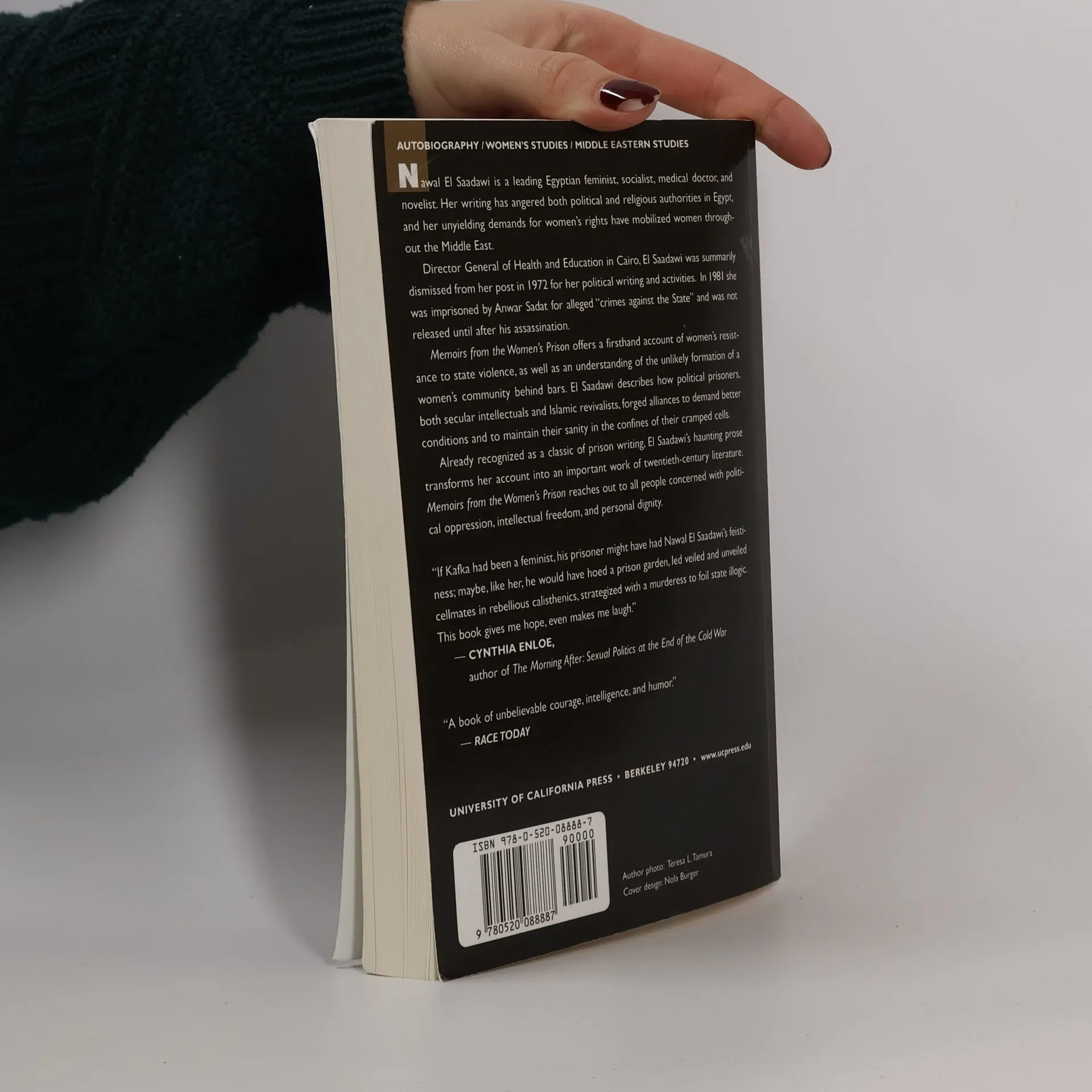
Often likened to Rigoberta Menchu and Nadine Gordimer, Nawal El Saadawi is one of the world's leading feminist authors. Director of Health and Education in Cairo, she was summarily dismissed from her post in 1972 for her political writing and activities. In 1981 she was imprisoned by Anwar Sadat for alleged "crimes against the State" and was not released until after his assassination.Memoirs from the Women's Prison offers both firsthand witness to women's resistance to state violence and fascinating insights into the formation of women's community. Saadawi describes how political prisoners, both secular intellectuals and Islamic revivalists, forged alliances to demand better conditions and to maintain their sanity in the confines of their cramped cell.Saadawi's haunting prose makes Memoirs an important work of twentieth-century literature. Recognized as a classic of prison writing, it touches all who are concerned with political oppression, intellectual freedom, and personal dignity.


Zakup książki
Memoirs from the Women's Prison, Nawāl as- Saʿdāwī, Marilyn Booth
- Język

- Rok wydania
- 1994
- Oprawa
- (miękka)
Metody płatności
Brakuje nam tutaj Twojej recenzji.
- Tytuł
- Memoirs from the Women's Prison
- Język
- angielski
- Autorzy
- Nawāl as- Saʿdāwī, Marilyn Booth
- Rok wydania
- 1994
- Oprawa
- miękka
- Liczba stron
- 214
- ISBN10
- 0520088883
- ISBN13
- 9780520088887
- Seria
- Kategorie
- Ocena
- 4 z 5
- Opis
- Often likened to Rigoberta Menchu and Nadine Gordimer, Nawal El Saadawi is one of the world's leading feminist authors. Director of Health and Education in Cairo, she was summarily dismissed from her post in 1972 for her political writing and activities. In 1981 she was imprisoned by Anwar Sadat for alleged "crimes against the State" and was not released until after his assassination.Memoirs from the Women's Prison offers both firsthand witness to women's resistance to state violence and fascinating insights into the formation of women's community. Saadawi describes how political prisoners, both secular intellectuals and Islamic revivalists, forged alliances to demand better conditions and to maintain their sanity in the confines of their cramped cell.Saadawi's haunting prose makes Memoirs an important work of twentieth-century literature. Recognized as a classic of prison writing, it touches all who are concerned with political oppression, intellectual freedom, and personal dignity.