

Więcej o książce
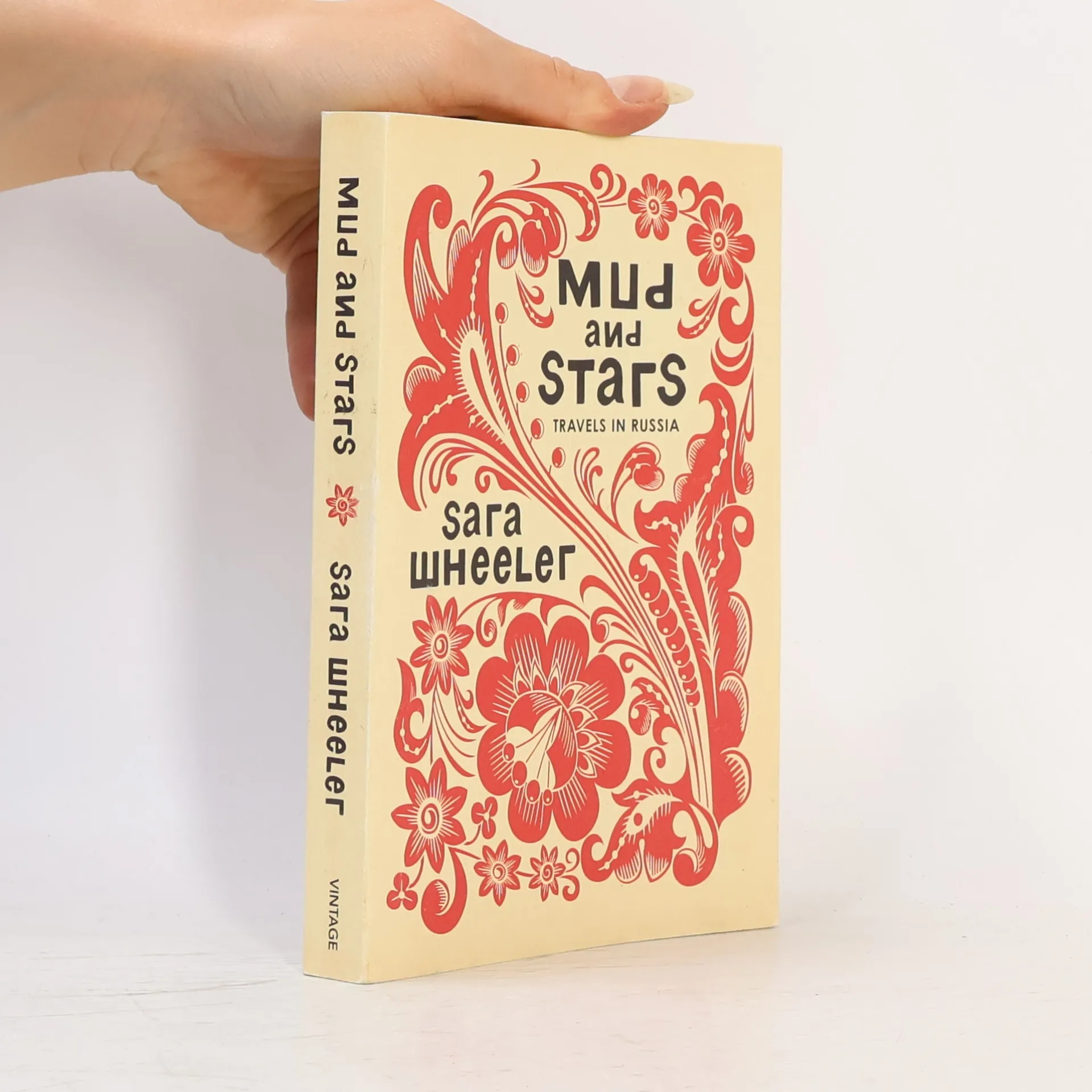
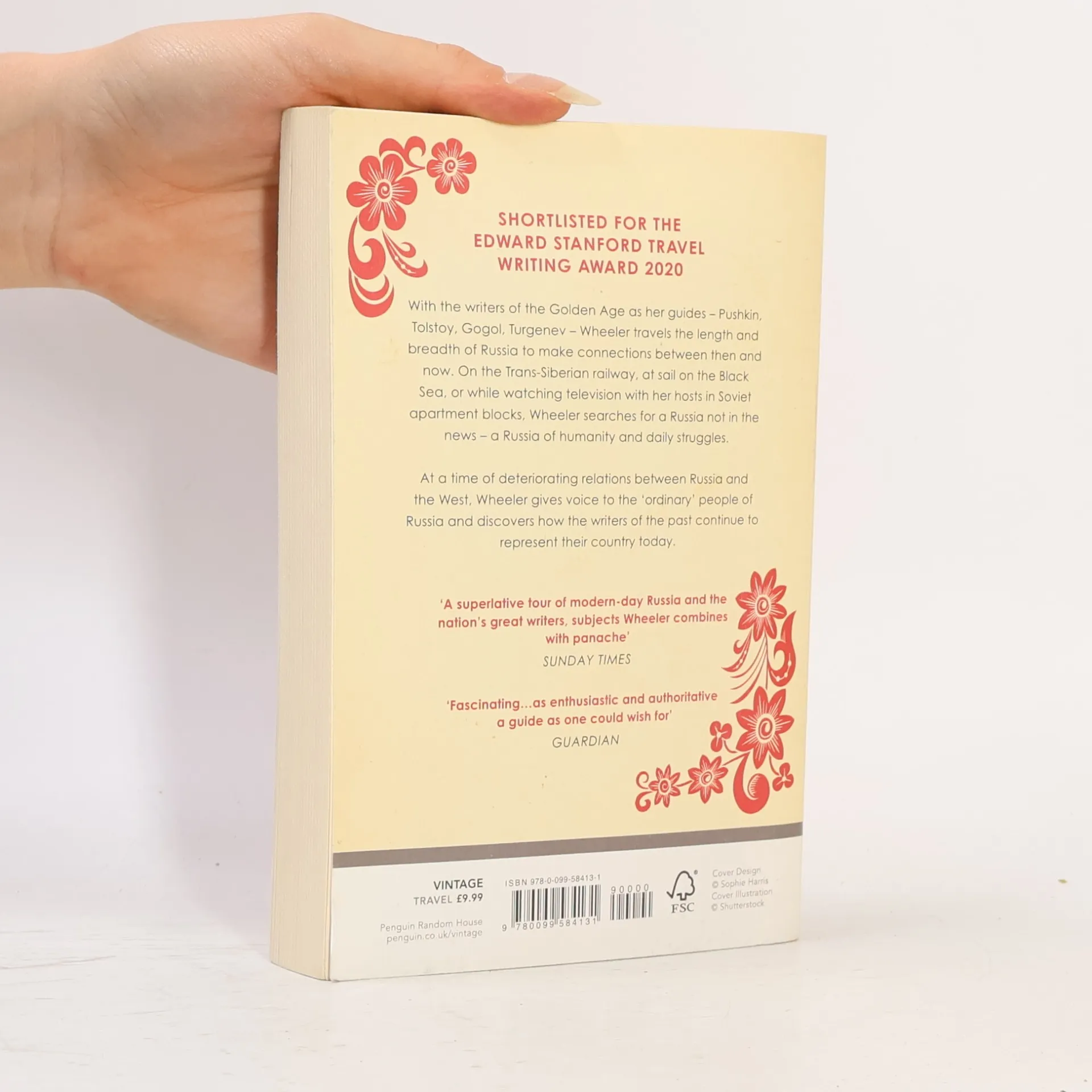
There is a literal Russian landscape, and there is its emotional, literary counterpart. In Mud and Stars, award-winning writer Sara Wheeler sets out to explore both. With the writers of the Golden Age as her guides - Pushkin, Tolstoy, Gogol and Turgenev, among others - Wheeler travels across eight time zones, from rinsed north-western beetroot fields and far-eastern Arctic tundra to the cauldron of ethnic soup that is the Caucasus. She follows nineteenth-century footsteps to make connections between then and now: between the places where flashing-epauletted Lermontov died in the aromatic air of Pyatigorsk, and sheaves of corn still stand like soldiers on a blazing afternoon, just like in Gogol's stories. On the Trans-Siberian railway in winter she crunches across snowy platforms to buy dried fish from babushki, and in summer she sails the Black Sea where dolphins leapt in front of violet Abkhazian peaks. She also spends months in fourth-floor 1950s apartments, watching television with her hosts, her new friends bent over devices and moaning about Ukraine. At a time of deteriorating relations between Russia and the West, Wheeler searches for a Russia not in the news - a Russia of humanity and daily struggles. She gives voice to the 'ordinary' people of Russia, and discovers how the writers of the Golden Age continue to represent their country today




Zakup książki
Mud and Stars, Sara Wheeler
- Język

- Rok wydania
- 2020
- Oprawa
- (miękka),
- Stan książki
- Dobry
- Cena
- 24,85 zł
Metody płatności
Brakuje nam tutaj Twojej recenzji.
- Tytuł
- Mud and Stars
- Język
- angielski
- Autorzy
- Sara Wheeler
- Wydawca
- Vintage Books
- Rok wydania
- 2020
- Oprawa
- miękka
- Liczba stron
- 304
- ISBN10
- 0099584131
- ISBN13
- 9780099584131
- Seria
- Kategorie
- Ocena
- 3,5 z 5
- Opis
- There is a literal Russian landscape, and there is its emotional, literary counterpart. In Mud and Stars, award-winning writer Sara Wheeler sets out to explore both. With the writers of the Golden Age as her guides - Pushkin, Tolstoy, Gogol and Turgenev, among others - Wheeler travels across eight time zones, from rinsed north-western beetroot fields and far-eastern Arctic tundra to the cauldron of ethnic soup that is the Caucasus. She follows nineteenth-century footsteps to make connections between then and now: between the places where flashing-epauletted Lermontov died in the aromatic air of Pyatigorsk, and sheaves of corn still stand like soldiers on a blazing afternoon, just like in Gogol's stories. On the Trans-Siberian railway in winter she crunches across snowy platforms to buy dried fish from babushki, and in summer she sails the Black Sea where dolphins leapt in front of violet Abkhazian peaks. She also spends months in fourth-floor 1950s apartments, watching television with her hosts, her new friends bent over devices and moaning about Ukraine. At a time of deteriorating relations between Russia and the West, Wheeler searches for a Russia not in the news - a Russia of humanity and daily struggles. She gives voice to the 'ordinary' people of Russia, and discovers how the writers of the Golden Age continue to represent their country today