

Więcej o książce
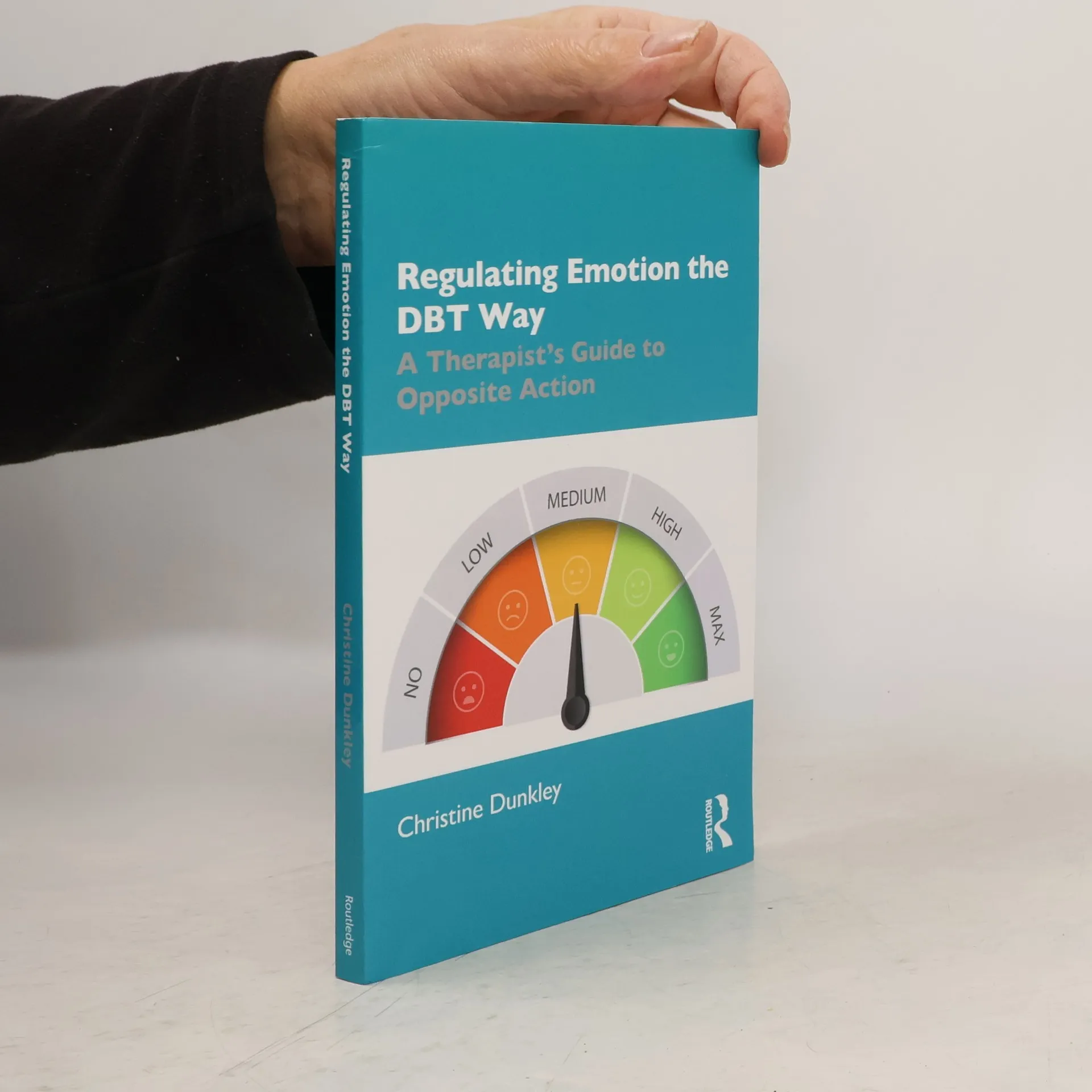
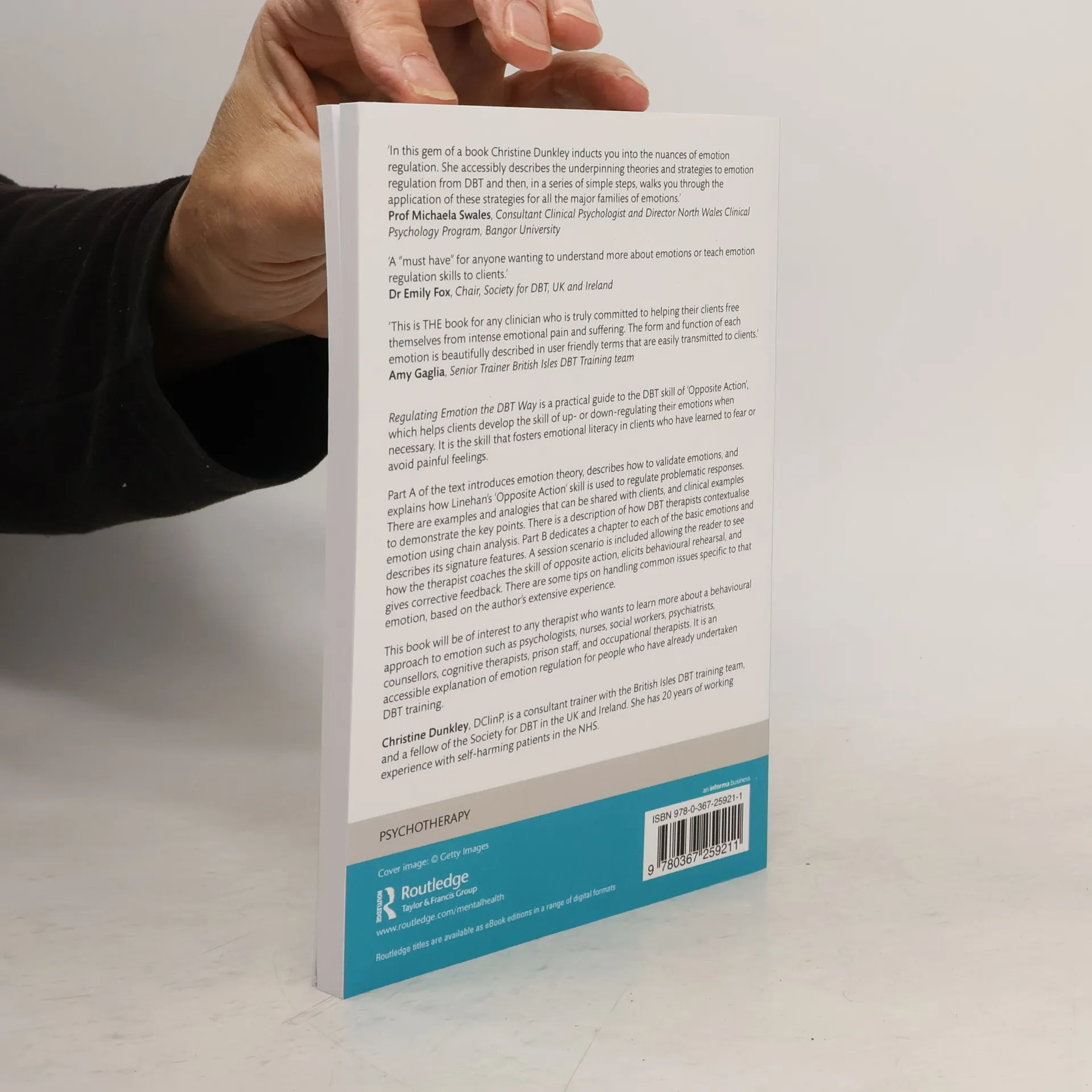
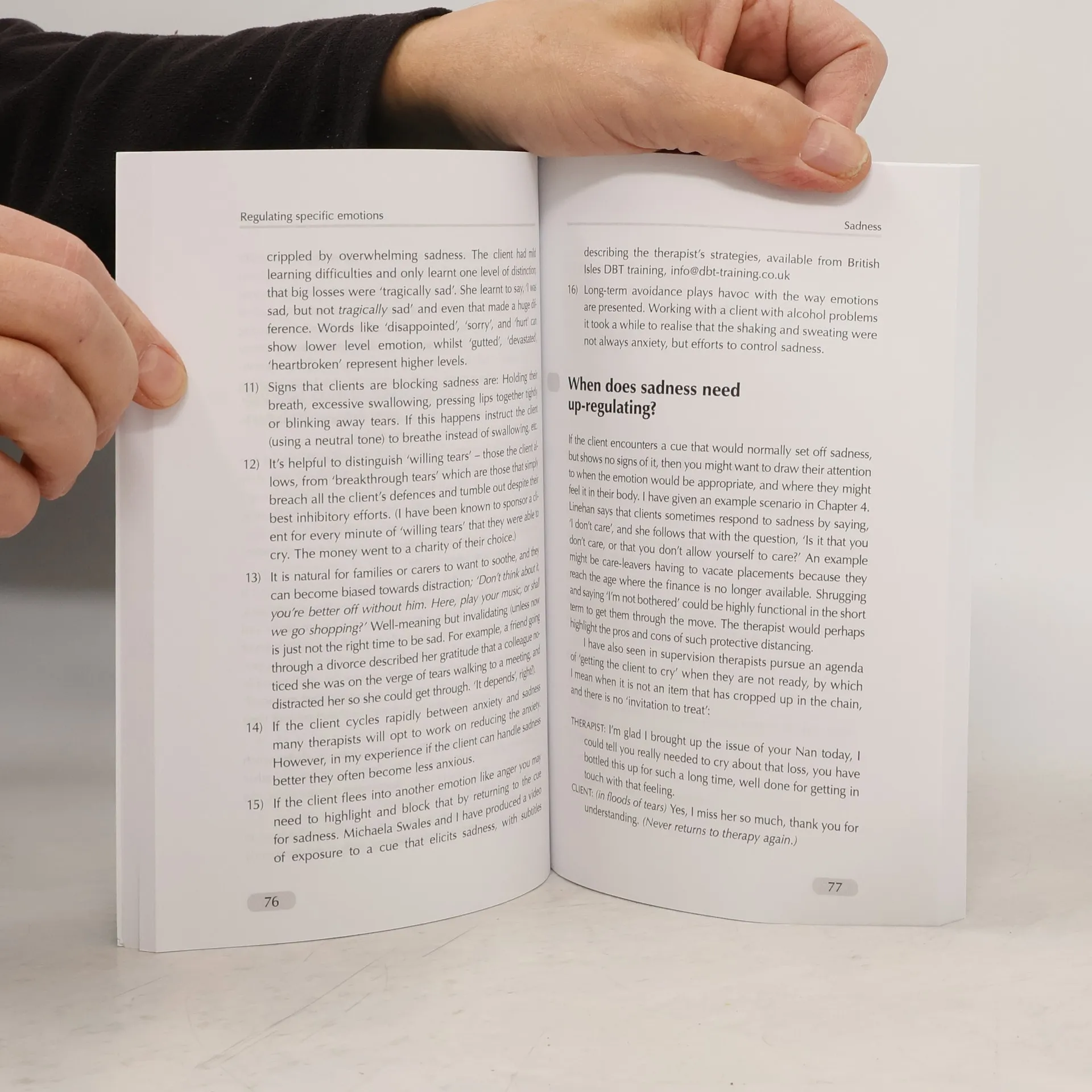
Regulating Emotion the DBT Way is a practical guide to the DBT skill of 'Opposite Action', which helps clients develop the skill of up- or down-regulating their emotions when necessary. It is the skill that fosters emotional literacy in clients who have learned to fear or avoid painful feelings. Part A of the text introduces emotion theory, describes how to validate emotions, and explains how Linehan's 'Opposite Action' skill is used to regulate problematic responses. There are examples and analogies that can be shared with clients, and clinical examples to demonstrate the key points. There is a description of how DBT therapists contextualise emotion using chain analysis. Part B dedicates a chapter to each of the basic emotions and describes its signature features. A session scenario is included allowing the reader to see how the therapist coaches the skill of opposite action, elicits behavioural rehearsal, and gives corrective feedback. There are some tips on handling common issues specific to that emotion, based on the author's extensive experience. This book will be of interest to any therapist who wants to learn more about a behavioural approach to emotion such as psychologists, nurses, social workers, psychiatrists, counsellors, cognitive therapists, prison staff, and occupational therapists. It is an accessible explanation of emotion regulation for people who have already undertaken DBT training.


Zakup książki
Regulating Emotion the DBT Way, Christine Dunkley
- Język

- Rok wydania
- 2020
- Oprawa
- (miękka)
Metody płatności
Brakuje nam tutaj Twojej recenzji.
- Tytuł
- Regulating Emotion the DBT Way
- Język
- angielski
- Autorzy
- Christine Dunkley
- Wydawca
- Taylor & Francis Ltd
- Rok wydania
- 2020
- Oprawa
- miękka
- Liczba stron
- 200
- ISBN10
- 0367259214
- ISBN13
- 9780367259211
- Seria
- Tagi
- Ocena
- 4,4 z 5
- Opis
- Regulating Emotion the DBT Way is a practical guide to the DBT skill of 'Opposite Action', which helps clients develop the skill of up- or down-regulating their emotions when necessary. It is the skill that fosters emotional literacy in clients who have learned to fear or avoid painful feelings. Part A of the text introduces emotion theory, describes how to validate emotions, and explains how Linehan's 'Opposite Action' skill is used to regulate problematic responses. There are examples and analogies that can be shared with clients, and clinical examples to demonstrate the key points. There is a description of how DBT therapists contextualise emotion using chain analysis. Part B dedicates a chapter to each of the basic emotions and describes its signature features. A session scenario is included allowing the reader to see how the therapist coaches the skill of opposite action, elicits behavioural rehearsal, and gives corrective feedback. There are some tips on handling common issues specific to that emotion, based on the author's extensive experience. This book will be of interest to any therapist who wants to learn more about a behavioural approach to emotion such as psychologists, nurses, social workers, psychiatrists, counsellors, cognitive therapists, prison staff, and occupational therapists. It is an accessible explanation of emotion regulation for people who have already undertaken DBT training.