


Więcej o książce
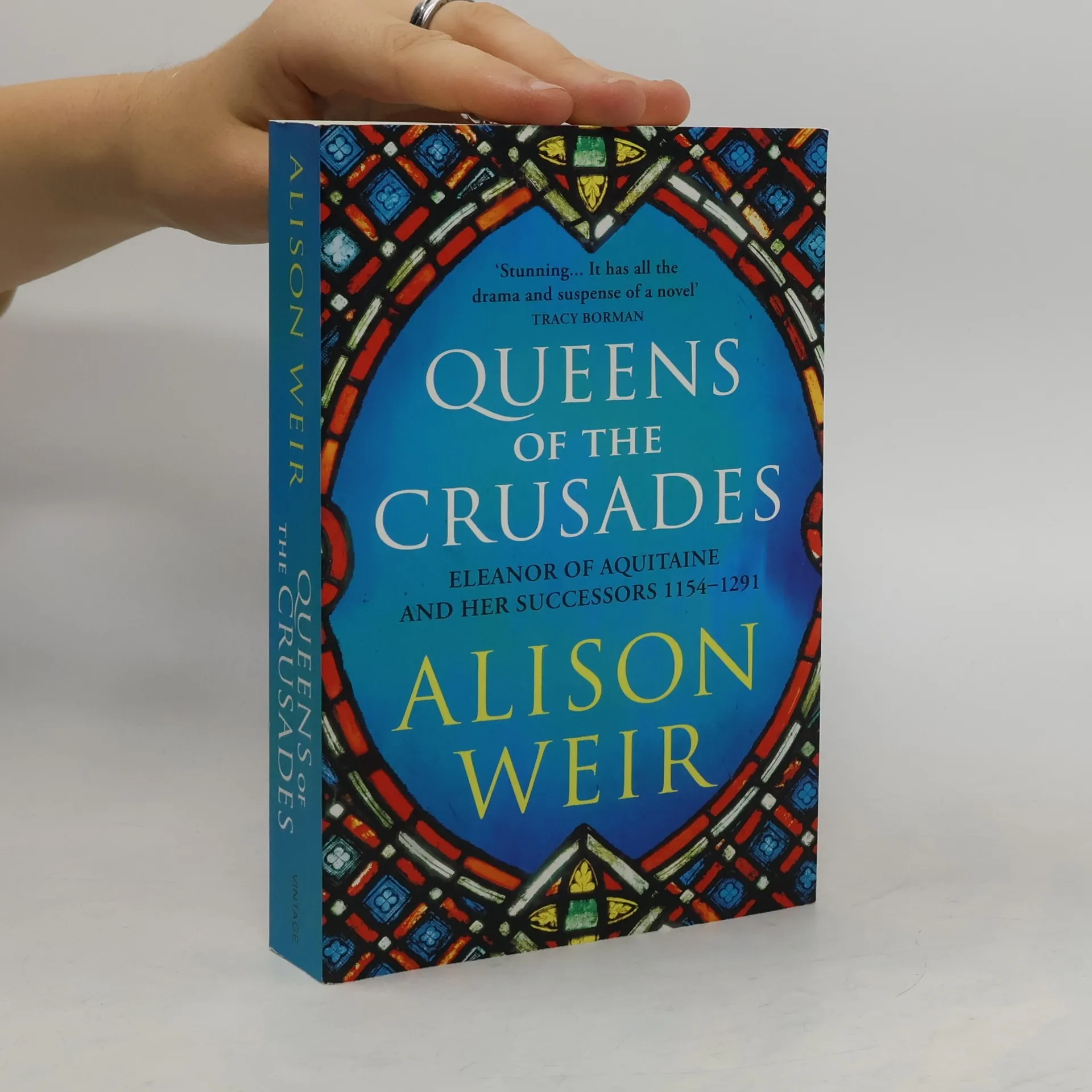
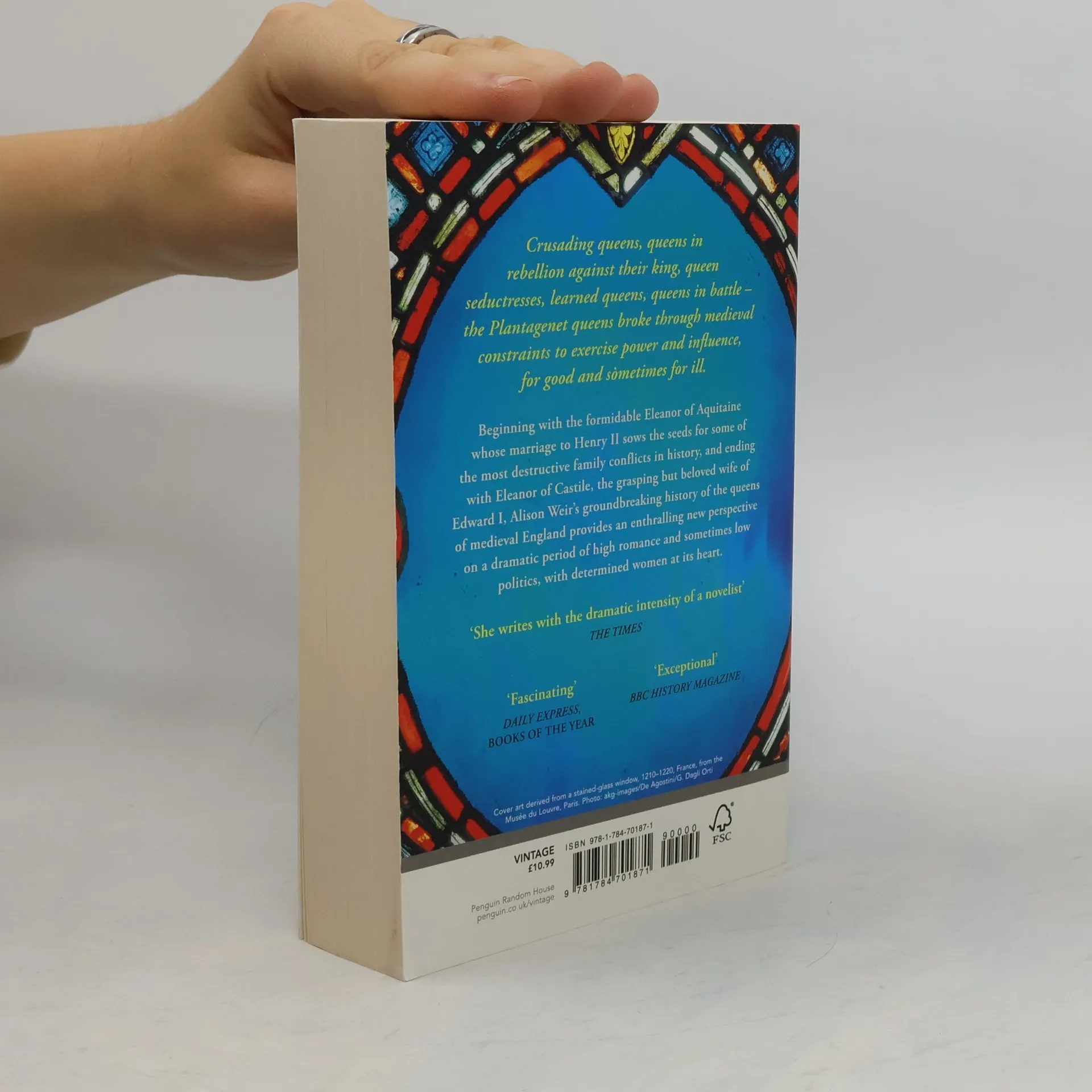
The Plantagenet queens of England were pivotal figures in some of history's most dramatic events. These queens—crusaders, rebels, seductresses, scholars, and warriors—defied medieval constraints to wield power and influence, shaping England's narrative for better or worse. Alison Weir's groundbreaking history delves into the tumultuous years from 1154 to 1291, a time marked by chivalry, dynastic ambition, church conflicts, baronial wars, and feudal bonds. Key events like the murder of Becket, the signing of Magna Carta, and the emergence of parliaments are explored through a fresh lens. The journey begins with Eleanor of Aquitaine, whose marriage to Henry II not only established a dynasty that lasted over three centuries but also ignited destructive family feuds and led to the decline of England's power under her son, King John. The subsequent queens—Berengaria of Navarre, Isabella of Angouleme, Alienor of Provence, and Eleanor of Castile—each contributed remarkable stories to this era. Weir's narrative offers an enthralling perspective on a time of high romance and low politics, highlighting the significant roles played by these determined women.


Zakup książki
Queens of the Crusades, Alisom Weir
- Język

- Rok wydania
- 2021
- Oprawa
- (miękka)
Metody płatności
Brakuje nam tutaj Twojej recenzji.
- Tytuł
- Queens of the Crusades
- Język
- angielski
- Autorzy
- Alisom Weir
- Wydawca
- Random House UK Ltd
- Rok wydania
- 2021
- Oprawa
- miękka
- Liczba stron
- 464
- ISBN10
- 1784701874
- ISBN13
- 9781784701871
- Ocena
- 3,8 z 5
- Opis
- The Plantagenet queens of England were pivotal figures in some of history's most dramatic events. These queens—crusaders, rebels, seductresses, scholars, and warriors—defied medieval constraints to wield power and influence, shaping England's narrative for better or worse. Alison Weir's groundbreaking history delves into the tumultuous years from 1154 to 1291, a time marked by chivalry, dynastic ambition, church conflicts, baronial wars, and feudal bonds. Key events like the murder of Becket, the signing of Magna Carta, and the emergence of parliaments are explored through a fresh lens. The journey begins with Eleanor of Aquitaine, whose marriage to Henry II not only established a dynasty that lasted over three centuries but also ignited destructive family feuds and led to the decline of England's power under her son, King John. The subsequent queens—Berengaria of Navarre, Isabella of Angouleme, Alienor of Provence, and Eleanor of Castile—each contributed remarkable stories to this era. Weir's narrative offers an enthralling perspective on a time of high romance and low politics, highlighting the significant roles played by these determined women.