

Parametry
- 175 stron
- 7 godzin czytania
Więcej o książce
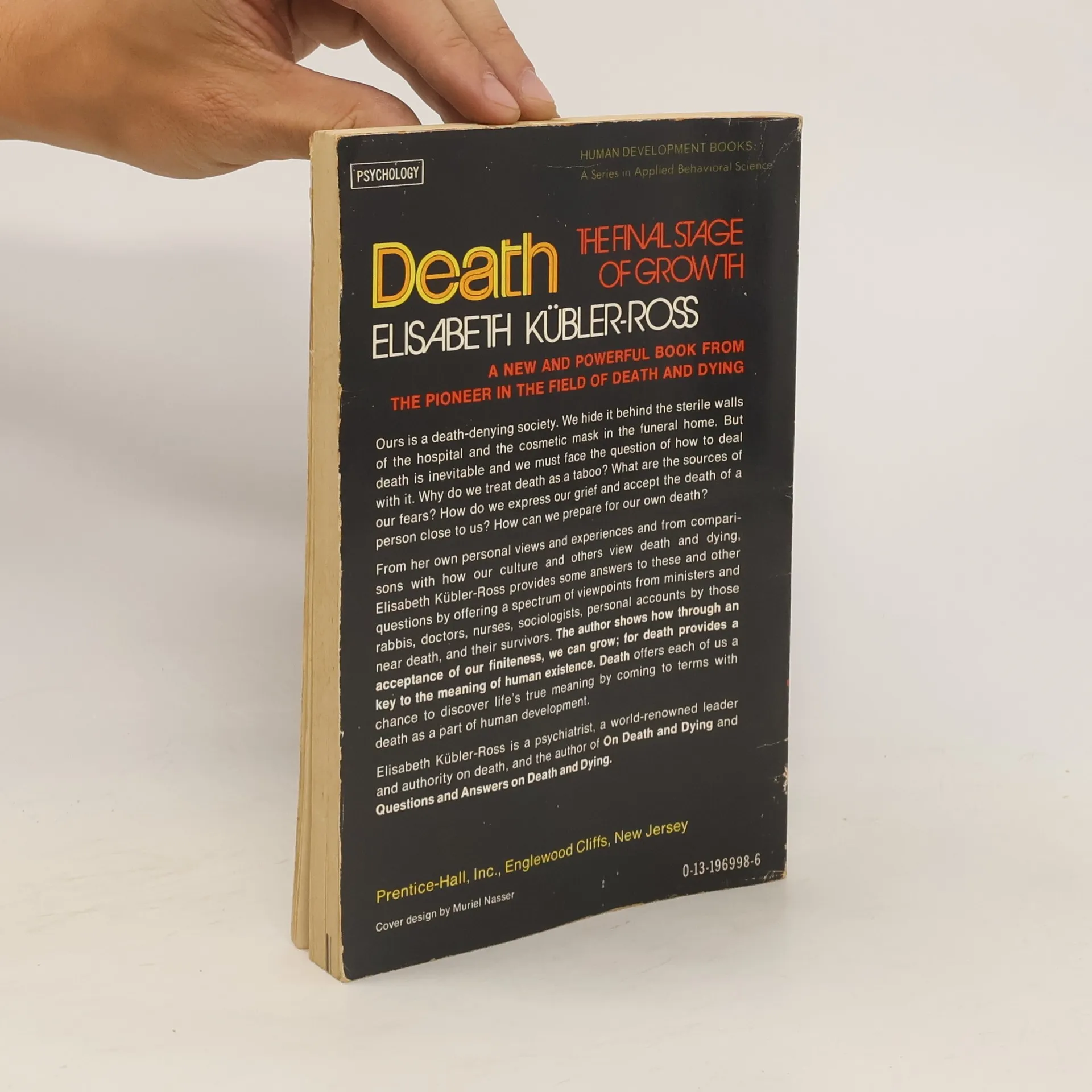
Ours is a death-denying society. But death is inevitable, and we must face the question of how to deal with it. Coming to terms with our own finiteness helps us discover life's true meaning. Why do we treat death as a taboo? What are the sources of our fears? How do we express our grief, and how do we accept the death of a person close to us? How can we prepare for our own death? Drawing on our own and other cultures' views of death and dying, Elisabeth Kübler-Ross provides some illuminating answers to these and other questions. She offers a spectrum of viewpoints, including those of ministers, rabbis, doctors, nurses, and sociologists, and the personal accounts of those near death and of their survivors. Once we come to terms with death as a part of human development, the author shows, death can provide us with a key to the meaning of human existence.






Zakup książki
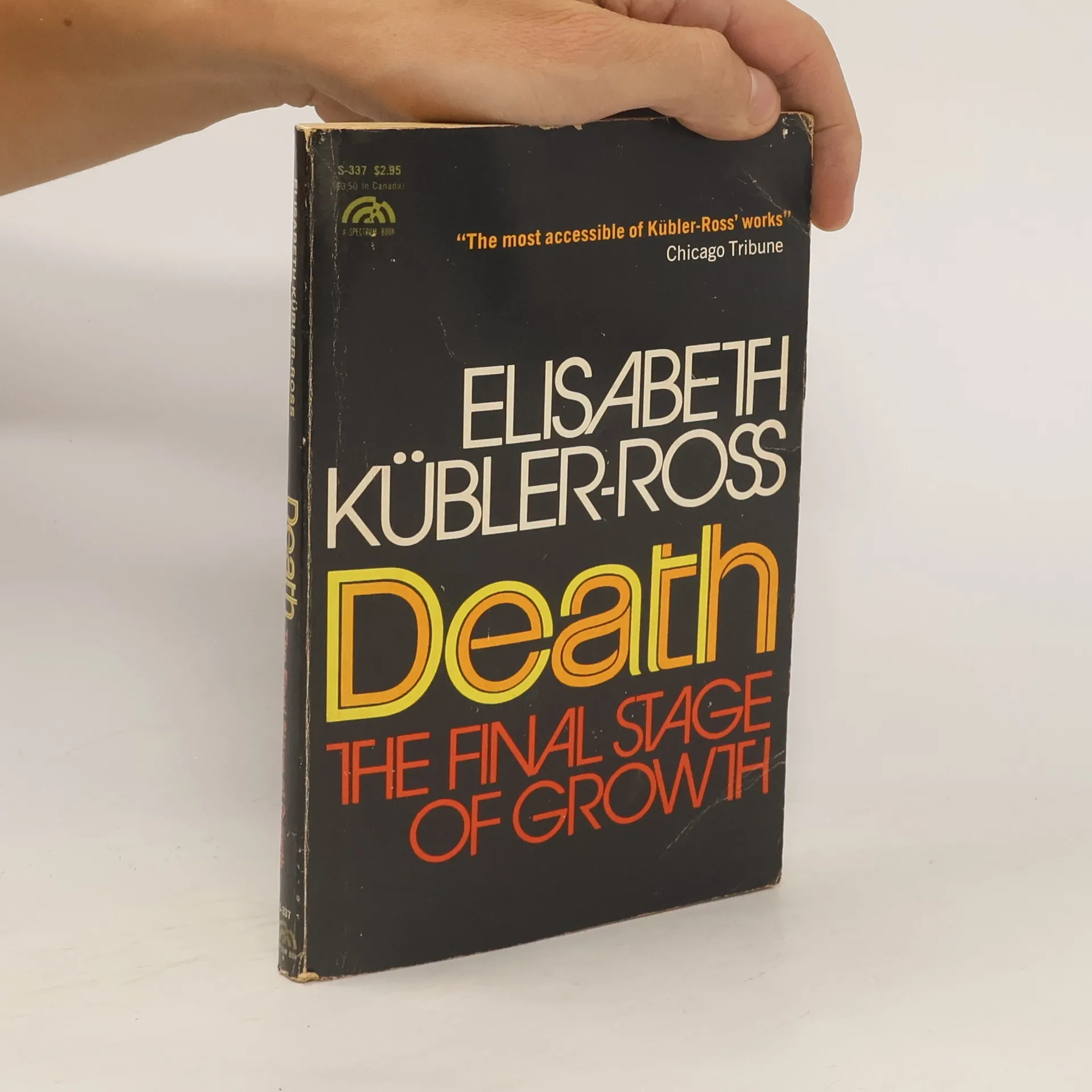
Death. The Final Stage of Growth, Elisabeth KüblerRoss
- Język

- Rok wydania
- 1975
- Oprawa
- (miękka)
Metody płatności
Brakuje nam tutaj Twojej recenzji.
- Tytuł
- Death. The Final Stage of Growth
- Język
- angielski
- Autorzy
- Elisabeth KüblerRoss
- Wydawca
- Prentice Hall
- Rok wydania
- 1975
- Oprawa
- miękka
- Liczba stron
- 175
- ISBN10
- 0131969986
- ISBN13
- 9780131969988
- Seria
- Tagi
- Zdrowie & Medycyna, Tematyka psychologiczna, Tematy religijne, Tematyka filozoficzna, Duchowość, Tematyka medyczna, Śmierć, Choroby, Strach, Nadzieja, Bóg, Szpitale
- Ocena
- 4,15 z 5
- Opis
- Ours is a death-denying society. But death is inevitable, and we must face the question of how to deal with it. Coming to terms with our own finiteness helps us discover life's true meaning. Why do we treat death as a taboo? What are the sources of our fears? How do we express our grief, and how do we accept the death of a person close to us? How can we prepare for our own death? Drawing on our own and other cultures' views of death and dying, Elisabeth Kübler-Ross provides some illuminating answers to these and other questions. She offers a spectrum of viewpoints, including those of ministers, rabbis, doctors, nurses, and sociologists, and the personal accounts of those near death and of their survivors. Once we come to terms with death as a part of human development, the author shows, death can provide us with a key to the meaning of human existence.