

Seria
Więcej o książce
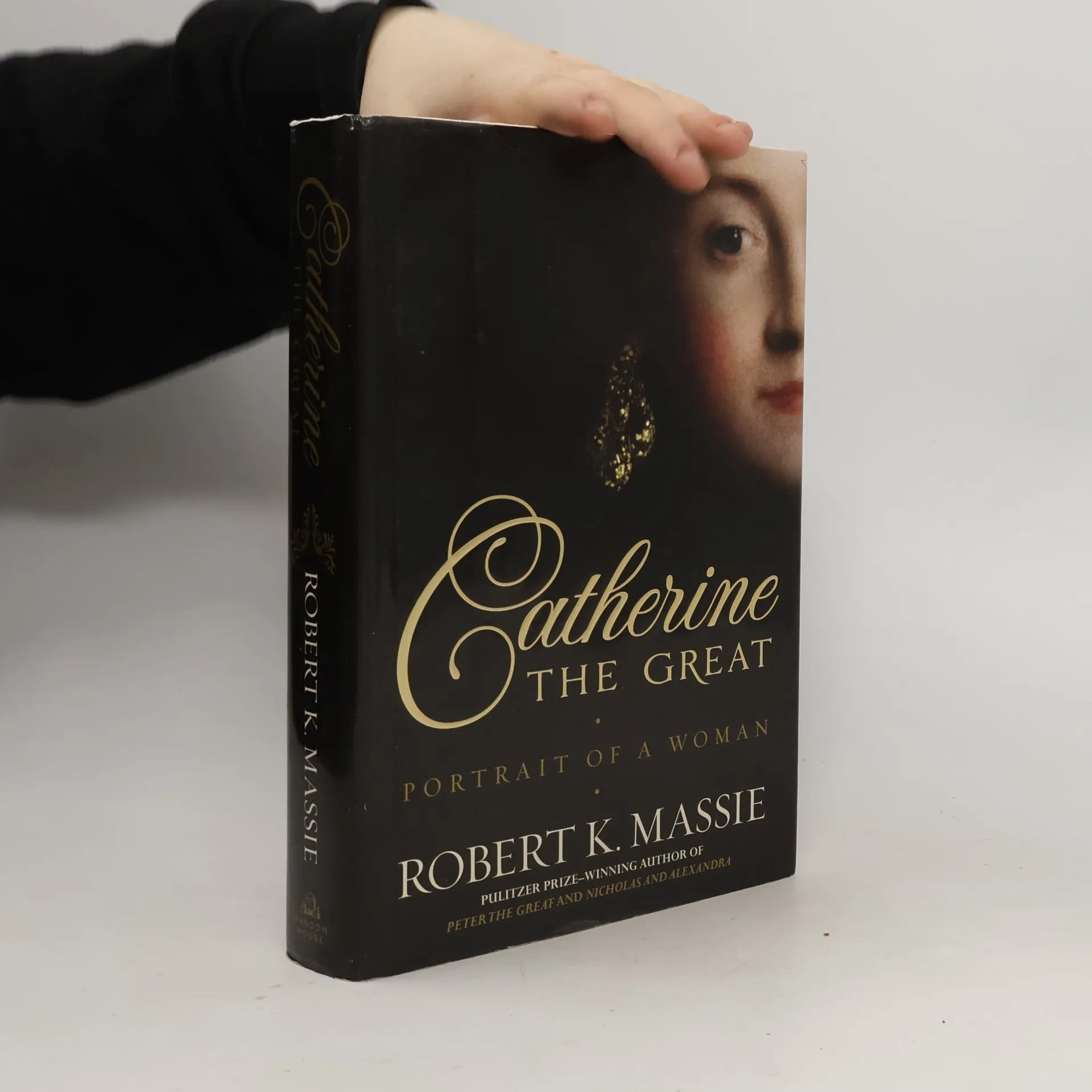
Pulitzer Prize winner Massie tells the story of a princess who, at 14, traveled to Russia and became one of history's most powerful women. Born into minor German nobility, she transformed into an empress through sheer determination. With a brilliant, curious mind, she immersed herself in Enlightenment philosophy and sought to apply these principles to govern the vast, backward empire. She corresponded with notable figures like Voltaire, Diderot, and Frederick the Great, aspiring to be the “benevolent despot” Montesquieu envisioned while grappling with the harsh realities of Russian life, including serfdom. For 34 years, she managed the government, foreign policy, and cultural development, facing domestic rebellion, wars, and the political upheaval inspired by the French Revolution. Her reputation varied widely; Voltaire praised her as akin to classical philosophers, while enemies labeled her “the Messalina of the north.” The narrative vividly portrays her family dynamics, including her scheming mother, her weak husband Peter, her troubled son Paul, and her cherished grandchildren. It also explores her relationships with young lovers and her most significant partner, Gregory Potemkin, with whom she shared a profound bond and mutual achievements. Massie’s work is marked by historical accuracy, deep understanding, and a talent for revealing the human drama behind the figures.




Zakup książki
Catherine the Great, Robert K. Massie
- Język

- Rok wydania
- 2011
- Oprawa
- (twarda)
Metody płatności
Brakuje nam tutaj Twojej recenzji.
- Tytuł
- Catherine the Great
- Podtytuł
- Portrait of a Woman
- Język
- angielski
- Autorzy
- Robert K. Massie
- Wydawca
- Random House, Inc. (NY)
- Rok wydania
- 2011
- Oprawa
- twarda
- Liczba stron
- 656
- ISBN10
- 0679456724
- ISBN13
- 9780679456728
- Seria
- The Romanovs
- Kategorie
- Tagi
- Tematy historyczne, Rosja
- Pierwsze wydanie
- 2011
- Oryginalna nazwa
- Catherine the Great
- Ocena
- 3,9 z 5
- Opis
- Pulitzer Prize winner Massie tells the story of a princess who, at 14, traveled to Russia and became one of history's most powerful women. Born into minor German nobility, she transformed into an empress through sheer determination. With a brilliant, curious mind, she immersed herself in Enlightenment philosophy and sought to apply these principles to govern the vast, backward empire. She corresponded with notable figures like Voltaire, Diderot, and Frederick the Great, aspiring to be the “benevolent despot” Montesquieu envisioned while grappling with the harsh realities of Russian life, including serfdom. For 34 years, she managed the government, foreign policy, and cultural development, facing domestic rebellion, wars, and the political upheaval inspired by the French Revolution. Her reputation varied widely; Voltaire praised her as akin to classical philosophers, while enemies labeled her “the Messalina of the north.” The narrative vividly portrays her family dynamics, including her scheming mother, her weak husband Peter, her troubled son Paul, and her cherished grandchildren. It also explores her relationships with young lovers and her most significant partner, Gregory Potemkin, with whom she shared a profound bond and mutual achievements. Massie’s work is marked by historical accuracy, deep understanding, and a talent for revealing the human drama behind the figures.