


Parametry
Więcej o książce
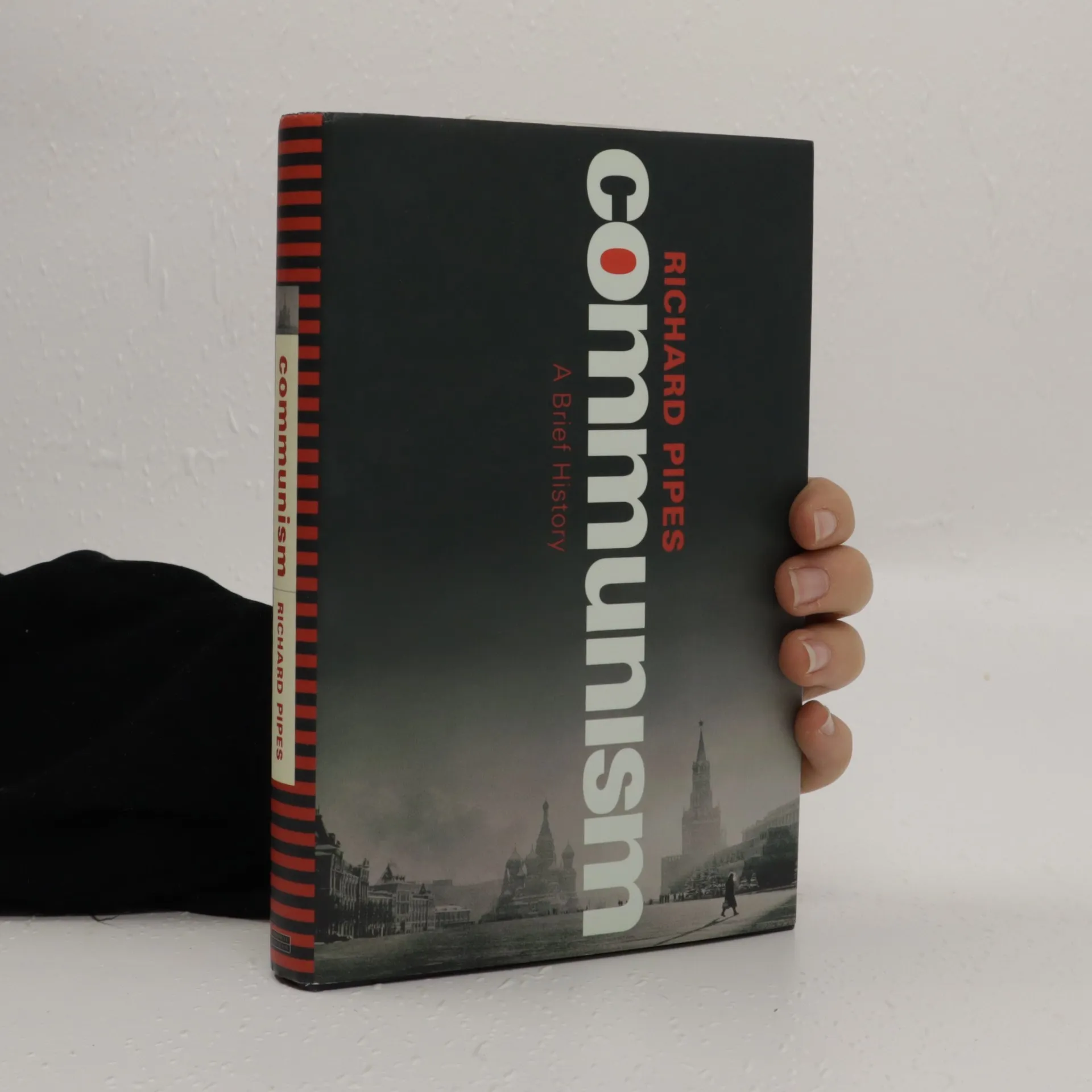
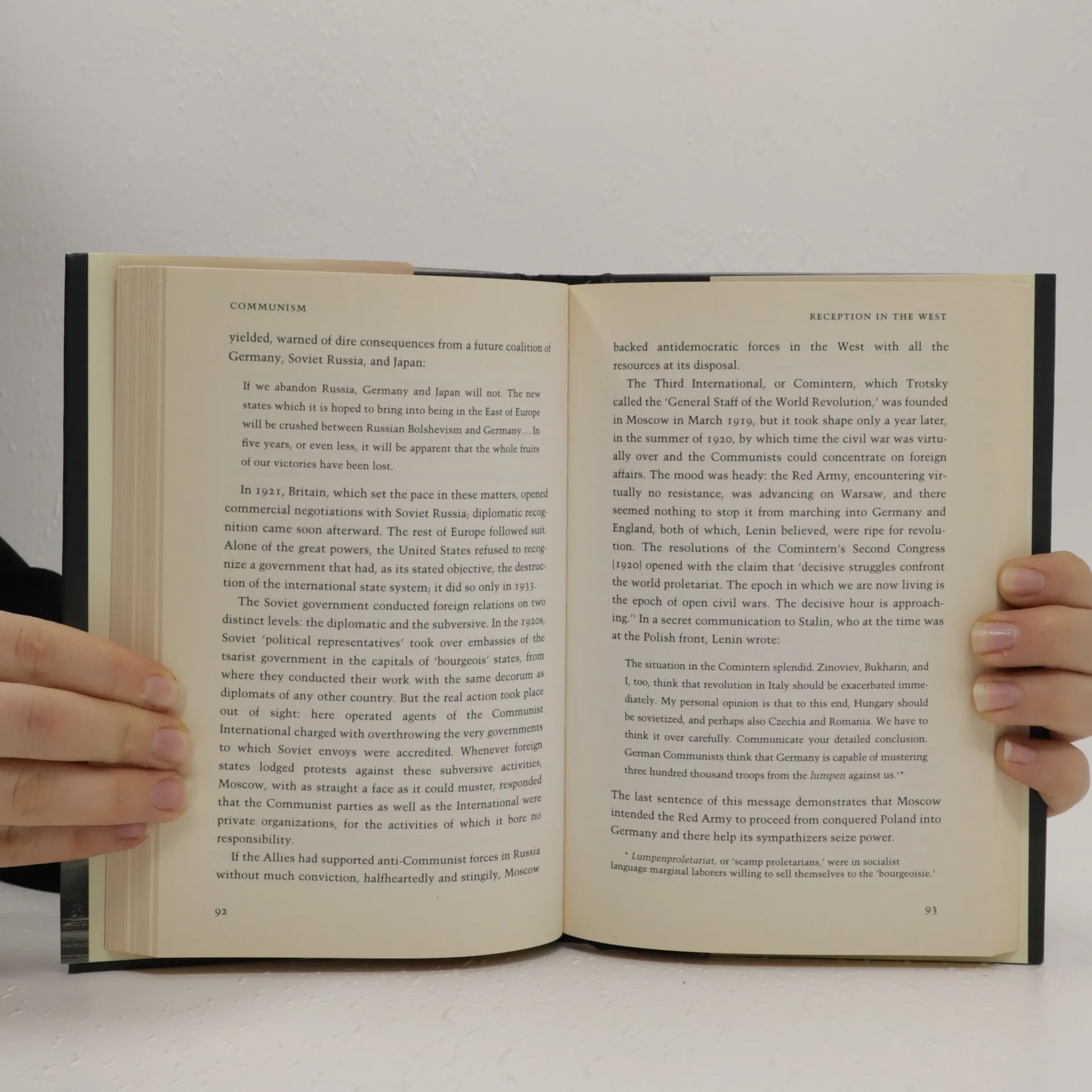
Beginning with Plato and the first expressions of a utopian vision of a property-less society, Pipes describes communism's historical antecedents, through to Marx, Engels and the birth of communism' as a theory of class relations and a call to arms. He traces its spread to Russia and its adoption by young radical intellectuals led by Lenin, and explores why Russia, against all Marx's predictions, was such a fertile ground. He goes on to reckon brilliantly with the history of the Soviet Union, from the Russian Revolution and the Civil War, Stalin, Stalinism and the Great Terror, and the Second World War to the regime's decline and its ultimate collapse.Pipes also looks at communism in its global context, from its spread to China and the Third World to its reception in the West, the Comintern, and the world-wide power struggle known as the Cold War. Finally he analyses the roots of communism's catastrophic failures and the staggering human cost it inflicted on the world in the 20th century.

Zakup książki
Communism : a brief history, Richard Pipes
- Język

- Rok wydania
- 2001
- Oprawa
- (twarda)
Metody płatności
Brakuje nam tutaj Twojej recenzji.
- Tytuł
- Communism : a brief history
- Język
- angielski
- Autorzy
- Richard Pipes
- Wydawca
- Weidenfeld and Nicolson
- Rok wydania
- 2001
- Oprawa
- twarda
- ISBN10
- 0297646885
- ISBN13
- 9780297646884
- Seria
- Kategorie
- Ocena
- 3,75 z 5
- Opis
- Beginning with Plato and the first expressions of a utopian vision of a property-less society, Pipes describes communism's historical antecedents, through to Marx, Engels and the birth of communism' as a theory of class relations and a call to arms. He traces its spread to Russia and its adoption by young radical intellectuals led by Lenin, and explores why Russia, against all Marx's predictions, was such a fertile ground. He goes on to reckon brilliantly with the history of the Soviet Union, from the Russian Revolution and the Civil War, Stalin, Stalinism and the Great Terror, and the Second World War to the regime's decline and its ultimate collapse.Pipes also looks at communism in its global context, from its spread to China and the Third World to its reception in the West, the Comintern, and the world-wide power struggle known as the Cold War. Finally he analyses the roots of communism's catastrophic failures and the staggering human cost it inflicted on the world in the 20th century.