


Więcej o książce
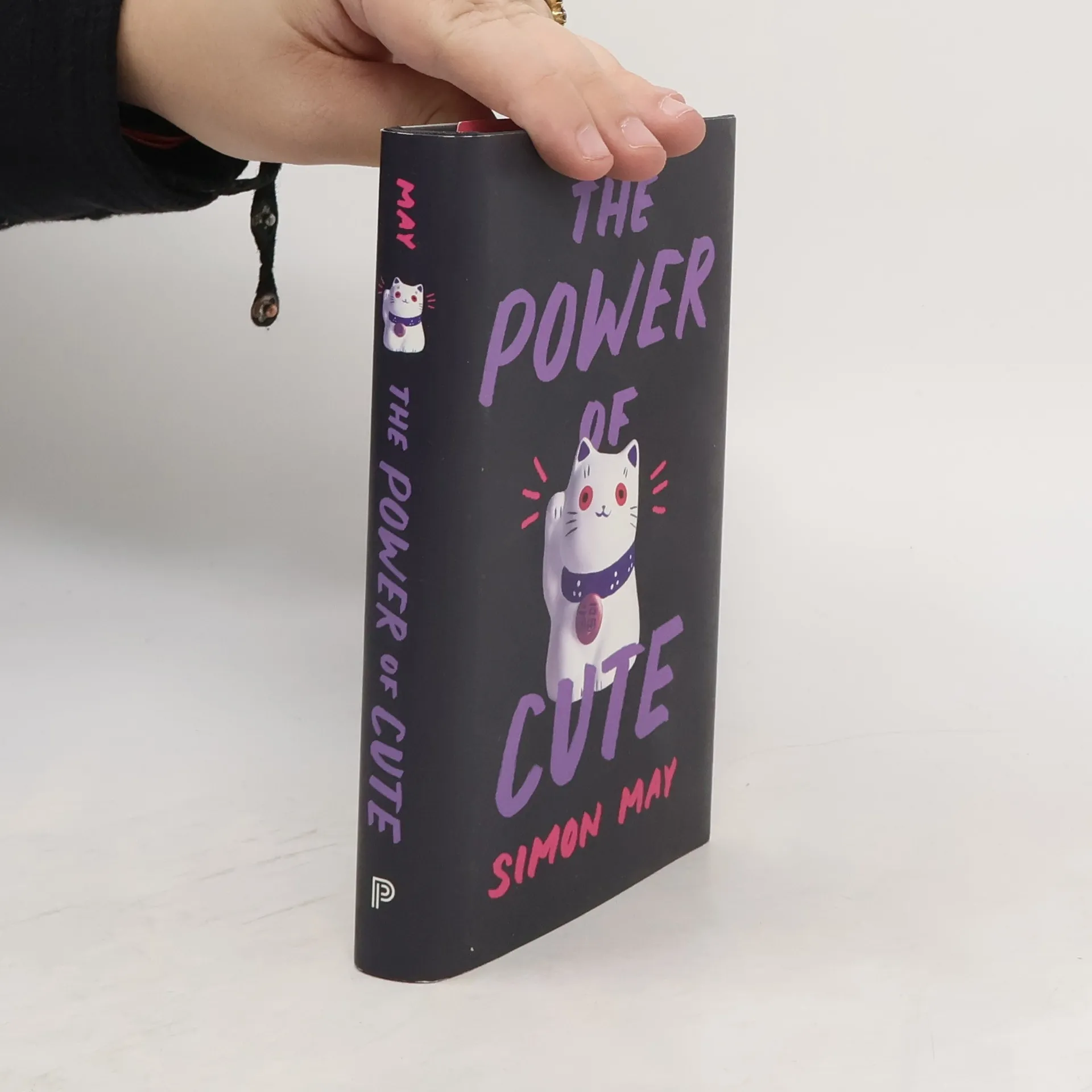
Cuteness has become a global phenomenon, evident in icons like Hello Kitty, Pokémon, and the art of Takashi Murakami and Jeff Koons, as well as quirky figures like Heidi the cross-eyed opossum. But what does "cute" truly signify as a sensibility? Is it merely trivial, or does it harbor deeper, even unsettling qualities? In exploring this, Simon May offers nuanced insights. Traditionally, we perceive cuteness as harmless and diminutive, yet May challenges this notion by examining examples from Mickey Mouse to Kim Jong-il, revealing that cuteness can embody a playful yet ambiguous power that transcends simple sweetness, affecting gender, age, morality, and species. He also addresses the darker, more complex aspects of cuteness, which have intrigued humanity since ancient times, particularly through mythological hybrids like the hermaphrodite and the sphinx. May posits that cuteness serves as a captivating antidote to modern pressures to be purposeful, predictable, and transparent. Instead, it embraces the uncertainty that societal norms often suppress, reflecting the complexities of identity, control, and power dynamics in our relationships. This exploration of cuteness resonates profoundly in our contemporary world.


Zakup książki
The Power of Cute, Simon Mayo
- Język

- Rok wydania
- 2019
- Oprawa
- (twarda)
Metody płatności
Brakuje nam tutaj Twojej recenzji.
- Tytuł
- The Power of Cute
- Język
- angielski
- Autorzy
- Simon Mayo
- Wydawca
- Princeton University Press
- Rok wydania
- 2019
- Oprawa
- twarda
- Liczba stron
- 256
- ISBN10
- 0691181810
- ISBN13
- 9780691181813
- Seria
- Kategorie
- Ocena
- 3,1 z 5
- Opis
- Cuteness has become a global phenomenon, evident in icons like Hello Kitty, Pokémon, and the art of Takashi Murakami and Jeff Koons, as well as quirky figures like Heidi the cross-eyed opossum. But what does "cute" truly signify as a sensibility? Is it merely trivial, or does it harbor deeper, even unsettling qualities? In exploring this, Simon May offers nuanced insights. Traditionally, we perceive cuteness as harmless and diminutive, yet May challenges this notion by examining examples from Mickey Mouse to Kim Jong-il, revealing that cuteness can embody a playful yet ambiguous power that transcends simple sweetness, affecting gender, age, morality, and species. He also addresses the darker, more complex aspects of cuteness, which have intrigued humanity since ancient times, particularly through mythological hybrids like the hermaphrodite and the sphinx. May posits that cuteness serves as a captivating antidote to modern pressures to be purposeful, predictable, and transparent. Instead, it embraces the uncertainty that societal norms often suppress, reflecting the complexities of identity, control, and power dynamics in our relationships. This exploration of cuteness resonates profoundly in our contemporary world.