

Więcej o książce
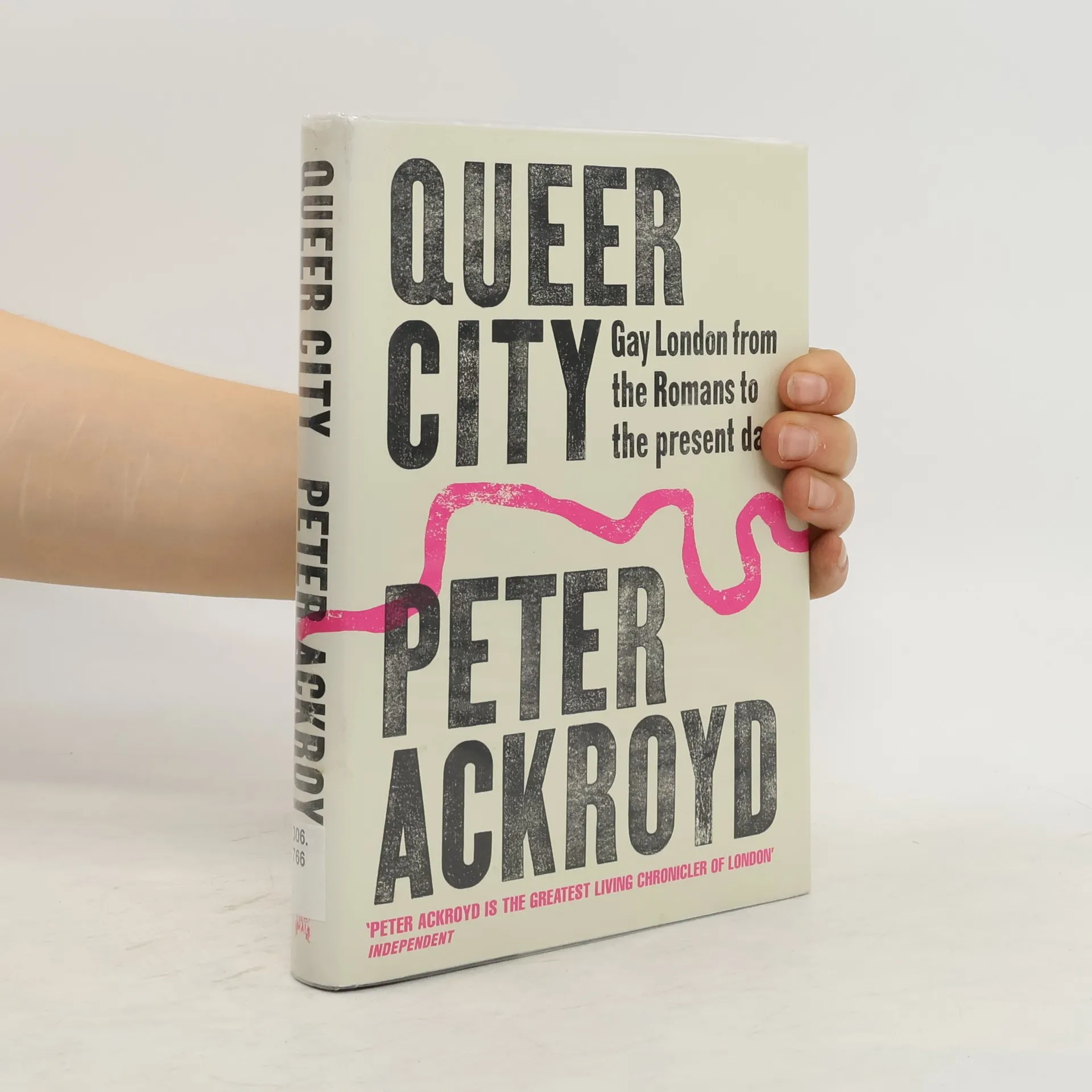
Peter Ackroyd is our preeminent chronicler of London. In Queer City, he looks at the metropolis in a whole new way - through the history and experiences of its gay population. In Roman Londinium the penis was worshipped and homosexuality was considered admirable. The city was dotted with lupanaria ('wolf dens' or public pleasure houses), fornices (brothels) and thermiae (hot baths). Then came the Emperor Constantine, with his bishops and clergy, monks and missionaries. His rule was accompanied by the first laws against queer practices. What followed was an endless loop of alternating permissiveness and censure, from the notorious Normans, whose military might depended on masculine loyalty, and the fashionable female transvestism of the 1620s; to the frenzy of executions for sodomy in the early 1800s and the 'gay plague' in the 1980s. Ackroyd takes us right into this hidden city, celebrating its diversity, thrills and energy on the one hand; but reminding us of its very real terrors, dangers and risks on the other. In a city of superlatives, it is perhaps this endless sexual fluidity and resilience that epitomise the real triumph of London




Zakup książki
Queer City, Peter Ackroyd
- Język

- Rok wydania
- 2017
- Oprawa
- (twarda)
Metody płatności
Brakuje nam tutaj Twojej recenzji.
- Tytuł
- Queer City
- Język
- angielski
- Autorzy
- Peter Ackroyd
- Wydawca
- Chatto&Windus
- Rok wydania
- 2017
- Oprawa
- twarda
- Liczba stron
- 272
- ISBN10
- 0701188804
- ISBN13
- 9780701188801
- Seria
- Ocena
- 3,3 z 5
- Opis
- Peter Ackroyd is our preeminent chronicler of London. In Queer City, he looks at the metropolis in a whole new way - through the history and experiences of its gay population. In Roman Londinium the penis was worshipped and homosexuality was considered admirable. The city was dotted with lupanaria ('wolf dens' or public pleasure houses), fornices (brothels) and thermiae (hot baths). Then came the Emperor Constantine, with his bishops and clergy, monks and missionaries. His rule was accompanied by the first laws against queer practices. What followed was an endless loop of alternating permissiveness and censure, from the notorious Normans, whose military might depended on masculine loyalty, and the fashionable female transvestism of the 1620s; to the frenzy of executions for sodomy in the early 1800s and the 'gay plague' in the 1980s. Ackroyd takes us right into this hidden city, celebrating its diversity, thrills and energy on the one hand; but reminding us of its very real terrors, dangers and risks on the other. In a city of superlatives, it is perhaps this endless sexual fluidity and resilience that epitomise the real triumph of London