

Więcej o książce
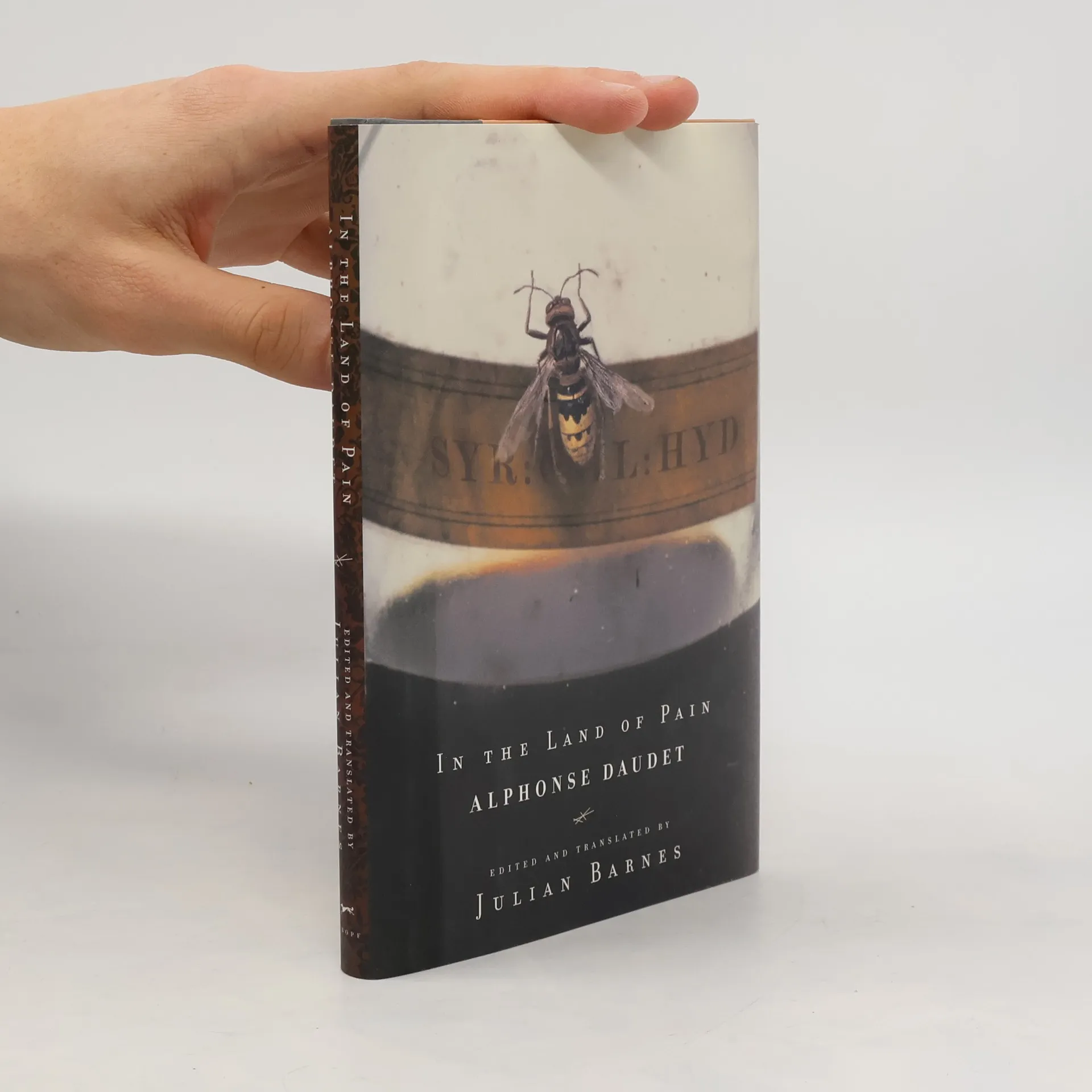
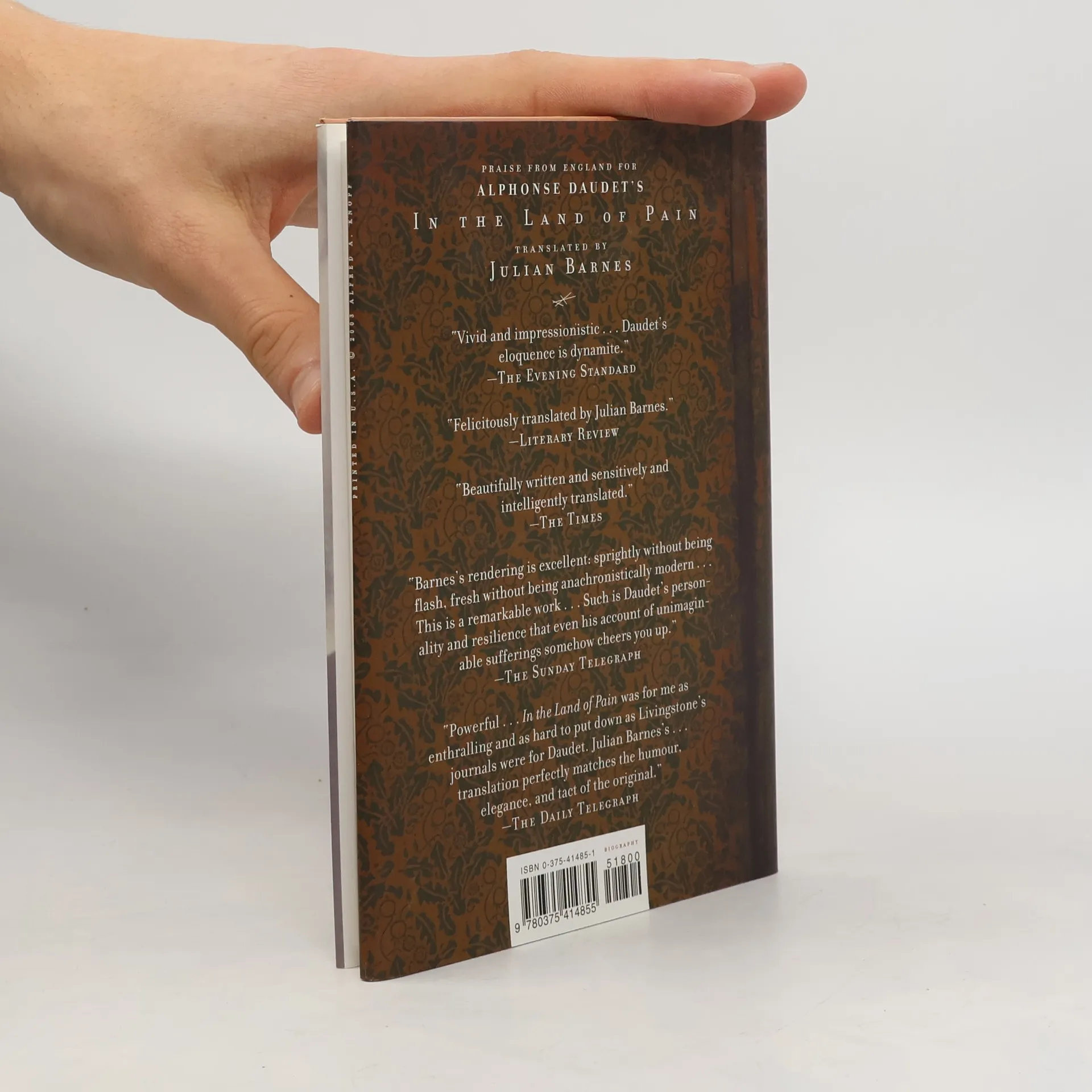
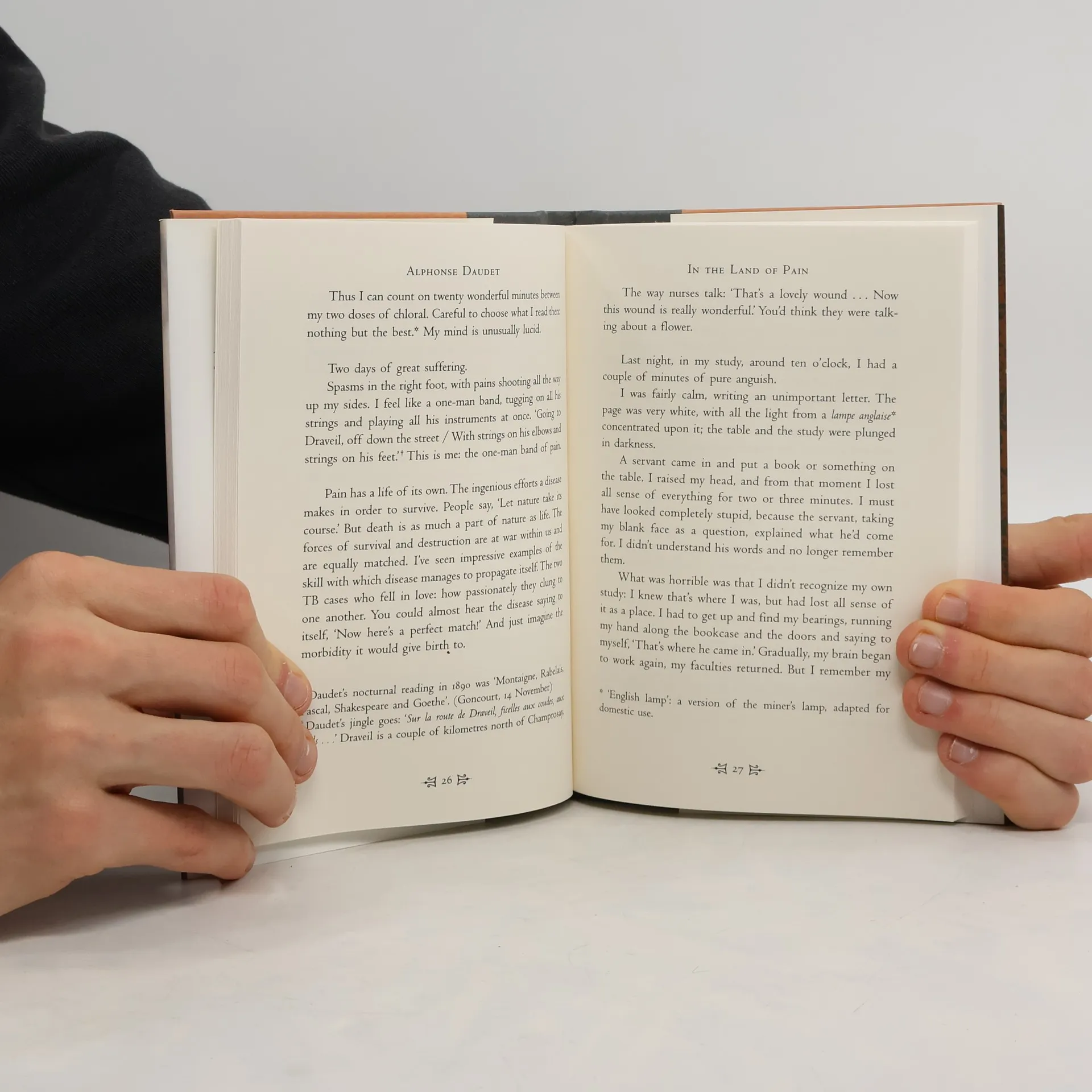
As Julian Barnes notes in his introduction to Alphonse Daudet’s La Doulou, the writer, who lived from 1840 to 1897, was once celebrated as a leading literary figure. Henry James referred to him as “the happiest novelist” and “the most charming story-teller” of his time. However, Daudet was also part of a tragic group of nineteenth-century French writers afflicted by syphilis. In the Land of Pain—notes toward an unwritten book—Daudet offers a poignant response to his illness. With quick, incisive strokes, he details his symptoms, describing pain as a “one-man-band” and his treatments as “morphine nights” filled with sleeplessness and existential void. He reflects on his fears, seeking meaning in pain and urging it to be his philosophy and science. Daudet shares observations of fellow patients at spas, noting the cultural contrasts in their experiences, and he contemplates the deceptive nature of death, which seems to merely thin out life. Barnes’s translation captures the essence of these notes, creating a record that is both shattering and lighthearted, haunting yet beguiling. This work reveals the dual nature of physical suffering—its banality and transformative power—while celebrating the complex resilience of the human spirit.

Zakup książki
In the Land of Pain, Julian Barnes, Alphonse Daudet
- Język

- Rok wydania
- 2002
- Oprawa
- (twarda)
Metody płatności
Brakuje nam tutaj Twojej recenzji.
- Tytuł
- In the Land of Pain
- Język
- angielski
- Autorzy
- Julian Barnes, Alphonse Daudet
- Wydawca
- Knopf
- Rok wydania
- 2002
- Oprawa
- twarda
- Liczba stron
- 112
- ISBN10
- 0375414851
- ISBN13
- 9780375414855
- Seria
- Kategorie
- Ocena
- 3,9 z 5
- Opis
- As Julian Barnes notes in his introduction to Alphonse Daudet’s La Doulou, the writer, who lived from 1840 to 1897, was once celebrated as a leading literary figure. Henry James referred to him as “the happiest novelist” and “the most charming story-teller” of his time. However, Daudet was also part of a tragic group of nineteenth-century French writers afflicted by syphilis. In the Land of Pain—notes toward an unwritten book—Daudet offers a poignant response to his illness. With quick, incisive strokes, he details his symptoms, describing pain as a “one-man-band” and his treatments as “morphine nights” filled with sleeplessness and existential void. He reflects on his fears, seeking meaning in pain and urging it to be his philosophy and science. Daudet shares observations of fellow patients at spas, noting the cultural contrasts in their experiences, and he contemplates the deceptive nature of death, which seems to merely thin out life. Barnes’s translation captures the essence of these notes, creating a record that is both shattering and lighthearted, haunting yet beguiling. This work reveals the dual nature of physical suffering—its banality and transformative power—while celebrating the complex resilience of the human spirit.