

Więcej o książce
The puzzling murder of three African directors of a foreign-owned brewery sets the scene for this fervent, hard-hitting novel about disillusionment in independent Kenya. A deceptively simple tale, Petals of Blood is on the surface a suspenseful investigation of a spectacular triple murder in upcountry Kenya. Yet as the intertwined stories of the four suspects unfold, a devastating picture emerges of a modern third-world nation whose frustrated people feel their leaders have failed them time after time. First published in 1977, this novel was so explosive that its author was imprisoned without charges by the Kenyan government. His incarceration was so shocking that newspapers around the world called attention to the case, and protests were raised by human- rights groups, scholars, and writers, including James Baldwin, Toni Morrison, Donald Barthelme, Harold Pinter, and Margaret Drabble.



Zakup książki
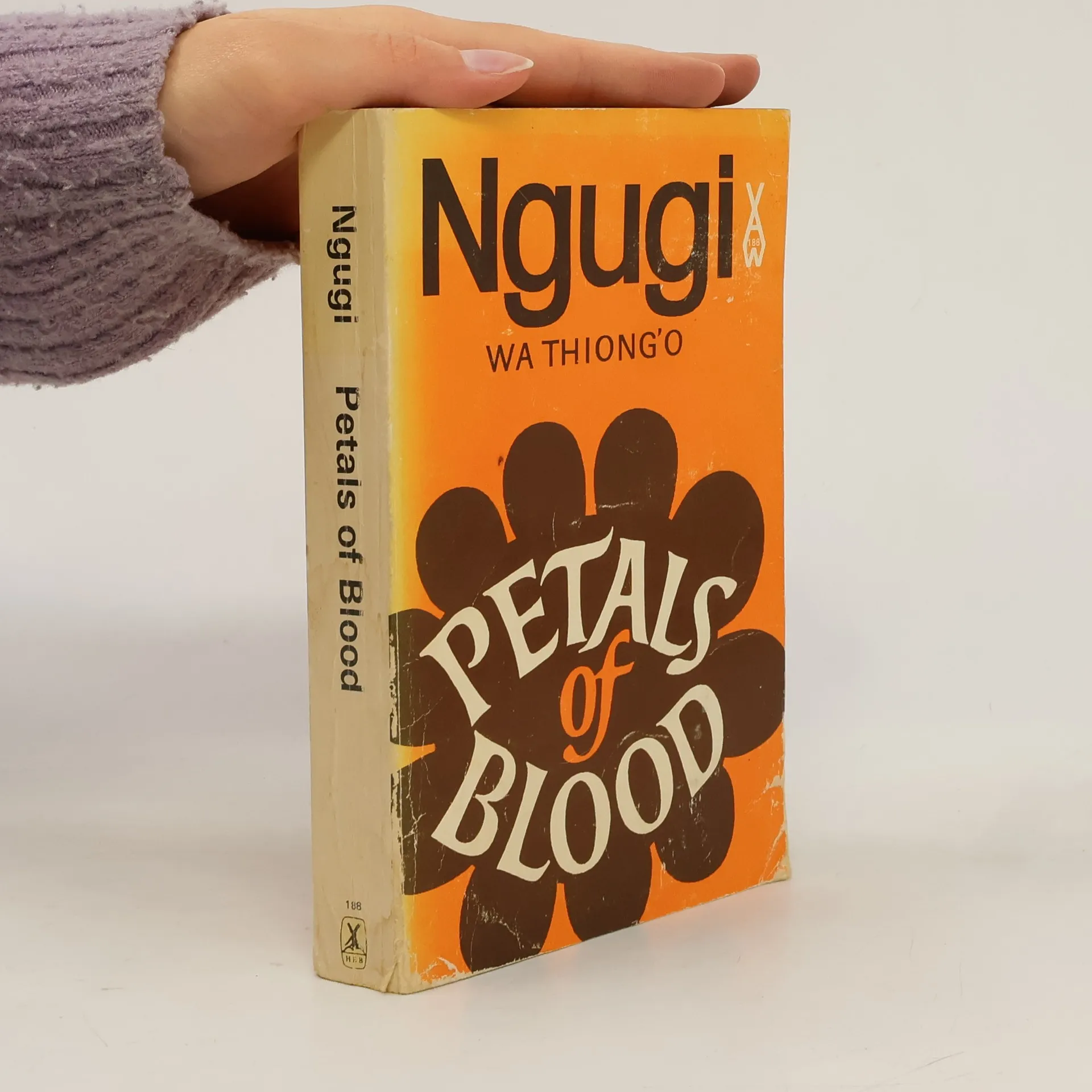
Petals of Blood, Ngugi Wa Thiong o
- Język

- Rok wydania
- 1977
- Oprawa
- (miękka)
Metody płatności
Brakuje nam tutaj Twojej recenzji.
- Tytuł
- Petals of Blood
- Język
- angielski
- Autorzy
- Ngugi Wa Thiong o
- Wydawca
- Heinemann
- Rok wydania
- 1977
- Oprawa
- miękka
- Liczba stron
- 344
- ISBN10
- 0435901885
- ISBN13
- 9780435901882
- Seria
- Tagi
- Afryka, Literatura afrykańska, Kenia
- Oryginalna nazwa
- Petals of blood
- Ocena
- 3,9 z 5
- Opis
- The puzzling murder of three African directors of a foreign-owned brewery sets the scene for this fervent, hard-hitting novel about disillusionment in independent Kenya. A deceptively simple tale, Petals of Blood is on the surface a suspenseful investigation of a spectacular triple murder in upcountry Kenya. Yet as the intertwined stories of the four suspects unfold, a devastating picture emerges of a modern third-world nation whose frustrated people feel their leaders have failed them time after time. First published in 1977, this novel was so explosive that its author was imprisoned without charges by the Kenyan government. His incarceration was so shocking that newspapers around the world called attention to the case, and protests were raised by human- rights groups, scholars, and writers, including James Baldwin, Toni Morrison, Donald Barthelme, Harold Pinter, and Margaret Drabble.