



Więcej o książce
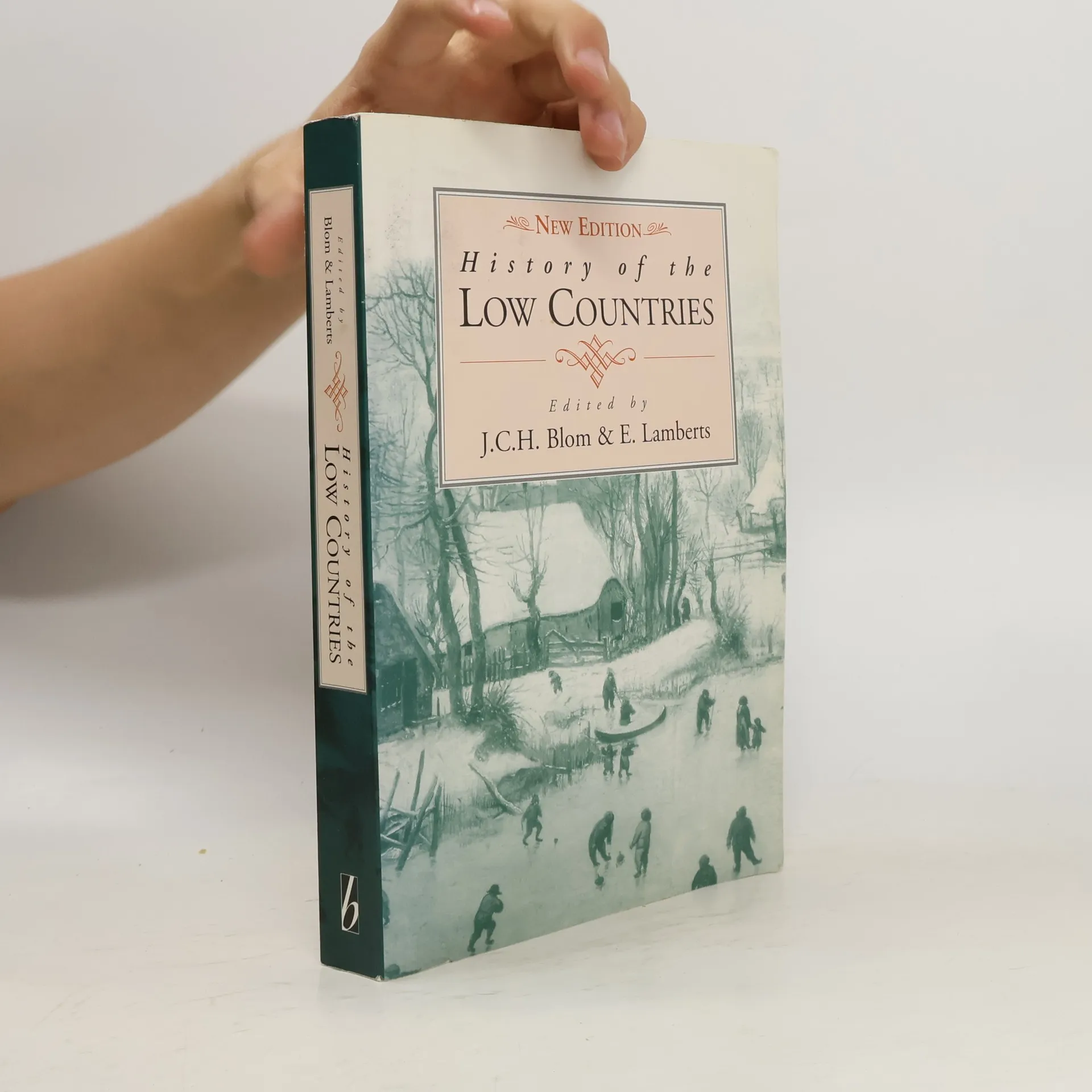
The history of smaller European countries is often overlooked in university-level European history courses. This publication presents the first comprehensive history of the Low Countries in English, covering from Roman Times to the present. Politically and culturally fragmented, the region is characterized by its inhabitants speaking Dutch, French, Frisian, and German, offering a unique snapshot of European history. The term "Low Countries" encompasses parts of northern France and western Germany, reflecting a region that has rarely formed a unified whole. Historically, defining this area was challenging, as tribes and kingdoms extended beyond the current borders of Belgium, Luxembourg, and the Netherlands. Despite this, the region exhibits common traits and developments that set it apart from its neighbors. Internationally, the Low Countries have often acted as mediators and buffers to larger powers like France, Britain, and Germany. Today, Belgium and the Netherlands continue to play significant roles in European integration, aligning their interests and policies. This richly illustrated volume serves as an excellent introduction to the Low Countries' history for both students and general readers.

Zakup książki
History of the low countries, J. C. H. Blom, Emiel Lamberts, James C. Kennedy
- Język

- Rok wydania
- 2015
- Oprawa
- (miękka)
Metody płatności
Brakuje nam tutaj Twojej recenzji.
- Tytuł
- History of the low countries
- Język
- angielski
- Autorzy
- J. C. H. Blom, Emiel Lamberts, James C. Kennedy
- Wydawca
- Berghahn Books
- Rok wydania
- 2015
- Oprawa
- miękka
- Liczba stron
- 516
- ISBN10
- 1845452720
- ISBN13
- 9781845452728
- Seria
- Tagi
- Tematy historyczne, Szkoła, Belgia
- Ocena
- 3,65 z 5
- Opis
- The history of smaller European countries is often overlooked in university-level European history courses. This publication presents the first comprehensive history of the Low Countries in English, covering from Roman Times to the present. Politically and culturally fragmented, the region is characterized by its inhabitants speaking Dutch, French, Frisian, and German, offering a unique snapshot of European history. The term "Low Countries" encompasses parts of northern France and western Germany, reflecting a region that has rarely formed a unified whole. Historically, defining this area was challenging, as tribes and kingdoms extended beyond the current borders of Belgium, Luxembourg, and the Netherlands. Despite this, the region exhibits common traits and developments that set it apart from its neighbors. Internationally, the Low Countries have often acted as mediators and buffers to larger powers like France, Britain, and Germany. Today, Belgium and the Netherlands continue to play significant roles in European integration, aligning their interests and policies. This richly illustrated volume serves as an excellent introduction to the Low Countries' history for both students and general readers.