

Więcej o książce
The role of intelligence in the contemporary world is individuals, groups and organizations as well as states seek information in order to increase their sense of security. The events of 9/11 and subsequent 'war on terror' have made intelligence more central to the study of government and international affairs than at any time previously, reviving old debates and generating new ones.But what exactly is intelligence? Who seeks to develop it and how? What happens to the intelligence that is produced? This timely new book explores these and other key questions. Concentrating on the role of states and organizations, and using the post-9/11 security agenda as its key focus, it offers an authoritative and accessible guide to the relationship between intelligence and processes of public and private governance.Drawing on a range of contemporary examples, the book examines the limits of intelligence and asks whether the 9/11 attacks, the bombings in London and the failure to find weapons of mass destruction in Iraq may be seen as intelligence 'failures'? It concludes by discussing the need for democratic control of intelligence to prevent its future abuse by unaccountable state or corporate agencies.


Zakup książki
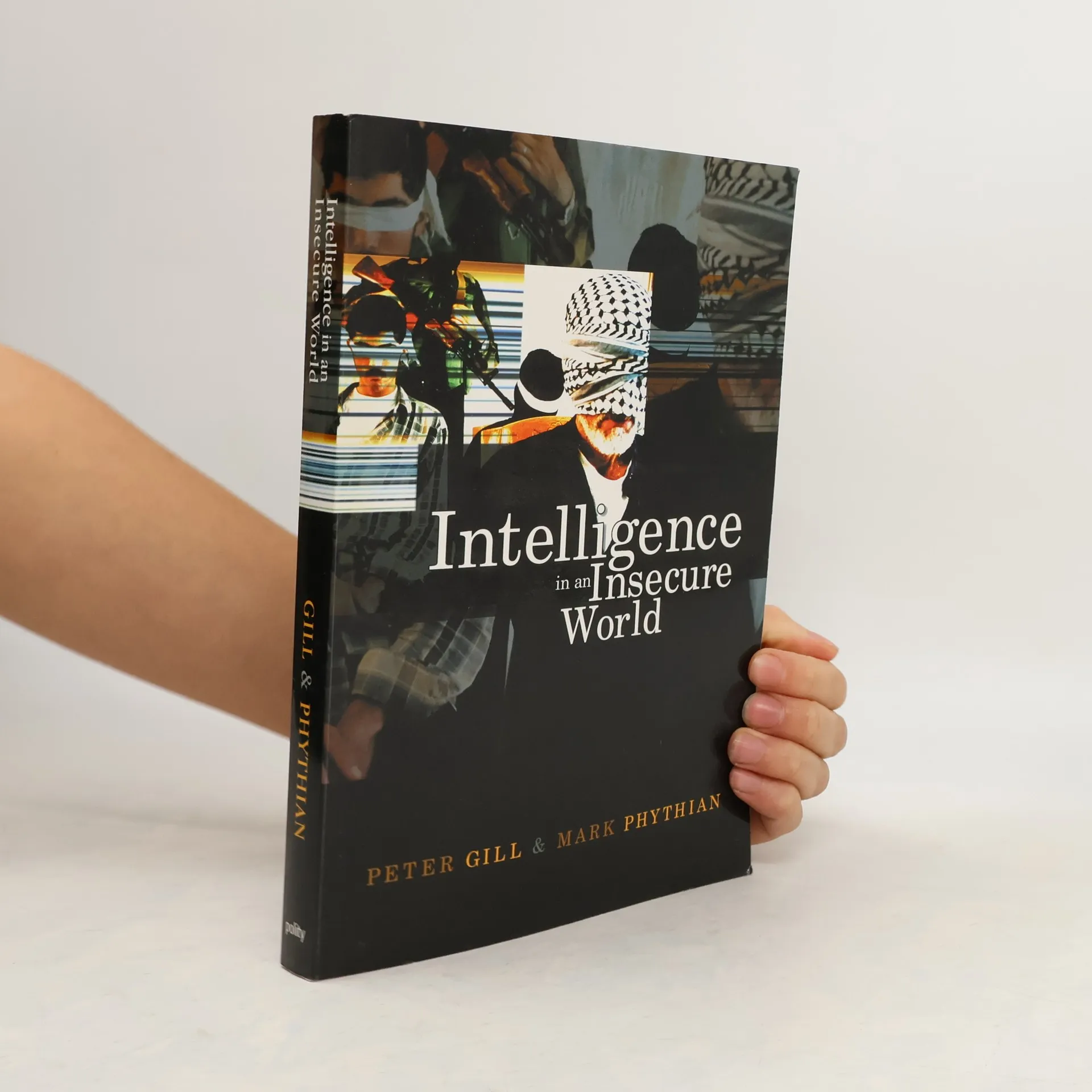
Intelligence in an Insecure World, Peter Gill, Mark Phythian
- Język

- Rok wydania
- 2006
- Oprawa
- (miękka)
Metody płatności
Brakuje nam tutaj Twojej recenzji.
- Tytuł
- Intelligence in an Insecure World
- Język
- angielski
- Autorzy
- Peter Gill, Mark Phythian
- Wydawca
- Polity
- Rok wydania
- 2006
- Oprawa
- miękka
- Liczba stron
- 228
- ISBN10
- 0745632459
- ISBN13
- 9780745632452
- Seria
- Kategorie
- Tagi
- Ocena
- 4 z 5
- Opis
- The role of intelligence in the contemporary world is individuals, groups and organizations as well as states seek information in order to increase their sense of security. The events of 9/11 and subsequent 'war on terror' have made intelligence more central to the study of government and international affairs than at any time previously, reviving old debates and generating new ones.But what exactly is intelligence? Who seeks to develop it and how? What happens to the intelligence that is produced? This timely new book explores these and other key questions. Concentrating on the role of states and organizations, and using the post-9/11 security agenda as its key focus, it offers an authoritative and accessible guide to the relationship between intelligence and processes of public and private governance.Drawing on a range of contemporary examples, the book examines the limits of intelligence and asks whether the 9/11 attacks, the bombings in London and the failure to find weapons of mass destruction in Iraq may be seen as intelligence 'failures'? It concludes by discussing the need for democratic control of intelligence to prevent its future abuse by unaccountable state or corporate agencies.