

Więcej o książce
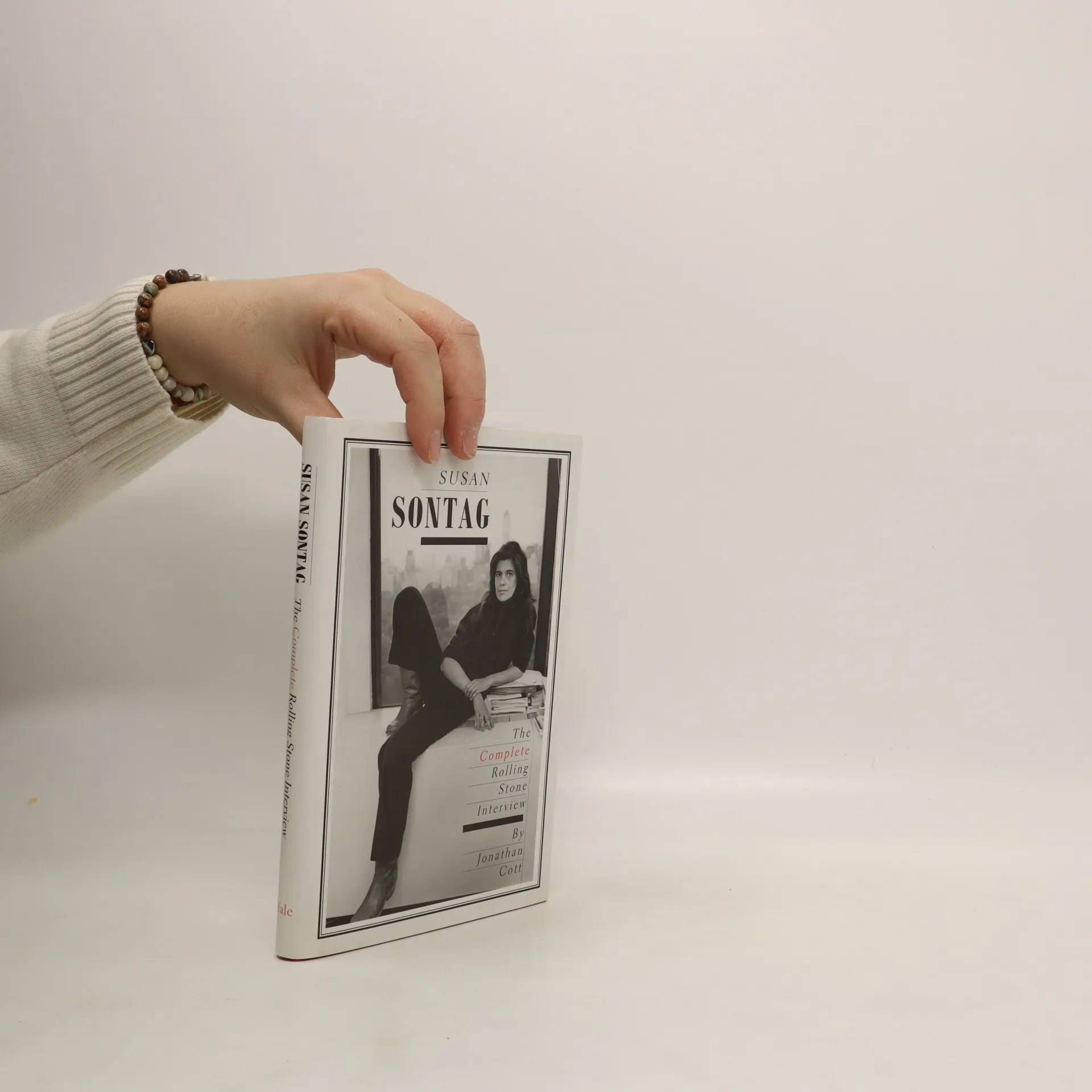
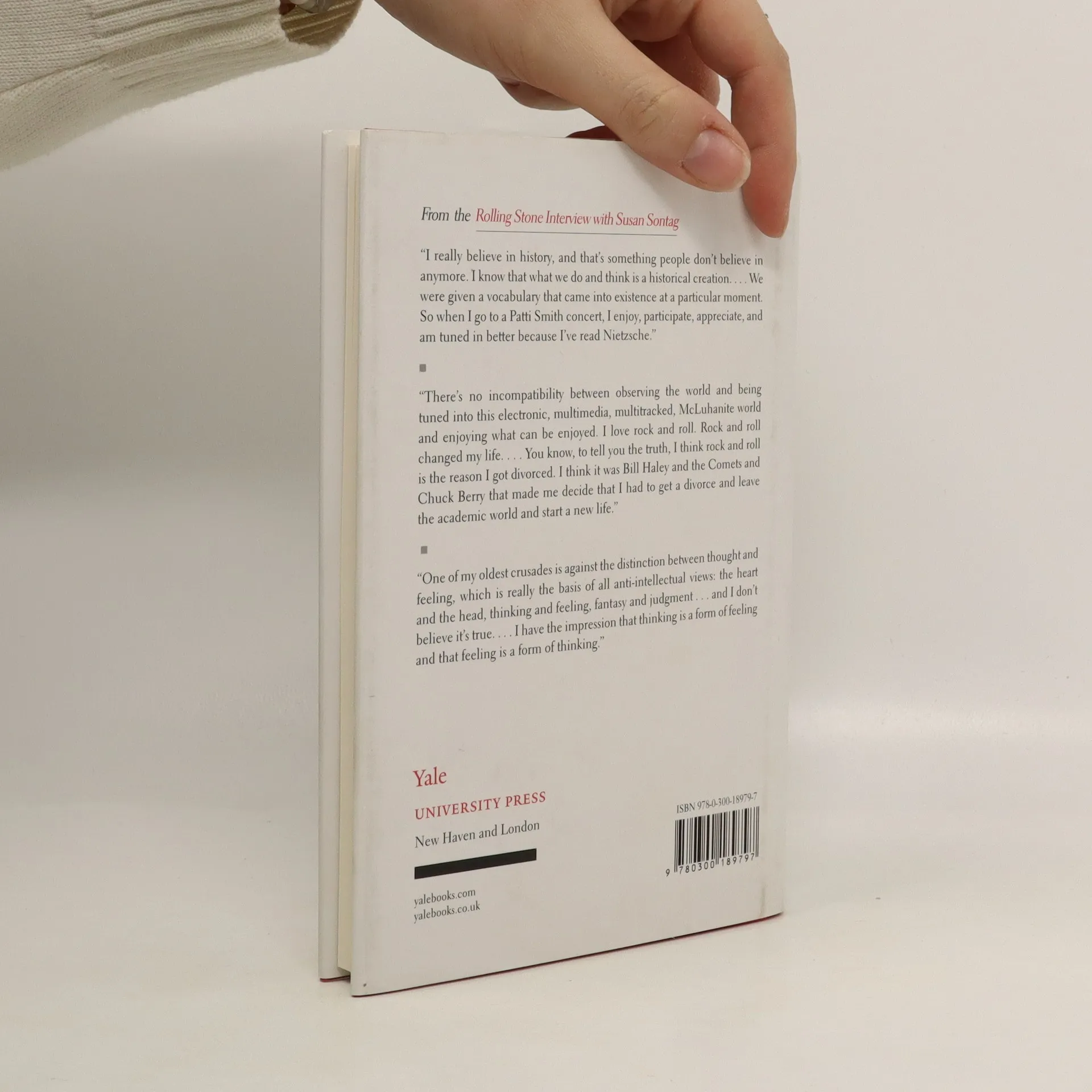
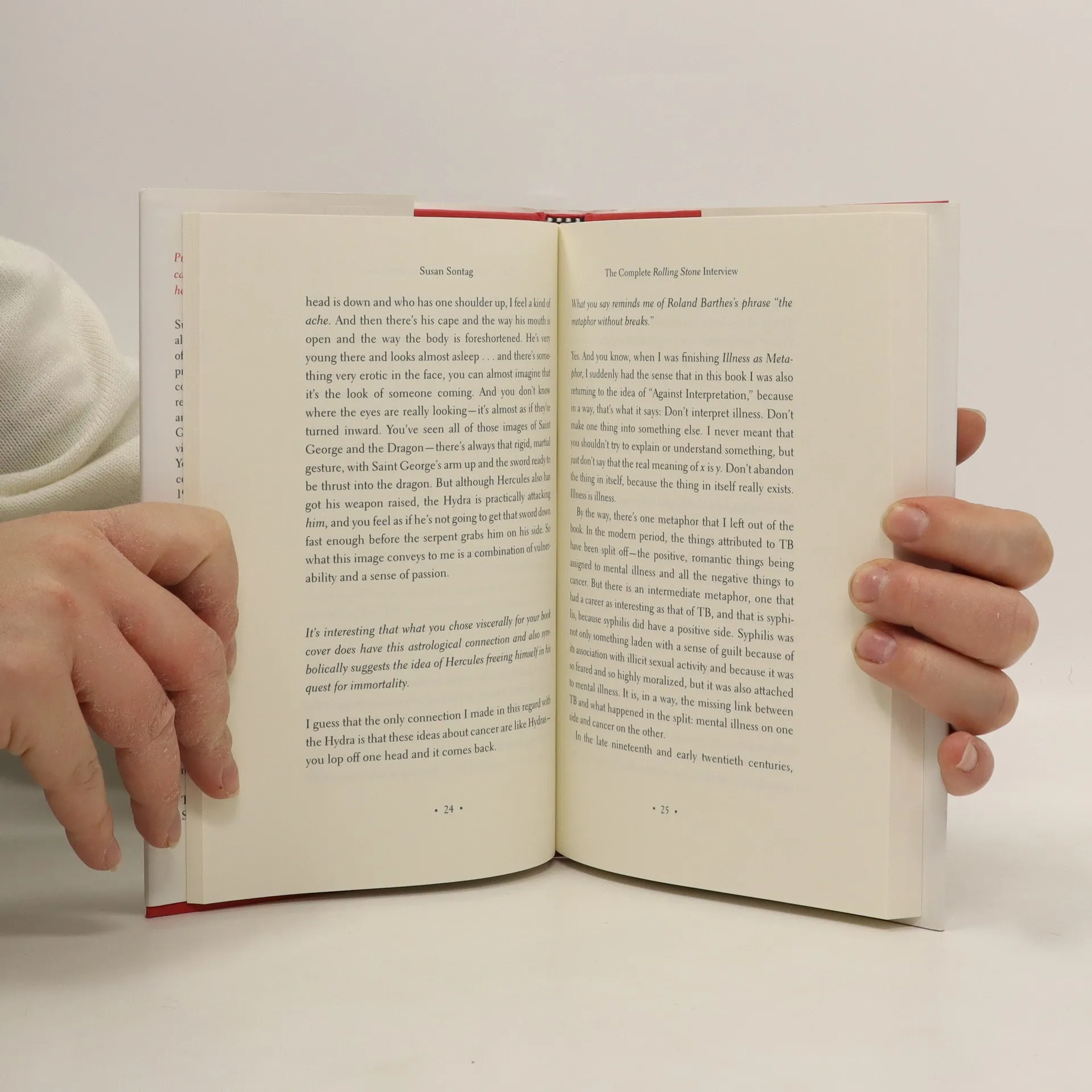
Susan Sontag, one of the most internationally renowned and controversial intellectuals of the latter half of the twentieth century, still provokes. In 1978 Jonathan Cott, a founding contributing editor of Rolling Stone magazine, interviewed Sontag first in Paris and later in New York. Only a third of their twelve hours of discussion ever made it to print. Now, more than three decades later, Yale University Press is proud to publish the entire transcript of Sontag’s remarkable conversation, accompanied by Cott’s preface and recollections. Sontag’s musings and observations reveal the passionate engagement and breadth of her critical intelligence and curiosities at a moment when she was at the peak of her powers. Nearly a decade after her death, these hours of conversation offer a revelatory and indispensable look at the self-described "besotted aesthete" and "obsessed moralist." Sontag proclaims a personal credo, declaring: "Thinking is a form of feeling; feeling is a form of thinking."
Zakup książki
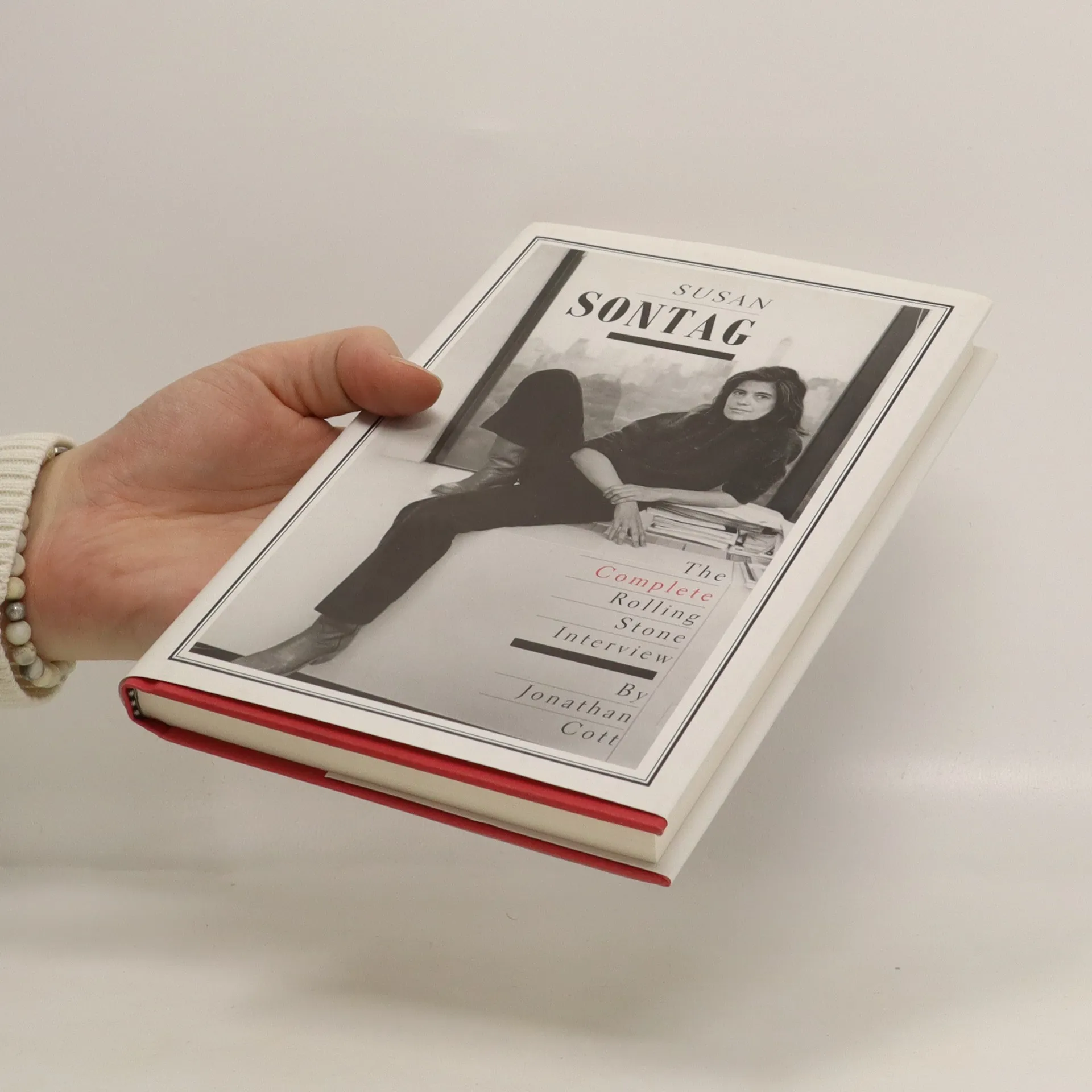
Susan Sontag : the complete Rolling Stone interview, Susan Sontag, Jonathan Cott, Inc ebrary
- Język

- Rok wydania
- 2013
- Oprawa
- (twarda)
Metody płatności
Brakuje nam tutaj Twojej recenzji.
- Tytuł
- Susan Sontag : the complete Rolling Stone interview
- Język
- angielski
- Autorzy
- Susan Sontag, Jonathan Cott, Inc ebrary
- Wydawca
- Yale University Press
- Rok wydania
- 2013
- Oprawa
- twarda
- Liczba stron
- 145
- ISBN10
- 0300189796
- ISBN13
- 9780300189797
- Seria
- Kategorie
- Ocena
- 4,25 z 5
- Opis
- Susan Sontag, one of the most internationally renowned and controversial intellectuals of the latter half of the twentieth century, still provokes. In 1978 Jonathan Cott, a founding contributing editor of Rolling Stone magazine, interviewed Sontag first in Paris and later in New York. Only a third of their twelve hours of discussion ever made it to print. Now, more than three decades later, Yale University Press is proud to publish the entire transcript of Sontag’s remarkable conversation, accompanied by Cott’s preface and recollections. Sontag’s musings and observations reveal the passionate engagement and breadth of her critical intelligence and curiosities at a moment when she was at the peak of her powers. Nearly a decade after her death, these hours of conversation offer a revelatory and indispensable look at the self-described "besotted aesthete" and "obsessed moralist." Sontag proclaims a personal credo, declaring: "Thinking is a form of feeling; feeling is a form of thinking."