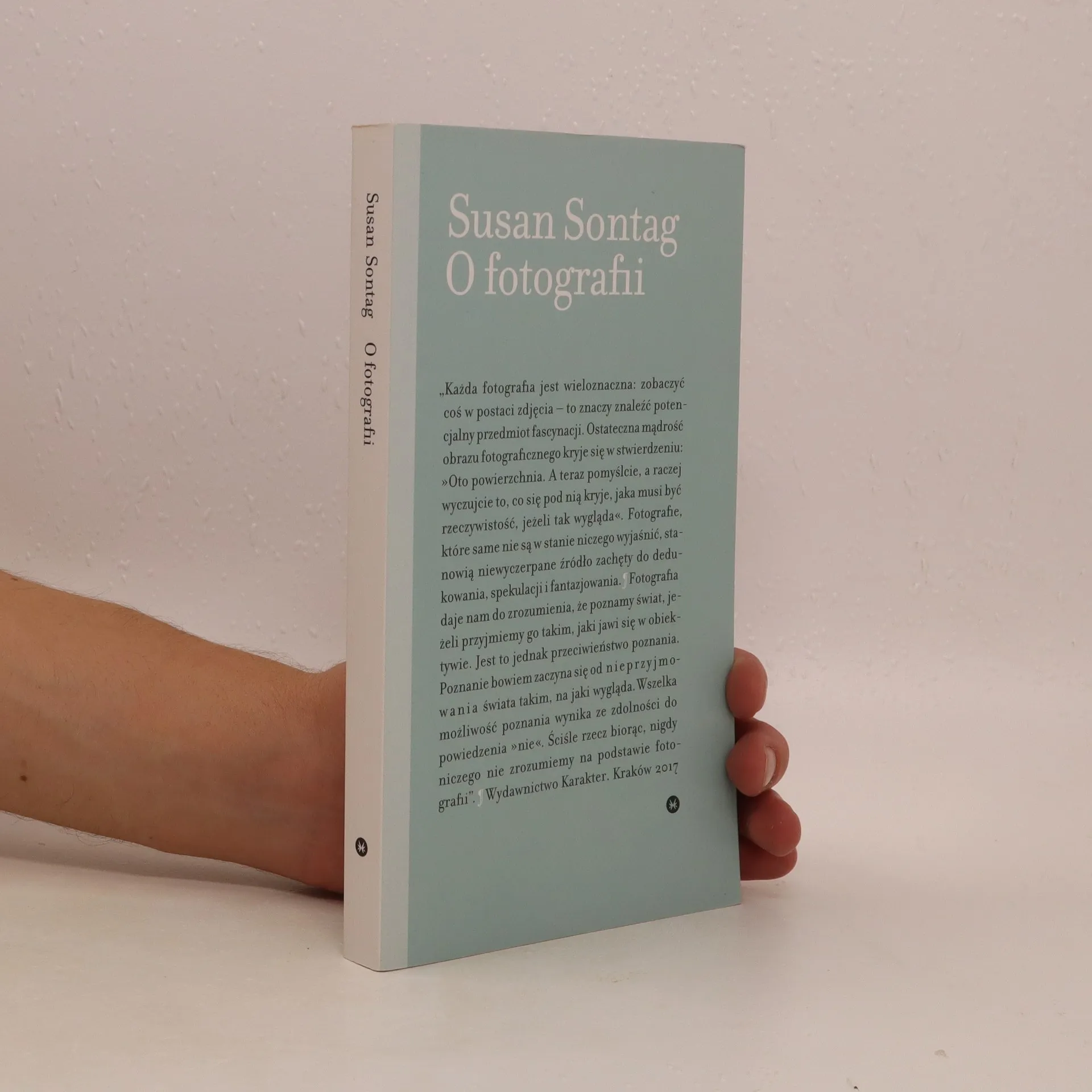
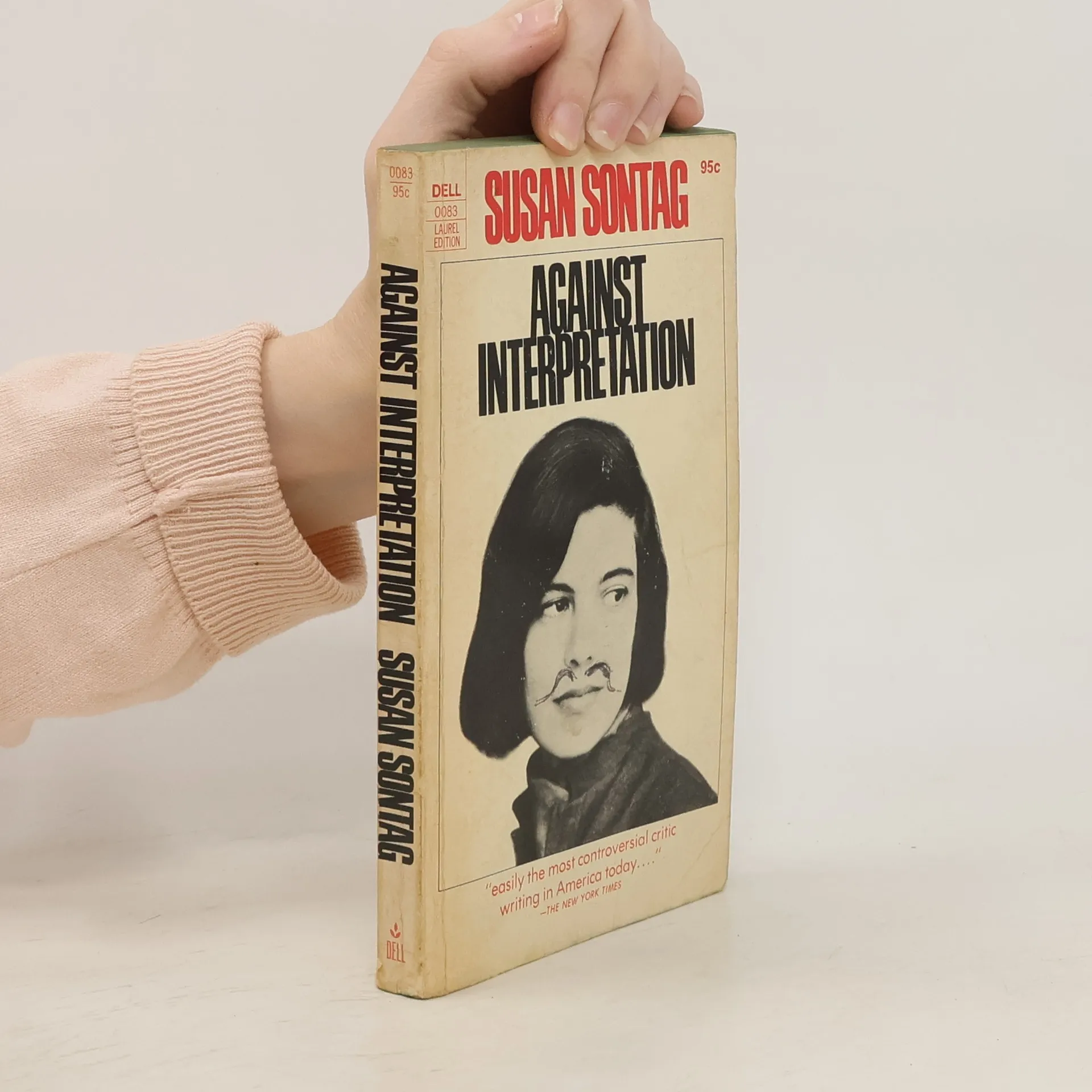
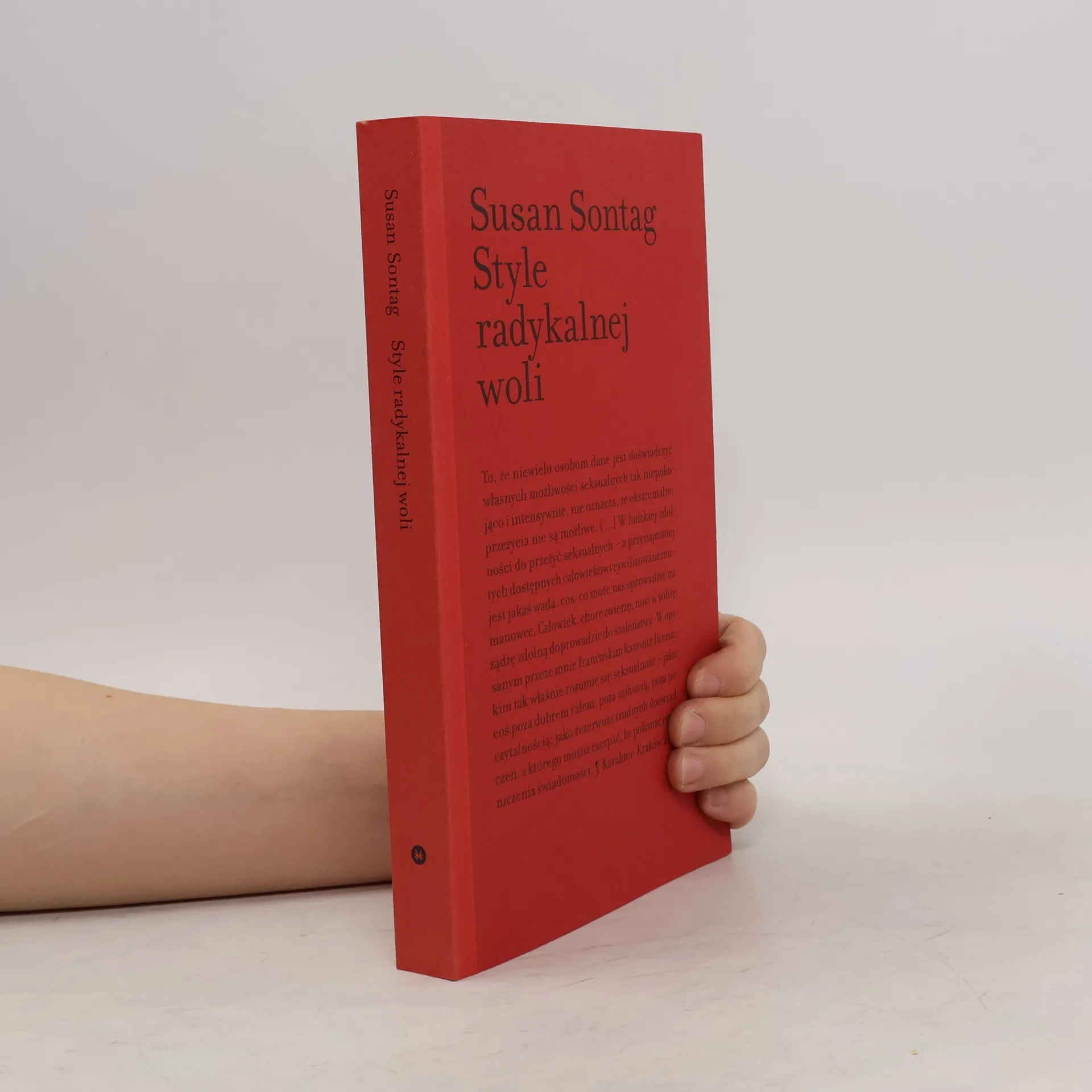
Zbiór głośnych esejów amerykańskiej intelektualistki. Opublikowany w 1966 roku, szybko stał się pozycją klasyczną i wywarł wielki wpływ na myślenie o współczesnej sztuce i kulturze. Sontag w oryginalny, a niekiedy i prowokacyjny jak na tamte czasy sposób pisze m.in. o twórczości Sartrea, Ionesco i Lvi- Straussea, analizuje filmy Godarda i Bressona, podejmuje temat wyobrażenia katastrofy w filmach science fiction czy też zagadnienia współczesnej myśli religijnej. W tomie znalazły się najbardziej znane teksty Sontag esej tytułowy oraz Zapiski o kampie, dowodzące jej niezwykłej wrażliwości na nowe zjawiska w kulturze. Jak zaznacza we wstępie sama autorka, wartością tych tekstów jest nie tyle krytyka poszczególnych dzieł, co istotność poruszanych problemów. Sontag pisze przenikliwie i z żarem, dając dowód na to, że cytując zakończenie tytułowego eseju nie potrzebujemy hermeneutyki, ale erotyki sztuki.
Susan Sontag Książki


Intelektualistka. Kochanka. Pisarka. Aktywistka. Matka. C�rka. Polemistka. To r�żne choć nie wszystkie wcielenia Susan Sontag w drugim tomie jej dziennik�w obejmującym okres rozkwitu i dojrzałości autorki. W tym czasie pisze ona powieść Zestaw do śmierci i kilka ważnych esej�w podr�żuje między Stanami Zjednoczonymi i Europą odwiedza Tanger jedzie też do Hanoi zniszczonego amerykańskimi bombami. Protestuje przeciw wojnie w Wietnamie i wykuwa swoją postawę polityczną. Zmaga się z chorobami przeżywa zawiedzione i spełnione miłości. Intensywnie pracuje notuje przemyślenia na marginesie obejrzanych film�w i przeczytanych książek. Przez karty dziennika przewijają się dziesiątki artyst�w i pisarzy m.in. Jane i Paul Bowlesowie Peter Brook Jerzy Grotowski i wreszcie wielki przyjaciel Susan Sontag Josif Brodski. Pasjonująca lektura dająca głębszy wgląd w życie odczuwanie i spos�b myślenia amerykańskiej pisarki.
Style radykalnej woli
- 326 stron
- 12 godzin czytania
Nowy tom esejów amerykańskiej pisarki obejmuje teksty o myśleniu pornograficznym, ciszy, Cioranie i Bergmanie. Szczególnie ciekawie rezonuje dziś artykuł będący odpowiedzią na ankietę "Co się dzieje w Ameryce" przeprowadzoną w 1966 roku przez „Partisan Review”. Sontag pisała tam między innymi: „Nie sądzę, by białej Ameryce zależało na równouprawnieniu Czarnych. Jest to ważne tylko dla wąskiego grona białych Amerykanów, w większości wykształconych i majętnych, z których w dodatku tylko mała część ma jakieś bliższe osobiste kontakty z Czarnymi. To kraj gorliwie rasistowski. I taki pozostanie w dającej się przewidzieć przyszłości”.
Odrodzona. Dzienniki Tom. 1 1947-1963
- 384 strony
- 14 godzin czytania
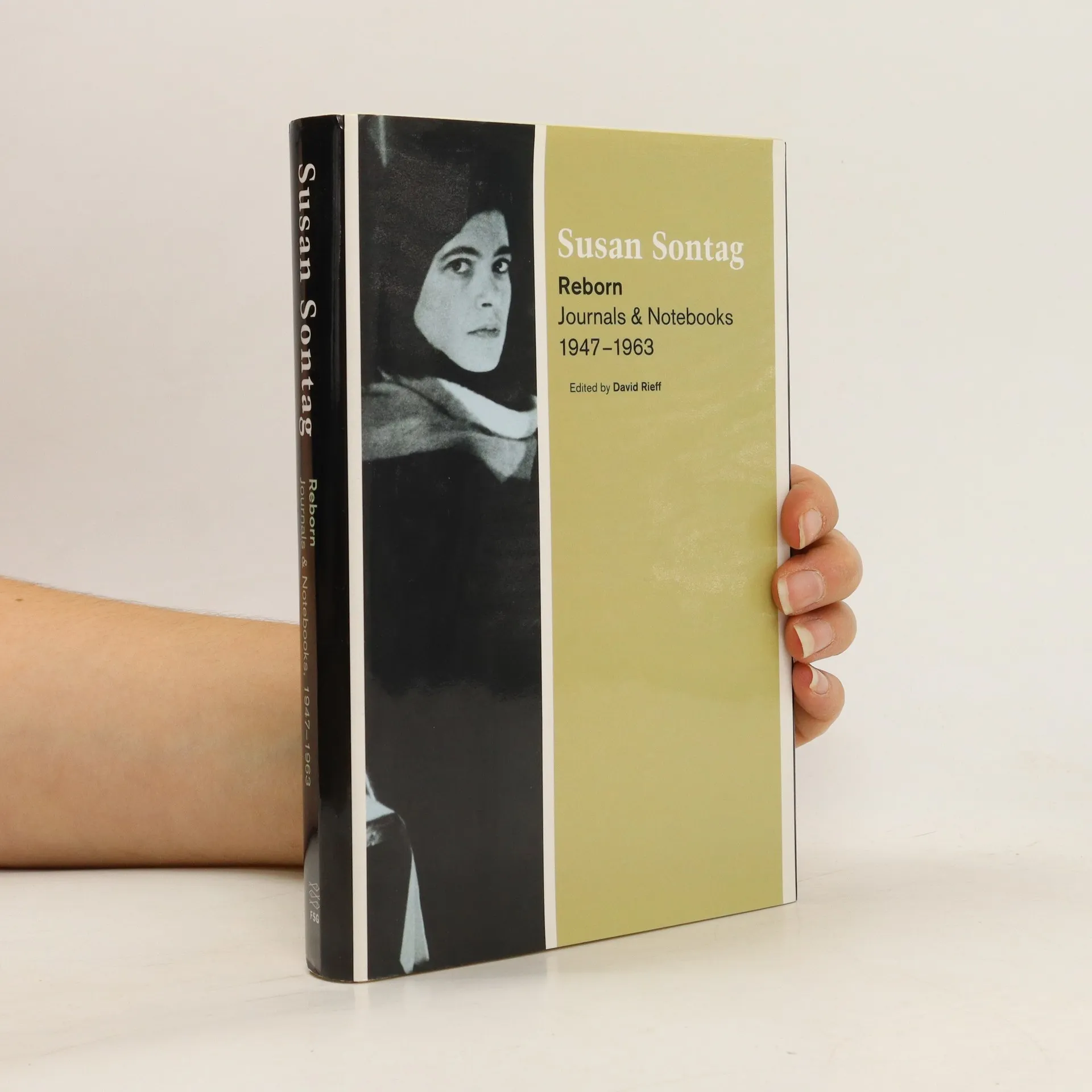
Pierwszy tom długo oczekiwanych dziennik�w Susan Sontag obejmuje zapiski, jakie prowadziła ona od czternastego do trzydziestego roku życia. Książka jest poruszającym świadectwem dojrzewania, rodzenia się intelektualnej pasji i poszukiwania własnej tożsamości. W tym okresie w życiu Sontag wiele się wydarzyło: opuściła dom rodzinny, podjęła studia, jako siedemnastolatka wyszła za mąż, dwa lata p�źniej urodziła syna,� w końcu rozwiodła się. R�wnocześnie prowadziła intensywne życie intelektualne (czego śladem w Odrodzonej są listy lektur, zapiski z obejrzanych film�w, wysłuchanych koncert�w), i odkrywała swoją seksualność, nawiązując� relacje z kobietami. Ten ostatni wątek dominuje w drugiej części książki, w kt�rej autorka analizuje swoje relacje z H. oraz Irene Fornes. Najbardziej zaskakuje w dziennikach rozdźwięk między� tym, jak Susan Sontag świadomie i z determinacją formowała siebie jako intelektualistkę, a tym, jak niepewna i bezradna pozostawała w sferze uczuć i seksualności. Jej zapiski poruszają szczerością i rzucają inne światło na autorkę Przeciw interpretacji.
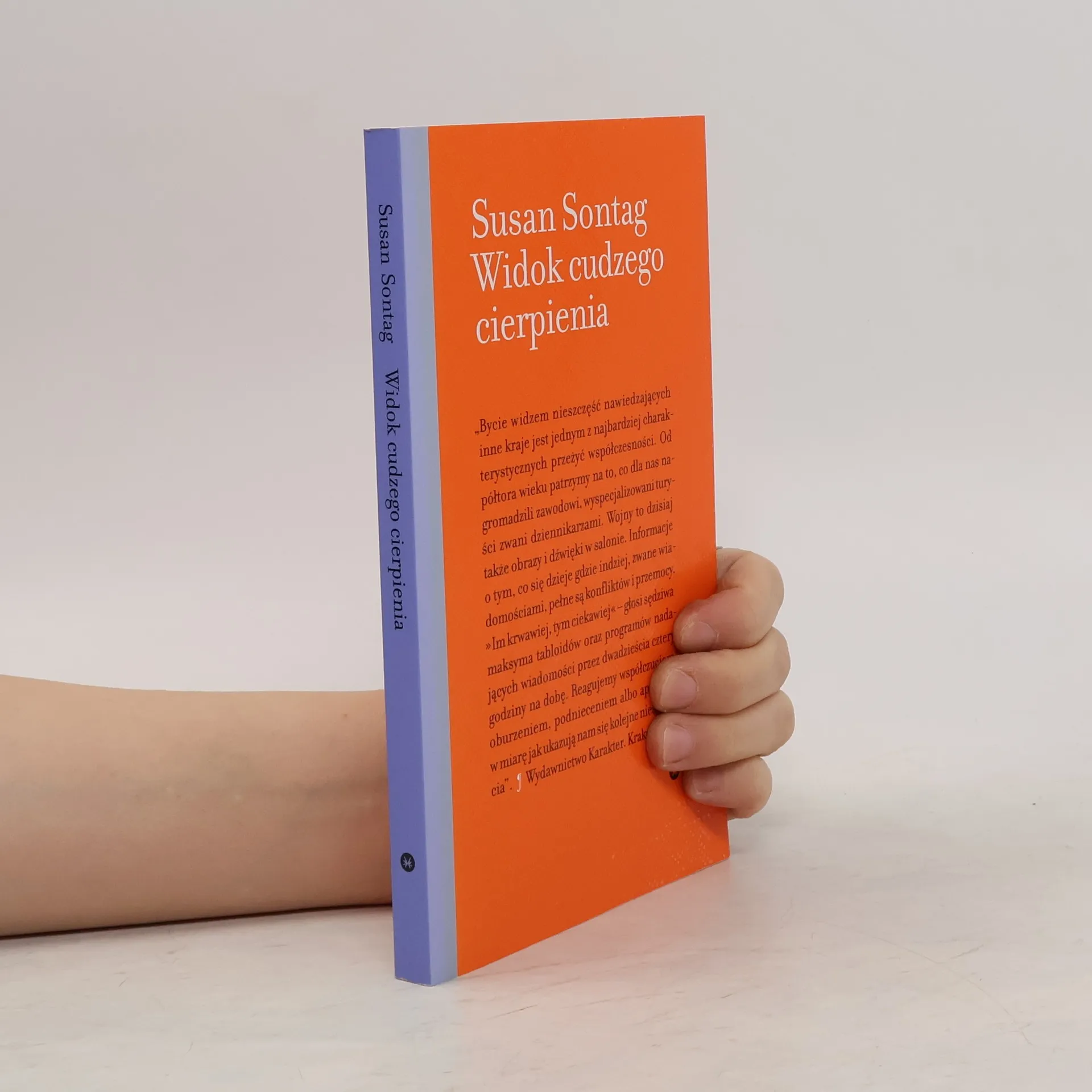
Widok cudzego cierpienia
- 153 strony
- 6 godzin czytania
Rozwinięcie i uzupełnienie O fotografii. Autorka powraca do wielu kwestii poruszanych wcześniej, skupiając się jednak na zagadnieniu przedstawiania obrazów cierpienia w mediach, zwłaszcza w fotografii wojennej. Historyczny kontekst, w jakim powstawała książka (niedługo po ataku na World Trade Center), nie pozostał bez wpływu na charakter i temperaturę wywodu. W świecie, w którym codziennie jesteśmy zalewani potokiem obrazów pełnych okrucieństwa, w świecie po ludobójstwie w Rwandzie i po wojnie w byłej Jugosławii, a zarazem w świecie, w którym technika umożliwia prowadzenie wojny na odległość, przedstawianie obrazów cierpienia rodzi nowe pytania i problemy etyczne. Sontag bezlitośnie tropi hipokryzję Zachodu i stosowanie podwójnych standardów w pokazywaniu nieszczęścia, bólu i śmierci. Zastanawia się nad rolą fotografii w kształtowaniu tak zwanej zbiorowej pamięci i stosunku do historii. W centrum rozważań stawia tym razem nie fotografa, lecz widza, który musi określić swoją postawę wobec widoku czyjegoś cierpienia; żadne spojrzenie nie jest niewinne.
Co ważne
- 440 stron
- 16 godzin czytania
Czytanie i oglądanie: niezależnie od tego, czy chodzi o fotografię, literaturę, kino czy malarstwo, nieustanna ciekawość i przenikliwy wzrok Susan Sontag były wszędzie obecne. Mierzyła moralność świata sztuką, a sztukę światem: odkrywała autorów takich jak W. G. Sebald, wystawiała „Czekając na Godota” w okupowanym Sarajewie i uczyła nas, by nie ufać zdjęciom prasowym. „Co ważne” to jej ostatnia zbiór esejów, testament kosmopolitki życia i sztuki: „kalejdoskop, lśniący jak świat”.
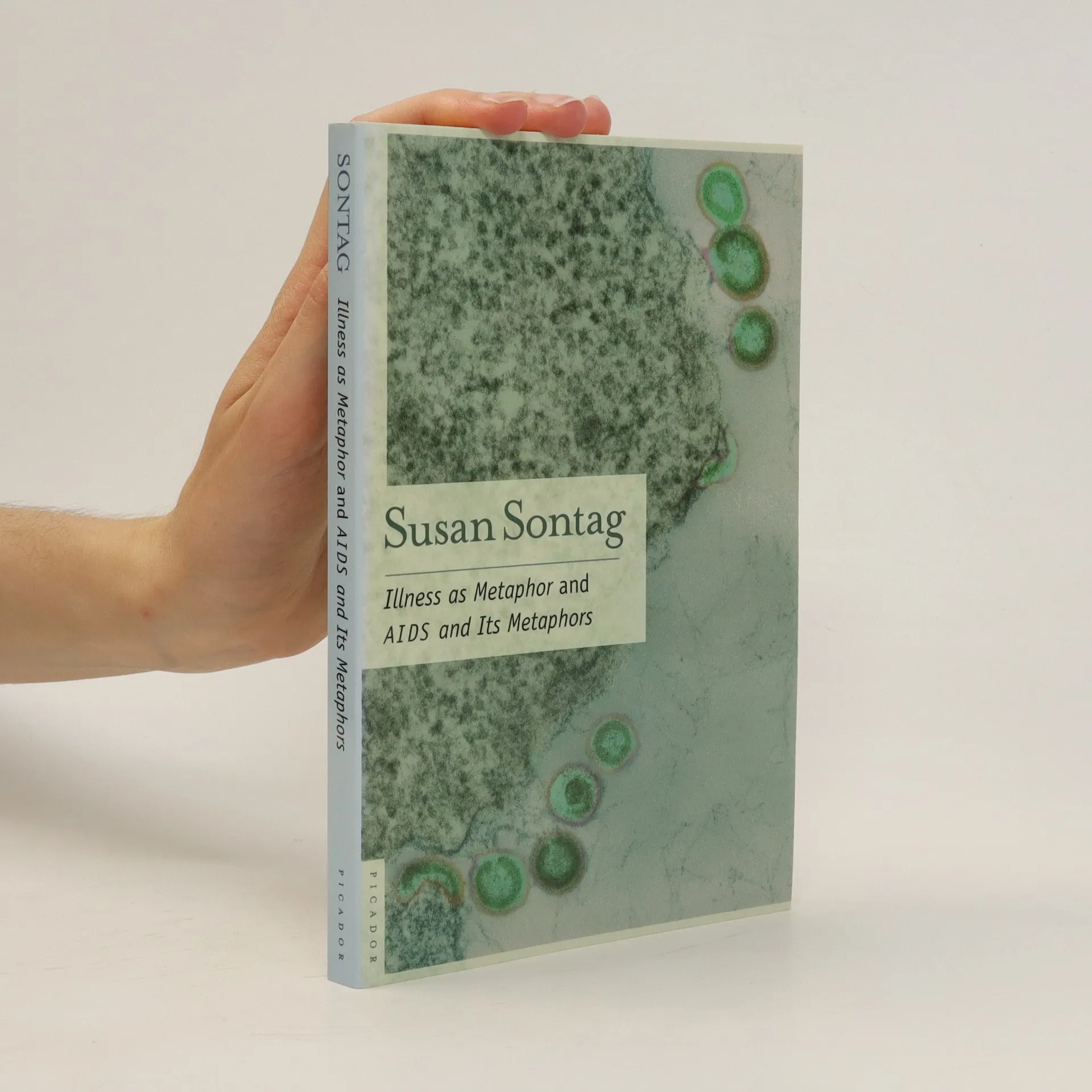
Dwa eseje, które weszły do kanonu humanistyki, analizują mitologię gruźlicy i choroby nowotworowej, badając źródła naukowe oraz literackie od antyku po współczesność, odwołując się do takich autorów jak Homer, Baudelaire, Mann, Joyce czy Auden. Autorka pokazuje, jak społeczeństwo stygmatyzuje chorych oraz demistyfikuje ideologiczne fantazje, demonizując niektóre choroby. Drugi esej, napisany pod koniec lat 80., stanowi pionierską analizę AIDS i społecznych wyobrażeń związanych z tą chorobą. Wskazuje na to, jak współczesne ruchy totalitarne, zarówno prawicowe, jak i lewicowe, wykorzystywały symbolikę choroby. Naziści porównywali osoby „nieczyste rasowo” do syfilityków, a Żydów europejskich do syfilisu i raka, które należy usunąć. Metafory choroby były powszechne w retoryce bolszewików, a Trocki, wybitny komunistyczny polemista, używał ich obficie, szczególnie po swoim wygnaniu w 1929 roku. Stalinizm porównywał przeciwników do cholery, syfilisu i raka. Kiedy polityczne zjawiska są obrazowo przedstawiane jako choroby, metafora nabiera kategorycznego charakteru, wskazując na winę i domagając się kary.
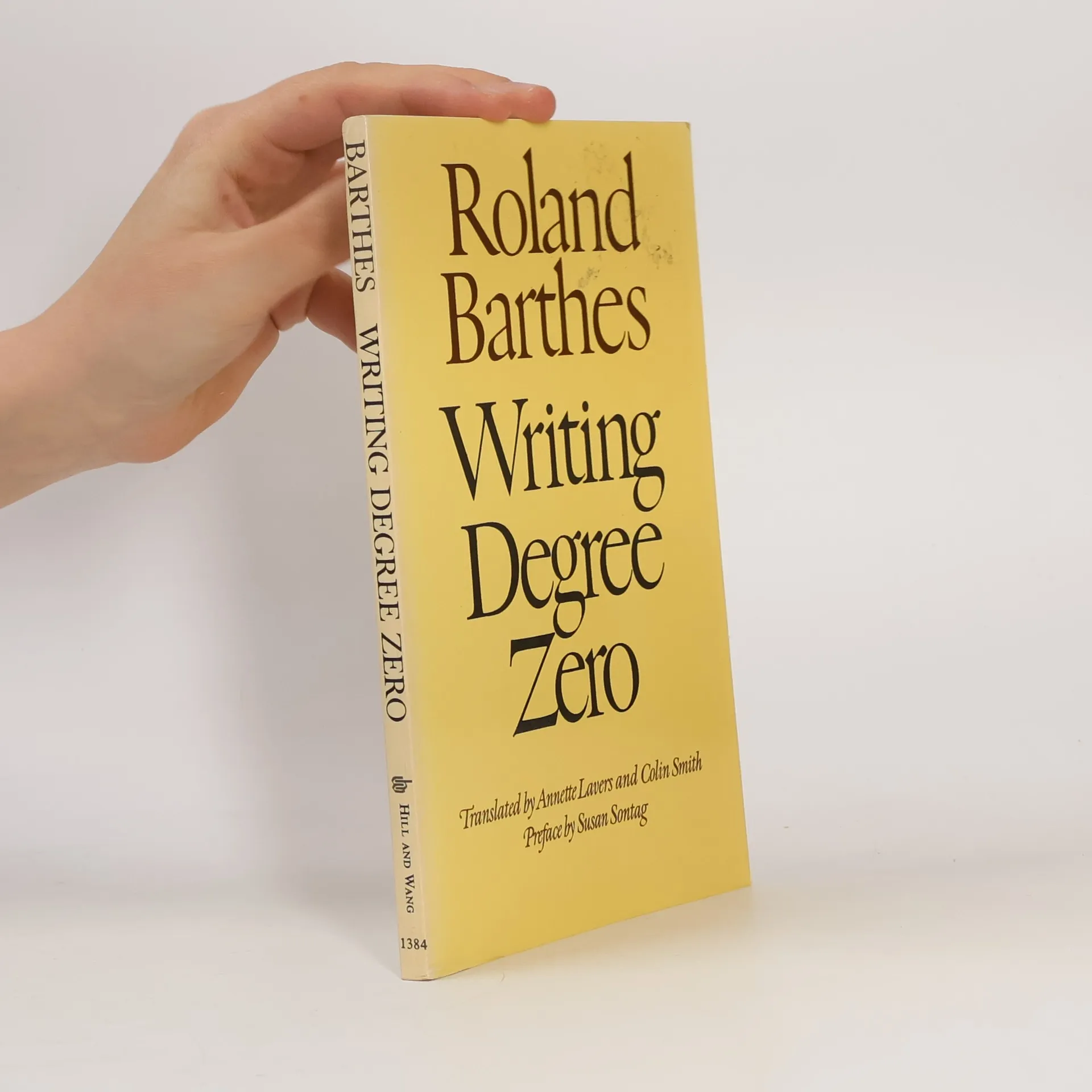
Pierwsze polskie wydanie słynnego zbioru esejów Susan Sontag. Amerykańska autorka kreśli sylwetki kilku twórców, m.in.: Waltera Benjamina, Eliasa Canettiego, Antonina Artauda, zastanawia się nad źródłami popkulturowej fascynacji faszyzmem i przygląda się kolejnym mistyfikacjom Leni Riefenstahl. Motywem przewodnim wszystkich esejów czyni Sontag związki estetyki i etyki w literaturze, filozofii, teatrze i filmie. Niektóre eseje mają charakter bardziej osobisty, jak wspomnienia o Paulu Goodmanie i Rolandzie Barthesie, inne stanowią interpretacje dzieł, wszystkie jednak cechuje przenikliwość myśli i pasja autorki. Wszelka sztuka, która wyraża radykalne niezadowolenie i pragnie zaburzyć miłe doznania, ryzykuje, że zostanie rozbrojona, zneutralizowana i pozbawiona burzycielskiej mocy przez podziw innych, przez to, że zostanie (lub wydaje się, że została) całkowicie przeniknięta, przez praktyczne zastosowanie pisze Sontag w eseju o Artaudzie. Sama stara się czytać i pisać tak, żeby nie ujarzmić sztuki, lecz ocalić jej niszczycielską moc.
O fotografii
- 256 stron
- 9 godzin czytania
Nowe wydanie najważniejszej w historii książki poświęconej fotografii. Wybitna amerykańska intelektualistka bada znaczenie i funkcję fotografii we współczesnym świecie. Czym w swej istocie jest fotografia? Jakie są jej związki z malarstwem i sztuką? Jak zjawisko fotografii zmieniło nasz sposób postrzegania świata? W jakim stopniu fotografia interpretuje rzeczywistość? Jaka jest relacja między fotografem i obiektem oraz między zdjęciem a patrzącym? Na czym polega współczesny heroizm widzenia? Z jakich powodów sięgamy po aparat fotograficzny? Dlaczego skłonni jesteśmy przechowywać zdjęcia bliskich nam osób?
Susan Sontag: Later Essays
- 865 stron
- 31 godzin czytania
This collection presents the later writings of a provocative critic, showcasing essays and speeches from the last quarter-century of her life. It covers a wide array of subjects, including the AIDS epidemic, 9/11, the Iraq war, and the allure of Fascism, alongside reflections on painting, dance, music, and film. The works feature literary portraits of notable figures such as Walter Benjamin, Roland Barthes, and Jorge Luis Borges, reflecting her passionate curiosity and expansive intellect. With unwavering focus and intensity, she challenges our understanding of human life, as highlighted in her acceptance speech for the Jerusalem Prize in 2000. Her experience in war-torn Sarajevo while staging Waiting for Godot becomes a profound meditation on culture and human dignity, emphasizing what people in conflict zones feel they have lost. Additionally, "AIDS and Its Metaphors" builds on the themes of her earlier work, "Illness as Metaphor," while "Regarding the Pain of Others" addresses the moral complexities of depicting violence and atrocity through photography. This collection serves as a testament to her enduring impact and insight into the human experience.
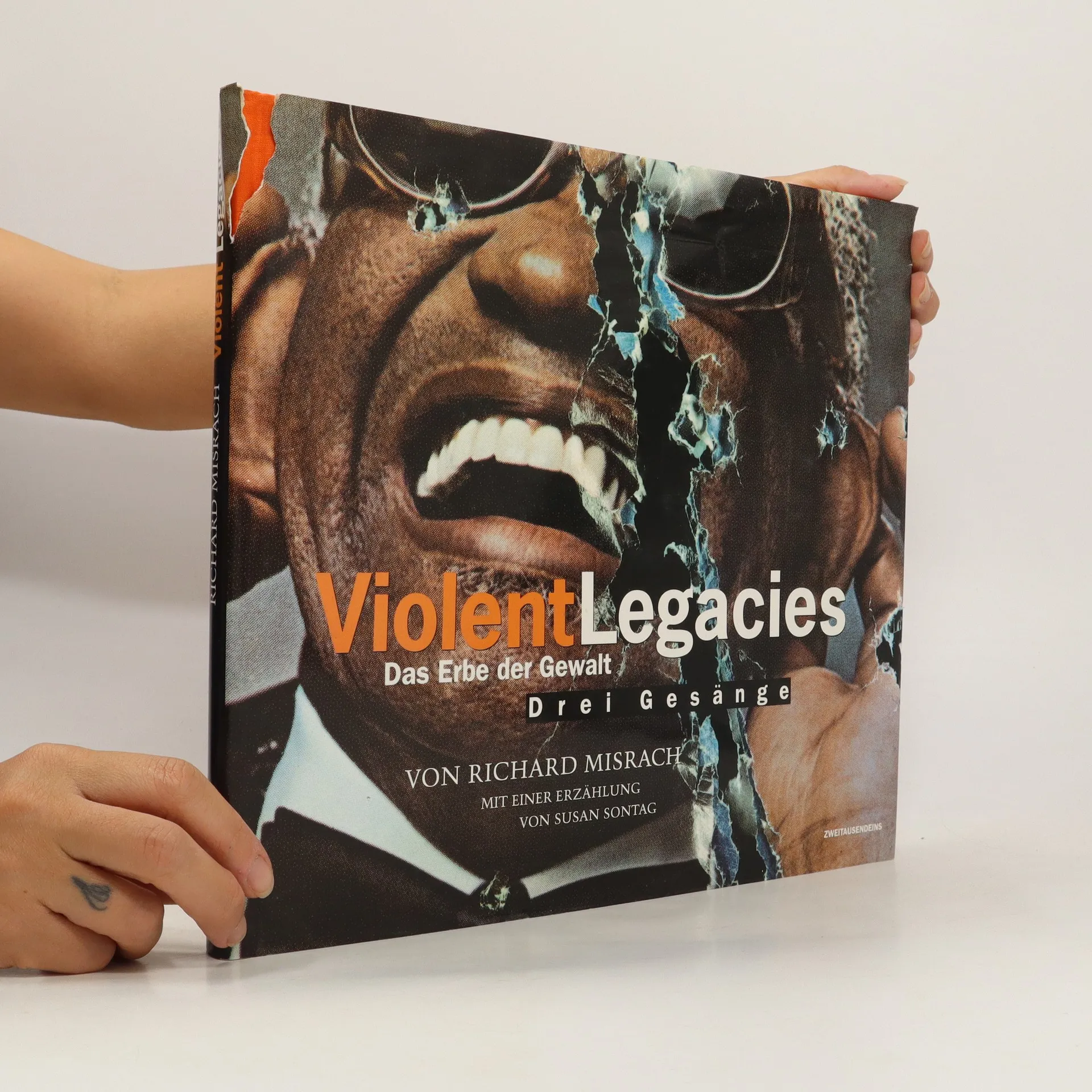
Serious Games - Zur Ausstellung in der Mathildenhöhe Darmstadt, 2011. Dtsch.-Engl.
- 207 stron
- 8 godzin czytania
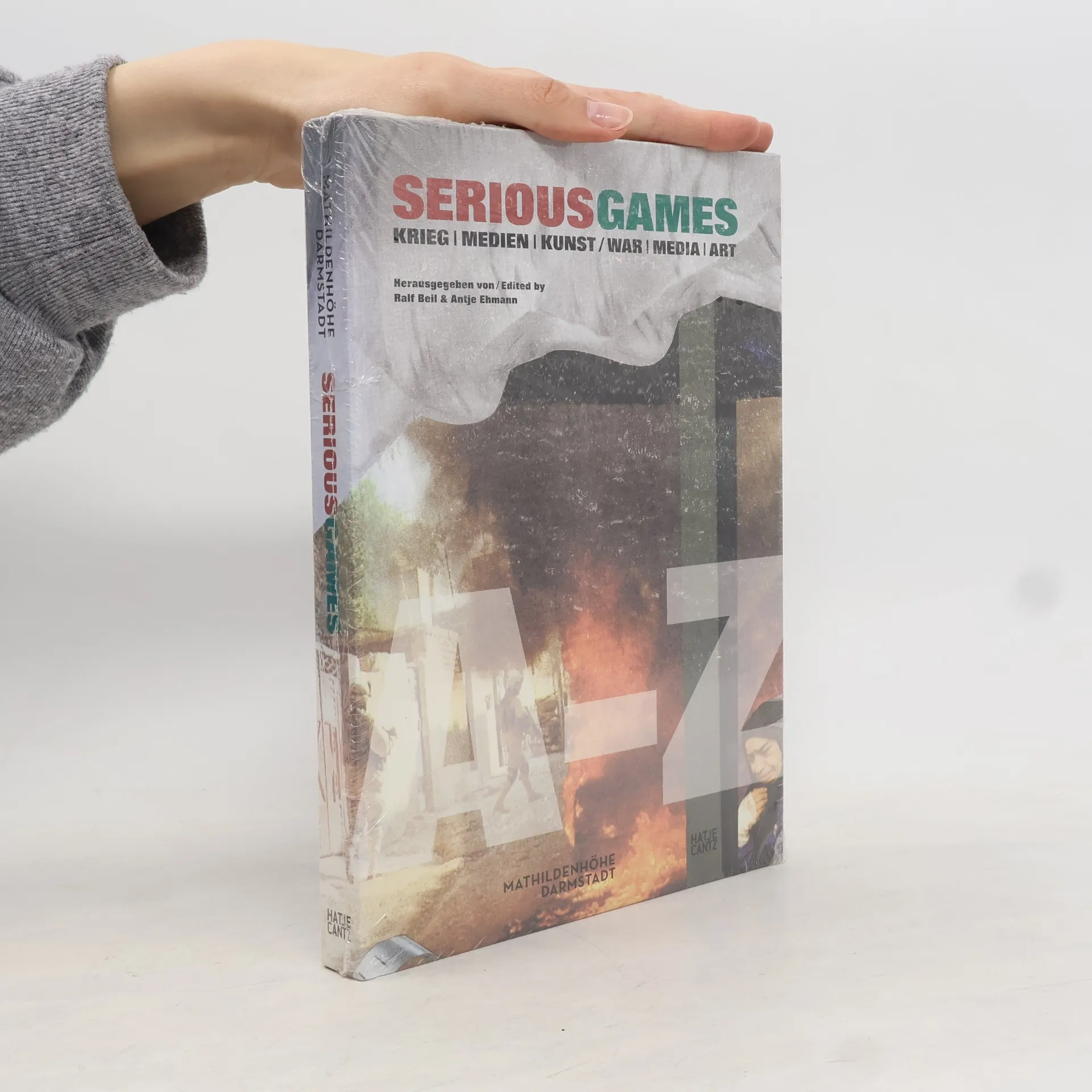
Im Irak-Krieg 1992 fiel die Kriegsführung mit der Berichterstattung zusammen: Das zivile Fernsehen zeigte Bilder, die kurz zuvor noch auf militärischen Kontroll-Monitoren zu sehen waren. Mittlerweile liefern Dienststellen der US-Armee komplette Datensätze für Computerspiele. Virtuelle Wüstenlandschaften mit Betonpisten und Strommasten prägen heute die Fantasie von Kindern und Jugendlichen wie früher einmal die Tunnel und Bergdörfer von Spielzeugeisenbahnen. Das lexikalisch aufgebaute Kompendium untersucht die permanente Umwandlung von Kriegsbildern zu Unterhaltungsbildern und damit die Militarisierung der Imagination. Es geht darum, welche Bilder Kriege erzeugen und wie diese in der Kunst der Gegenwart aufgegriffen und gespiegelt werden. Beleuchtet wird diese Frage anhand von Fotografien, Videos, Computerspielen, Gemälden und Rauminstallationen, unter anderem von Peggy Ahwesh, Oliver van den Berg, Kota Ezawa, Harun Farocki, Jean-Luc Godard, Richard Hamilton, Walid Raad, Martha Rosler, Allan Sekula und Hito Steyerl. Ausstellung: Mathildenhöhe Darmstadt 27.3.–24.7.2011
Susan Sontag: Essays of the 1960s & 70s (LOA #246)
- 875 stron
- 31 godzin czytania
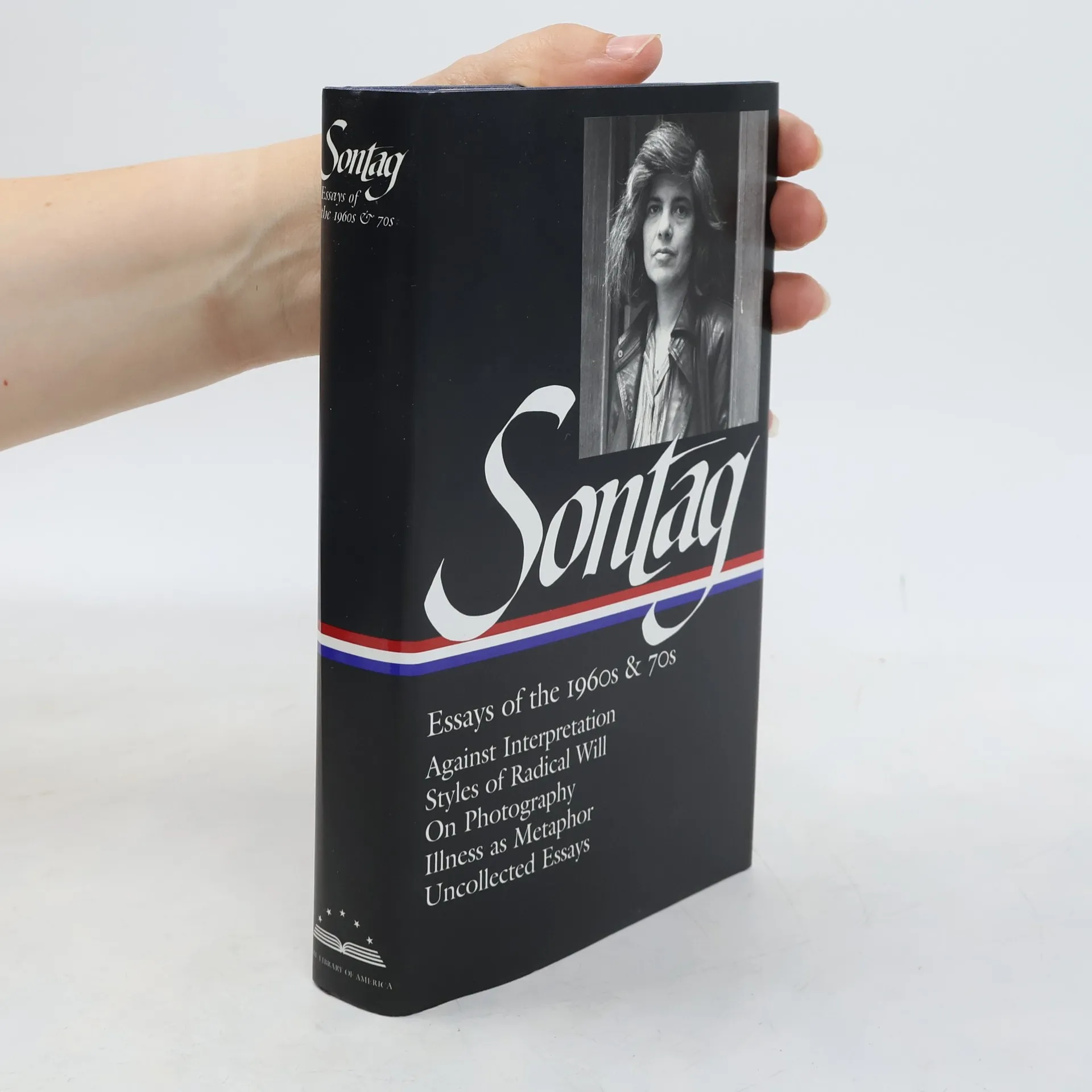
With the publication of her first book, Against Interpretation, in 1966, Susan Sontag placed herself at the forefront of an era of cultural and political transformation. "What is important now," she wrote, "is to recover our senses ... In place of a hermeneutics we need an erotics of art." She would remain a catalyzing presence, whether writing about camp sensibility, the films of Jean-Luc Godard and Alain Resnais, her experiences as a traveler to Hanoi at the height of the Vietnam War, the aesthetics of science-fiction and pornography, or a range of modern thinkers from Simone Weil to E.M. Cioran. She opened dazzling new perspectives on any subject she addressed, whether the nature of photography or cultural attitudes toward illness. This volume, edited by Sontag's son David Rieff, presents the full texts of four essential books: Against Interpretation, Styles of Radical Will (1969), On Photography (1977), and Illness as Metaphor (1978). Also here as a special feature are six previously uncollected essays including studies of William S. Burroughs and the painter Francis Bacon and a series of reflections on beauty, aging, and the emerging feminist movement.
Notes on Camp
- 64 strony
- 3 godziny czytania
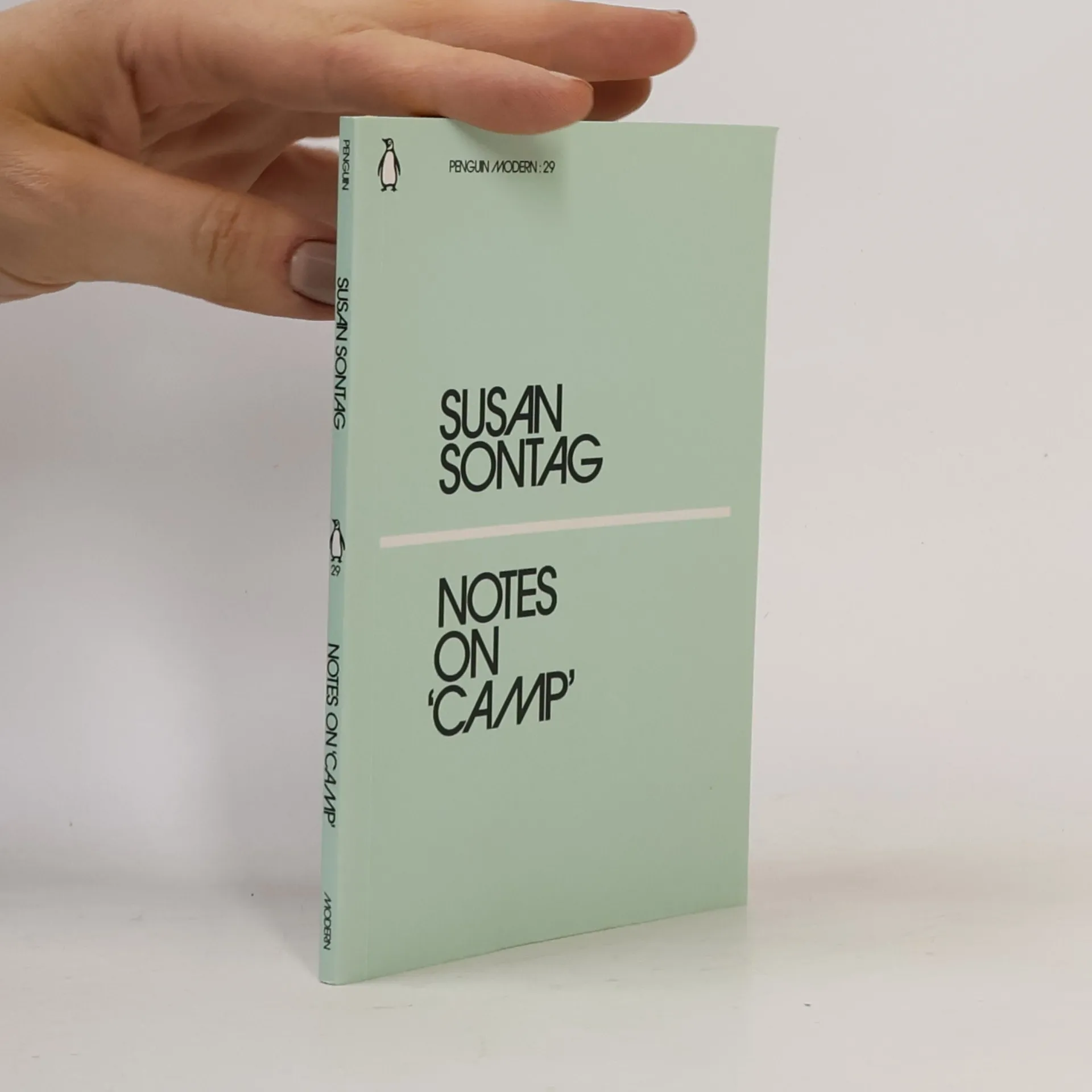
"These two classic essays were the first works of criticism to break down the boundaries between 'high' and 'low' culture, and made Susan Sontag a literary sensation."--Back cover
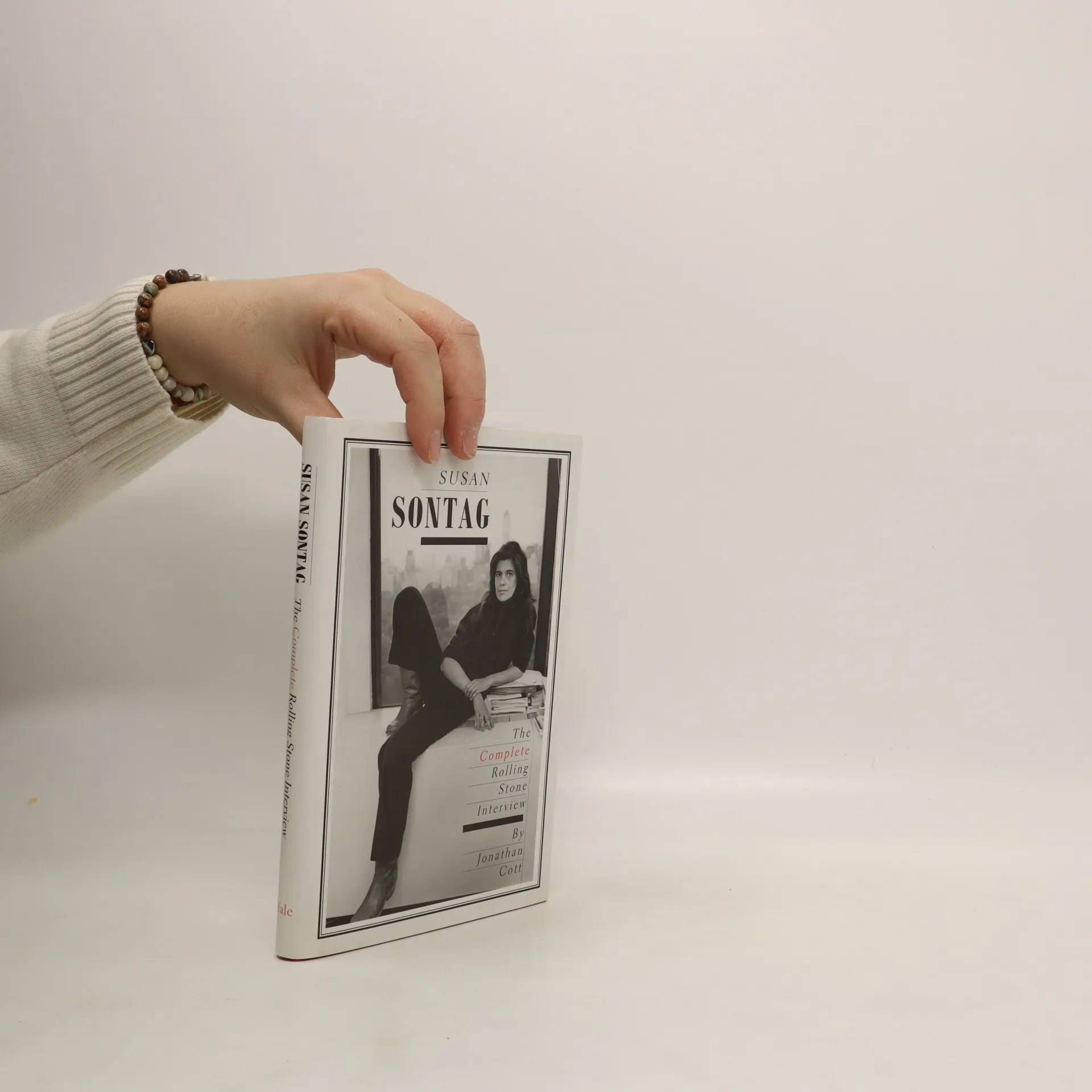
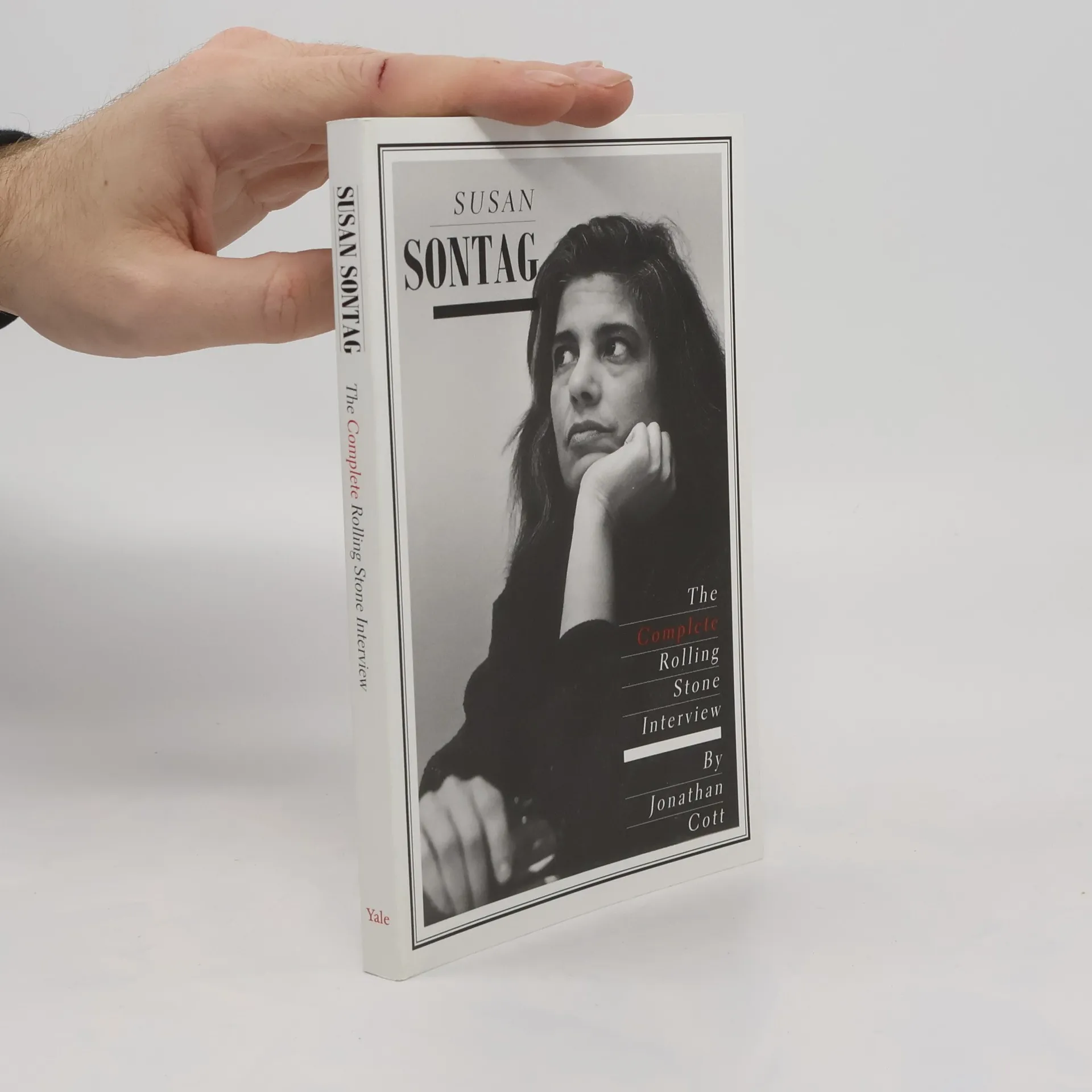
Susan Sontag : the complete Rolling Stone interview
- 145 stron
- 6 godzin czytania
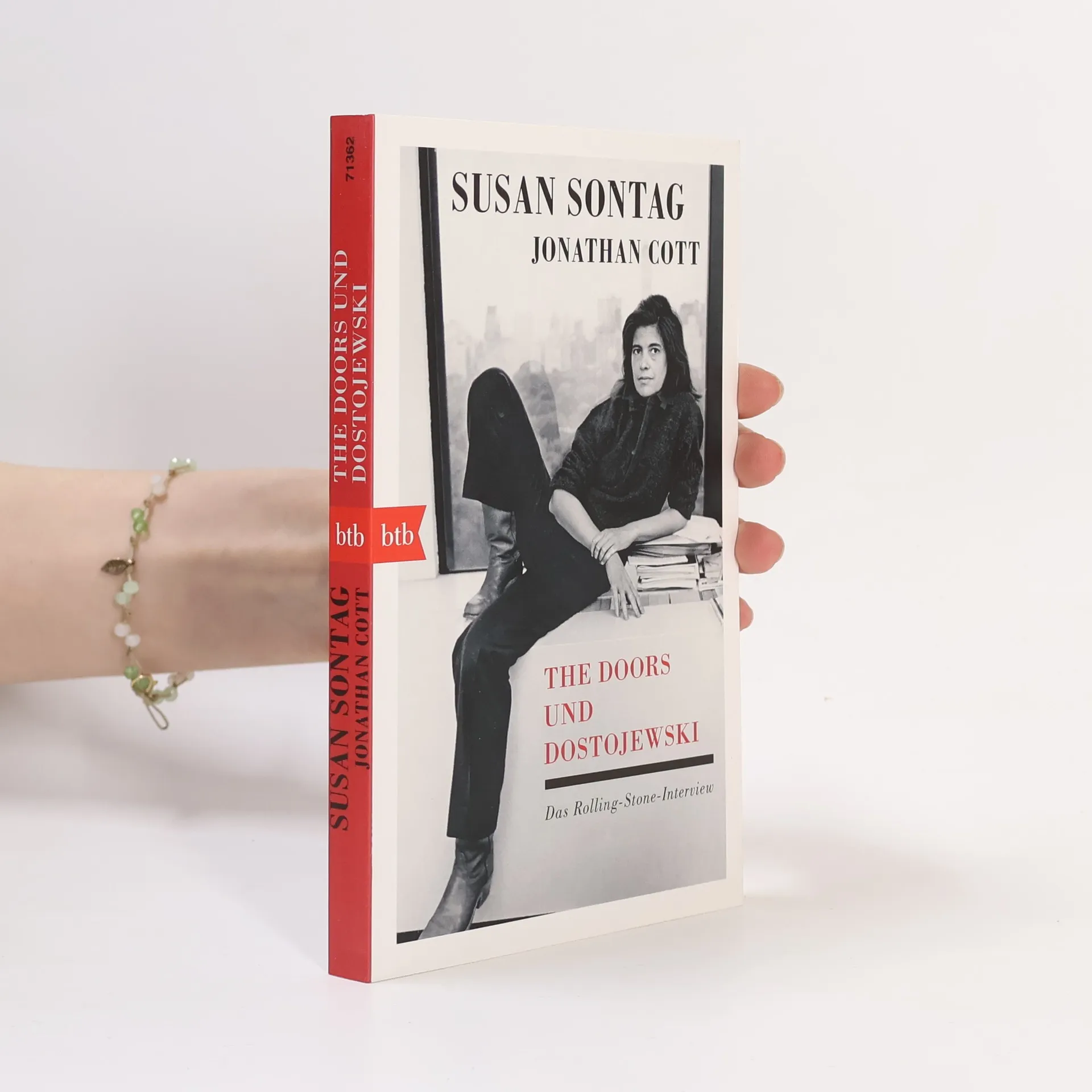
Susan Sontag, one of the most internationally renowned and controversial intellectuals of the latter half of the twentieth century, still provokes. In 1978 Jonathan Cott, a founding contributing editor of Rolling Stone magazine, interviewed Sontag first in Paris and later in New York. Only a third of their twelve hours of discussion ever made it to print. Now, more than three decades later, Yale University Press is proud to publish the entire transcript of Sontag’s remarkable conversation, accompanied by Cott’s preface and recollections. Sontag’s musings and observations reveal the passionate engagement and breadth of her critical intelligence and curiosities at a moment when she was at the peak of her powers. Nearly a decade after her death, these hours of conversation offer a revelatory and indispensable look at the self-described "besotted aesthete" and "obsessed moralist." Sontag proclaims a personal credo, declaring: "Thinking is a form of feeling; feeling is a form of thinking."
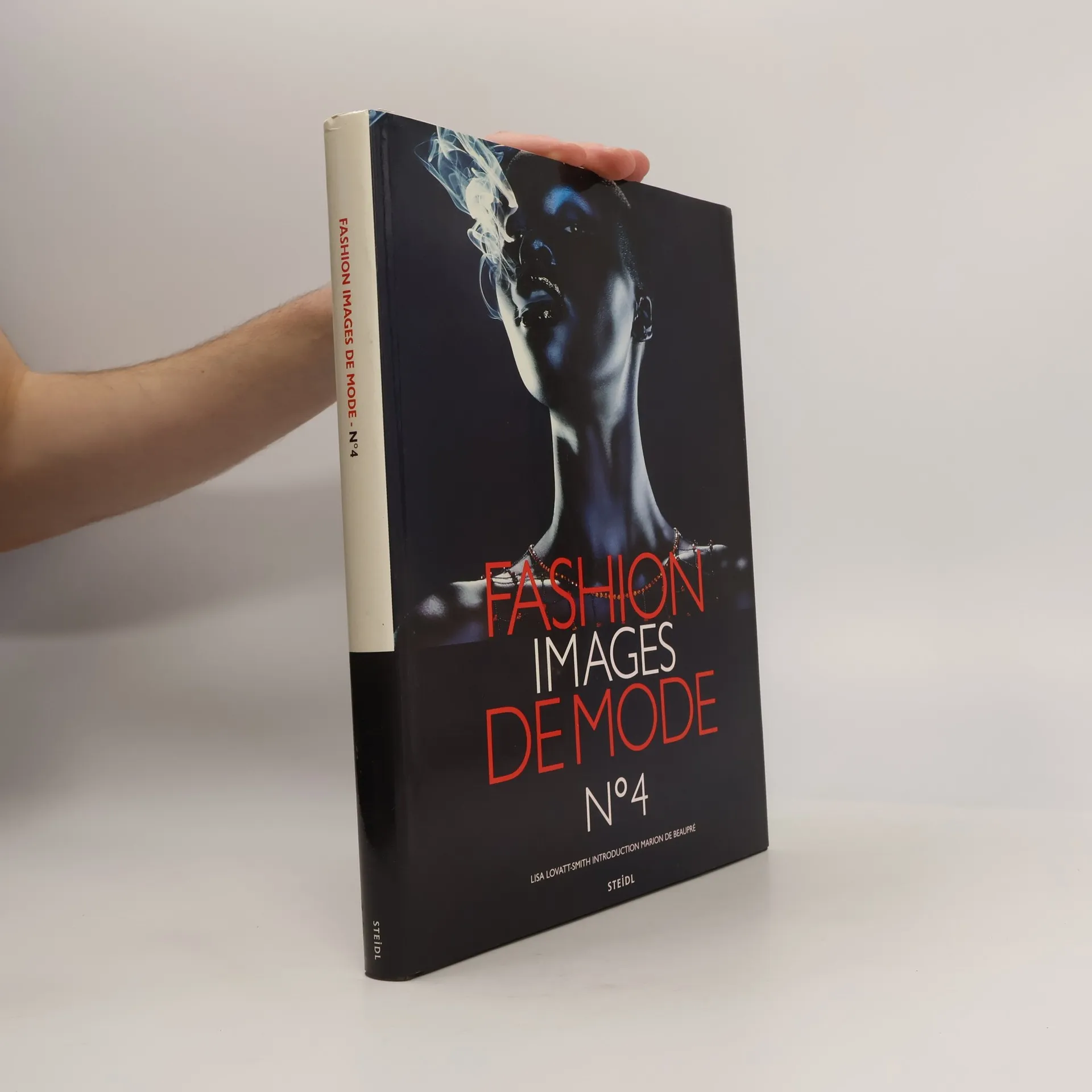
Fashion Images de Mode No. 4
- 192 strony
- 7 godzin czytania
Fashion photography's pervasive presence has brought the intimate aesthetics of post-80s realism into everybody's lives. This year's Fashion Images de Mode, the fourth volume of an annual series, showcases emerging as well as established photographers. Editor Lisa Lovatt-Smith presents photographs which capture the new directions in current fashion media, such as an increasingly subjective photographer's eye and a heightened reliance on digital image manipulation. This edition includes an introduction by renowned writer Susan Sontag, an essay by Patrick Remy, and sections devoted to prominent photographers Steve Hiett, Phil Poynter, Sean Ellis, Anette Aurell, Ellen Von Unwerth, Mario Sorrenti, Melodie McDaniel, Nathaniel Goldberg, Terry Richardson, Jack Pierson, Peter Lindbergh, David La Chapelle, and Mario Testino.
Susan Sontag holds a unique position in Modern American letters as a significant critic and a writer whose novels and short fiction are finally receiving due recognition. Her work exhibits an essential unity across various forms, a quality particularly evident in this curated selection of her writings. This compilation offers a chronological sampling that reflects her career and highlights the themes she cherishes. It includes excerpts from her two novels, *The Benefactor* and *Death Kit*, as well as her short story collection, *I, etcetera*. Notable essays from the 1960s, such as "Against Interpretation," "Notes on Camp," and "On Style," which helped shape cultural perspectives of that era, are featured alongside selections from her later essay collections, *Styles of Radical Will* and *Under the Sign of Saturn*. Additionally, a segment from her acclaimed *On Photography* is included. Reading these works in chronological order reveals surprising connections between different literary forms and thematic developments. The collection also features a candid interview where Sontag discusses her broader concerns and creative journey. Concluding with "Writing Itself," a previously uncollected essay on Roland Barthes, this volume serves both as a self-portrait and a key to understanding one of the most important writers of our time.
In 1978, Susan Sontag and Jonathan Cott met for an interview, first in Sontag's Paris apartment and later in her New York loft. The result is a multifaceted portrait of Sontag as a profound and agile thinker, unafraid to tackle a wide range of topics—feminism, fascism, aesthetics, ideology, Chuck Berry, and Friedrich Nietzsche—while disregarding the divide between high and pop culture: "Rock 'n' Roll changed my life." Sontag also provides insights into her personal life, discussing her role as a mother, her marriage, and her battle with cancer, which inspired her pivotal work, Illness as Metaphor. The conversation touches on her significant essays, including Art and Anti-Art and On Photography. Even humor, not typically associated with Sontag, finds its place in this book, offering a well-rounded view of her intellect and personality.
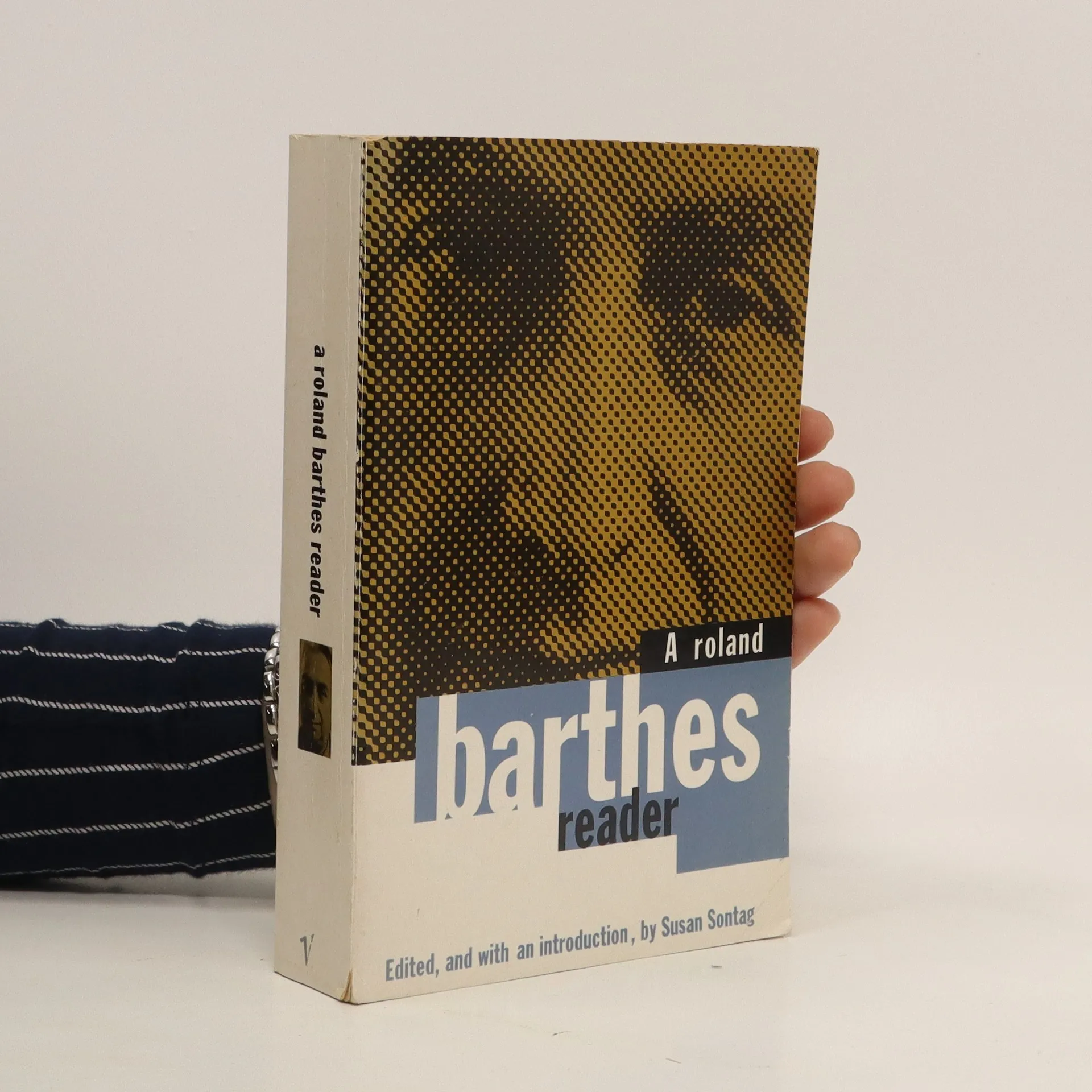
An introduction to the thinking of the French intellectual, Roland Barthes, as applied to such diverse topics as Gide, Garbo, striptease, photography and the Eiffel Tower. The pieces in this collection were written over a period of three decades.
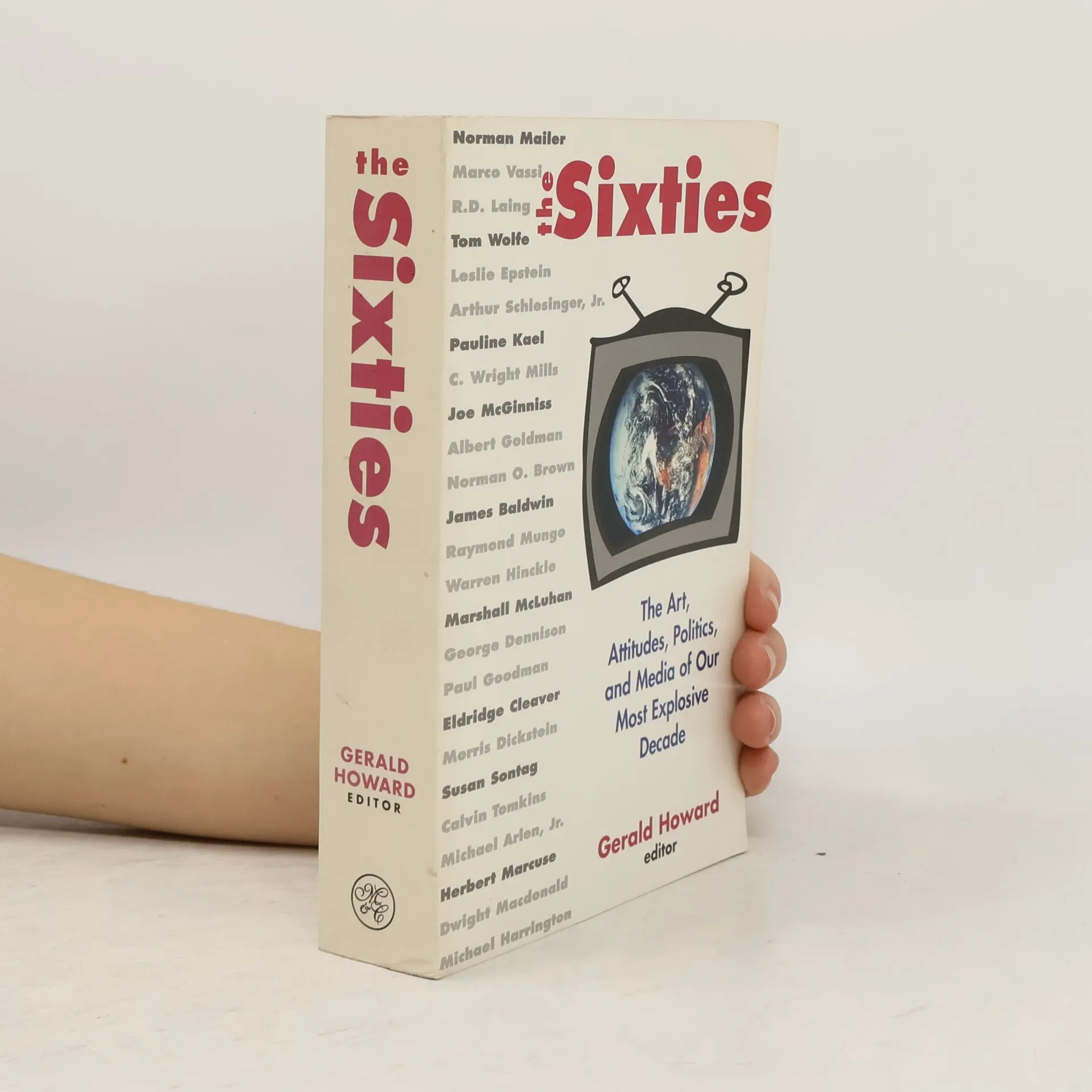
Gathers essays written during the sixties by such people as Norman Mailer, Marshall McLuhan, Tom Wolfe, Eldridge Cleaver, and others about the changes in art, politics, and the media during that decade
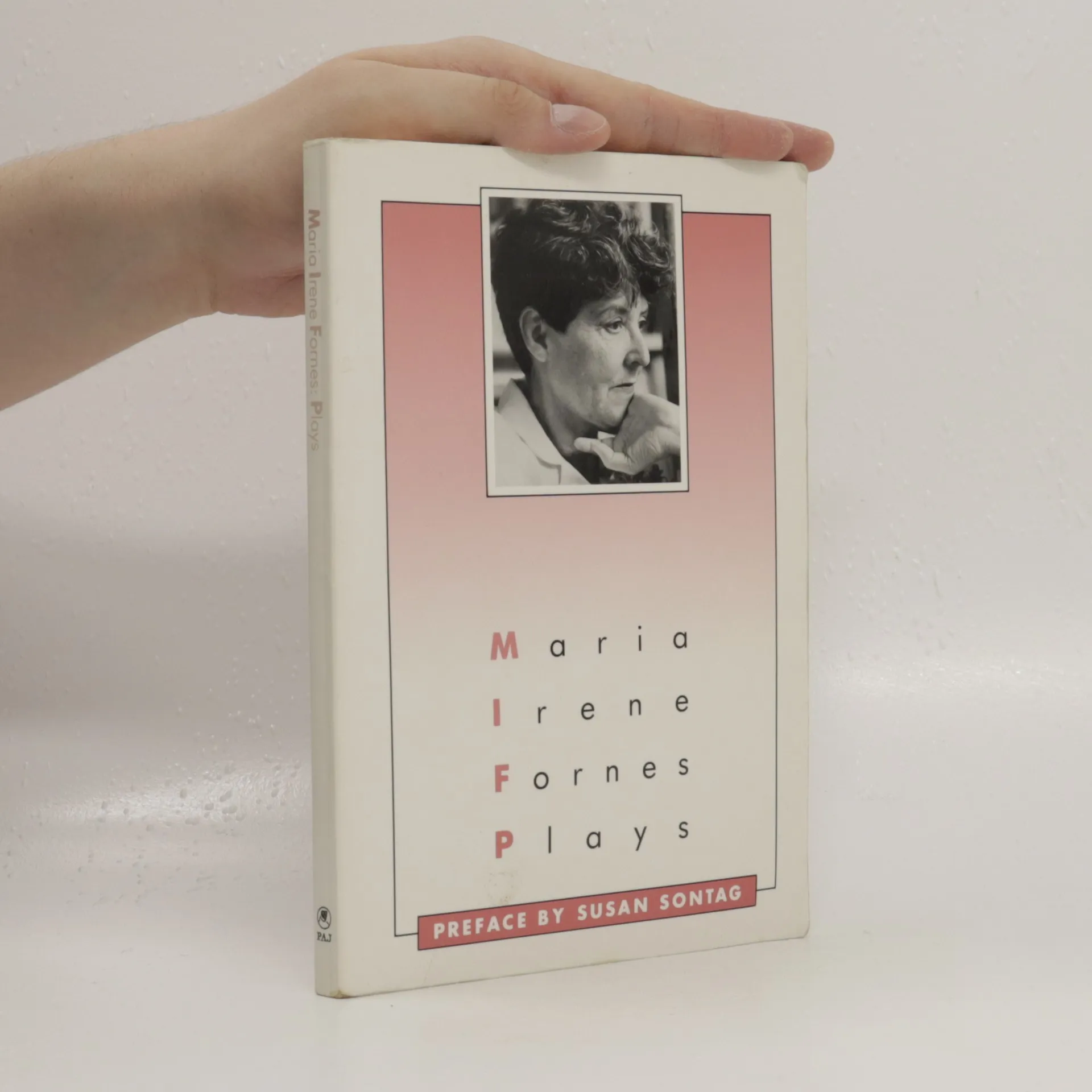
Plays
- 152 strony
- 6 godzin czytania
Sarita: Tells the story of the fiery-tempered Sarita Fernandez, who is gradually torn apart by her sexual desires and moral values to the point of insanity.
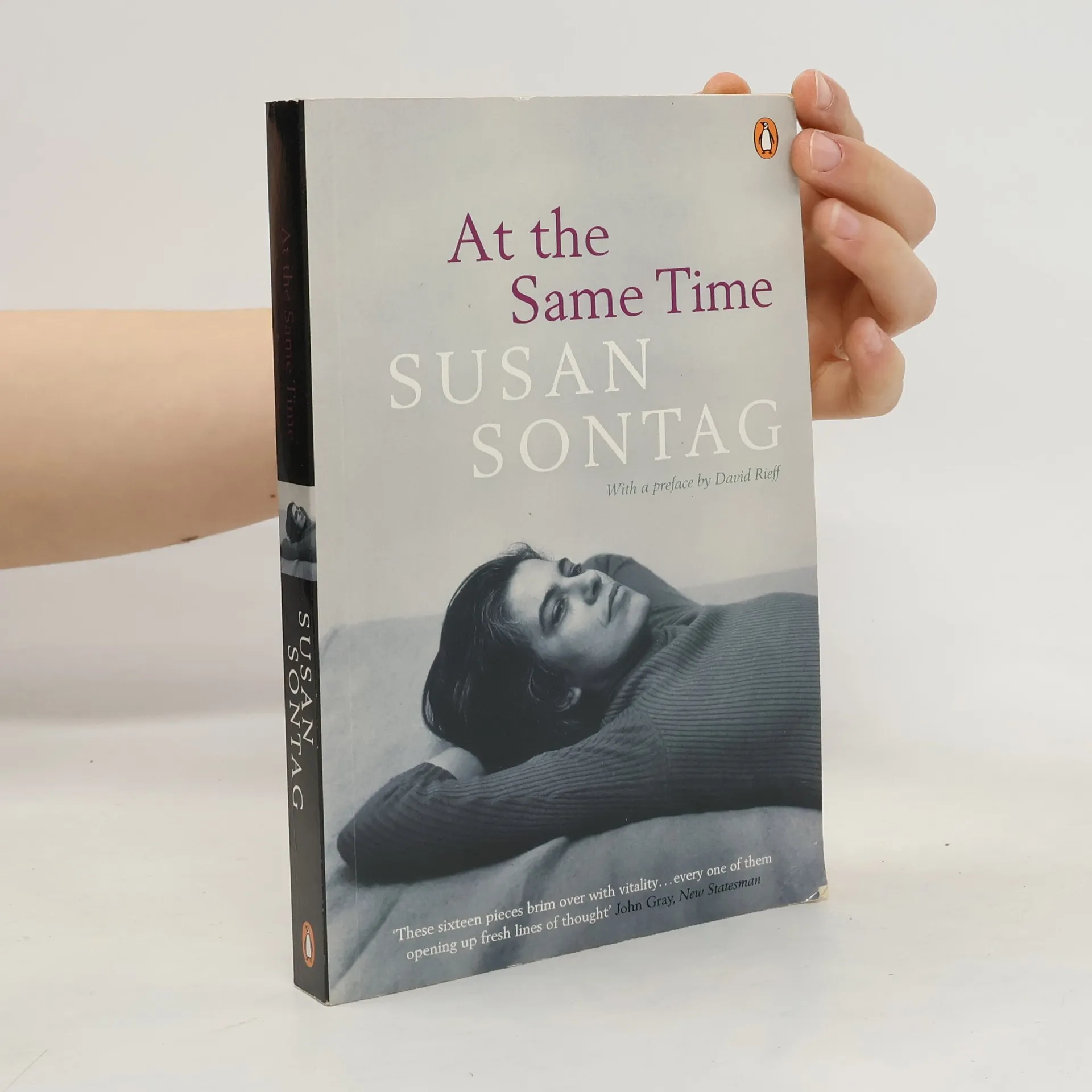
At the Same Time
- 236 stron
- 9 godzin czytania
Contains sixteen essays. Reflecting on literature, photography and art, post 9/11 America and political activism, this title includes these essays that encompass the themes that dominated the author's life and work, revealing why she remains one of the twentieth century's pre-eminent writers and thinkers.
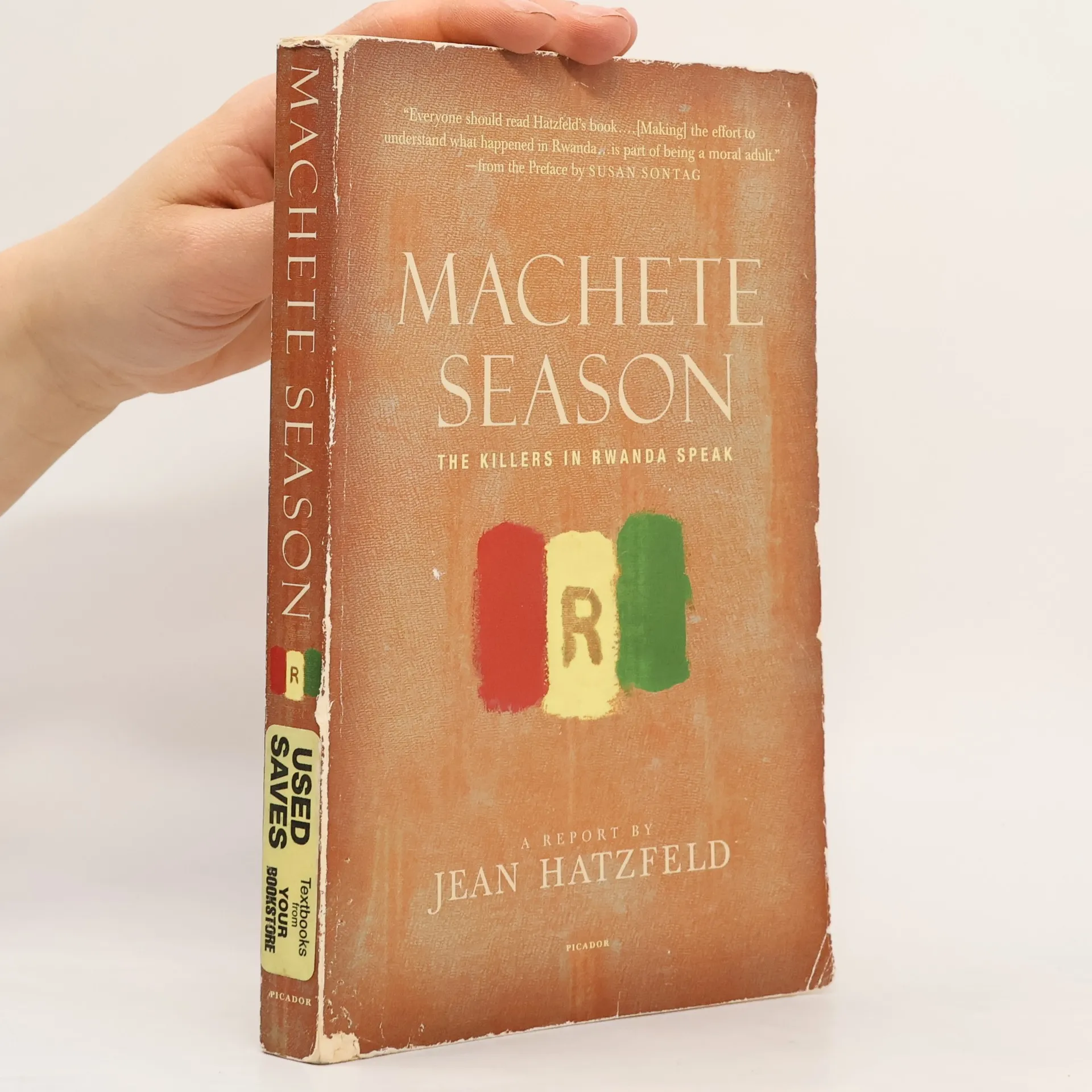
During the spring of 1994, in a tiny country called Rwanda, some 800,000 people were hacked to death, one by one, by their neighbors in a gruesome civil war. Several years later, journalist Jean Hatzfeld traveled to Rwanda to interview ten participants in the killings, eliciting extraordinary testimony from these men about the genocide they perpetrated. As Susan Sontag wrote in the preface, Machete Season is a document that "everyone should read . . . [because making] the effort to understand what happened in Rwanda . . . is part of being a moral adult."
I, Etcetera
- 246 stron
- 9 godzin czytania
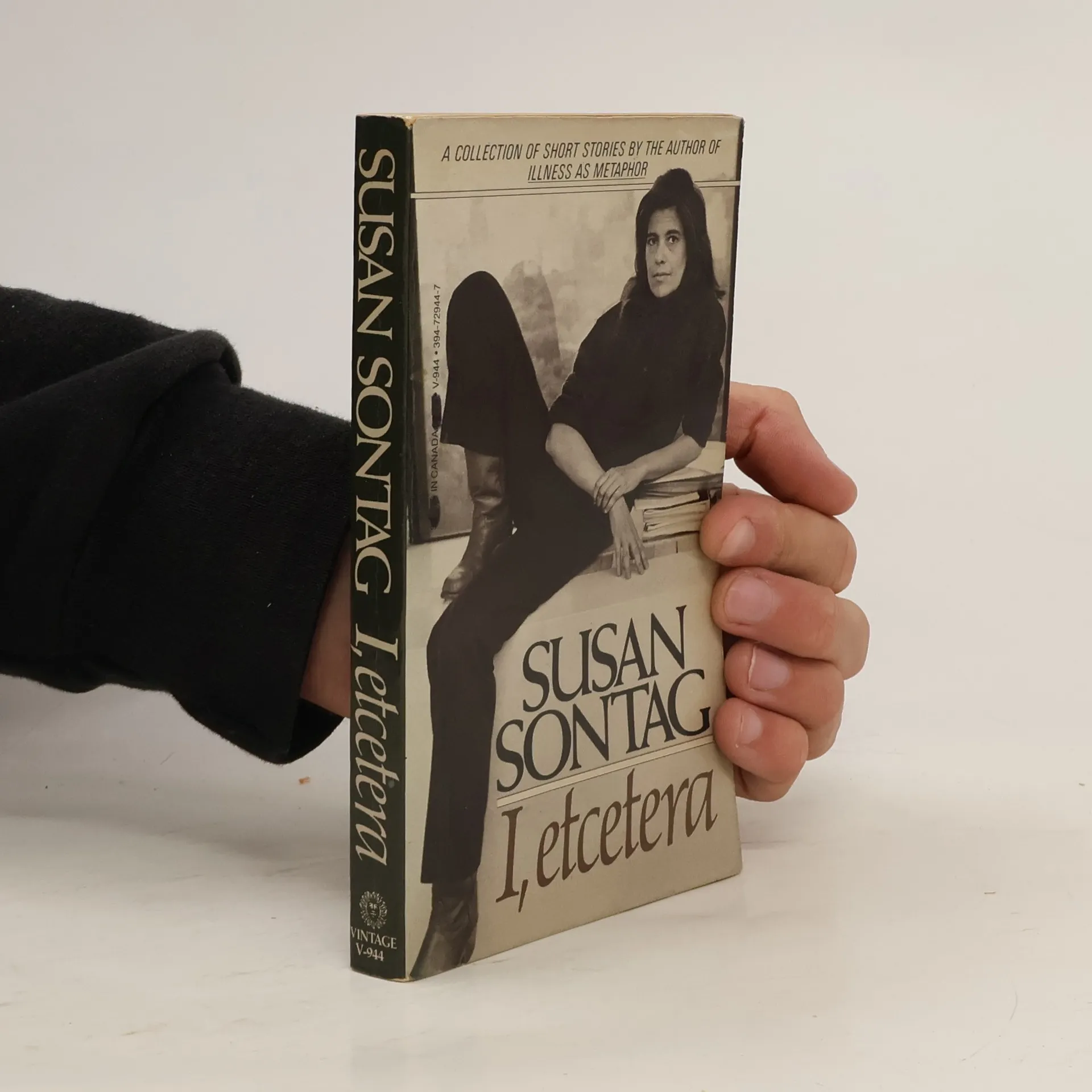
En 1978 vieron la luz en forma de libro por primera vez los relatos que Susan Sontag fue publicando en las revistas más importantes de la época. Muestran a una escritora que se aleja de la cotidianidad y se maneja con soltura entre atmósferas opresivas, que baraja temas como el amor, el conocimiento, la relación con el presente o la dificultad de establecer límites entre el bien y el mal. Una nueva muestra de la apertura de caminos literarios que Sontag, Premio Príncipe de Asturias de las Letras 2003, se propuso como ineludible norma intelectual.
Ferdydurke
- 296 stron
- 11 godzin czytania
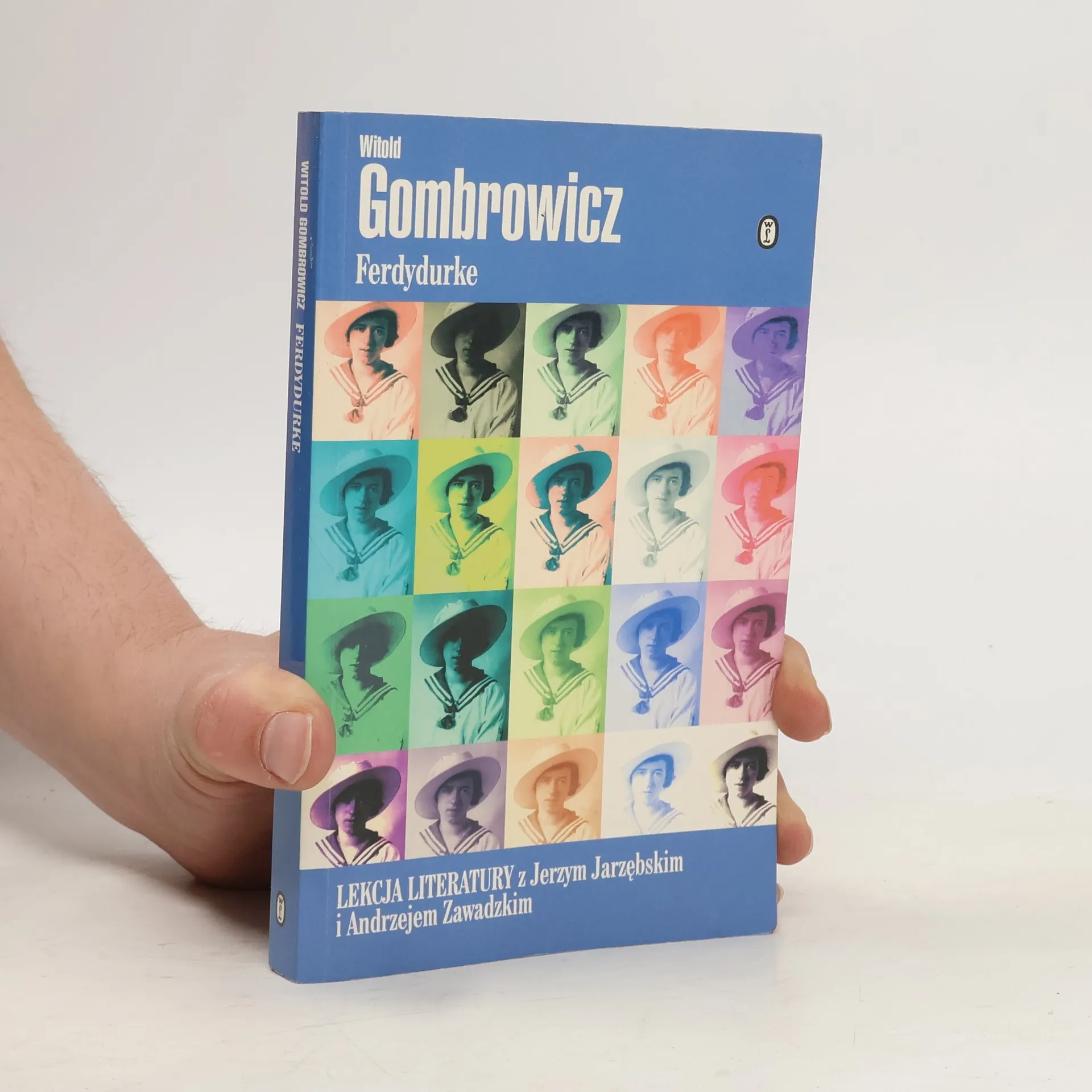
In this bitterly funny novel by the renowned Polish author Witold Gombrowicz, a writer finds himself tossed into a chaotic world of schoolboys by a diabolical professor who wishes to reduce him to childishness. Originally published in Poland in 1937, Ferdydurke became an instant literary sensation and catapulted the young author to fame. Deemed scandalous and subversive by Nazis, Stalinists, and the Polish Communist regime in turn, the novel (as well as all of Gombrowicz's other works) was officially banned in Poland for decades. It has nonetheless remained one of the most influential works of twentieth-century European literature.Ferdydurke is translated here directly from the Polish for the first time. Danuta Borchardt deftly captures Gombrowicz's playful and idiosyncratic style, and she allows English speakers to experience fully the masterpiece of a writer whom Milan Kundera describes as "one of the great novelists of our century."
Beat Punks
- 336 stron
- 12 godzin czytania
Here, accompanied by dozens of unique photographs, are the very best of Victor Bockris's infamous interviews, essays, and observations on the stars of downtown Manhattan in the 1970s and 1980s. The internationally acclaimed biographer Bockris was there as a witness, friend, collaborator, and co-conspirator. Some of the stars were founding members of Beat or Punk, others were just passing through. But all of them—rockers, rebels, artists, and intellectuals—revealed more to Bockris than they did to any other writer: Allen Ginsberg, Richard Hell, Andy Warhol, Robert Mapplethorpe, Debbie Harry, William Burroughs, Patti Smith, Marianne Faithfull, Keith Richards, Terry Southern, Martin Amis, and Susan Sontag. Bockris's conclusion—that Punk owed the Beats a big debt and that the Beats were in turn re-animated by the Punks—is argued from the perspective of someone who was in the thick of it, and who loved every minute of it.
The Volcano Lover
- 432 strony
- 16 godzin czytania
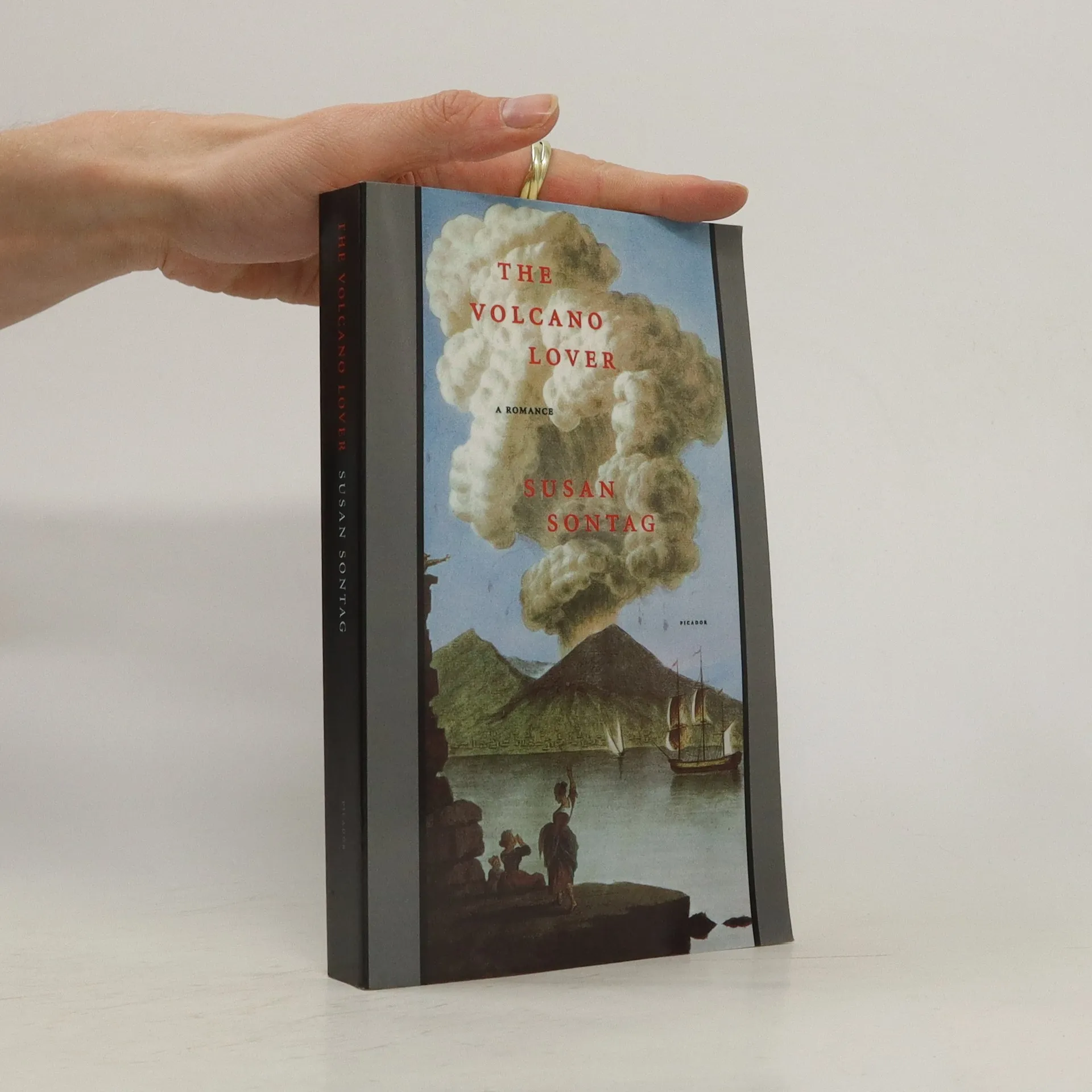
A love story set in Naples in 1772 and based on the romantic entanglements of Lord and Lady Hamilton and Lord Nelson.
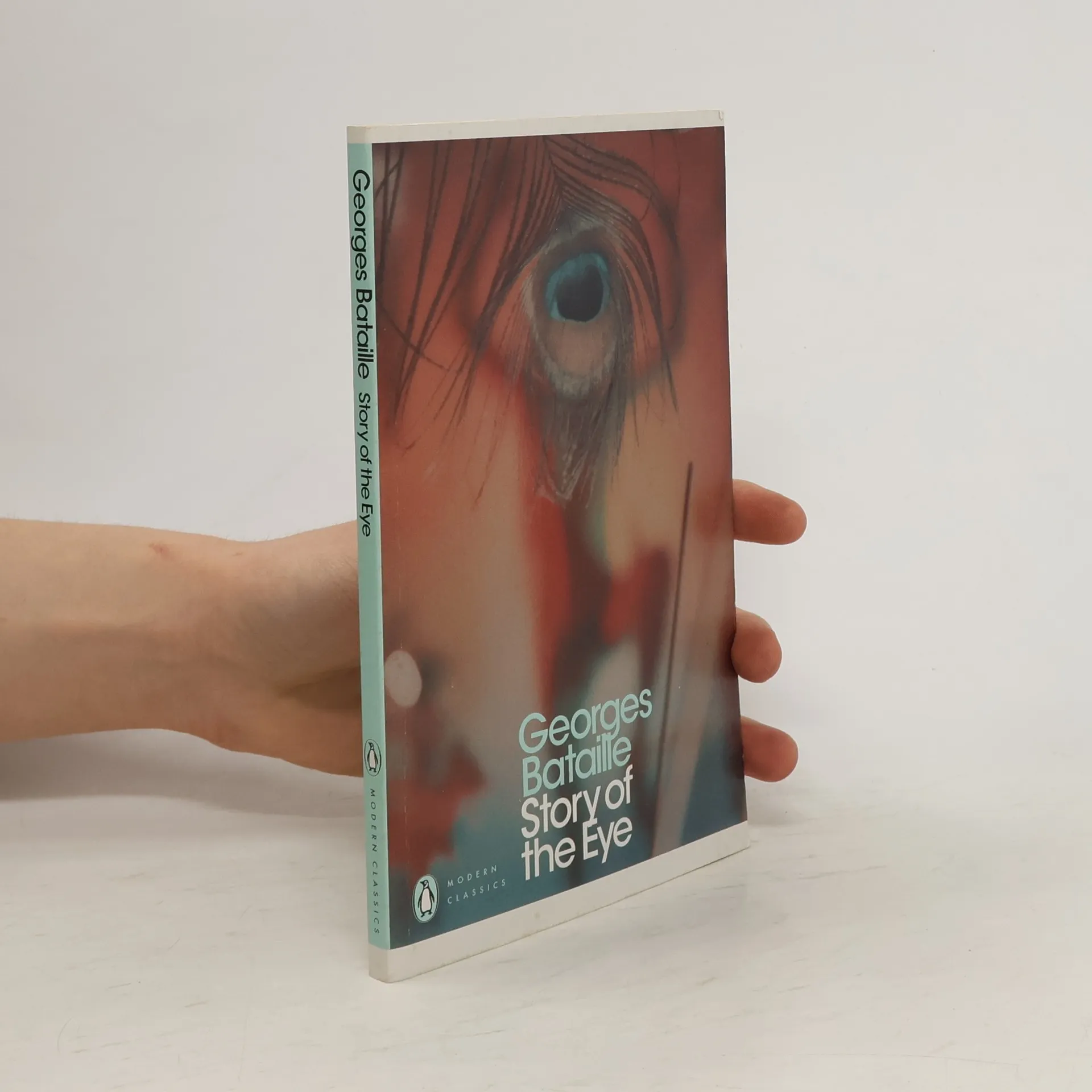
Story of the eye
- 127 stron
- 5 godzin czytania
Bataille's first novel, published under the pseudonym 'Lord Auch', is still his most notorious work. In this explicit pornographic fantasy, the young male narrator and his lovers Simone and Marcelle embark on a sexual quest involving sadism, torture, orgies, madness and defilement, culminating in a final act of transgression. Shocking and sacrilegious, Story of the Eye is the fullest expression of Bataille's obsession with the closeness of sex, violence and death. Yet it is also hallucinogenic in its power, and is one of the erotic classics of the twentieth century. This edition also includes Susan Sontag's superb study of pornography as art, 'The Pornographic Imagination', as well as Roland Barthes' essay 'The Metaphor of the Eye'.Georges Bataille (1897-1962), French essayist and novelist, was born in Billom, France. He converted to Catholicism, then later to Marxism, and was interested in psychoanalysis and mysticism, forming a secret society dedicated to glorifying human sacrifice. Leading a simple life as the curator of a municipal library, Bataille was involved on the fringes of Surrealism, founding the Surrealist magazine Documents in 1929, and editing the literary review Critique from 1946 until his death. Among his other works are the novels Blue of Noon (1957) and My Mother (1966), and the essays Eroticism (1957) and Literature and Evil (1957).
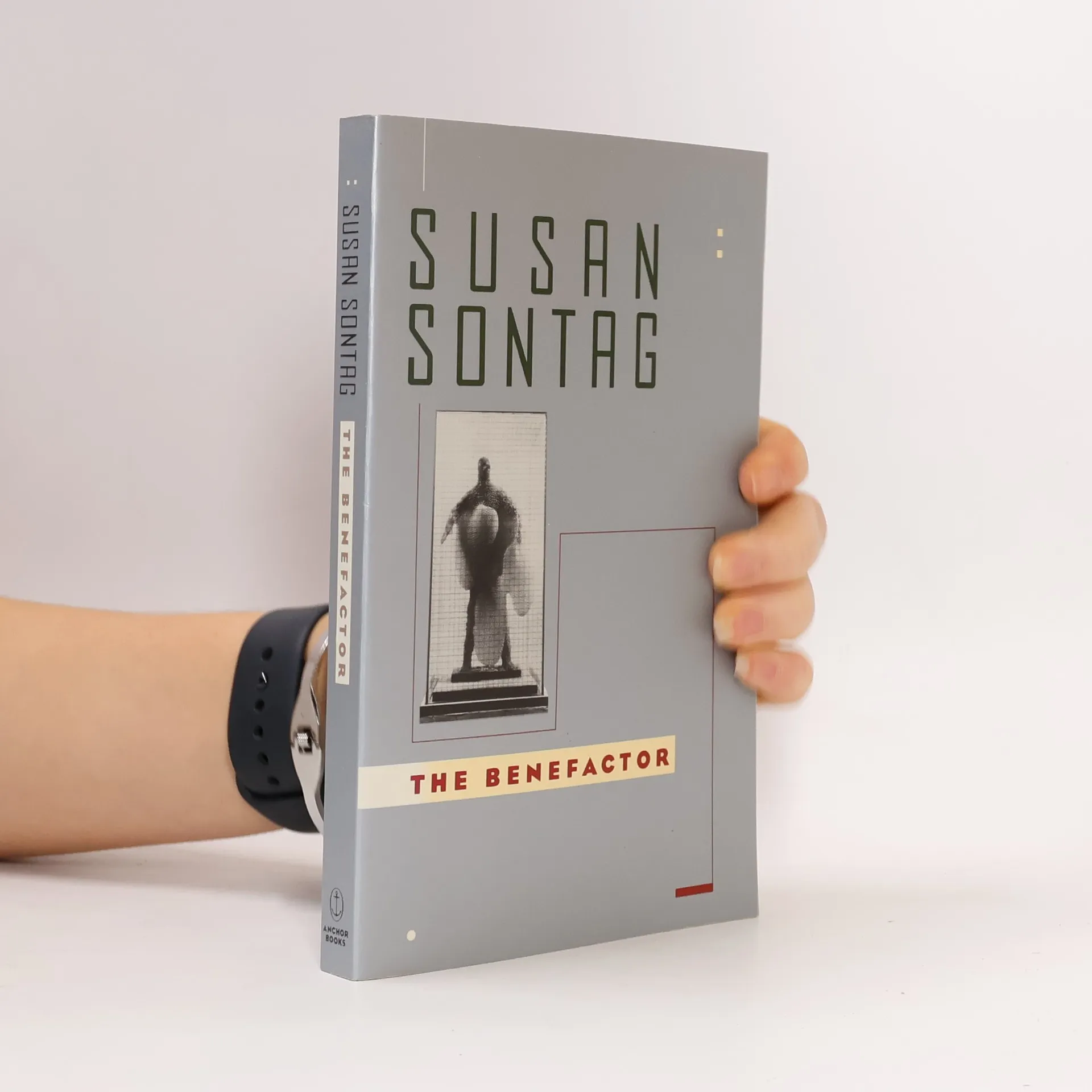
The Benefactor
- 273 strony
- 10 godzin czytania
Sontag's first novel, it is a fascinating, knowing, acerbic portrait of Hippolyte, a latterday Candide whose violently imaginative dream life becomes indistinguishable from his surprising experiences in the "real world."
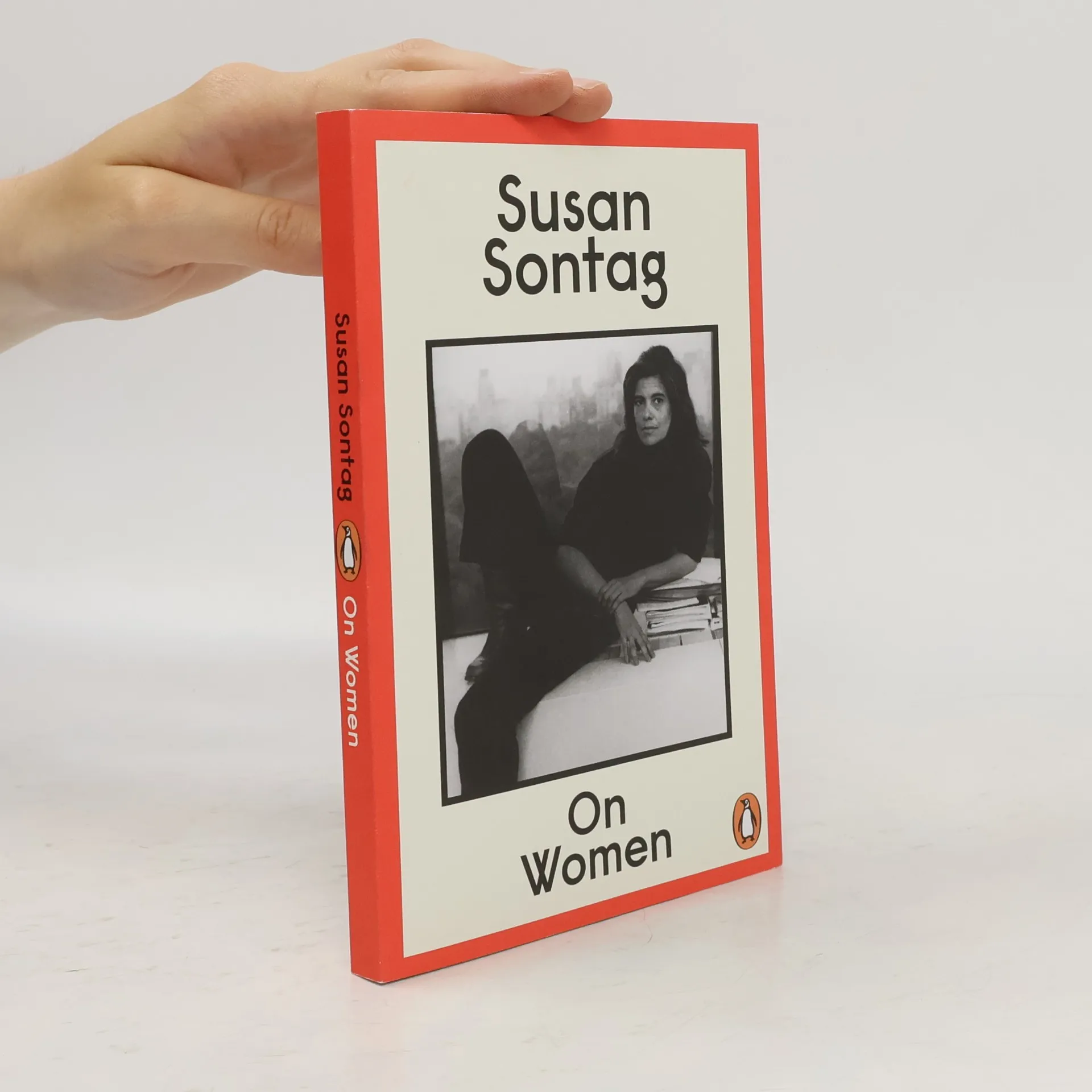
On Women
- 208 stron
- 8 godzin czytania
'A brilliant, glittering intelligence' Sunday Times On Women brings together Susan Sontag's most fearless and incisive writing on women, a crucial aspect of her work that has not until now received the attention it deserves Written during the height of second-wave feminism, Sontag's essays remain strikingly relevant to our contemporary conversations. At times powerfully in sync and at others powerfully at odds with them, they are always characteristically original in their examinations of the 'biological division of labour', the double-standard for ageing and the dynamics of women's power and powerlessness. As Merve Emre writes in her introduction, On Women offers us 'the spectacle of a ferocious intellect setting itself to the task at hand: to articulate the politics and aesthetics of being a woman in the United States, the Americas and the world.' 'Boldly provocative' iNews 'On Women demonstrates a powerful mind and equally forceful personality' The Herald
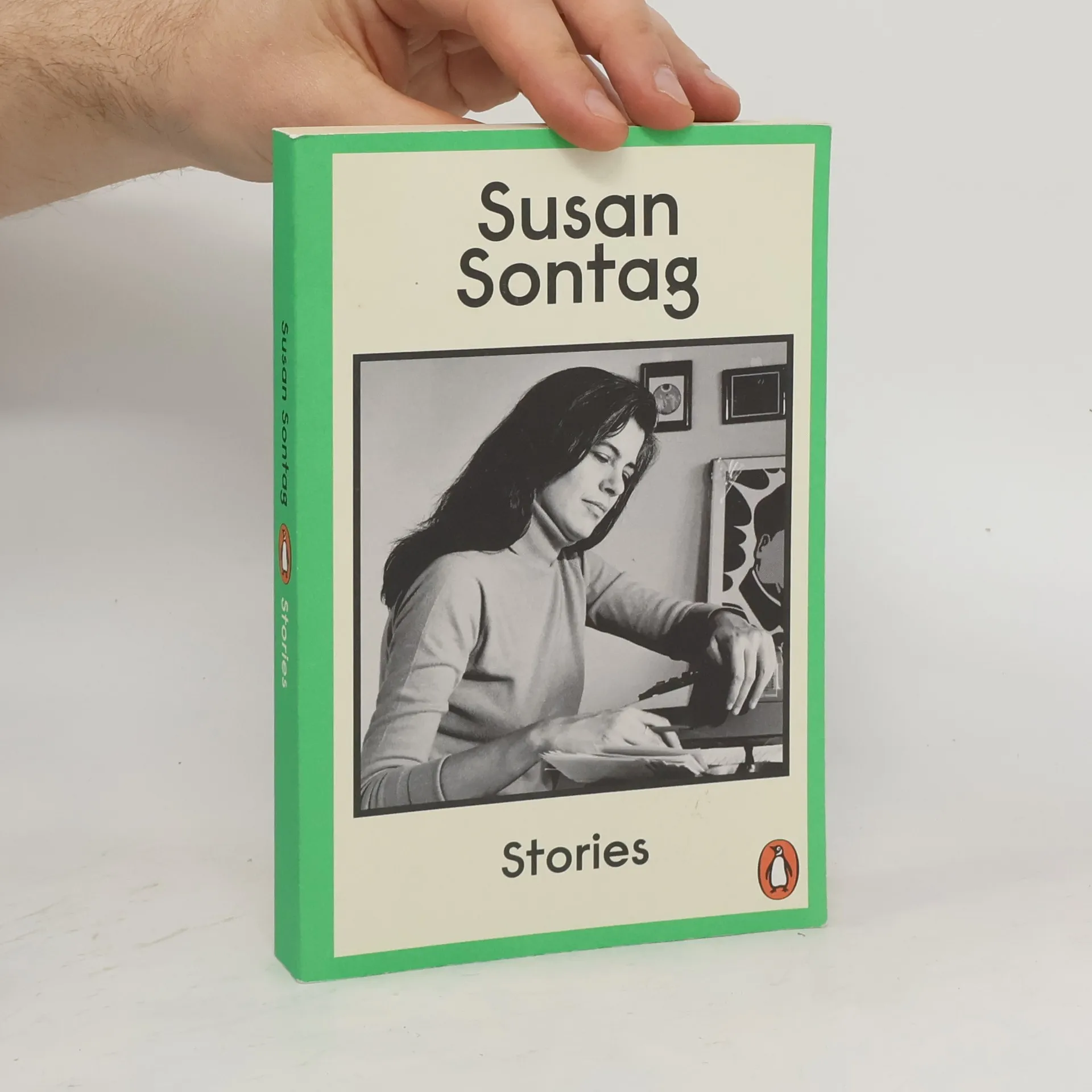
Stories
- 336 stron
- 12 godzin czytania
'Magnificent... Her famous seriousness pervades throughout... What's striking is the astonishing scope, potential and possibility Sontag saw in short fiction' Financial Times The complete collected short stories of Susan Sontag, one of the most brilliant and influential writers of the twentieth century Susan Sontag is most often remembered as a brilliant essayist - inquisitive, analytical, fearlessly outspoken. Yet all throughout her life, she also wrote short stories: fictions which wrestled with those ideas and preoccupations she couldn't address in essay form. These short fictions are allegories, parables, autobiographical vignettes, each capturing an authentic fragment of life, dramatizing Sontag's private griefs and fears. Stories collects all of Sontag's short fiction for the first time. This astonishingly versatile collection showcases its peerless writer at the height of her powers. For any Sontag fan, it is an unmissable testament to her creative achievements. 'Sontag is one of the most influential critics of her generation' New York Review of Books
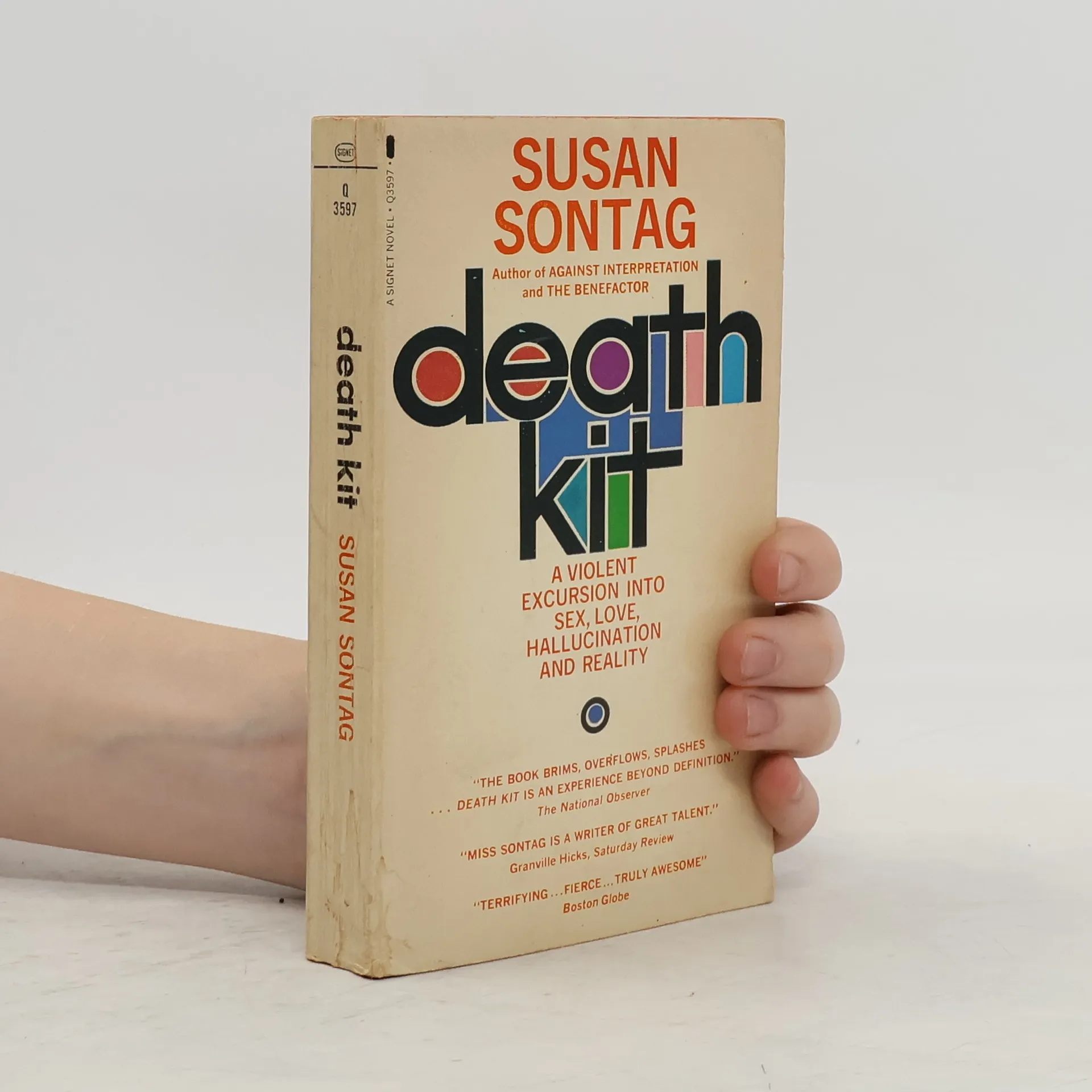
'In Death Kit Susan Sontag has written a terrifying black novel with the fierce unsettling thrust of a Kafkaesque fable. It is a truly awesome book, forged from a stark form in which staccato sentences and near-documentary observations are fused into a brilliantly sustained style' Boston Globe
In America
- 398 stron
- 14 godzin czytania
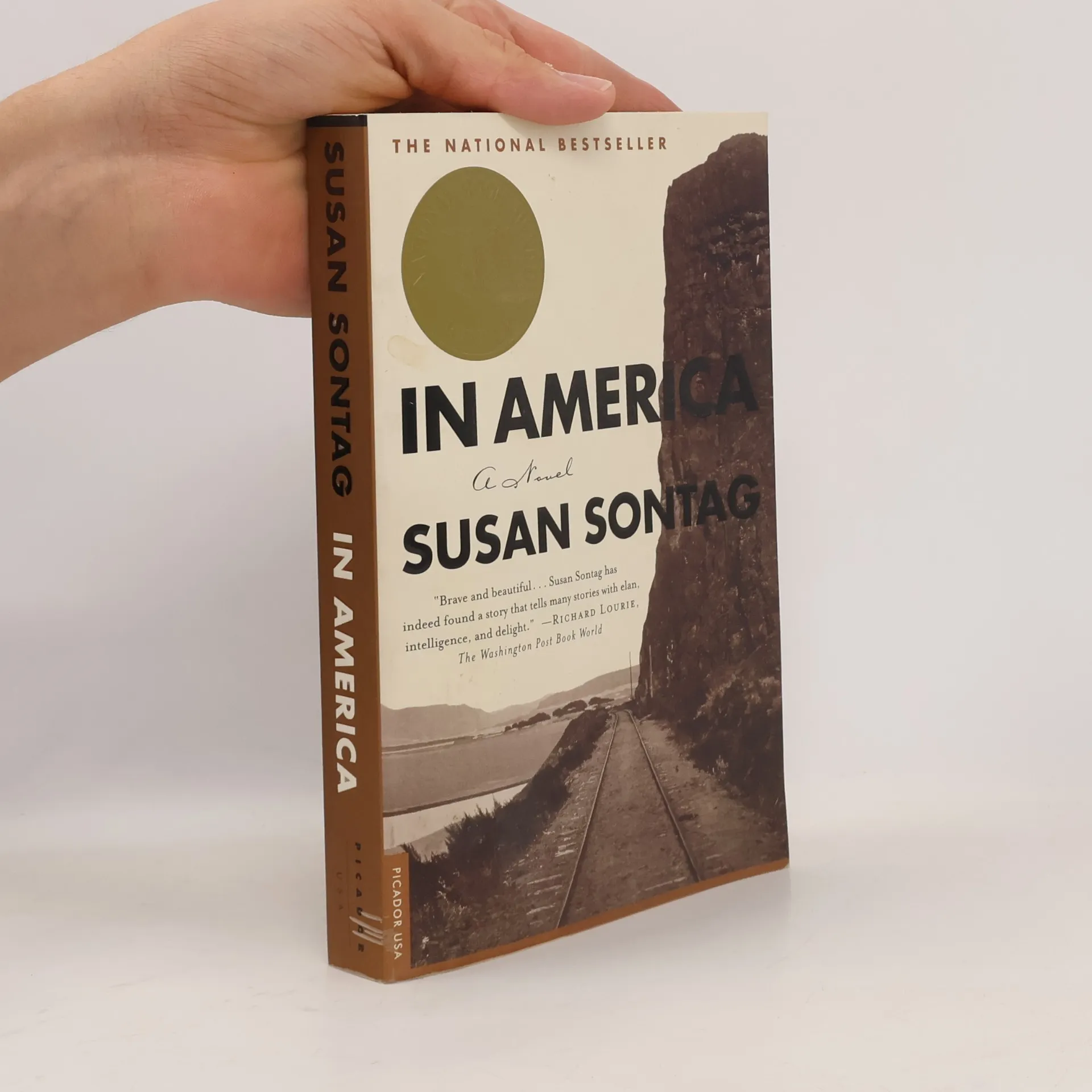
Set against the backdrop of America's transition to modernity, the narrative weaves a rich tapestry of characters and events that reflect contemporary issues. Susan Sontag masterfully blends historical elements with modern themes, offering a thought-provoking exploration of identity and society. Through her vivid storytelling, the novel invites readers to reconsider the past and its relevance to current realities, creating a compelling and resonant fictional world.
Presents excerpts from the early writings of the author, with reflections on her meetings with influential writers and intellectuals, her literary ambitions, and her criticisms of other writers.
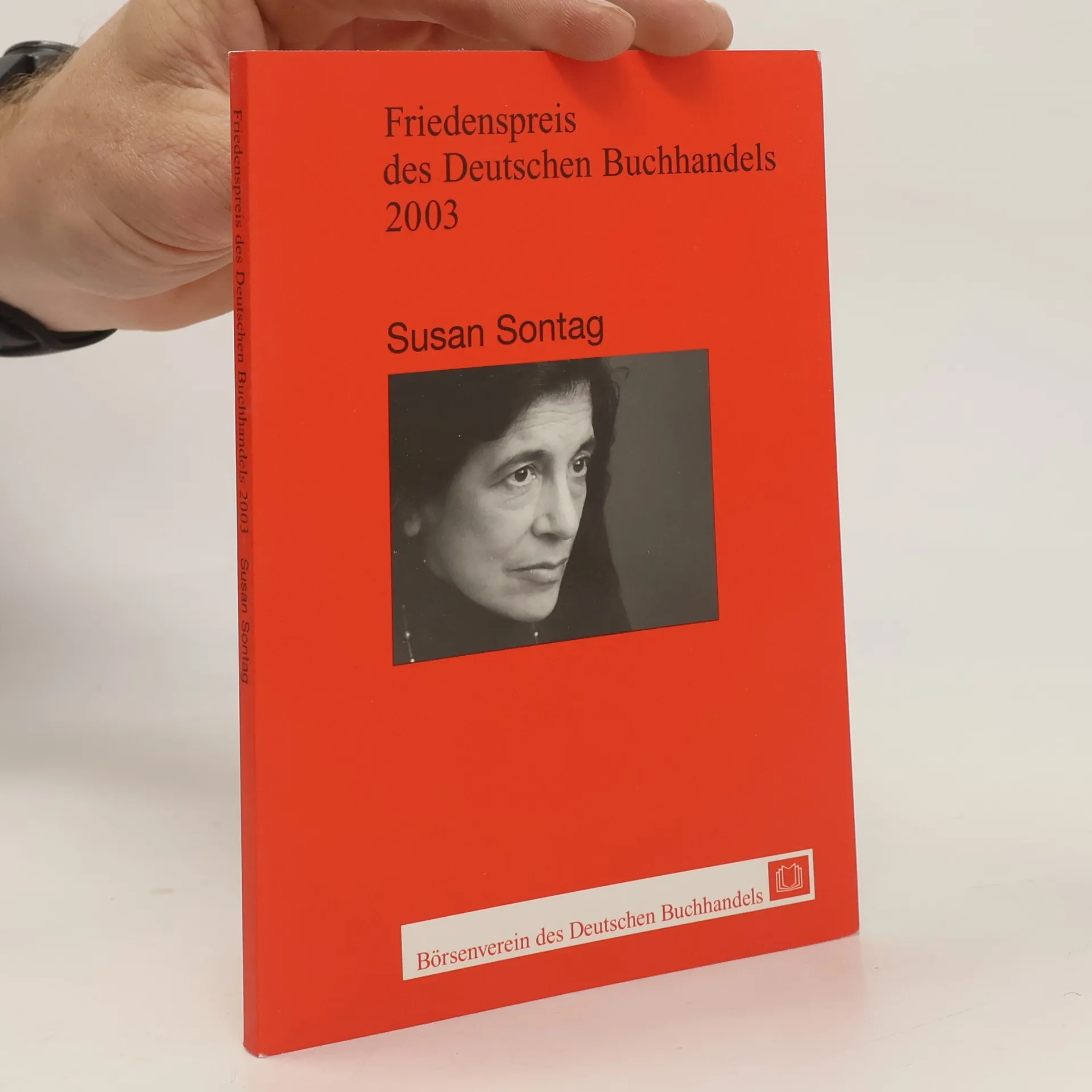
Friedenspreis des Deutschen Buchhandels 2003
- 64 strony
- 3 godziny czytania
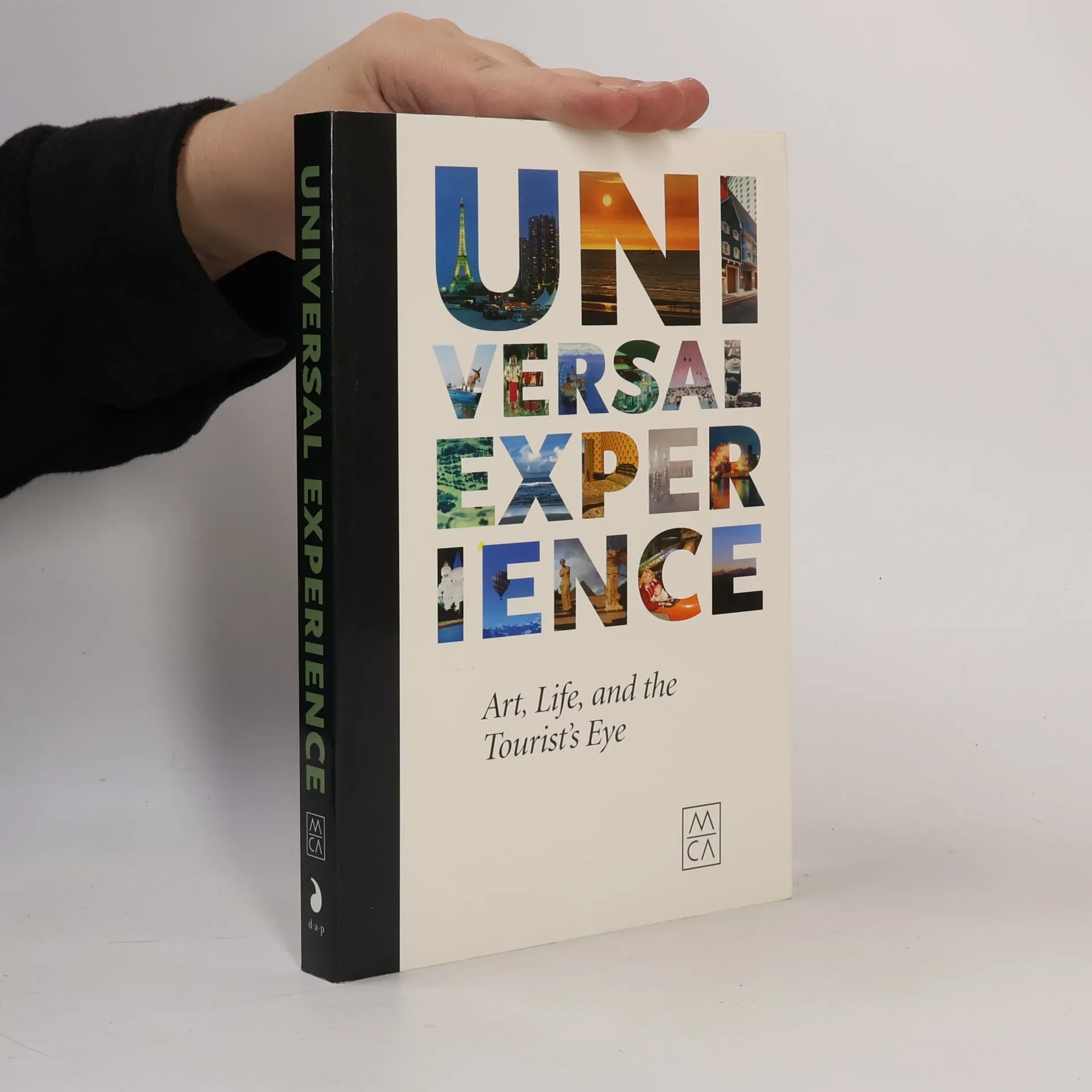
"Tourism, the largest industry in the world, is a significant force in contemporary society, with far-reaching economic, cultural, and geopolitical importance. Rather than seeking to represent tourism or travel itself, Universal Experience: Art, Life, and the Tourist's Eye considers art, history, and the social construction of places, spaces, and identities from the heightened perception of the tourist. Functioning as a guide book, a reader, and a souvenir, this lavish catalogue of the exhibition presents over 275 illustrations of thought-provoking artworks as icons and as tourist sites for exploration. A wide-ranging anthology of texts presents divergent routes and avenues through which to explore the symbols and cultural conventions created, deciphered, and disseminated by an increasingly mobile, international group of artists."--Jacket
Begegnung mit einer intellektuellen Ikone. »Die meisten meiner Gedanken entwickle ich im Gespräch. « 1978 treffen sich Susan Sontag und Jonathan Cott zum Interview. Erst in Sontags Pariser Wohnung, dann in ihrem Loft in New York. Entstanden ist ein vielseitiges Gespräch, das Susan Sontag als Denkerin zeigt, vor der kaum ein Thema sicher war, Feminismus, Fotografie, Ästhetik, Ideologie, Chuck Berry und Friedrich Nietzsche, und die sich keinen Deut um die Trennung von Hoch- und Popkultur scherte: »Rock ‚n‘ Roll hat mein Leben verändert.« Auch in ihr Privatleben gewährt sie Einblick und erzählt von ihrer Krebserkrankung, die sie zu einer ihrer wichtigsten Publikationen, Krankheit als Metapher, veranlasste.
Women
- 256 stron
- 9 godzin czytania
The celebrated photographer turns her lens to a favorite topic, women, sharing her portraits of Hillary Rodham Clinton, Eudora Welty, Martina Navratilova, Jerry Hall, Jodie Foster, Rosie O'Donnell, a Navajo weaver, an architect, an astronaut, a rancher, a body builder, a soldier, and many others. 150,000 first printing. Tour.
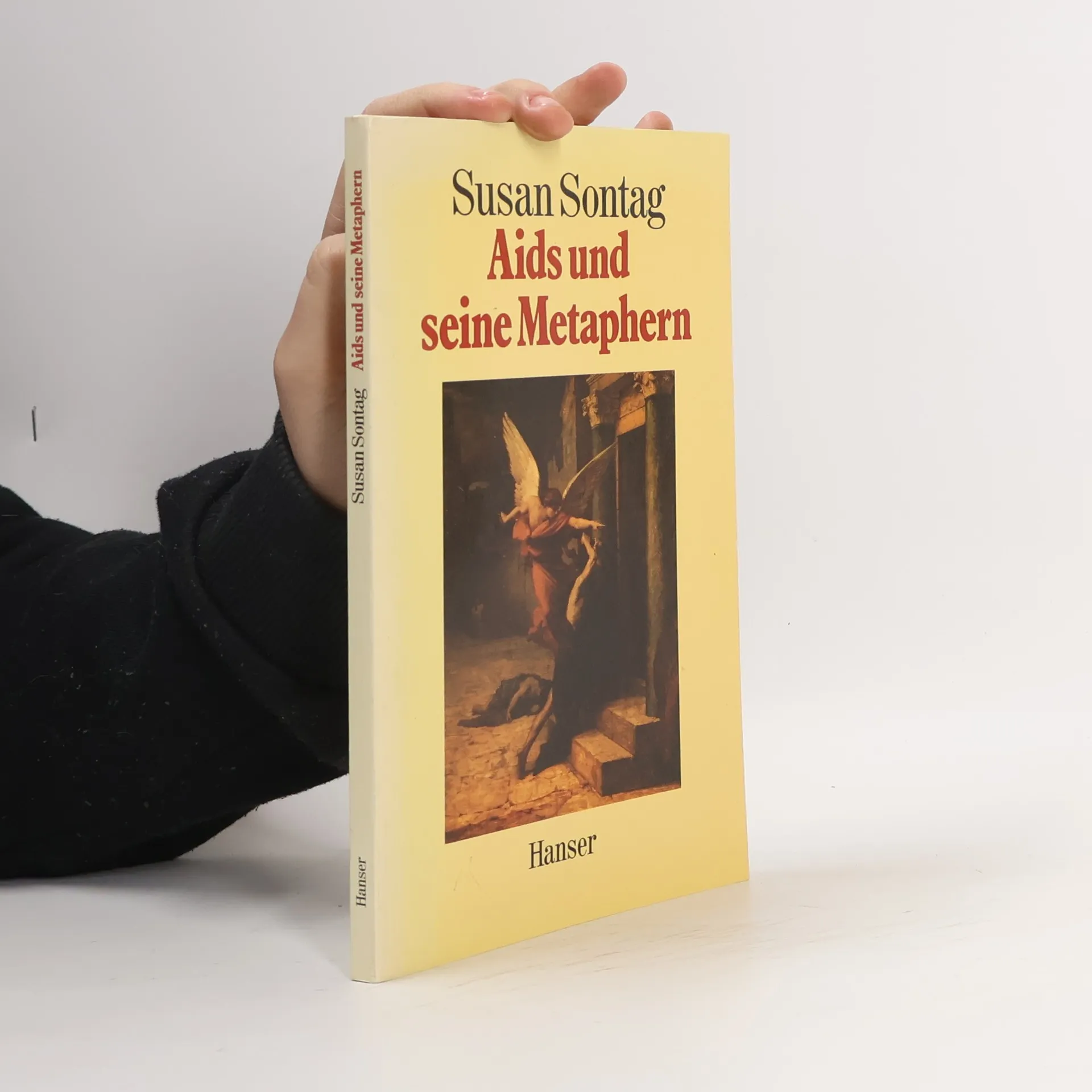
Aids und seine Metaphern
- 100 stron
- 4 godziny czytania
1978 schrieb Susan Sontag über die Metaphern und Mythen, die bestimmte Krankheiten umgeben, insbesondere Krebs, und wie diese das Leiden der Patienten erheblich verstärken und oft davon abhalten, eine angemessene Behandlung zu suchen. Indem sie die Fantasien rund um Krebs entmystifiziert, zeigt Sontag Krebs als das, was er ist – einfach eine Krankheit. Krebs ist ihrer Meinung nach kein Fluch, keine Strafe, sicherlich keine Schande und ist hochgradig heilbar, wenn die richtige Behandlung erfolgt. Fast ein Jahrzehnt später, mit dem Ausbruch einer neuen, stigmatisierten Krankheit, die von Mystifizierungen und strafenden Metaphern geprägt ist, schrieb Sontag eine Fortsetzung zu ihrem Werk, in der sie das Argument des früheren Buches auf die AIDS-Pandemie ausdehnt. Diese beiden Essays, die nun zusammen veröffentlicht werden, haben einen enormen Einfluss auf das Denken von medizinischen Fachleuten und vor allem auf das Leben vieler Tausender von Patienten und Pflegekräften.
Über Frauen
- 208 stron
- 8 godzin czytania
Die intellektuelle Ikone Susan Sontag über Gleichheit, weibliches Altern, Schönheit und Sexualität – „Eine brillante, schillernde Intelligenz“ (The Times) Was bedeutet es, eine Frau zu sein? Der neue Essayband von Susan Sontag stellt genau diese Frage. Erstmals versammelt ein Buch ihre wichtigsten Texte zu ästhetischen, politischen und ökonomischen Aspekten des Frauseins. Und „beim heutigen Lesen kann man nur staunen über deren ihrer Zeit vorauseilendes Genie“ (The New Yorker). Sontag schreibt über Gleichheit, weibliches Altern, Schönheit, Sexualität und Macht und zeigt sich als Vordenkerin und Visionärin im Kampf um echte Gleichberechtigung. „Solange sich nicht ändert, wer Macht hat und was Macht ist, gibt es keine Befreiung, sondern nur Beschwichtigung“, konstatiert sie. „Über Frauen“ wehrt sich gegen jede Form von Beschwichtigung und ist in seinen Beobachtungen und Forderungen aktueller denn je für jeden feministischen Diskurs.
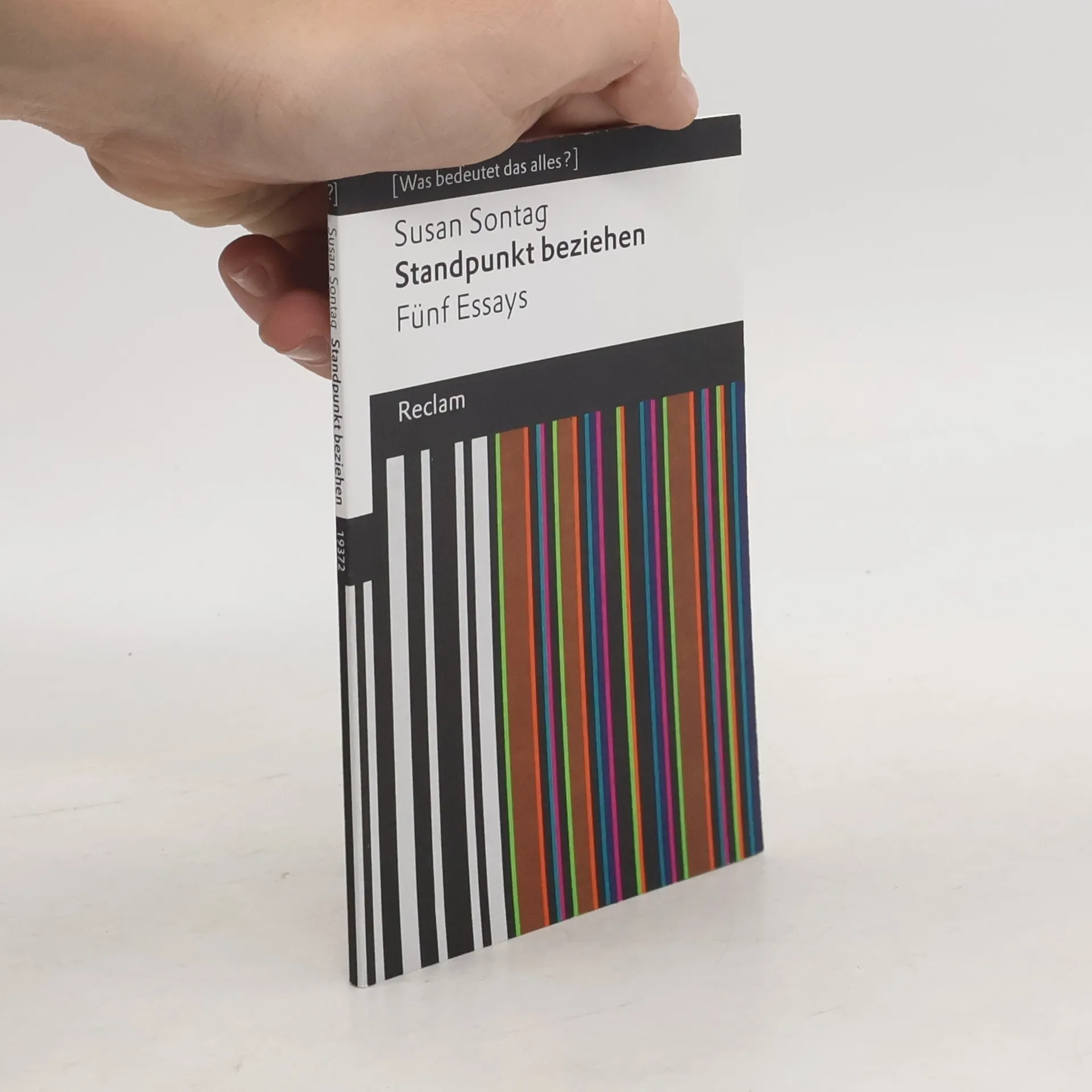
Standpunkt beziehen
- 64 strony
- 3 godziny czytania
Susan Sontag (1933–2004) war die vielleicht wichtigste Stimme des intellektuellen Amerika. Besonders beeindruckend ist ihr Mut, sich gegen eingefahrene Sichtweisen zu stemmen, immer einen eigenen Standpunkt zu beziehen. Der Band versammelt wichtige kulturtheoretische Essays: »Gegen Interpretation«, »Über Schönheit« sowie »Fotografie. Eine kleine Summa«. Hinzu kommen zwei explizit politische Texte: »Das Foltern anderer betrachten« und vor allem »Der 11.9.01«, ein hellsichtiger Angriff gegen die irrationale Politikerrhetorik unmittelbar nach 9/11, für den sie in heftigster Weise attackiert wurde.
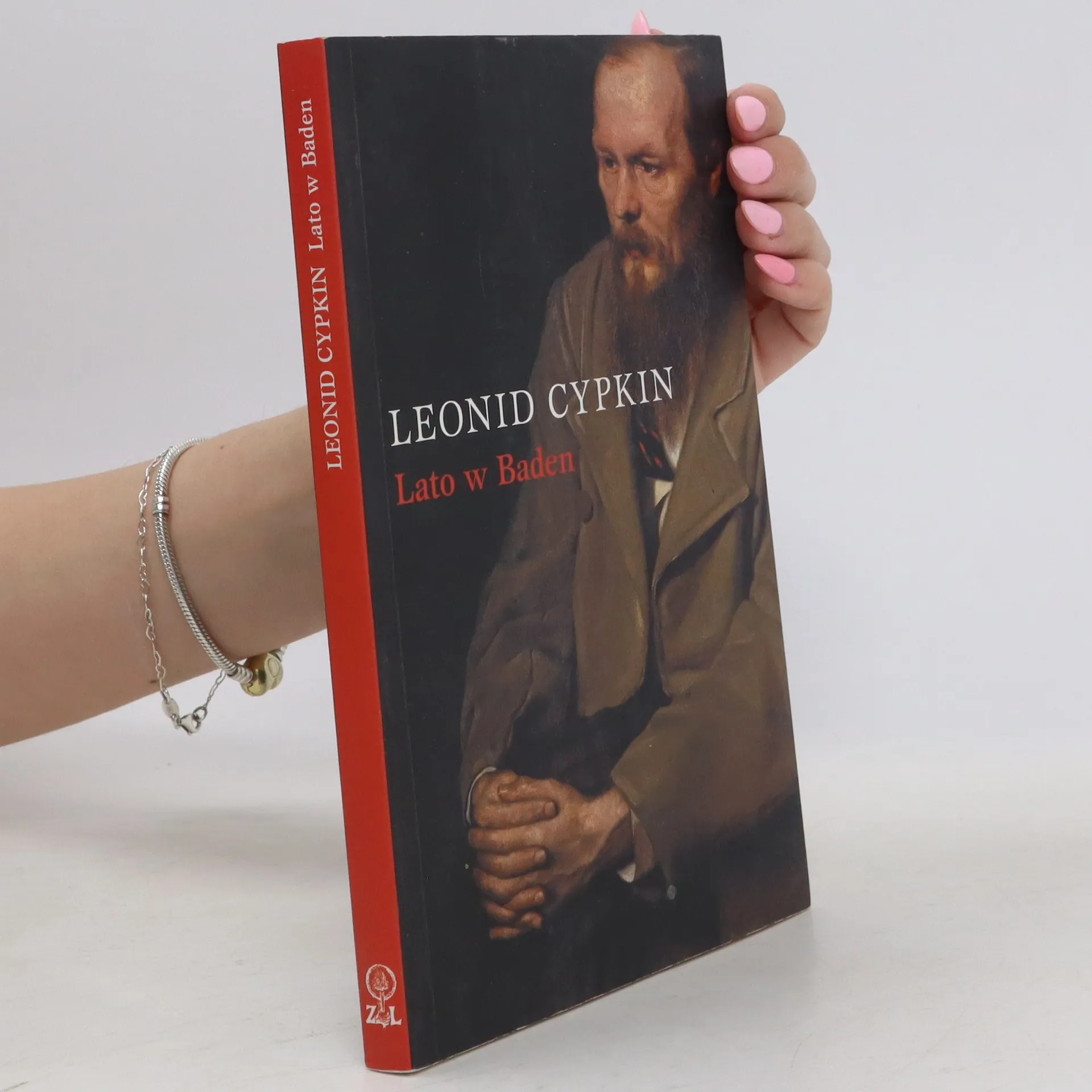
Lato w Baden
- 160 stron
- 6 godzin czytania
Leonid Cypkin (19261982) ? pisarz rosyjski pochodzenia żydowskiego, funkcjonujący poza oficjalnym obiegiem literackim. Powieść „Lato w Baden”, dzieło swego życia, pisał w latach 70. do szuflady, nie mając nadziei na jej publikację w Związku Sowieckim, bowiem w najmniejszym stopniu nie mieściła się w granicach obowiązujących wówczas norm poprawności politycznej. Za punkt wyjścia autor powieści obiera podróż poślubną Fiodora Dostojewskiego i jego żony Anny Grigoriewny. Jest to jednak tylko pretekst do zmierzenia się z historią Rosji, mającą także przemożny wpływ na czasy współczesne.
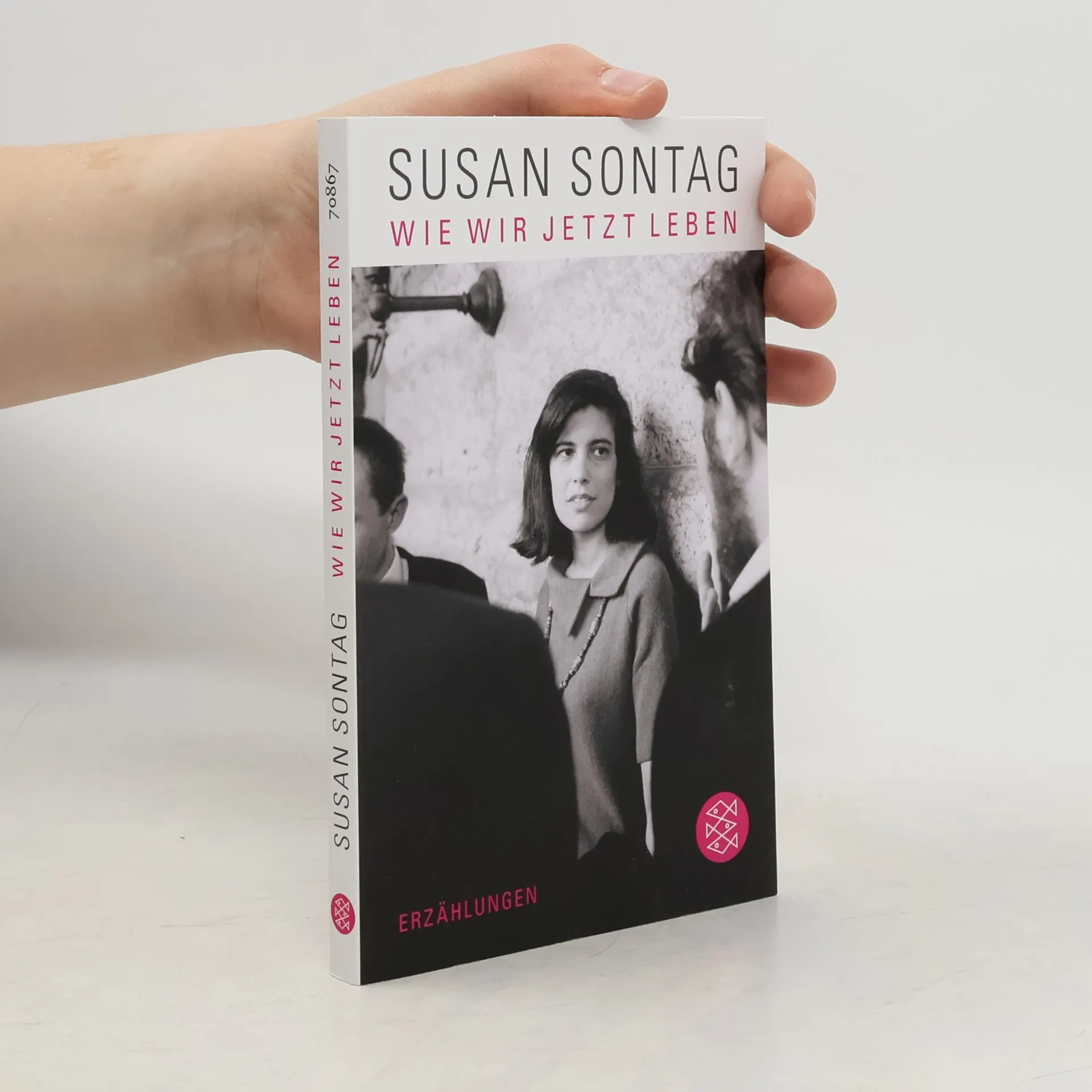
»Ihre Prosa gibt ein schmerzhaftes Gefühl von Ungewissheit preis.« The New Yorker Susan Sontags wichtigste Erzählungen erstmals auf Deutsch – darunter die Beschreibung ihres Besuchs bei Thomas Mann Es sind Lebensthemen, die Susan Sontag in ihren Erzählungen bewegen: Mit 14 besucht sie Thomas Mann in seinem kalifornischen Exil – mit hinreißender Ironie beschreibt sie die Verletzlichkeit ihres jugendlichen Ichs. Jahre später erfährt Sontag von der AIDS-Diagnose eines engen Freundes – ihre Ängste und Hoffnungen werden zum Stimmenchor des intellektuellen New York. Und lange nach ihren berühmten Essays über Fotografie beschäftigt sie sich wieder mit dem Verhältnis von Bildern und Realität – in der Geschichte von einem Vogel und einem Nachkommen Noahs. Dieser Band versammelt wichtige Erzählungen der großen amerikanischen Autorin endlich auf Deutsch. Sie zeigen sie von ihrer persönlichsten Seite. Mit einem Nachwort von Verena Lueken.
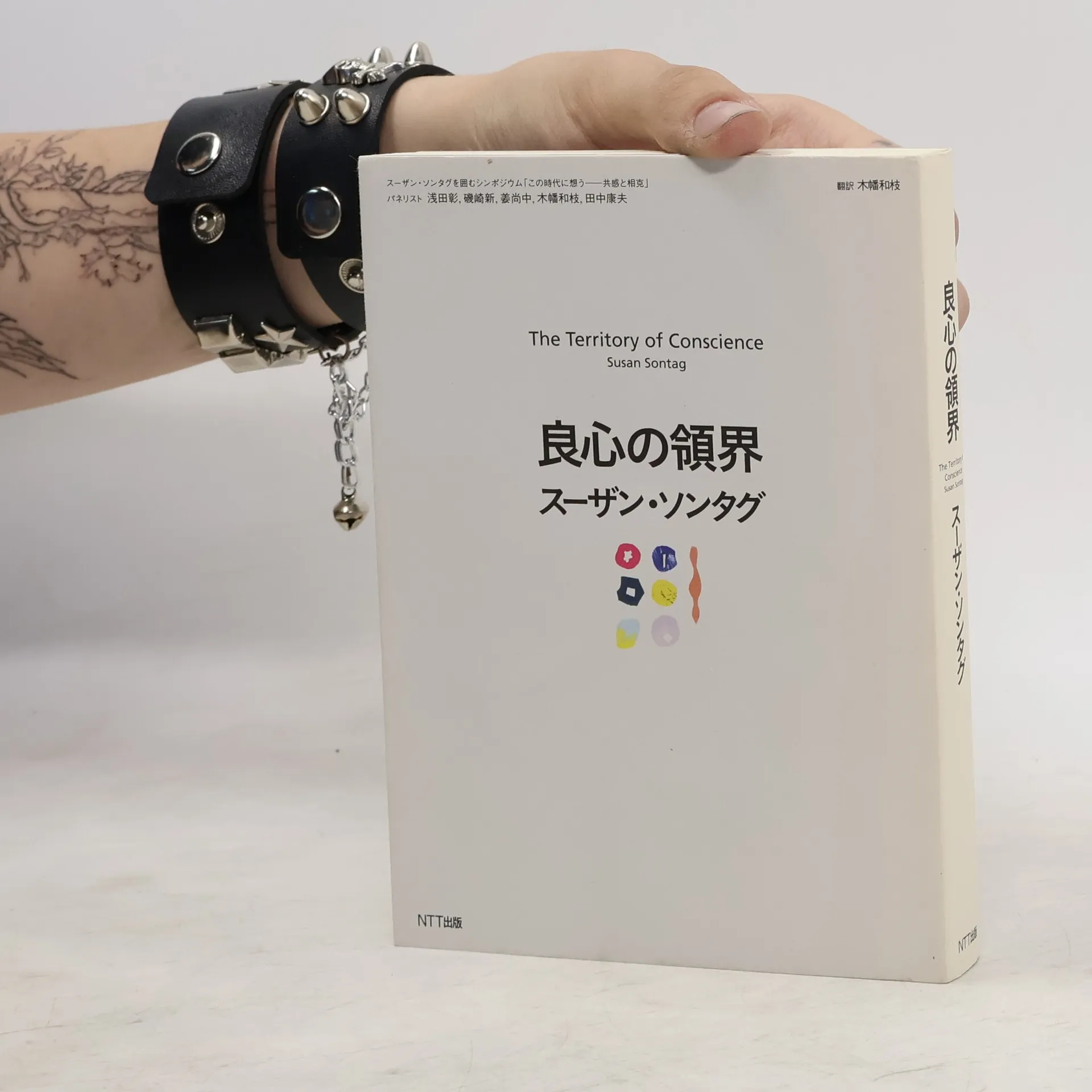
スーザン・ソンタグを囲むシンポジウム「この時代に想う―共感と相克」(パネリスト=浅田彰、磯崎新、姜尚中、木幡和枝、田中康夫)ほか、最新のテクスト、インタヴュー、講演の記録。
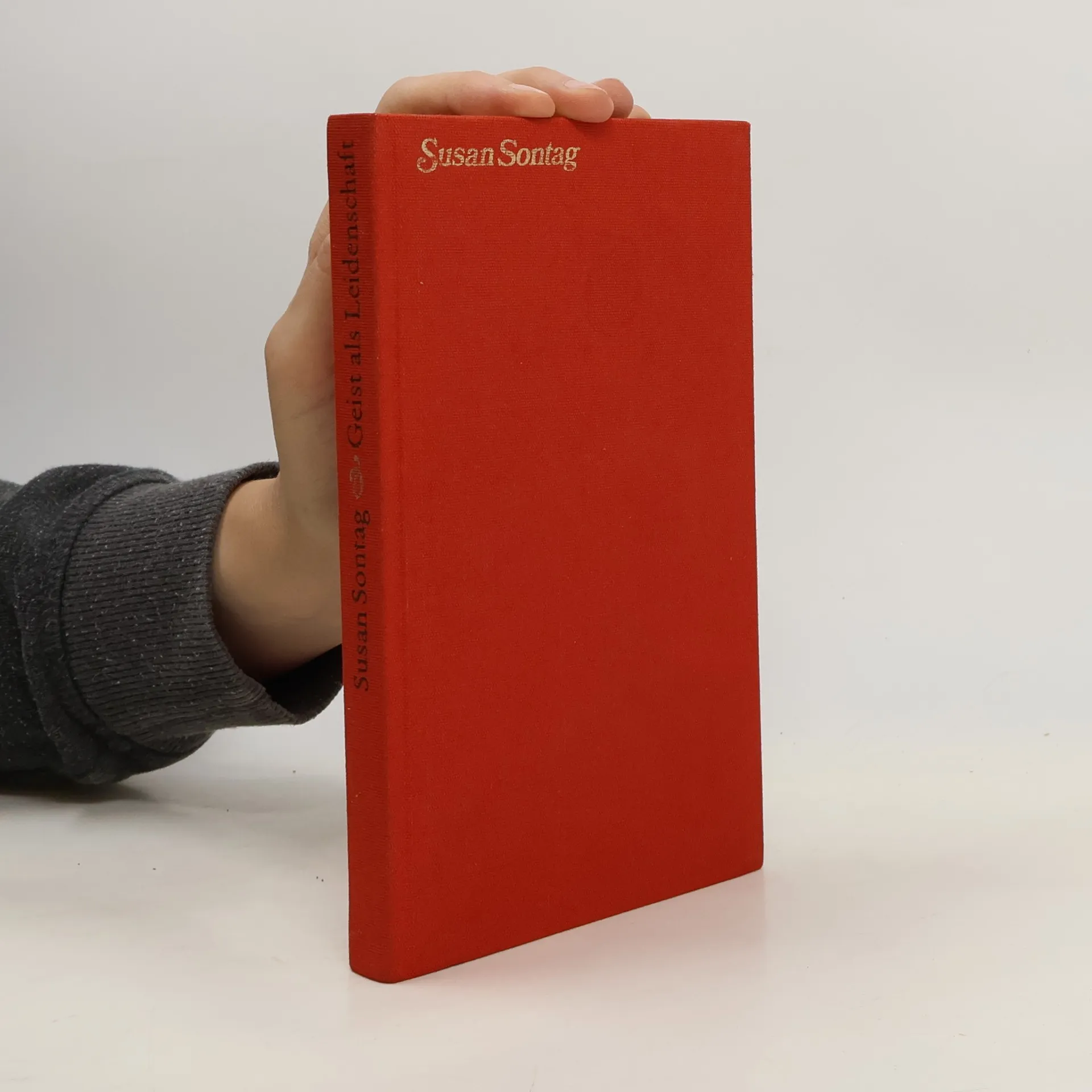
Geist als Leidenschaft
- 297 stron
- 11 godzin czytania
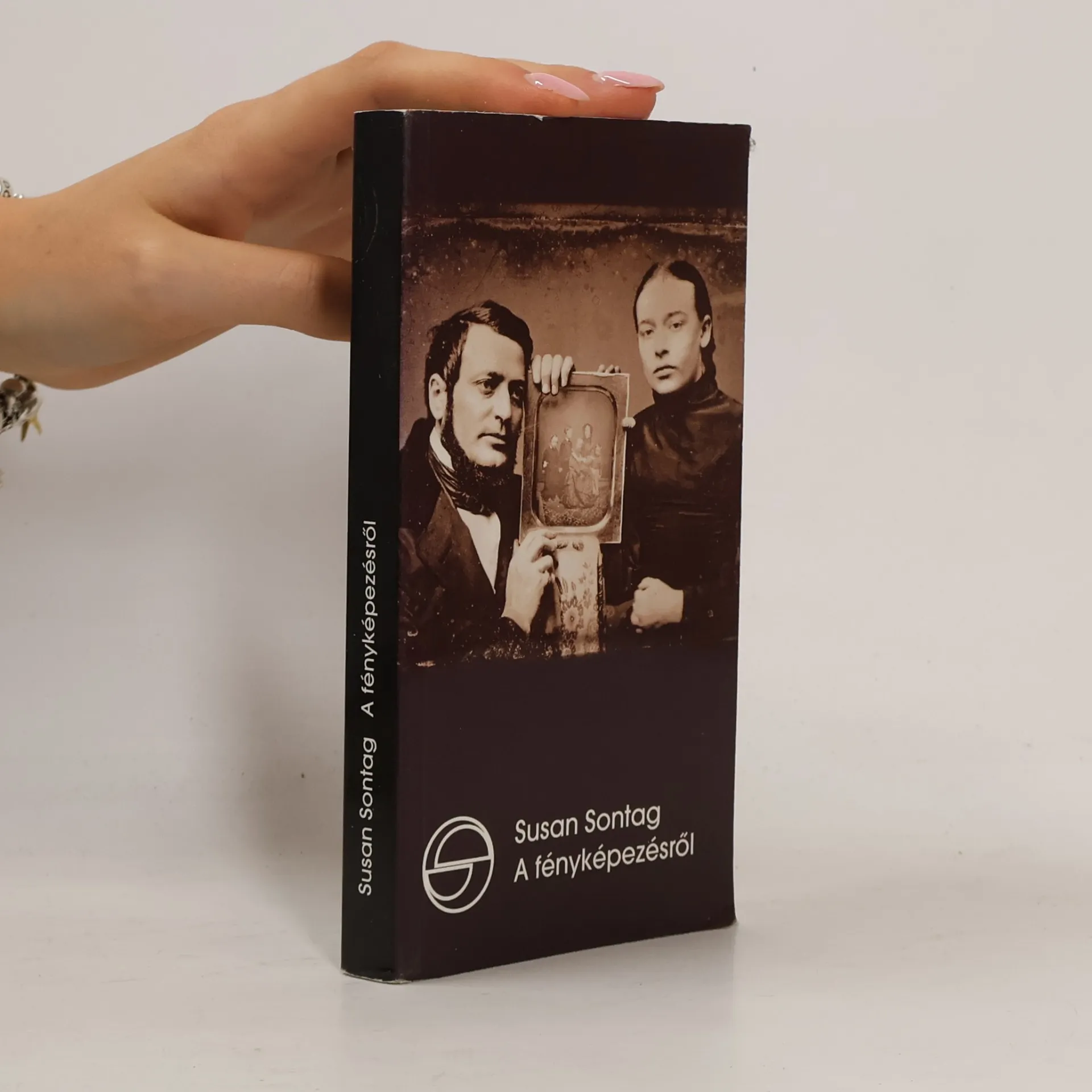
Ebben a hat esszét tartalmazó kötetében a folytonosan a tapasztalat és a valóság közé állított fényképek erejét és a fényképezést mint kulturális jelenséget vizsgálja. A világ fényképen megörökített darabkái megtévesztően részletesek és élesek, állítja Sontag, e képek mégis pusztán a világ látszatát nyújtják, és a mindenütt jelenvalóság hamis érzetét keltik. A fénykép révén szerezhető tudás látszattudás, a fényképezés látszat-birtokbavétel. Az igény, hogy fényképekkel alátámasztott valósághoz és fényképekkel felfokozott élményekhez jussunk, a fogyasztói magatartás esztétikai megnyilvánulása, a képi kábítószer élvezete viszont a tudatrombolás egyik hatékony formája. A könyv 1973-as első megjelenése óta a téma alapművévé vált, és meghatározta a fényképezésről szóló viták kereteit. Ez akkor is igaz, ha Sontag időközben A szenvedés képei című 2003-as esszékötetében újragondolta a fényképek önálló véleményre ösztönző, erőszakot gerjesztő vagy fásultságba taszító hatását.
Geist als Leidenschaft
Ausgewählte Essays zur modernen Kunst und Kultur
Acht Amerikaanse Verhalen
- 225 stron
- 8 godzin czytania
Speciale Avenue-uitgave
Io, eccetera
- 248 stron
- 9 godzin czytania
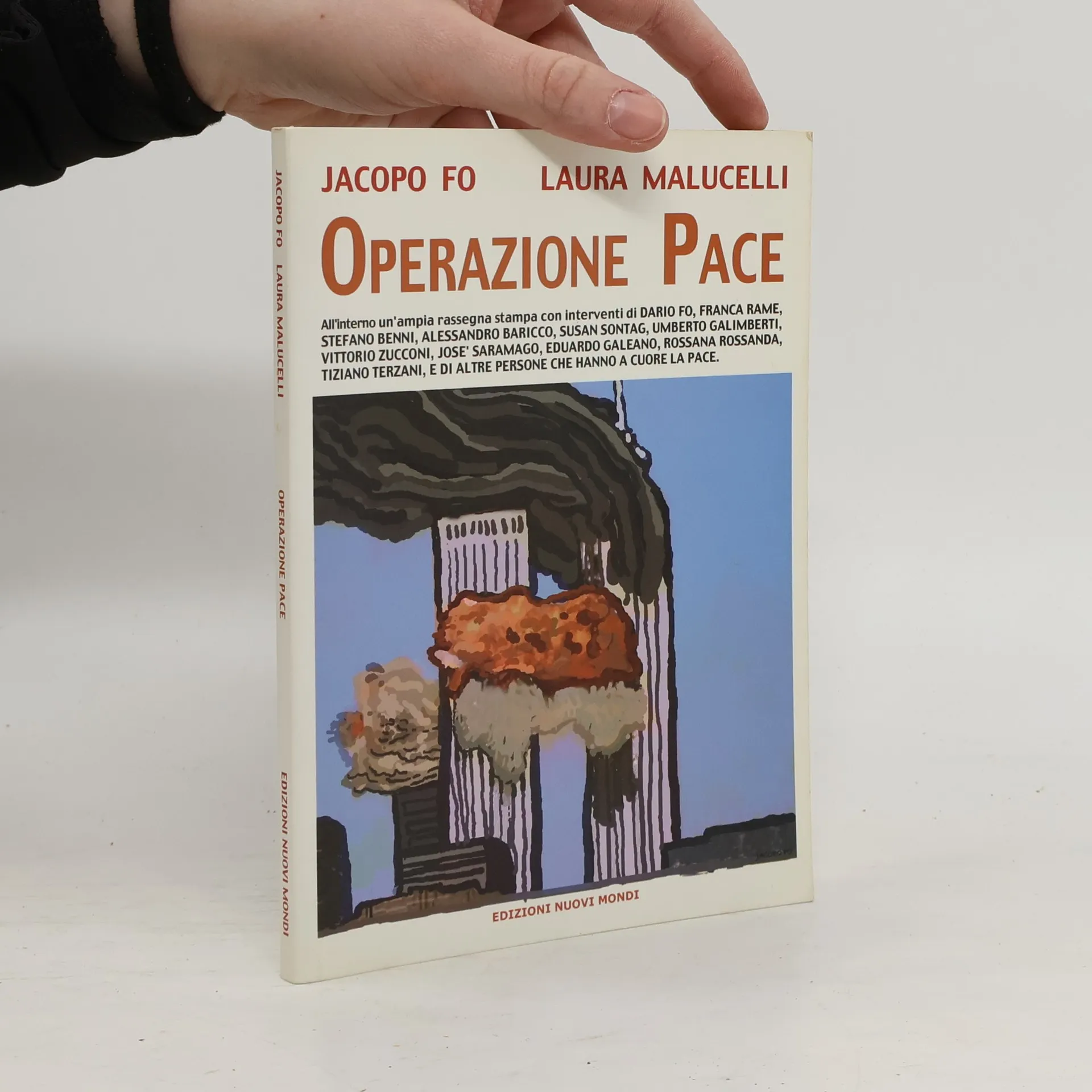
Operazione pace
- 116 stron
- 5 godzin czytania
So leben wir jetzt
- 32 strony
- 2 godziny czytania
Verhalen uit de wereldliteratuur over levensbeschouwelijke thema's.